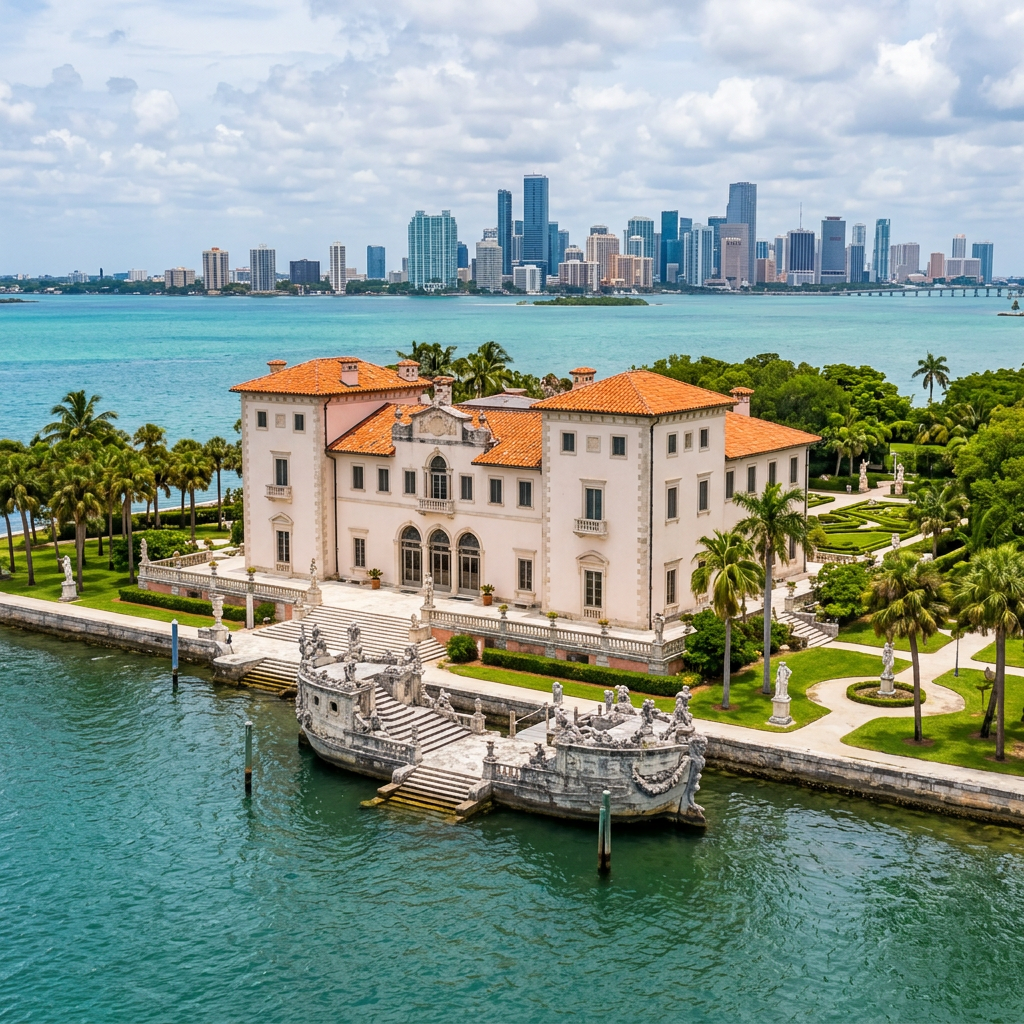
Miami doesn’t do subtle. It’s a city of big colours, loud music, and unapologetic cultural confidence, a place where Cuban exile heritage, Haitian creativity, Caribbean flavour, and Art Deco architecture have collided for decades to produce something entirely its own.
The Magic City is one of the most culturally layered cities in the United States, and that layering shows up in everything you can buy here: from hand-rolled cigars on Calle Ocho to limited-edition prints from Wynwood Walls to a bag of Cuban coffee that will outlast any souvenir mug.
Whether you’re arriving on a cruise ship, flying into MIA, or spending time in South Beach, here are 12 things actually worth buying in Miami — no fridge magnets required.
1. Hand-Rolled Cigars from Little Havana
Little Havana’s Calle Ocho is one of the great cigar destinations in the United States. The neighbourhood was founded by Cuban exiles who arrived after the 1959 revolution, and their cigar-making traditions came with them. Today, master rollers sit behind glass storefronts and roll up to 125 cigars a day by hand, using tobacco from the Dominican Republic, Nicaragua, and elsewhere in the Caribbean, shaped by techniques developed in Cuba over centuries. Real Cuban cigars remain embargoed in the US, but these hand-rolled Miami stogies are the genuine article in every other respect.
- Why pick this up: You’re watching the cigar being made in front of you, in a neighbourhood built by the Cuban diaspora — the craft and the cultural context are inseparable from the product.
- What to look for: Single cigars or cedar-boxed sets from family-owned shops. El Titan de Bronze on SW 8th Street is widely regarded as the finest roller on Calle Ocho — the La Gloria Cubana cigar was born here in 1968. Little Havana Cigar Factory at 1501 SW 8th Street offers a full lounge and tasting experience. Ask for a medium-strength robusto if you’re new to cigars.
- Price bracket (2025): $8–$25 per cigar; cedar gift boxes from $40.
- Where to find it: El Titan de Bronze, SW 8th Street; Little Havana Cigar Factory, 1501 SW 8th St; Cuba Tobacco Cigar Co. and Havana Classic Cigars, all on Calle Ocho.
2. Cuban Coffee (Café Cubano) ☕
Cuban coffee — café cubano, also called cafecito — is Miami’s lifeblood. It’s a small, intensely sweet espresso made with finely ground dark-roasted coffee and demerara sugar, served from walk-up windows called ventanitas throughout Little Havana and beyond. The ritual of sharing a colada — a larger pour divided into tiny shared cups — is as much a social act as a caffeine fix. Vacuum-packed bricks of Cuban coffee are one of the most practical and authentic souvenirs you can take home from Miami.
- Why pick this up: Cuban coffee culture is Miami’s own — the ritual, the strength, the sweetness, and the communal sharing are specific to the Cuban-American community here and cannot be replicated from a chain coffee shop anywhere in the world.
- What to look for: Vacuum-packed bricks of Café La Llave or Bustelo (the two classic Cuban-American brands), or freshly ground beans from Little Havana shops. For the most authentic experience, buy from the ventanita at Versailles Restaurant on SW 8th Street — then take home a bag of their house blend.
- Price bracket (2025): $4–$12 for vacuum-packed bricks; $10–$20 for specialty beans.
- Where to find it: Versailles Restaurant ventanita, 3555 SW 8th St; Latin food markets throughout Little Havana; most supermarkets in Miami carry Bustelo and La Llave.
3. Wynwood Walls Art Prints 🎨
Wynwood Walls, the open-air street art museum that transformed a Miami warehouse district starting in 2009, is one of the most significant urban art projects in the world. The complex covers an entire city block with massive murals by acclaimed street and graffiti artists from across the globe. The official Wynwood Walls Shop sells limited-edition prints, original artworks, artist collaborations, and curated merchandise that put money directly into artists’ hands — a world away from the generic poster racks on Ocean Drive.
- Why pick this up: Limited-edition prints tied to a specific artist and a specific wall carry real cultural weight — you’re bringing home a piece of a landmark that changed what urban art could be in America.
- What to look for: Limited-edition artist prints from the official Wynwood Walls Shop inside the complex; original artworks from the GGA Gallery within the walls; prints and posters from galleries on NW 2nd Avenue throughout the broader Wynwood arts district.
- Price bracket (2025): $25–$150 for prints; original works from $200+.
- Where to find it: The Wynwood Walls Shop, 2520 NW 2nd Ave; galleries throughout the Wynwood Arts District; the monthly Wynwood Art Walk (second Saturday of each month) for direct artist sales.
4. The Guayabera Shirt 👔
The guayabera is the defining garment of Cuban and Caribbean male dress — a lightweight linen or cotton shirt with two vertical rows of pleats or embroidery down the front, four pockets, and a straight hem designed to be worn untucked. It arrived in Miami with the Cuban exile community and has been a staple of Little Havana style ever since. A well-made guayabera is elegant, breathable, and completely wearable back home — one of the few clothing items that actually works as a souvenir.
- Why pick this up: Originally made for Cuban farmers, adopted by politicians and musicians, now the everyday formal wear of Cuban-Americans — a good guayabera is a genuinely beautiful garment with a story behind it. D’Asis Guayaberas on Calle Ocho is the most celebrated shop on the street.
- What to look for: Linen or cotton guayaberas in white, cream, or pale blue for the most versatile options; embroidered rather than plain-pleated for a more formal finish. Women’s guayabera blouses are also widely available.
- Price bracket (2025): $40–$120 depending on fabric and quality.
- Where to find it: D’Asis Guayaberas, SW 8th St, Little Havana; Little Havana To Go, next to Domino Park; Little Havana Cigar Factory boutique; several dedicated guayabera shops along Calle Ocho.
5. Art Deco Architecture Books and Posters 🏙️
Miami Beach’s Art Deco Historic District contains the largest collection of Art Deco architecture in the world — over 800 buildings from the 1920s and 1930s, painted in pastel pinks, turquoises, and creams, with their distinctive stepped façades, porthole windows, and geometric ornamentation. The Miami Design Preservation League, which fought to save these buildings from demolition, runs the Art Deco Welcome Center and Gift Shop on Ocean Drive — the most credible source of architecture books, posters, postcards, and prints in the city.
- Why pick this up: Miami Beach’s Art Deco district is the reason South Beach looks the way it does — the books and posters from the MDPL gift shop directly fund the preservation work that keeps these buildings standing. A purchase here has meaning beyond its aesthetic value.
- What to look for: Original Art Deco Weekend event posters (produced annually since 1976); architecture books covering the district’s history; framed vintage postcards of iconic buildings; jewellery inspired by Art Deco geometric motifs.
- Price bracket (2025): $10–$60 for posters and prints; books from $20.
- Where to find it: Art Deco Welcome Center and Gift Shop, 1001 Ocean Drive, Miami Beach — operated by the Miami Design Preservation League.
6. Key Lime Treats 🍋
The Key lime — a small, tart citrus fruit native to the Florida Keys — is the flavour of South Florida. Key lime pie is Florida’s official state pie, and the bright, acidic sweetness of real Key lime (distinct from the larger Persian limes sold in supermarkets everywhere else) underpins a range of products that travel remarkably well: pie filling, candies, cookies, fudge, chocolate-dipped slices, and hot sauce. These make excellent, lightweight gifts that genuinely taste of the place.
- Why pick this up: Real Key lime has a flavour profile you cannot replicate with standard lime — more floral, more aromatic, genuinely tart without being harsh. Packaged Key lime products are one of the most authentic edible souvenirs South Florida produces.
- What to look for: Bottled Key lime pie filling (for baking at home); Key lime cookies and candy; chocolate-dipped Key lime slices; Key lime hot sauce. Look for products made with actual Florida Key limes rather than generic lime flavouring.
- Price bracket (2025): $5–$18 depending on product.
- Where to find it: Specialty food shops in South Beach and Coconut Grove; farmers’ markets throughout Miami; Bayside Marketplace gift shops downtown; airport shops stocked with Florida-made products.
7. Cuban Domino Set 🎲
Dominos is the national game of Cuba, and at Máximo Gómez Park — universally known as Domino Park — on Calle Ocho, older-generation Cuban-Americans gather every day to play, argue about politics, and drink coffee. The sound of tiles on a table is the soundtrack of Little Havana. Decorative domino sets, often painted with Cuban flag colours, Celia Cruz imagery, or Havana street scenes, are among the most characterful souvenirs on Calle Ocho.
- Why pick this up: A genuinely playable game with a specific cultural story — unlike most “cultural” souvenirs, a domino set is something you will actually use, and it comes with the story of Domino Park attached to it.
- What to look for: Hand-painted double-six domino sets in wooden or tin boxes; sets decorated with Cuban art motifs; solid double-nine sets for more players. Avoid flimsy tourist-quality sets — the best are sold in the shops directly adjacent to Domino Park.
- Price bracket (2025): $15–$50 depending on quality and decoration.
- Where to find it: Little Havana To Go, SW 8th St (next to Domino Park); the Little Havana Visitor Center, 1600 SW 8th St; gift shops throughout Calle Ocho.
8. Haitian Art from Little Haiti 🎤
Little Haiti, Miami’s Haitian neighbourhood in the northeast of the city, is home to a vibrant visual art tradition rooted in the extraordinary Haitian art movement that flourished from the 1940s onward — bold, vivid, often narrative paintings in a style that blends West African and Caribbean influences. The neighbourhood’s art galleries and community spaces sell original paintings, prints, and folk crafts by Haitian and Haitian-American artists at remarkably accessible prices.
- Why pick this up: Haitian art is internationally collected and genuinely distinctive — the colour palette, the storytelling, and the visual language are unlike any other tradition. Buying directly from Little Haiti’s galleries supports artists in one of Miami’s most culturally significant communities.
- What to look for: Original paintings on canvas or board featuring Vodou iconography, tropical landscapes, or street life; hand-painted metal sculptures; folk art prints. Libreri Mapou — a Haitian-owned bookstore and gift shop — is the cultural heart of the neighbourhood and carries music, books, and crafts.
- Price bracket (2025): $30–$200 for original paintings; prints from $15.
- Where to find it: Libreri Mapou, 5919 NE 2nd Ave; galleries along NE 2nd Ave in the Little Haiti Cultural Complex; the Little Haiti Cultural Center itself.
9. Florida Hot Sauce and Tropical Condiments 🌶️
Miami’s culinary identity is built on a Latin and Caribbean spice palette, and the city’s food producers have turned that into an excellent range of hot sauces, marinades, and condiments. Small-batch Florida hot sauces — made with Scotch bonnet, habanero, and other Caribbean peppers — are widely sold at farmers’ markets and specialty food shops, alongside mango chutney, guava jam, and tropical fruit preserves made from local produce.
- Why pick this up: Miami’s hot sauce and tropical preserve scene reflects the city’s Caribbean DNA in the most directly usable way — these are products you’ll cook with for months after your trip, and the flavour profile is genuinely different from the generic supermarket options at home.
- What to look for: Single-origin small-batch hot sauces from Florida producers; guava jam and guava paste (used in Cuban pastries); mango and papaya preserves; sofrito seasoning base. Look for short ingredient lists and local producer names on the label.
- Price bracket (2025): $6–$18 per bottle or jar.
- Where to find it: Wynwood Yard and local farmers’ markets; Latin grocery stores in Little Havana and Hialeah; Bayside Marketplace; specialty food shops in Coconut Grove and the Design District.
10. Miccosukee and Seminole Tribal Crafts 🧵
The Miccosukee and Seminole peoples are the original inhabitants of South Florida, and their craft traditions — particularly sweetgrass basketry, patchwork clothing, and hand-carved woodwork — represent a living cultural practice that has survived for centuries despite enormous pressure. Both tribes operate retail outlets where craft items are made and sold directly by tribal members, making these purchases among the most ethically straightforward cultural souvenirs available in Miami.
- Why pick this up: Buying directly from tribal artisans ensures the money goes to the community that made it — these are not manufactured interpretations but genuine traditional crafts produced by people for whom this is a living cultural practice.
- What to look for: Sweetgrass baskets woven by hand; beaded jewellery in traditional patterns; patchwork clothing and accessories in the distinctive Seminole strip-patchwork style; hand-carved wooden bowls and figures.
- Price bracket (2025): $8–$50 for small items; $100–$600+ for large baskets and clothing.
- Where to find it: Miccosukee Indian Village (on the Tamiami Trail, en route to the Everglades); Seminole Hard Rock Hotel and Casino, Hollywood; Ah-Tah-Thi-Ki Museum on the Seminole Big Cypress Reservation.
11. Miami-Made Rum and Spirits 🍹
Miami’s cocktail culture is deeply rooted in Caribbean rum tradition, and the city now has its own distilling scene producing small-batch rums, tropical gins, and spirits inspired by its Latin and Caribbean heritage. Several producers make rum using Caribbean-style techniques with Florida-sourced sugarcane, and the craft spirits scene is young enough that these bottles are still largely unavailable outside South Florida.
- Why pick this up: Miami-distilled rum or tropical gin captures the city’s Caribbean identity in a bottle — and as the craft distilling scene grows, these remain genuinely local products you won’t find on shelves back home.
- What to look for: Small-batch rum from Miami distilleries; Key lime-infused vodka or gin from Florida producers; ron miel-style honey rum. Ask at specialty liquor stores for Florida-made spirits rather than generic Caribbean imports.
- Price bracket (2025): $25–$60 per bottle.
- Where to find it: Specialty liquor stores in the Brickell and Wynwood areas; Total Wine & More locations across Miami; distillery tasting rooms in the Allapattah and Wynwood districts.
12. Cuban Guava Paste and Pastries 🥐
The pastelito de guayaba — a flaky pastry filled with sweet guava paste, sometimes with cream cheese — is Miami’s most beloved street food and bakery staple. Fresh ones won’t travel far, but guava paste (in slabs or cans) travels beautifully and is one of the most characteristically Miami-Cuban food products you can recreate at home. Paired with cream cheese on crackers, it’s an instant taste of Calle Ocho wherever you are.
- Why pick this up: Guava paste is genuinely difficult to find outside Latin neighbourhoods in most countries — a can of good Miami-sourced guava paste will transform a cheese board and carries a direct connection to the pastelito culture of Calle Ocho.
- What to look for: Blocks or cans of guava paste (look for Cuban or Latin American brands); guava jam; packaged pastelito dough from the freezer section of Latin supermarkets for baking at home. Versailles Bakery sells vacuum-packed pastries that last a few days in transit.
- Price bracket (2025): $3–$10 for guava paste; packaged pastries from $8.
- Where to find it: Versailles Restaurant and Bakery, 3555 SW 8th St; La Segunda Central Bakery (multiple Miami locations); Latin supermarkets throughout the city including Sedano’s and Presidente.
🛒 Miami Shopping Tips
- Little Havana on Calle Ocho (SW 8th Street) is the essential destination for cigars, Cuban coffee, guayaberas, dominos, and guava products. Go on the last Friday of the month for Viernes Culturales — when galleries, shops, and restaurants open late and the street fills with live music and dancing.
- Wynwood is the place for art prints, limited-edition merchandise, and gallery purchases. The monthly Wynwood Art Walk (second Saturday) is the best time to meet artists and buy directly. Go inside the Wynwood Walls complex for the official shop — avoid the chain gift shops on the perimeter.
- Little Haiti on NE 2nd Avenue has the most authentic Haitian art at the best prices — far better value than anything sold in tourist-facing galleries in South Beach. Libreri Mapou is the cultural anchor and worth a visit even if you’re just browsing.
- Miami has no state income tax and Florida has relatively low sales tax — luxury goods and electronics are cheaper here than in most other major US cities, which makes the Design District and Aventura Mall popular for higher-end purchases.
- The Coconut Grove Farmers Market (Saturdays) and the Wynwood Yard are the best sources for small-batch local food products — hot sauces, tropical preserves, local honey, and artisan snacks that you won’t find in mainstream shops.
Miami’s best souvenirs come from its neighbourhoods, not its tourist strips. Ocean Drive sells magnets; Calle Ocho sells culture. A hand-rolled cigar, a bag of Cuban coffee, and a limited print from Wynwood will tell the story of this city far better than anything you’ll find near the beach hotels.
Colin is the founder of SouvenirsIdeas.com and a passionate traveller with a soft spot for local markets, artisan craft, and anything with an interesting story behind it. He writes practical guides to help you bring home souvenirs that actually mean something.
Leave a Reply