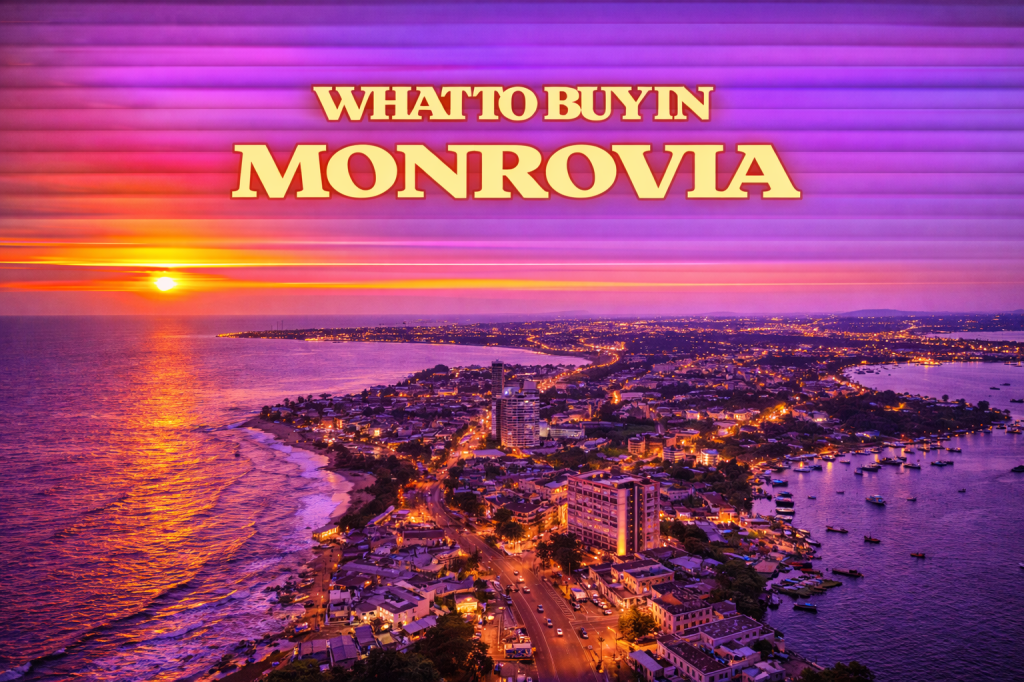
Monrovia feels like a place where everyday life and craft sit side by side. Markets, streets, and small shops sell things made by local hands, and many souvenirs tell a clear story of where they came from.
This guide covers items you can realistically find across the city, not a single shop or street. It focuses on pieces that travel well, are made locally or tied to coastal life, and that you can judge on the spot.
1. Batik or printed textile
• Why it’s worth buying: Batik and hand-printed fabrics show local color and traditional patterns. They make practical gifts and can be used as scarves, wraps, or wall hangings.
• Where to look: open-air markets and craft stalls often sell bolts and folded lengths.
• Price range: $10–$60
• How to spot a good one: Look for clear, consistent dye and no missing wax lines.
• Easy-to-pack tip: Roll fabric tightly and put in a plastic bag to keep it dry.
2. Handmade bead and metal jewelry
• Why it’s worth buying: Beadwork and simple metal pieces are common and reflect local techniques. They’re small, useful, and often one-of-a-kind.
• Where to look: independent shops and artisan co-ops stock a range of necklaces and bracelets.
• Price range: $15–$120
• How to spot a good one: Check that clasps are secure and beads sit uniformly on the string.
• Easy-to-pack tip: Place jewelry in a padded pouch or wrap in soft clothing in your carry-on.
3. Small wood carvings
• Why it’s worth buying: Carvings can be practical objects like spoons or decorative figures with hand-finished detail. They carry a clear craft feel.
• Where to look: market stalls and open-air vendors sell small carved items.
• Price range: $8–$75
• How to spot a good one: Smooth surfaces and no loose chips indicate careful sanding and finishing.
• Easy-to-pack tip: Wrap in clothing and place in the center of your suitcase for cushioning.
4. Ceramics (mugs, bowls, small pots)
• Why it’s worth buying: Handmade ceramics are useful and show local glazing styles and firing marks. They make everyday souvenirs you can use back home.
• Where to look: galleries and craft co-ops sometimes display studio pottery.
• Price range: $12–$80
• How to spot a good one: Even glaze coverage and a stable base show proper firing.
• Easy-to-pack tip: Wrap each piece in bubble wrap or clothing and carry fragile items onboard.
5. Leather cardholders or sandals
• Why it’s worth buying: Small leather goods last and show traditional stitching and material quality. Sandals are practical if sizes match.
• Where to look: independent shops and leather co-ops offer stitched wallets and accessories.
• Price range: $20–$90
• How to spot a good one: Even stitching and firm edges mean genuine leather and care.
• Easy-to-pack tip: Lay flat in a suitcase pocket to keep shape and avoid creasing.
6. Linocut prints or small paper art
• Why it’s worth buying: Prints capture local scenes and are an affordable way to take home original art. They often come signed by the artist.
• Where to look: galleries and museum shops stock limited prints and small editions.
• Price range: $10–$200
• How to spot a good one: Look for artist signatures, clear ink coverage, and quality paper.
• Easy-to-pack tip: Roll prints into a protective tube or carry flat in a folder.
7. Sea salt (plain or flavored)
• Why it’s worth buying: Coastal-produced sea salt reflects local methods and flavors you can use in cooking. Small jars are durable and distinctive.
• Where to look: central markets and food stalls sell packaged salts and seasonings.
• Price range: $3–$15
• How to spot a good one: Check the ingredient label and sealed packaging for freshness.
• Easy-to-pack tip: Keep jars sealed in a plastic bag to guard against spills.
8. Woven market bag or palm-leaf basket
• Why it’s worth buying: Woven bags and baskets use local plant fibers and make practical carry items for home. They show traditional weaving patterns.
• Where to look: craft stalls and open-air markets carry a variety of woven goods.
• Price range: $8–$40
• How to spot a good one: A tight, even weave and sturdy handles indicate durability.
• Easy-to-pack tip: Stuff the bag with clothes to maintain shape while packing.
9. Bottled hot pepper sauce or local condiments
• Why it’s worth buying: Bottled sauces capture regional flavors and are easy to gift to cooks back home. They pack a strong taste of local cuisine.
• Where to look: food halls and market food vendors sell sealed bottles of sauces.
• Price range: $4–$20
• How to spot a good one: Sealed glass bottles with ingredient lists and production dates are best.
• Easy-to-pack tip: Place in a sealed plastic bag and cushion with clothing if checked.
10. Small metalwork items (spoons, bracelets)
• Why it’s worth buying: Metalwork shows hand-tooling and can be both decorative and useful. Small pieces travel easily.
• Where to look: co-ops and independent shops often carry hammered or cast metal goods.
• Price range: $10–$150
• How to spot a good one: Consistent hammer marks and solid weight suggest quality workmanship.
• Easy-to-pack tip: Wrap metal items in soft fabric to prevent scratches and dings.
11. Handmade soap and natural body products
• Why it’s worth buying: Small-batch soaps use local oils and scents and make practical, lightweight gifts. They often keep well.
• Where to look: markets and independent shops sell wrapped bars and skincare products.
• Price range: $3–$12
• How to spot a good one: Read the ingredient list and avoid products with excessive synthetic perfume.
• Easy-to-pack tip: Seal bars in plastic and keep them in checked or carry-on baggage.
12. Postcards or photo sets of the city
• Why it’s worth buying: Postcards and photo sets are inexpensive and show recognizable local scenes. They’re easy to share with friends.
• Where to look: museum shops and galleries usually carry curated postcard packs.
• Price range: $5–$25
• How to spot a good one: Choose prints on heavier paper with photographer credit or captions.
• Easy-to-pack tip: Keep them flat in a folder or protective sleeve to avoid bending.
Quick buying tips for Monrovia
• Bring small cash for stalls; larger shops and hotels accept cards usually.
• Bargaining is common in markets; be polite and start about 20–30% lower.
• Wrap fragile ceramics in clothing, then put in middle of suitcase.
• Many vendors can ship heavier items home, ask about cost and timing.
• Look for “made locally” labels, artisan names, and natural materials listed.
• Tuck sealed sauces and liquids in plastic, then check airline liquid rules.
Where to shop in Monrovia
Shopping spreads across Monrovia from the downtown commercial spine to the coastal areas. Different districts have different strengths: downtown for general goods, specific neighborhoods for crafts, and waterfront spots for coastal materials.
- Broad Street and downtown commercial area for everyday shops, textiles, and small electronics.
- Sinkor district for boutiques and independent shops offering leather and jewelry.
- Capitol Hill vicinity where you can find markets and government-adjacent stalls with local goods.
- Waterfront areas and beach-side stalls for woven items, sea salt, and small nautical crafts.
- Central market near the downtown core for affordable textiles, sauces, and general market finds.
- Cultural centers and museum gift areas for curated prints, postcards, and higher-end crafts.
- Open-air craft stalls that appear on market days for hand-made baskets and carved objects.
What to skip (common tourist traps)
- Mass-produced keychains and plastic trinkets that are uniformly made and low quality.
- Items labeled “authentic” without maker information or visible craft evidence.
- Poorly glued or painted jewelry that shows uneven finishing and weak clasps.
- Very cheap textiles with printed patterns that mimic batik but lack dye consistency.
- Bottles without ingredient lists or seals for sauces and edible items.
- Oversized fragile pottery sold without reasonable packing or shipping options.
If you only buy three things
- A batik or printed textile because it packs small and shows local pattern work.
- A jar of local sea salt for a taste of the coast and easy transport.
- A small piece of handmade jewelry that’s easy to carry and wear.
FAQ
-
What is Monrovia known for making?
Monrovia is associated with crafts like textiles, beadwork, carved wood, and woven coastal goods. You’ll also find small-batch food items produced locally. -
What are the best edible souvenirs from Monrovia?
Look for sealed jars of sea salt, bottled hot pepper sauces, and packaged small-batch roasted coffee when available. Always choose sealed packaging with clear ingredient labels. -
Are souvenirs expensive in Monrovia?
Prices vary: market stalls tend to be affordable while boutiques and galleries charge more. You can often lower market prices by negotiating respectfully. -
What is the easiest souvenir to pack from Monrovia?
Textiles, jewelry, postcards, and small packaged foods are the simplest to pack. They take up little space and are less likely to break. -
How do I know if something is truly local?
Ask the seller who made the item and look for maker names or “made locally” labels. Inspect materials and finish—hand-tool marks and natural fibers are good signs.
Tip: Save your receipts, and keep fragile items in your carry-on.
About the Author
Colin is the founder of SouvenirsIdeas.com and a passionate traveller with a soft spot for ceramics, markets, and food tours. He writes practical, first-hand guides to help you bring home souvenirs that actually mean something — not just more clutter!
Let us know in the comments if this has been useful or if you’ve got suggestions we can include
 Souvenir Ideas to Take Home from Every Country and City
Leave a comment