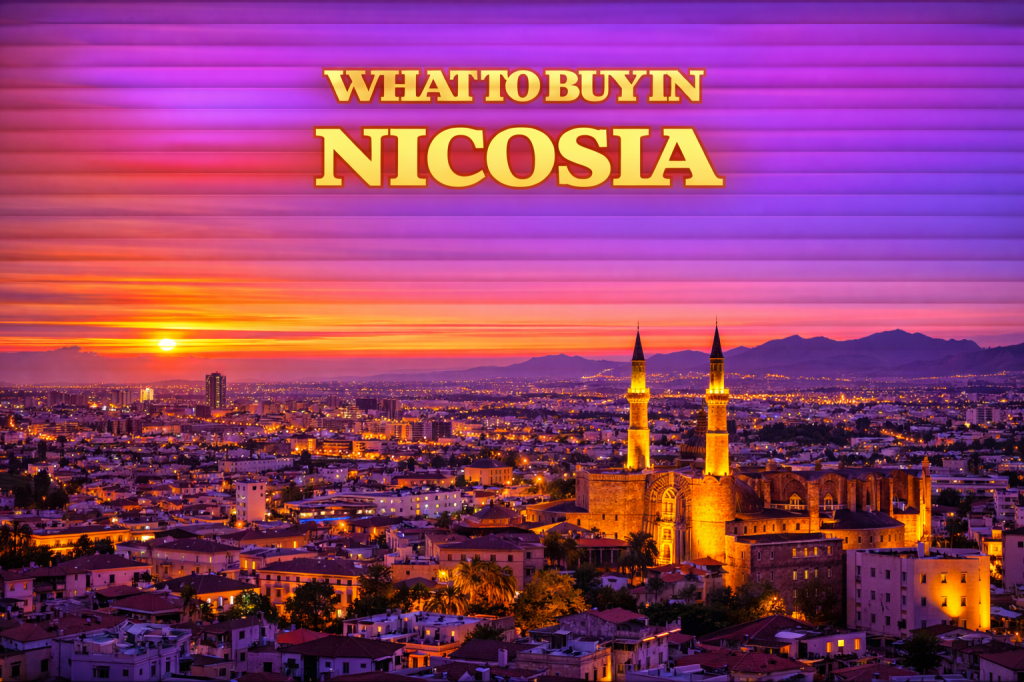
Nicosia’s mix of old workshops and modern makers gives visitors plenty to choose from. The city’s markets, museum shops, and independent stores sell traditional crafts and local foods you can actually use at home.
This guide looks at souvenirs you can find across Nicosia, not items from one street or a single shop. It focuses on goods that show local craft or flavor, pack well, and hold up on the trip home.
1. Lefkara lace (embroidered linens)
• Why it’s worth buying: Hand-stitched linen connects to a long local embroidery tradition and makes a fine table or gift cloth. It carries a clear local style not easily replicated.
• Where to look: independent shops and artisan stalls around the old city.
• Price range: $25–$120
• How to spot a good one: Even, tight stitches and natural linen show real handwork rather than machine embroidery.
• Easy-to-pack tip: Fold between sheets of tissue or wrap in a scarf to avoid creasing.
2. Silver filigree jewelry
• Why it’s worth buying: Filigree work is delicate and distinctive, often crafted by local silversmiths. Small pieces keep the city’s metalwork tradition in a wearable form.
• Where to look: galleries that sell handmade jewelry.
• Price range: $30–$150
• How to spot a good one: Look for fine, raised wire detail and a silver hallmark or maker’s mark.
• Easy-to-pack tip: Slip into a padded pouch and carry in a personal bag.
3. Hand-painted ceramics
• Why it’s worth buying: Local potters use regional motifs and colors, making each piece slightly different. Small plates and bowls show craft without taking much luggage space.
• Where to look: markets with artisan stalls.
• Price range: $10–$60
• How to spot a good one: Check for glazing that feels smooth and even; irregularities often mean handmade.
• Easy-to-pack tip: Wrap ceramics in clothing and place between soft items in your suitcase.
4. Extra-virgin olive oil (small bottle)
• Why it’s worth buying: Olive oil from the region has a direct culinary use and makes a practical gift. Smaller bottles are easier to test and carry than large tins.
• Where to look: food halls and specialty food counters.
• Price range: $8–$35
• How to spot a good one: Labels with harvest date or varietal and a sealed cap indicate recent, quality oil.
• Easy-to-pack tip: Put the sealed bottle in a plastic bag and pad with clothing for checked luggage.
5. Loukoumi (Cypriot-style sweets)
• Why it’s worth buying: These confections keep well when vacuum-sealed and give a clear taste of local sweets. They’re compact and shareable.
• Where to look: markets known for local foodstuffs.
• Price range: $4–$15
• How to spot a good one: Choose boxes with clear ingredient lists and firm, non-sticky texture.
• Easy-to-pack tip: Keep in original sealed packaging to avoid crushing.
6. Carob products (syrup or sweets)
• Why it’s worth buying: Carob is a traditional Mediterranean ingredient used in syrups and candies. It stores well and offers a unique local flavor.
• Where to look: co-ops that sell regional agricultural goods.
• Price range: $5–$20
• How to spot a good one: Short ingredient lists and simple packaging often signal a traditional product.
• Easy-to-pack tip: Pack bottles upright in checked luggage or use airline-approved carry-on sizes.
7. Mountain tea and dried herbs
• Why it’s worth buying: Sideritis (mountain tea) and local herb blends are light, shelf-stable, and useful at home. They reflect regional cuisine and climate.
• Where to look: independent shops selling local foods and herbs.
• Price range: $6–$20
• How to spot a good one: Look for whole leaves or stems and a fresh aroma, not powdery dust.
• Easy-to-pack tip: Seal in zip bags and tuck into shoes or soft pockets.
8. Olivewood kitchen utensils
• Why it’s worth buying: Small olivewood spoons or boards are durable and showcase local material. They add a rustic touch to any kitchen.
• Where to look: galleries that feature craft and homeware.
• Price range: $8–$30
• How to spot a good one: Smooth finish without rough splinters and a consistent wood grain indicate quality.
• Easy-to-pack tip: Place between layers of clothing to prevent knocks and chips.
9. Copper briki (small coffee pot)
• Why it’s worth buying: A briki is useful for traditional Greek coffee and represents metalworking skills. Compact sizes travel fairly well.
• Where to look: museum shops selling traditional implements.
• Price range: $15–$60
• How to spot a good one: Solid seams and a sturdy handle show better construction than thin sheet metal.
• Easy-to-pack tip: Wrap in bubble wrap and carry in checked luggage or well-padded carry-on.
10. Small leather goods (coin purse or card holder)
• Why it’s worth buying: Leather pieces are practical, durable, and often locally made with simple styling. Small leather goods last and pack flat.
• Where to look: craft fairs or artisan markets.
• Price range: $10–$45
• How to spot a good one: Tight stitching and natural leather smell indicate better quality than bonded faux leather.
• Easy-to-pack tip: Keep in a pouch to avoid scuffs from other items.
11. Local prints and art reproductions
• Why it’s worth buying: Prints capture city scenes or traditional designs and can be framed later at home. They’re light and easy to transport.
• Where to look: museum shops that sell prints and artist editions.
• Price range: $8–$50
• How to spot a good one: Look for signed or numbered editions and good paper weight.
• Easy-to-pack tip: Roll with protective cardboard or keep flat between book covers.
12. Handmade olive-oil soap and herbal soaps
• Why it’s worth buying: Soaps use local oil and herbs and make compact, useful gifts that travel well. They avoid customs issues with foods.
• Where to look: food halls that include artisanal personal-care stalls.
• Price range: $4–$12
• How to spot a good one: Short ingredient lists and visible olive oil or herb pieces signal small-batch making.
• Easy-to-pack tip: Wrap in wax paper and tuck into toiletries for cushioning.
Quick buying tips for Nicosia
• Carry small notes and coins; many stall vendors prefer cash over cards.
• Prices fixed in most shops; polite haggling can work at outdoor markets.
• Fragile ceramics and glass travel best wrapped in clothing and kept carry-on.
• Many shops offer shipping for breakables; ask for packing and insurance options.
• Look for “made locally” tags, maker names, and natural materials on labels.
• Liquids and oils must follow airline rules; seal bottles, use checked baggage when necessary.
Where to shop in Nicosia
Shopping is spread across the old city and newer commercial areas, so expect both traditional markets and museum or gallery outlets. Look for markets for food and small craft stalls, museum shops for quality reproductions, and pedestrian streets for a mix of independent makers.
• Ledra Street pedestrian zone for postcards, small crafts, and everyday souvenirs.
• The Walled City and Laiki Geitonia for traditional textiles and ceramics.
• The central market area (Bandabulya) for fresh foods, sweets, and spice stalls.
• Museum shops at cultural museums for curated prints, books, and reproductions.
• Eleftheria Square surroundings for modern design shops and local accessory makers.
• Seasonal craft fairs and holiday markets for directly-made gifts and artisan stalls.
• Open-air artisan markets on weekends where makers sell directly to customers.
What to skip (common tourist traps)
• Cheap, machine-made “Lefkara” lace sold very cheaply; it usually lacks hand stitching.
• Unlabeled olive oil without harvest date or basic origin information; quality unclear.
• Plated costume jewelry sold as “silver” without hallmarks or maker details.
• Mass-produced ceramics with identical, perfect prints indicating factory production.
• Sweets or preserves in unlabeled jars; check ingredients for excess additives.
• Overly ornate “antique” coins or relics without provenance or clear reproduction tags.
If you only buy three things
Lefkara lace — meaningful craft that represents local needlework traditions.
Extra-virgin olive oil — practical, usable and a true taste of the region.
Silver filigree jewelry — compact, locally made, and easy to take home.
FAQ
What is Nicosia known for making?
Nicosia and the surrounding region are known for traditional crafts like lace embroidery and metalwork. You’ll also see ceramics, leather goods, and products linked to olive cultivation.
What are the best edible souvenirs from Nicosia?
Look for small bottles of extra-virgin olive oil, sealed boxes of loukoumi, carob products, and packaged mountain tea. These items travel well and show local flavors.
Are souvenirs expensive in Nicosia?
Prices vary widely: markets and stalls tend to be cheaper, while galleries and museum shops cost more. You can find affordable food items and modestly priced handmade goods if you compare options.
What is the easiest souvenir to pack from Nicosia?
Small prints, jewelry, and packaged sweets are the easiest to pack and carry. Lightweight textiles like scarves or small lace items also fit into carry-on bags without trouble.
How do I know if something is truly local?
Ask the seller where the item was made and look for maker names or “made locally” labels. Inspect materials and construction; handcrafted pieces show small irregularities and quality finishes.
Tip: Save your receipts, and keep fragile items in your carry-on.
About the Author
Colin is the founder of SouvenirsIdeas.com and a passionate traveller with a soft spot for ceramics, markets, and food tours. He writes practical, first-hand guides to help you bring home souvenirs that actually mean something — not just more clutter!
Let us know in the comments if this has been useful or if you’ve got suggestions we can include

 Souvenir Ideas to Take Home from Every Country and City
Leave a comment