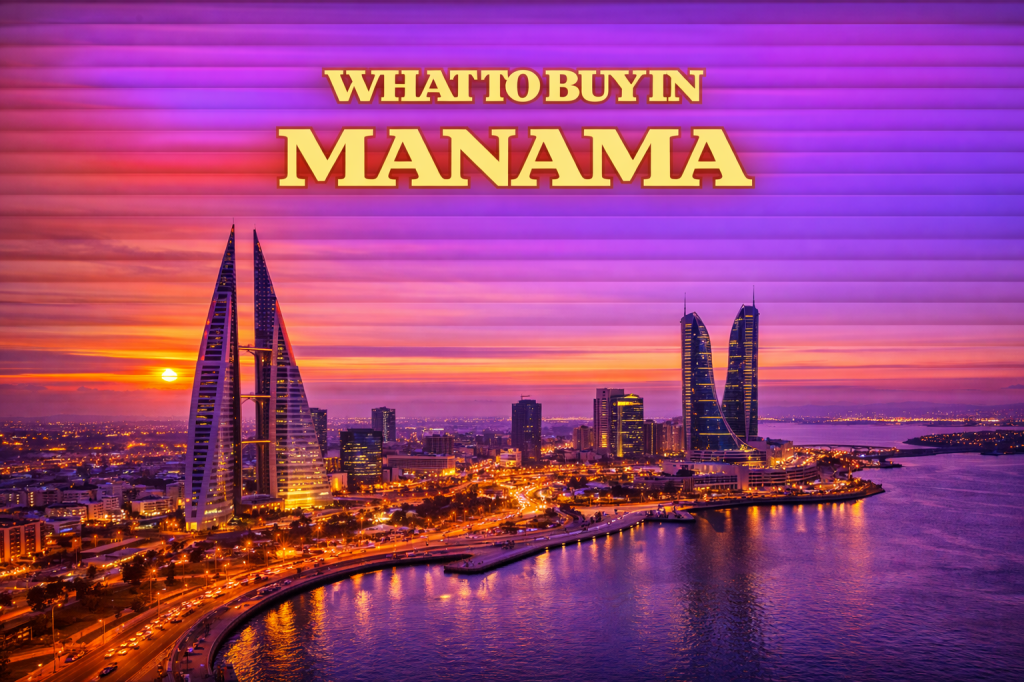
Manama is a good place to shop for items that reflect the city’s coastal history, craft traditions, and spice trade. You can find everything from shelf-stable foods to small handcrafted jewelry and woven textiles.
This guide covers souvenirs commonly found across the city, not a single street or store. It focuses on things that travel well, ways to spot quality, and how to avoid mass-produced tourist goods.
1. Bahraini dates
• Why it’s worth buying: Dates are a staple food and a common gift in the region. They store well and come in many varieties and textures.
• Where to look: markets offer a wide range of packaged date boxes.
• Price range: $5–$20
• How to spot a good one: Choose glossy, unbroken fruit with a firm texture and no off smell.
• Easy-to-pack tip: Keep dates in their sealed packaging and tuck them between clothing in your carry-on.
2. Bahraini halwa (sugar-based sweet)
• Why it’s worth buying: Halwa is a traditional confection with distinct regional recipes. It makes a memorable edible present.
• Where to look: food halls and specialty counters carry boxed halwa for travel.
• Price range: $6–$30
• How to spot a good one: Check the ingredient list and pick packages sealed for freshness.
• Easy-to-pack tip: Place the sealed box in a tote or carry-on to protect it from temperature changes.
3. Oud oil or concentrated perfume
• Why it’s worth buying: Oud oils reflect local scent traditions and last a long time in small amounts. They’re concentrated, so a little goes far.
• Where to look: independent shops sell small bottles and testers.
• Price range: $15–$120
• How to spot a good one: Seek clear information about ingredients and sample it on your skin before buying.
• Easy-to-pack tip: Put oils in a sealed travel vial and pack inside a plastic bag in your carry-on.
4. Bakhoor (incense chips)
• Why it’s worth buying: Bakhoor is used locally for home fragrance and hospitality rituals. It’s portable and comes in many scent blends.
• Where to look: local markets often sell small tins or packets of bakhoor.
• Price range: $4–$25
• How to spot a good one: Look for visible resin pieces and natural resin notes rather than pure chemical smells.
• Easy-to-pack tip: Wrap the tin in clothing and carry it with you to avoid breakage.
5. Cultured pearl pendant
• Why it’s worth buying: Pearls have long been associated with the Gulf and make classic, wearable souvenirs. A simple pendant is easy to wear and gift.
• Where to look: independent shops display small pearl pieces and single-pendant options.
• Price range: $30–$300
• How to spot a good one: Inspect the nacre sheen and ask about origin; avoid perfectly identical pearls on cheap settings.
• Easy-to-pack tip: Keep pearls in a padded jewelry box in your hand luggage.
6. Sadu woven pouch or bracelet
• Why it’s worth buying: Woven Sadu patterns show traditional weaving techniques and make useful small accessories. They carry cultural design in a compact form.
• Where to look: co-ops and artisan stalls sell Sadu textiles in small sizes.
• Price range: $8–$60
• How to spot a good one: Check the tightness and evenness of the weave and the natural feel of the fibers.
• Easy-to-pack tip: Roll fabric items to reduce creases and place them inside shoes or bags.
7. Mini dhow model
• Why it’s worth buying: A small wooden dhow reflects the city’s maritime past and makes a distinctive desktop memento.
• Where to look: market stalls often have handcrafted nautical ornaments.
• Price range: $10–$80
• How to spot a good one: Look for neat joinery and natural wood rather than thin glued plastic pieces.
• Easy-to-pack tip: Wrap the model in bubble wrap or clothing and keep it in your carry-on.
8. Local ceramics (small bowl or cup)
• Why it’s worth buying: Handmade ceramics combine function and decoration in a compact item. They show local glazing and forms.
• Where to look: galleries sometimes offer small, travel-friendly pottery pieces.
• Price range: $12–$70
• How to spot a good one: Inspect the glaze for even coverage and check for hairline cracks or rough rims.
• Easy-to-pack tip: Pad ceramics with soft clothing and carry them on board if possible.
9. Seafood spice mix or baharat blend
• Why it’s worth buying: Spice mixes capture regional flavors and are easy to use back home. Seafood blends work well for coastal recipes.
• Where to look: covered markets sell vacuum-sealed spice jars and pouches.
• Price range: $3–$15
• How to spot a good one: Choose blends with visible whole spices and a fresh scent.
• Easy-to-pack tip: Use sealed jars or vacuum packs and place them in checked or carry-on luggage per rules.
10. Local artist print or calligraphy
• Why it’s worth buying: Prints give a portable example of local design and are lighter than original paintings. They support local artists.
• Where to look: small galleries display signed prints and limited runs.
• Price range: $10–$120
• How to spot a good one: Prefer signed works or numbered editions on quality paper.
• Easy-to-pack tip: Roll prints gently into a cardboard tube or buy a protective sleeve from the seller.
11. Silver filigree jewelry
• Why it’s worth buying: Filigree techniques are part of local metalwork traditions and look delicate yet sturdy. Small pieces travel easily.
• Where to look: independent shops stock filigree earrings, pendants, and bracelets.
• Price range: $25–$200
• How to spot a good one: Look for well-soldered joins and standard silver markings like “925.”
• Easy-to-pack tip: Store silver in anti-tarnish paper or a small jewelry pouch in your carry-on.
12. Local tea blend or saffron
• Why it’s worth buying: Tea blends and saffron are compact, last long, and bring home clear local flavor. They’re simple to use in cooking.
• Where to look: co-ops and food stalls sell sealed spice jars and small tins.
• Price range: $5–$60
• How to spot a good one: Check aroma and color, and choose sealed packaging with ingredient labels.
• Easy-to-pack tip: Place spices in zip-top bags and cushion them inside clothing in your baggage.
Quick buying tips for Manama
• Carry small bills; many stalls prefer cash over card for quick purchases.
• Politely haggle where prices are flexible; ask a final price before buying.
• Wrap fragile ceramics twice and stow them in your carry-on cabin bag.
• Check if sellers can ship larger items; many offer reasonable shipping and paperwork.
• Look for “made locally” labels, artisan signatures, or materials that show local production.
• Pack food and liquids sealed; follow airline rules and customs limits on imports.
Where to shop in Manama
Shopping is spread across markets, cultural districts, and a few museum shops. Historic market streets and nearby galleries are the best places to find handmade items, while market halls are where bulk food items and spices appear.
• Bab Al Bahrain and the surrounding souq for spices, dates, textiles, and small jewelry.
• Manama central market halls for packaged foods, spice jars, and sealed sweets.
• Gold market area inside the old souq for pearl pieces and metalwork.
• Adliya art district where galleries and creative shops sell prints and ceramics.
• Bahrain National Museum and its shop for curated crafts, books, and cultural gifts.
• Waterfront promenades for nautical crafts and modern design pieces at stalls or fairs.
• Seasonal craft fairs and exhibitions for direct contact with makers and limited editions.
What to skip (common tourist traps)
• Plastic “pearls” sold as real pearls; they have identical surfaces and low price.
• Mass-produced trinkets labeled “handmade” with poor materials and sloppy joins.
• Unsealed food packages without ingredient lists or expiry dates; freshness is uncertain.
• Heavy decorative ceramics that are likely to break in checked luggage.
• Scent sprays claiming “oud” but lacking depth and ingredient transparency.
• Jewelry without metal markings or clear return policies; it may not be sterling.
If you only buy three things
Bahraini dates — Shelf-stable, easy to pack, and genuinely local in flavor.
Oud oil — Small, long-lasting, and representative of regional scent traditions.
Sadu woven pouch — Compact, useful, and a clear example of local textile craft.
FAQ
-
What is Manama known for making?
Manama is linked to the Gulf’s pearling history and regional craft trades. You’ll also find perfumes, woven textiles, metalwork, and food products like sweets and spice blends. -
What are the best edible souvenirs from Manama?
Choose shelf-stable options such as sealed dates, halwa in boxed form, spice mixes, and packaged saffron or tea. Always buy from vendors who provide ingredient lists and sealed packaging. -
Are souvenirs expensive in Manama?
Prices vary widely: souq stalls and markets have affordable items, while galleries and jewelry sellers command higher prices. Haggling is common in markets but expect fixed prices in museum shops and galleries. -
What is the easiest souvenir to pack from Manama?
Packaged spices, tea blends, and vacuum-sealed dates are the easiest to transport. They take little space, don’t break, and usually meet customs rules when sealed. -
How do I know if something is truly local?
Ask for provenance, look for artisan cards or co-op labels, and inspect materials and construction. Hallmarks on metalwork and signatures on prints also indicate local production.
Tip: Save your receipts, and keep fragile items in your carry-on.
About the Author
Colin is the founder of SouvenirsIdeas.com and a passionate traveller with a soft spot for ceramics, markets, and food tours. He writes practical, first-hand guides to help you bring home souvenirs that actually mean something — not just more clutter!
Let us know in the comments if this has been useful or if you’ve got suggestions we can include
 Souvenir Ideas to Take Home from Every Country and City
Leave a comment