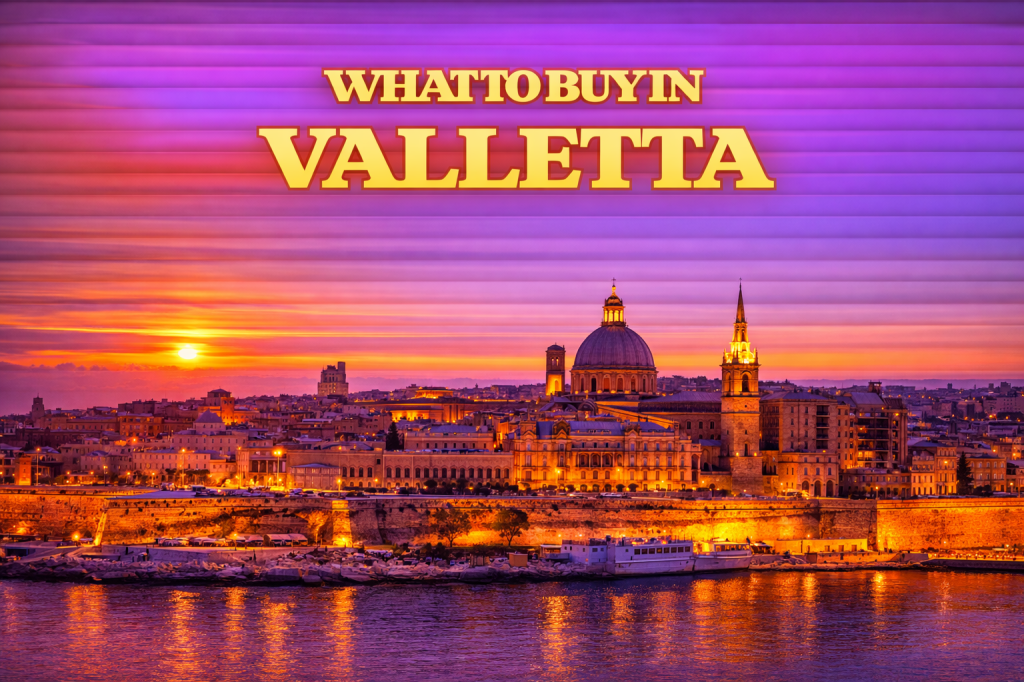
Valletta is a compact city full of craft and food that make for easy, meaningful souvenirs. The best picks are often made nearby or strongly linked to Maltese tradition, so they tell a story without taking up much space in your bag.
This guide covers items you can find across the city, not a single shop or street. It focuses on things you can judge for quality, pack well, and avoid if they look like mass-produced tourist trinkets.
1. Handblown Maltese glass
• Why it’s worth buying: Glass shows local color and traditional glassblowing techniques. Small pieces carry the city’s style without taking much room.
• Where to look: Browse independent shops that stock locally made glassware and vases.
• Price range: $15–$80
• How to spot a good one: Look for small bubbles and a hand-shaped foot, not perfectly uniform seams.
• Easy-to-pack tip: Wrap in clothing and place in the middle of your carry-on for extra protection.
2. Filigree silver jewelry
• Why it’s worth buying: Filigree is a local metalwork tradition that makes delicate earrings and crosses. Jewelry is compact and lasts when well-made.
• Where to look: Check galleries and artisan showcases for hallmarked pieces.
• Price range: $25–$120
• How to spot a good one: Inspect for fine, tightly twisted wires soldered neatly, not glued or loose.
• Easy-to-pack tip: Store each piece in a soft pouch to avoid tangling and scratches.
3. Hand-painted ceramics
• Why it’s worth buying: Ceramics carry regional patterns and bright colors typical of Maltese art. Plates and tiles make attractive gifts and can be small.
• Where to look: Visit markets that feature pottery stalls and ceramic makers.
• Price range: $10–$60
• How to spot a good one: Check the glaze for even coverage and a smooth underside with no hairline cracks.
• Easy-to-pack tip: Cushion each item with bubble wrap or layered clothing, and carry fragile pieces aboard.
4. Sea salt from Maltese shores
• Why it’s worth buying: Local sea salt captures flavors from nearby waters and seasons. It’s light, long-lasting, and useful in the kitchen.
• Where to look: Find jars or bags in food halls and specialty grocers.
• Price range: $4–$15
• How to spot a good one: Prefer coarse crystals or labeled small-batch harvests rather than plain supermarket packs.
• Easy-to-pack tip: Put packets in a sealed bag to prevent spills and keep them in checked or carry-on luggage.
5. Local olive oil
• Why it’s worth buying: Olive oil reflects local harvests and tastes, and it’s practical for home cooking. Bottles come in small sizes for travel.
• Where to look: Look in food halls where producers sell bottles directly.
• Price range: $8–$30
• How to spot a good one: Choose dark glass bottles, recent harvest dates, and a short ingredient list.
• Easy-to-pack tip: Wrap the bottle in a plastic bag and clothes to protect from breaking.
6. Traditional lace and textiles
• Why it’s worth buying: Lace and embroidered linens show handcraft skills carried on for generations. Small table runners or napkins are classic.
• Where to look: Browse independent shops that specialize in textiles and traditional crafts.
• Price range: $12–$70
• How to spot a good one: Examine the stitching for evenness and look for natural fibers like cotton or linen.
• Easy-to-pack tip: Fold textiles flat and place them between layers of clothing to avoid creases.
7. Local bittersweet soft drink (Kinnie)
• Why it’s worth buying: Kinnie and similar sodas are distinct to Malta and make a recognizable edible souvenir. Bottles are easy to gift.
• Where to look: Spot them in markets and food halls among regional beverages.
• Price range: $2–$8 per bottle or small multipack
• How to spot a good one: Buy sealed, dated bottles from a store rather than loose street sellers.
• Easy-to-pack tip: Put bottles in checked luggage wrapped in clothing, or buy cans for safer packing.
8. Honey and preserves
• Why it’s worth buying: Island honey often has floral notes from local plants, and preserves capture regional flavors. They store well.
• Where to look: Purchase jars at food halls that feature small producers.
• Price range: $6–$25
• How to spot a good one: Prefer short ingredient lists and producer labels with origin or beekeeper details.
• Easy-to-pack tip: Double-bag jars and wrap in clothing to prevent leaks during transit.
9. Miniature luzzu boat models
• Why it’s worth buying: Luzzu models represent Maltese fishing boats and are a neat decorative keepsake. They show a nautical tradition.
• Where to look: Check independent shops that sell folk crafts and small wooden items.
• Price range: $8–$40
• How to spot a good one: Look for clean paint lines and sturdy joints rather than flimsy glued parts.
• Easy-to-pack tip: Remove any loose rigging and wrap the model in soft layers for carry-on space.
10. Local prints and postcards
• Why it’s worth buying: Prints capture Valletta’s baroque architecture and harbor views, easy to frame at home. They’re flat and light.
• Where to look: Visit galleries and museum shops for quality prints.
• Price range: $3–$40
• How to spot a good one: Choose acid-free paper or signed prints rather than glossy mass-produced cards.
• Easy-to-pack tip: Keep prints in a rigid folder or tube to avoid creases.
11. Handmade leather goods
• Why it’s worth buying: Small leather goods like wallets or belts combine utility and craft. Quality pieces age well.
• Where to look: Find them in independent shops that feature local leatherworkers.
• Price range: $15–$90
• How to spot a good one: Inspect stitching and smell the leather—real leather will have a natural scent and grain.
• Easy-to-pack tip: Wear larger leather items on the plane to save suitcase space.
12. Cookbooks and recipe cards
• Why it’s worth buying: A cookbook brings local recipes home and explains how to use native ingredients. It’s light and informative.
• Where to look: Look in museum shops and galleries that stock regional books.
• Price range: $8–$35
• How to spot a good one: Prefer books authored by local chefs or featuring clear ingredient lists and measurements.
• Easy-to-pack tip: Place the book flat between clothes to prevent bent corners.
Quick buying tips for Valletta
• Bring some cash; small stalls and artisans may prefer euros over cards.
• Accept polite haggling only at markets where prices are clearly not fixed.
• Wrap fragile items in clothes and place them in the middle of your luggage.
• Ask sellers about shipping options if you need heavy or fragile items mailed home.
• Look for “made locally” labels, producer names, or workshop addresses on tags.
• Pack liquid foods in sealed bags and check airline liquid rules for carry-ons.
Where to shop in Valletta
Shopping spreads across the city’s main streets, historic squares, and a restored central market. Museum shops and waterfront areas also offer well-curated souvenir choices.
• Republic Street — main pedestrian thoroughfare with a mix of artisans, galleries, and specialty shops.
• Merchant Street and nearby lanes — small craft stalls and independent sellers of textiles and jewelry.
• Is-Suq tal-Belt (the central market) — food stalls, producers, and packaged local groceries.
• Upper Barrakka Gardens area — near historic views and small museum gift stands with prints.
• Valletta Waterfront and surrounding quayside — nautical crafts, small boutiques, and bottled goods.
• St. John’s Co-Cathedral vicinity — museum shops offering books and high-quality replicas.
• Seasonal craft fairs in city squares — good for meeting makers and buying directly from artisans.
What to skip (common tourist traps)
• Cheap trinkets with “Made in” labels from other countries; they don’t reflect local craft.
• Overly shiny filigree that looks machine-made; genuine filigree has fine, hand-twisted wires.
• Unlabeled food jars without ingredient lists or expiry dates; quality and safety unclear.
• Loose street sellers offering sealed bottles without receipts; returns and shipping are difficult.
• Lightweight ceramic imitations that chip easily; durable pottery has a substantial feel.
• Items labeled vaguely as “traditional” but showing no maker or origin details.
If you only buy three things
Olive oil — practical, local, and useful in everyday cooking.
Filigree silver jewelry — compact, meaningful, and handcrafted.
Sea salt — light, easy to pack, and a taste of the islands.
FAQ
- What is Valletta known for making?
Valletta is known for crafts tied to Maltese traditions, like filigree metalwork and handblown glass. The city also showcases local food products and printed artwork tied to its architecture. - What are the best edible souvenirs from Valletta?
Look for small-batch olive oil, local honey, and regionally produced soft drinks or preserves. Buy sealed jars or bottles with clear labels and purchase from reputable market stalls. - Are souvenirs expensive in Valletta?
Prices vary: small items and food can be inexpensive, while handcrafted jewelry or larger ceramics cost more. You can find mid-range souvenirs without visiting high-end tourist shops. - What is the easiest souvenir to pack from Valletta?
Printed items like postcards or museum-quality prints are the easiest to pack, since they are flat and light. Place them in a rigid folder or tube to keep them safe. - How do I know if something is truly local?
Check for producer names, workshop addresses, or labels stating origin; ask where the item was made. Sellers who can describe materials and techniques are more likely to offer genuine local goods.
Tip: Save your receipts, and keep fragile items in your carry-on.
About the Author
Colin is the founder of SouvenirsIdeas.com and a passionate traveller with a soft spot for ceramics, markets, and food tours. He writes practical, first-hand guides to help you bring home souvenirs that actually mean something — not just more clutter!
Let us know in the comments if this has been useful or if you’ve got suggestions we can include


 Souvenir Ideas to Take Home from Every Country and City
Leave a comment