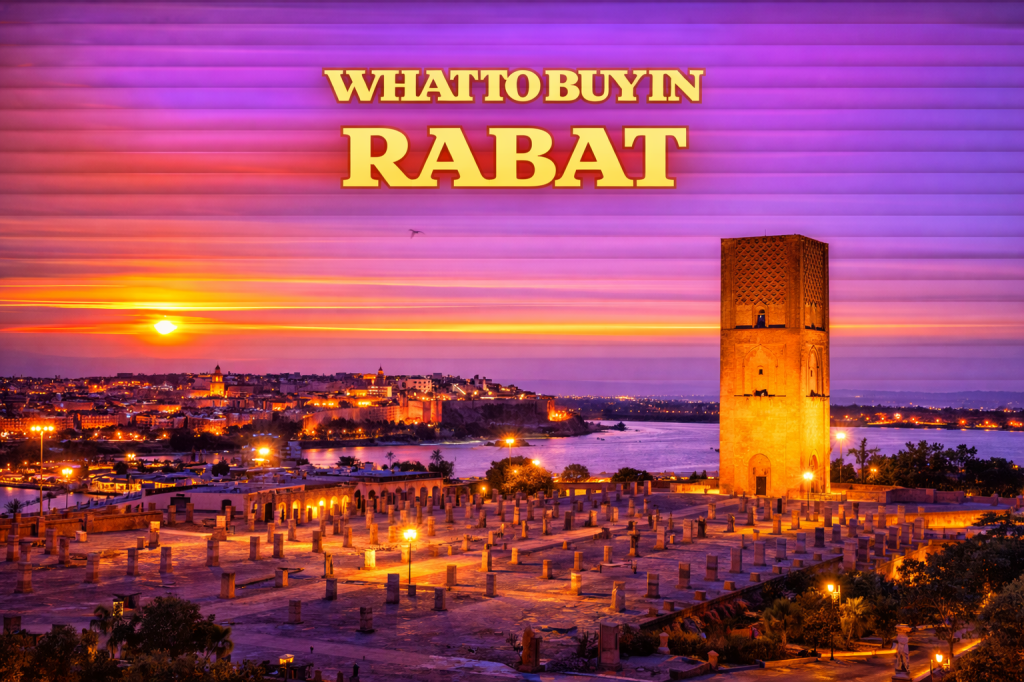
Rabat is a good place to find souvenirs that show local craft and taste. The city blends seaside life with long craft traditions, so you can find useful, well-made items rather than just tourist trinkets.
This guide covers items you can find across the city, not a single street or store. It focuses on things made locally or tied to Morocco, and how to choose pieces that travel well.
1. Moroccan ceramics
• Why it’s worth buying: Small hand-painted bowls and plates show classic Moroccan patterns. They make practical tableware and remind you of local style.
• Where to look: Markets and souk stalls often carry a wide selection.
• Price range: $8–$40
• How to spot a good one: Check for even glazing, unpainted spots, and a smooth weight in hand.
• Easy-to-pack tip: Wrap each piece in clothing and place in the middle of your suitcase.
2. Leather babouche slippers
• Why it’s worth buying: Soft, lightweight, and made with traditional leather skills. They’re comfortable at home and easy to slip into.
• Where to look: Independent shops along the medina’s shopping lanes stock many styles.
• Price range: $12–$60
• How to spot a good one: Look for tight, even stitching and supple, odor-free leather.
• Easy-to-pack tip: Flatten them and tuck tissue inside to keep shape without taking much space.
3. Argan oil (culinary or cosmetic)
• Why it’s worth buying: Argan oil is a versatile ingredient and a local export with culinary and beauty uses. It’s small and lasts when sealed.
• Where to look: Co‑op stands and cooperative counters sell certified bottles.
• Price range: $10–$45
• How to spot a good one: Prefer sealed bottles from co‑ops with clear ingredient and origin labeling.
• Easy-to-pack tip: Put the bottle in a zip-top bag to prevent leaks in luggage.
4. Saffron
• Why it’s worth buying: High-quality saffron adds distinctive flavor and color to dishes. A little goes a very long way.
• Where to look: Market stalls and spice sellers near central markets sell small, sealed portions.
• Price range: $8–$60 per small jar
• How to spot a good one: Threads should be deep red with little yellow; avoid chopped powder mixes.
• Easy-to-pack tip: Keep the sealed jar in your hand luggage to protect it from crushing.
5. Mint tea glasses and small teapots
• Why it’s worth buying: Glasses and small teapots reflect Moroccan tea culture and look pretty on a shelf. They are lightweight and useful.
• Where to look: Galleries and design-focused shops carry curated glass sets.
• Price range: $6–$35
• How to spot a good one: Choose thick glass or a sturdy base; avoid hairline cracks or uneven rims.
• Easy-to-pack tip: Pack glass between folded shirts and label the package fragile.
6. Ras el hanout or preserved lemons
• Why it’s worth buying: These condiments are central to Moroccan cooking and make easy kitchen souvenirs. They store well when sealed.
• Where to look: Food halls and spice counters sell labeled jars and packets.
• Price range: $4–$18
• How to spot a good one: Look for sealed packaging and clear ingredient lists with no foreign additives.
• Easy-to-pack tip: Put jars in a padded pouch and keep liquids upright in checked luggage.
7. Woven palm baskets and bags
• Why it’s worth buying: Handwoven palm items are light, sturdy, and reflect coastal craft traditions. They make useful market bags or home baskets.
• Where to look: Souks and open-air craft markets often have a range of sizes.
• Price range: $6–$45
• How to spot a good one: Check tight, even weaving and secure handles for long-term use.
• Easy-to-pack tip: Most flatten or fold slightly; tuck them between clothing layers.
8. Local sea salt
• Why it’s worth buying: Sea salt from the Atlantic has a clean flavor and suits cooking or gifting. It’s small and travel-friendly.
• Where to look: Co‑ops and food stalls near the waterfront sometimes sell harvested salt.
• Price range: $3–$12
• How to spot a good one: Choose sealed packages with a clear source label and no added fillers.
• Easy-to-pack tip: Keep salt in sealed plastic and place with soft items to avoid crushing.
9. Brass or copper lanterns and small metalwork
• Why it’s worth buying: Metal pieces show long-standing local techniques and make striking home accents. Small sizes are good for travel.
• Where to look: Independent shops carry finished lanterns and candle holders.
• Price range: $15–$80
• How to spot a good one: Inspect soldered joins and uniform pierced patterns for quality craftsmanship.
• Easy-to-pack tip: Wrap metal in cloth to prevent dents and keep it away from fragile items.
10. Handmade silver or bead jewelry
• Why it’s worth buying: Jewelry showcases local silversmithing and beadwork, and small pieces are easy to carry. They work well as gifts.
• Where to look: Small galleries often curate handcrafted pieces from local artisans.
• Price range: $10–$120
• How to spot a good one: Look for consistent finishes, secure clasps, and honest metal markings.
• Easy-to-pack tip: Store jewelry in a small pouch or pillbox to stop tangling.
11. Packaged Moroccan sweets (kaab el ghazal)
• Why it’s worth buying: Traditional sweets capture local flavors and keep well when boxed. They’re a thoughtful edible gift.
• Where to look: Food halls and packaged food counters sell wrapped boxes suitable for travel.
• Price range: $4–$25
• How to spot a good one: Pick boxes with clear dates and sealed packaging to ensure freshness.
• Easy-to-pack tip: Place boxes in carry-on to avoid crushing and to control temperature.
12. Lightweight textiles — scarves and embroidered pouches
• Why it’s worth buying: Scarves and small pouches show textile craft without heavy bulk. They’re versatile and wearable souvenirs.
• Where to look: Market stalls and market stalls inside the medina often carry many styles.
• Price range: $6–$70
• How to spot a good one: Feel the fabric for softness and check embroidery for even, tight stitches.
• Easy-to-pack tip: Roll scarves to save space and prevent creases in your suitcase.
Quick buying tips for Rabat
• Carry some cash; small vendors may prefer dirhams over cards.
• Ask politely about prices; light haggling is often expected in souks.
• Wrap fragile pieces in clothing and put them inside your carry-on.
• Ask if sellers ship abroad; many co‑ops can arrange international shipping.
• Look for “made locally” tags, artisan names, or cooperative stamps on labels.
• Keep liquids sealed and check airline rules for food or oil transport.
Where to shop in Rabat
Shopping spreads across the medina, waterfront, and a few central market halls. The medina is best for craft stalls and small textiles, while riverside areas and market halls offer packaged foods and larger selections.
• Rabat Medina (old town) for handcrafts, textiles, and small household ceramics.
• Kasbah of the Udayas for decorative items, small galleries, and coastal craft.
• Central market halls for spices, packaged foods, and fresh local products.
• Bouregreg riverfront for tourist-friendly stalls and outdoor artisans.
• Museum shops at major museums for well-made books, prints, and design objects.
• Open-air souks for leather goods, woven baskets, and everyday crafts.
• Seasonal craft fairs for a concentrated selection of contemporary artisan work.
What to skip (common tourist traps)
• Cheap “antique” claims without stamps or provenance; likely modern replicas.
• Unlabeled oils or creams that lack ingredient lists and origin information.
• Mass-produced plastic trinkets sold in tourist zones; they don’t reflect local craft.
• Very shiny stamped “silver” pieces without hallmarks indicating metal content.
• Loose spices sold without packaging or dates; freshness and purity are uncertain.
• Ceramics with paint flaking or visible repairs; they won’t hold up in daily use.
If you only buy three things
Moroccan ceramics: Small bowls show local design and are useful at home.
Saffron: A little saffron goes far and represents Moroccan flavors well.
Woven palm basket: Light, practical, and easy to store or use daily.
FAQ
- What is Rabat known for making?
Rabat is known for traditional crafts like ceramics, leatherwork, metalwork, and woven goods. The city also sells many regional food products from across Morocco. - What are the best edible souvenirs from Rabat?
Choose sealed spices, saffron, preserved lemons, and packaged sweets from food halls. Pick items with clear labels and expiry dates for travel. - Are souvenirs expensive in Rabat?
Prices vary widely; small items like spices and textiles are affordable, while handcrafted metalwork or silver costs more. You can find something in most budgets. - What is the easiest souvenir to pack from Rabat?
Saffron, spices, and small textiles are the easiest to pack because they take little space and don’t break. Keep edible items sealed and labeled. - How do I know if something is truly local?
Look for artisan or cooperative labels, a clear origin statement, and visible handwork. Ask about how it was made and where the materials came from.
Tip: Save your receipts, and keep fragile items in your carry-on.
About the Author
Colin is the founder of SouvenirsIdeas.com and a passionate traveller with a soft spot for ceramics, markets, and food tours. He writes practical, first-hand guides to help you bring home souvenirs that actually mean something — not just more clutter!
Let us know in the comments if this has been useful or if you’ve got suggestions we can include
 Souvenir Ideas to Take Home from Every Country and City
Leave a comment