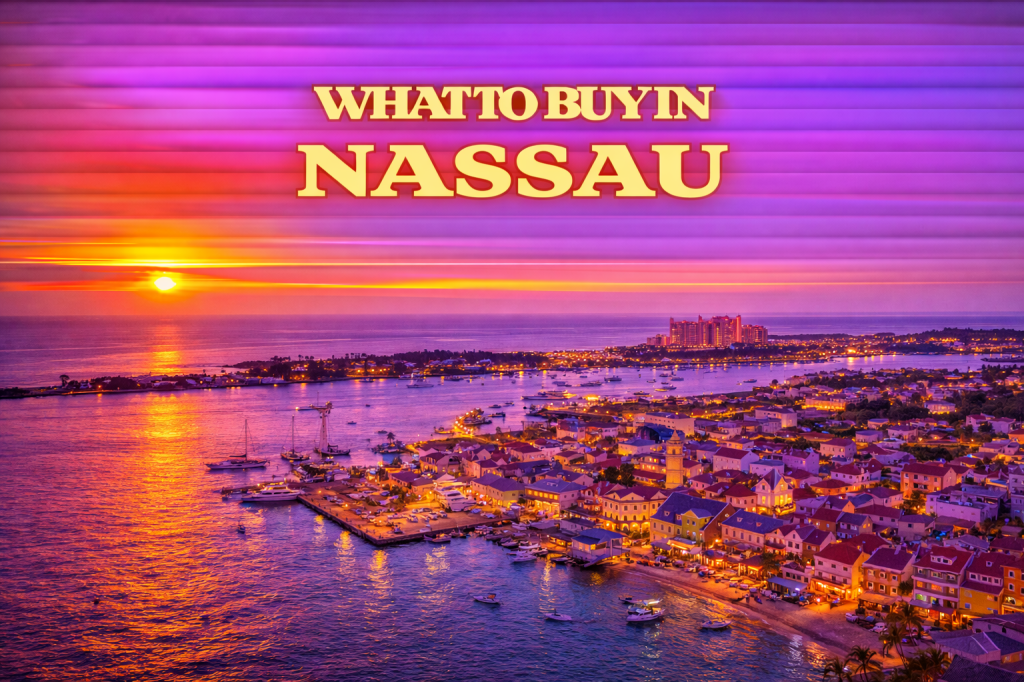
Nassau makes shopping straightforward if you know what to look for. The city mixes island flavors, craftwork, and coastal materials into souvenirs that travel well when packed right. This guide covers items you can find across the city, not a single street or store.
Focus is on locally made goods and edible items you can actually bring home. I’ll include simple tips for spotting quality and packing things safely.
1. Bahamian rum bottle
• Why it’s worth buying: Rum is tied to local recipes and social customs. A well-made bottle captures regional flavors and aging styles.
• Where to look: independent shops that carry local labels and duty-free selections.
• Price range: $20–$60
• How to spot a good one: Check the label for origin, proof, and any mention of small-batch or local distillery.
• Easy-to-pack tip: Wrap the bottle in clothing and place it in the center of your suitcase for cushioning.
2. Rum cake (boxed)
• Why it’s worth buying: These shelf-stable cakes use local rum for flavor and are a common edible souvenir. They travel better than fresh pastries.
• Where to look: food halls and market vendors selling packaged goods.
• Price range: $8–$30
• How to spot a good one: Look for sealed packaging and an ingredient list that includes real rum, not just flavoring.
• Easy-to-pack tip: Put the box in a hard-sided carry-on or wrap it with clothes to avoid crushing.
3. Sea salt
• Why it’s worth buying: Sea salt often reflects local evaporation methods and can have a different mineral profile. It’s useful in cooking and small to pack.
• Where to look: local markets with artisanal food stalls.
• Price range: $5–$15
• How to spot a good one: Prefer clear labeling of source and no added anti-caking chemicals.
• Easy-to-pack tip: Keep salt in its original sealed container and place in a plastic bag to prevent spills.
4. Straw woven bag
• Why it’s worth buying: Straw weaving is a longstanding local craft and makes a practical everyday bag. It’s lightweight and sturdy when well made.
• Where to look: open-air markets where artisans sell woven items.
• Price range: $20–$80
• How to spot a good one: Tight, even weaving with finished seams and secure handles indicates quality.
• Easy-to-pack tip: Flatten the bag and stuff it with soft clothing to keep its shape during travel.
5. Shell jewelry
• Why it’s worth buying: Jewelry made from local shells connects directly to the island’s marine life and traditions. Many pieces are lightweight and wearable.
• Where to look: market stalls run by local craftspeople.
• Price range: $10–$45
• How to spot a good one: Check that shells are well-polished, securely mounted, and that metal findings are corrosion-resistant.
• Easy-to-pack tip: Place pieces in a small padded pouch or wrap in tissue paper inside your carry-on.
6. Hot sauce
• Why it’s worth buying: Locally made hot sauce shows regional flavors and pairs well with home cooking. Bottles are small and popular as gifts.
• Where to look: food halls with specialty condiment tables.
• Price range: $4–$12
• How to spot a good one: A clear ingredient list and a production date suggest care in making and packaging.
• Easy-to-pack tip: Seal the cap with tape and pack in checked luggage or declare for shipping if uncertain.
7. Wood carving
• Why it’s worth buying: Hand-carved wood pieces display local motifs and woodworking skills. Small sculptures carry island character without taking too much space.
• Where to look: galleries that represent local artisans.
• Price range: $25–$150
• How to spot a good one: Smooth finishes, consistent carving depth, and natural wood grain visible through the finish are signs of craftsmanship.
• Easy-to-pack tip: Wrap carvings in bubble wrap or clothes and place in the middle of a suitcase.
8. Art prints
• Why it’s worth buying: Prints by local artists reproduce scenes and designs that reflect the city’s culture. They’re affordable and easy to frame later.
• Where to look: local galleries offering prints and limited editions.
• Price range: $15–$80
• How to spot a good one: Look for signature, edition number, and a clear print medium noted on the label.
• Easy-to-pack tip: Roll prints in a tube or carry flat in a protective folder.
9. Handmade jewelry (metal or beadwork)
• Why it’s worth buying: Metalwork and bead pieces showcase local design and materials. They tend to be more durable than plastic mass-produced trinkets.
• Where to look: small independent shops that stock artisan goods.
• Price range: $30–$150
• How to spot a good one: Inspect clasps, solder joints, and bead securement for durability.
• Easy-to-pack tip: Place each piece in a soft pouch to prevent tangles and scratches.
10. Polished shell decor
• Why it’s worth buying: Polished conch or other shell items are decorative and celebrate coastal life. Many are small and display-ready.
• Where to look: artisan co-ops that document craft origins.
• Price range: $10–$60
• How to spot a good one: Smooth surfaces, natural coloration, and sealed finishes indicate careful preparation.
• Easy-to-pack tip: Bubble-wrap shells and keep them in carry-on baggage when possible.
11. Ceramic mug with island motifs
• Why it’s worth buying: Handmade ceramics combine function with local designs, useful daily reminders of the trip. A well-fired mug lasts for years.
• Where to look: co-ops where potters sell their own work.
• Price range: $12–$40
• How to spot a good one: Check for even glaze, no hairline cracks, and a stable base.
• Easy-to-pack tip: Wrap the mug in clothing and cushion it between layers in your suitcase.
12. Local spice blend (seafood seasoning)
• Why it’s worth buying: Spice blends bring Nassau flavors back to your kitchen and are small to transport. They work well as gifts for cooks.
• Where to look: local markets that sell packaged seasonings.
• Price range: $6–$20
• How to spot a good one: Fresh aroma and an ingredient list without vague “natural flavors” are good signs.
• Easy-to-pack tip: Keep spices in their sealed containers and place in a plastic bag to avoid leakage.
Quick buying tips for Nassau
• Balance cash vs card use: many small vendors accept cash more readily than cards.
• Haggling: polite offers at market stalls can work, but avoid lowballing artisans.
• Fragile packing advice: wrap delicate pieces in clothing and label them as fragile in your bag.
• Check shipping availability if buying bulky items; many vendors will help arrange shipping.
• ‘Made locally’ label clues: look for artisan names, workshop locations, and material origin listed.
• Food or liquid packing rules: bottles may need to go in checked luggage or be shipped.
Where to shop in Nassau
Shopping options are spread across downtown, markets, and a few cultural sites. Choose areas based on what you want: food, craftwork, or art.
• Bay Street and downtown for souvenir stalls, duty-free items, and city-center shopping options.
• The Straw Market for woven goods, small crafts, and shell jewelry sold by local vendors.
• Arawak Cay (Fish Fry area) where you can also find local food products and condiments.
• National Art Gallery museum shop for curated prints, books, and quality craft objects.
• Paradise Island waterfront for resort-area shops and packaged gifts aimed at travelers.
• Seasonal craft fairs and pop-up markets for new artisan work and limited-run items.
• Waterfront craft stalls near small harbors where woodwork and nautical items often appear.
What to skip (common tourist traps)
• Cheap plastic shell trinkets that mimic local styles but fade and break quickly.
• Mass-produced straw bags with uneven weaving and glued seams instead of stitched finishes.
• Jewelry stamped “artisan” without signs of handwork or proper metal finishes.
• Unlabelled food items sold loose with no ingredient list or production date.
• Generic souvenir magnets or keychains sold at cruise piers that add little local value.
• Overly glossy “authentic” items at high prices with no provenance or maker information.
If you only buy three things
Bahamian rum bottle — captures a local flavor profile and stores well for tasting later.
Straw woven bag — practical, lightweight, and represents local craft skills.
Local spice blend — easy to pack and useful to recreate island flavors at home.
FAQ
What is Nassau known for making?
Nassau is known for straw weaving, shell-based jewelry, and items tied to its coastal environment. You’ll also find painted art and small wood carvings by local makers.
What are the best edible souvenirs from Nassau?
Packaged rum cake, guava or tropical fruit jams, and locally made hot sauces are popular choices. Shelf-stable items with clear labeling travel best.
Are souvenirs expensive in Nassau?
Prices range widely; small items are inexpensive while handcrafted art can cost more. Shopping at markets and co-ops often gives better value than tourist-focused outlets.
What is the easiest souvenir to pack from Nassau?
Sea salt, spice blends, small art prints, and jewelry are the simplest to carry and rarely require special handling. These items fit in carry-on bags and make good gifts.
How do I know if something is truly local?
Ask the seller where it was made and look for an artisan name or workshop location on labels. Inspect materials and workmanship, and prefer items with clear origin details.
Tip: Save your receipts, and keep fragile items in your carry-on.
About the Author
Colin is the founder of SouvenirsIdeas.com and a passionate traveller with a soft spot for ceramics, markets, and food tours. He writes practical, first-hand guides to help you bring home souvenirs that actually mean something — not just more clutter!
Let us know in the comments if this has been useful or if you’ve got suggestions we can include

 Souvenir Ideas to Take Home from Every Country and City
Leave a comment