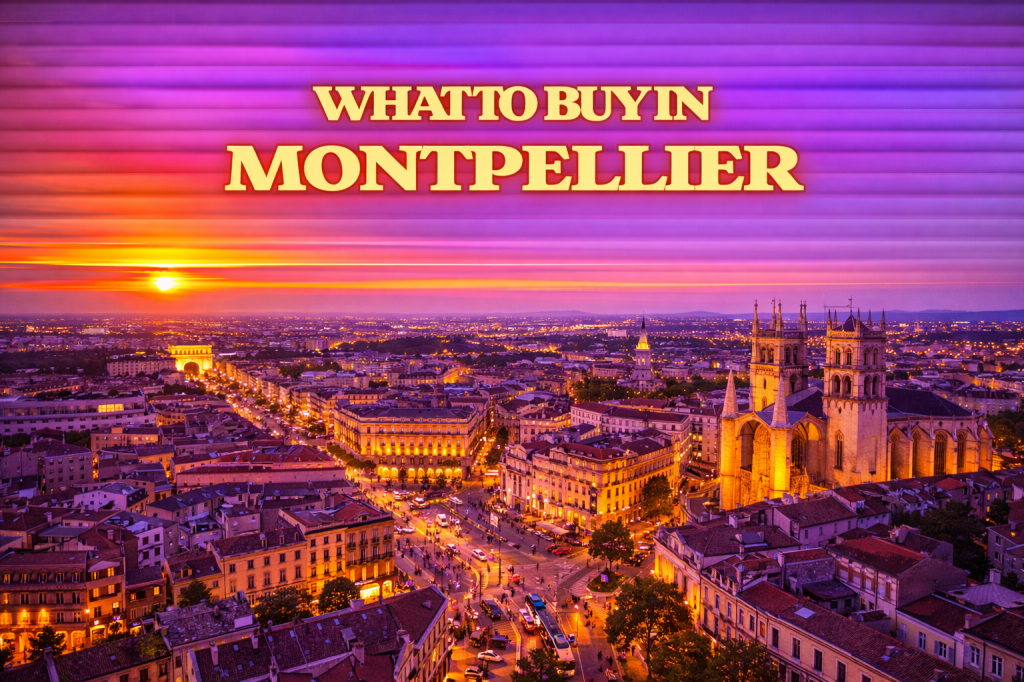
Montpellier mixes old streets, a busy student scene, and a Mediterranean feel. That variety shows in what people sell here — from jars of local olive oil to small handmade ceramics. This guide looks at souvenirs you can find across the city, not just on one shopping street.
Think of these picks as practical keepsakes. They are small enough to pack, connected to the region, and often made or finished nearby.
1. Extra-virgin olive oil
• Why it’s worth buying: Olive oil captures the Mediterranean flavor common around Montpellier. A good bottle lasts and cooks well at home.
• Where to look: Find it at local markets and market stalls for small-batch producers.
• Price range: $8–$30
• How to spot a good one: Look for recent harvest dates, a clear producer name, and dark glass bottles.
• Easy-to-pack tip: Wrap the bottle in clothing and place it in the middle of your suitcase.
2. Dried herbs (herbes de Provence)
• Why it’s worth buying: Dried herb blends are compact and bring regional flavor into everyday cooking. They store well if bought sealed.
• Where to look: Pick them up from central markets or specialty food stalls.
• Price range: $3–$12
• How to spot a good one: Check ingredient lists for specific herbs rather than vague “aromatic herbs.”
• Easy-to-pack tip: Seal packets in a zip-top bag to protect against spills and moisture.
3. A bottle of Languedoc wine
• Why it’s worth buying: Wines from the Languedoc region show local grape varieties and pair well with Mediterranean dishes. Buying local supports nearby vineyards.
• Where to look: Choose from independent shops that curate regional bottles.
• Price range: $10–$40
• How to spot a good one: Look for estate names and specific appellations rather than generic labels.
• Easy-to-pack tip: Use a padded wine sleeve or ship bottles home through shop services.
4. Mediterranean sea salt
• Why it’s worth buying: Sea salt from the coast has mineral notes that differ from table salt. It’s useful in cooking and easy to store.
• Where to look: You can find small batches at food halls or market stalls near the coast.
• Price range: $4–$15
• How to spot a good one: Prefer coarse crystals or fleur de sel with a clear origin on the label.
• Easy-to-pack tip: Put the packet inside a hard tin or container to avoid crushing.
5. Hand-thrown ceramic dish
• Why it’s worth buying: Local potters often make simple, functional pieces that reflect regional glazes. These items work at home for serving or display.
• Where to look: Buy from galleries that represent local ceramists or artisan fairs.
• Price range: $20–$80
• How to spot a good one: Check for even glazing, a stable base, and a potter’s signature or stamp.
• Easy-to-pack tip: Wrap ceramics in bubble wrap and layer them between clothes in your carry-on.
6. Linen textile (table runner or scarf)
• Why it’s worth buying: Linen is common in southern France and often comes in simple, durable weaves. It’s both useful and lightweight.
• Where to look: Browse independent shops that sell regional textiles and home goods.
• Price range: $15–$70
• How to spot a good one: Feel the fabric for strength and look for natural flax fibers rather than synthetic blends.
• Easy-to-pack tip: Fold linen flat to minimize creases and tuck it into suit pockets.
7. Small leather coin pouch
• Why it’s worth buying: Compact leather goods last longer than cheap alternatives and age nicely. A small pouch is practical for travel.
• Where to look: Look in artisan co-ops that feature local leatherworkers.
• Price range: $12–$50
• How to spot a good one: Inspect stitching and check that the leather smells natural, not strongly chemical.
• Easy-to-pack tip: Put leather in a breathable fabric bag to avoid surface marks.
8. Handmade jewelry from local metals or enamel
• Why it’s worth buying: Jewelry from regional makers often uses local motifs and careful hand-finishing. Small pieces are easy to carry.
• Where to look: Find pieces in galleries that show local craft or in curated artisan exhibitions.
• Price range: $25–$150
• How to spot a good one: Look for clean joins, solid clasps, and maker identification on the piece.
• Easy-to-pack tip: Store jewelry in a small padded case inside your hand luggage.
9. Regional sweets and confections
• Why it’s worth buying: Candies, nougat, or similar treats offer a taste of local ingredients and traditions. They make good gifts if kept sealed.
• Where to look: Buy sealed packages at food halls or trusted market vendors.
• Price range: $5–$20
• How to spot a good one: Prefer airtight, labeled packages with ingredient lists and production dates.
• Easy-to-pack tip: Keep sweets in your checked baggage but avoid heat exposure.
10. Local art prints or posters
• Why it’s worth buying: Prints show local scenes or artists and are flatter than many art objects. They make meaningful, lightweight souvenirs.
• Where to look: Check artist galleries and museum galleries that sell works by regional illustrators.
• Price range: $10–$80
• How to spot a good one: Choose prints on quality paper and ask whether they are limited editions.
• Easy-to-pack tip: Roll prints into a tube or keep flat in a portfolio for the flight.
11. Woven straw or reed bag
• Why it’s worth buying: A woven bag feels Mediterranean and is practical for markets or the beach. Natural materials breathe and last.
• Where to look: Browse markets and independent shops selling seasonal accessories.
• Price range: $15–$60
• How to spot a good one: Check tight, even weaving and sturdy handles before buying.
• Easy-to-pack tip: Fold soft bags inside other items, but protect rigid handles from bending.
12. Seafood or stew seasoning mix
• Why it’s worth buying: A local spice mix captures coastal cooking styles and is compact to bring home. It brightens simple dishes.
• Where to look: Find labeled packets at food halls or specialist market stalls.
• Price range: $4–$18
• How to spot a good one: Look for clear ingredient lists and low salt content rather than artificial additives.
• Easy-to-pack tip: Seal spices in a zip-top bag and label them for customs checks.
Quick buying tips for Montpellier
• Carry some cash for small market stalls that prefer euros over cards.
• Haggling is uncommon in shops but may be acceptable politely at markets.
• Wrap fragile purchases in clothing and use padding for checked luggage.
• Ask about shipping options at shops if you don’t want to carry heavy bottles.
• Look for a “made locally” label, maker’s name, or a studio address on tags.
• Pack food and liquids in sealed containers and check airline rules before flying.
Where to shop in Montpellier
Shopping is spread across the compact old center and into newer districts. You’ll find fresh food at markets, craft items in the Écusson old town, and design-oriented goods near modern plazas.
• Place de la Comédie and surrounding streets for small boutiques and accessible souvenirs.
• Écusson (the historic center) for traditional crafts, textiles, and local ateliers.
• Marché des Arceaux for morning food stalls selling olives, cheeses, and herbs.
• Musée Fabre museum shops for art prints, design books, and curated gifts.
• Antigone and nearby modern districts for contemporary design items and stationery.
• Le Lez riverfront and quays for nautical-inspired crafts and seasonal pop-up markets.
• Seasonal craft fairs and weekend artisan markets for direct contact with makers.
What to skip (common tourist traps)
• Mass-produced trinkets sold on crowded squares that lack maker information.
• Unlabeled food jars with no ingredient list or production date visible.
• Cheap “leather” goods that peel quickly because they are synthetic.
• Vague “local” stickers without a producer name or origin details.
• Fragile ceramics without packing options from the seller for travel.
• Overpriced souvenir shops near major tourist points with little local connection.
If you only buy three things
Olive oil — It stores well and shows the region’s cooking style.
A hand-thrown ceramic dish — It’s useful and represents local craftsmanship.
A small art print — It’s lightweight, packable, and captures the city’s look.
FAQ
-
What is Montpellier known for making?
Montpellier is part of a Mediterranean region known for food, wine, and craft traditions. Local makers produce ceramics, textiles, leather items, and small artisanal goods. -
What are the best edible souvenirs from Montpellier?
Choose sealed foods like olive oil, dried herb blends, and packaged sweets or nougat. Wine from the Languedoc region is also a typical edible souvenir if you can pack or ship it. -
Are souvenirs expensive in Montpellier?
Prices vary: market finds and food items can be affordable, while gallery pieces and museum-quality crafts cost more. Shopping at markets and small producers usually offers better value. -
What is the easiest souvenir to pack from Montpellier?
Dried herbs, small prints, and packaged sweets are the easiest to pack and carry. They’re lightweight, unbreakable, and fit into carry-on luggage. -
How do I know if something is truly local?
Look for a maker’s name, an address or studio, and clear ingredient or material lists. Ask the seller where the piece was made and request provenance if you want confirmation.
Tip: Save your receipts, and keep fragile items in your carry-on.
About the Author
Colin is the founder of SouvenirsIdeas.com and a passionate traveller with a soft spot for ceramics, markets, and food tours. He writes practical, first-hand guides to help you bring home souvenirs that actually mean something — not just more clutter!
Let us know in the comments if this has been useful or if you’ve got suggestions we can include
 Souvenir Ideas to Take Home from Every Country and City
Leave a comment