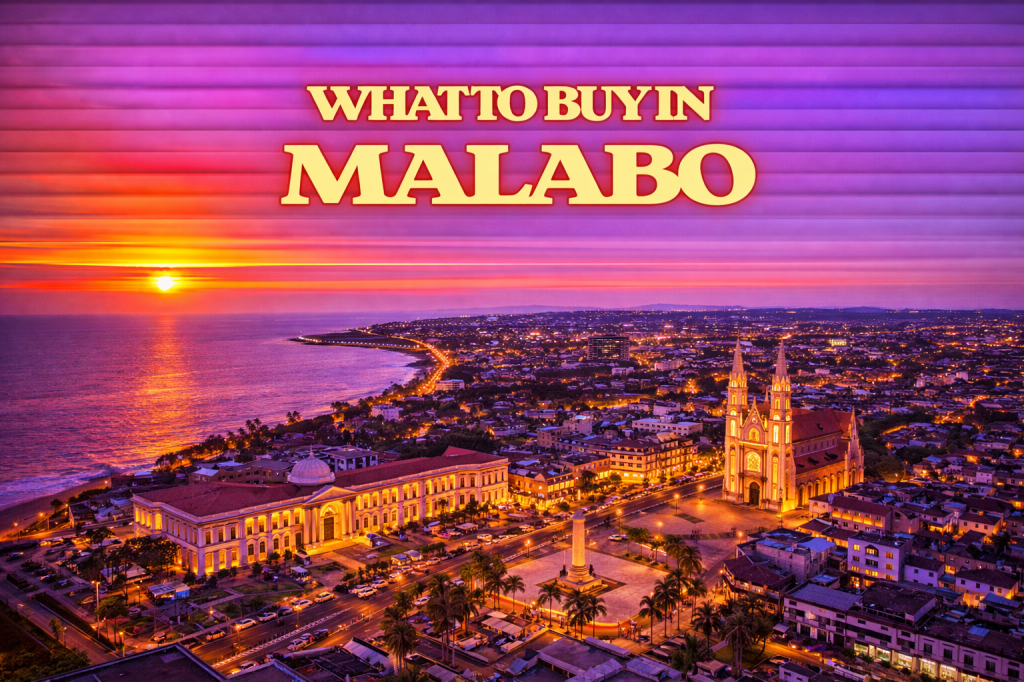
Malabo is a coastal city where markets, craft stalls, and small galleries make it easy to find meaningful souvenirs. Expect items tied to the island’s coastal life and to local craft traditions rather than mass-produced trinkets.
This guide covers goods you can find across Malabo, not one street or store. It focuses on practical buys that travel well and tips to judge quality.
1. Roasted coffee beans
• Why it’s worth buying: Coffee from Bioko has a deep, earthy flavor and makes a useful gift. Freshly roasted beans keep their taste when packaged correctly.
• Where to look: Local food halls and market stalls where packaged beans are sold.
• Price range: $6–$18
• How to spot a good one: Check roast date and look for intact, glossy beans without too many broken pieces.
• Easy-to-pack tip: Put beans in a sealed bag and nestle them inside clothing to protect the bag.
2. Cocoa powder or small chocolate bars
• Why it’s worth buying: Cocoa grown on the island gives a stronger flavor than mass-market chocolate. Small bars or sealed powder make good chef-style gifts.
• Where to look: Central markets that sell packaged local food products.
• Price range: $4–$15
• How to spot a good one: Prefer sealed packaging that lists origin and simple ingredients.
• Easy-to-pack tip: Wrap bars in clothes and place in a hard-sided carry-on.
3. Hand-painted ceramics
• Why it’s worth buying: Small plates and mugs show local designs and traditional glazing techniques. They carry cultural motifs without taking much space.
• Where to look: Artist-run galleries and craft stalls near cultural centers.
• Price range: $12–$60
• How to spot a good one: Look for even glazing, no hairline cracks, and consistent color application.
• Easy-to-pack tip: Wrap each piece in soft layers of clothing and use carry-on space for extra protection.
4. Woven palm baskets or bags
• Why it’s worth buying: Woven items use local palm fibers and make durable, functional souvenirs. They’re light and support traditional weaving techniques.
• Where to look: Community co-ops and market stalls selling handmade goods.
• Price range: $8–$45
• How to spot a good one: Check tightness of the weave and even handles; uneven gaps suggest lower quality.
• Easy-to-pack tip: Flatten bag-style weaves under soft items; stuff baskets with socks to keep shape.
5. Traditional textiles and printed cloth
• Why it’s worth buying: Textiles reflect local patterns and suit many uses, from scarves to table runners. They can be both decorative and practical.
• Where to look: Small independent shops and textile vendors in market areas.
• Price range: $10–$70
• How to spot a good one: Inspect fabric weight, tightness of weave, and colorfastness on a hidden edge.
• Easy-to-pack tip: Roll textiles to save space and reduce creasing in your suitcase.
6. Leather accessories
• Why it’s worth buying: Belts, small wallets, and sandals show simple craftsmanship and last longer than cheap alternatives. They age well with use.
• Where to look: Open-air markets with local artisans and leather stalls.
• Price range: $10–$80
• How to spot a good one: Smell the leather and check stitching; real leather has natural texture and tight seams.
• Easy-to-pack tip: Place leather goods in shoe-space and avoid crushing them under heavy items.
7. Handmade jewelry
• Why it’s worth buying: Beaded necklaces and small silver pieces often come from local makers and make compact keepsakes. They show local materials and styles.
• Where to look: Craft galleries and small independent stalls near cultural sites.
• Price range: $7–$90
• How to spot a good one: Look for secure clasps, consistent beadwork, and sturdy wire or thread.
• Easy-to-pack tip: Keep jewelry in a small pouch and carry it in your hand luggage.
8. Sea salt or flavored salt blends
• Why it’s worth buying: Sea salt captures coastal flavors and can be used in cooking back home. Small jars are practical and long-lasting.
• Where to look: Small independent food shops or market food stalls selling packaged goods.
• Price range: $3–$12
• How to spot a good one: Prefer labeled, sealed jars with ingredient lists rather than loose, unpackaged salt.
• Easy-to-pack tip: Wrap jars in bubble wrap or clothing and mark them for carry-on if fragile.
9. Natural soaps and palm-oil based toiletries
• Why it’s worth buying: Locally made soaps use regional oils and botanicals and often have simple, natural ingredients. They are useful and lightweight.
• Where to look: Co-ops and community stalls that feature handmade personal-care items.
• Price range: $2–$10
• How to spot a good one: Choose soaps with short ingredient lists and no unclear chemical additives.
• Easy-to-pack tip: Put soaps in a sealed plastic bag to prevent moisture contact.
10. Small wood carvings
• Why it’s worth buying: Carved figurines or utensils reflect local carving styles and make decorative, conversation-starting pieces. They often show good handwork.
• Where to look: Open-air market stalls that display local artisan work.
• Price range: $5–$50
• How to spot a good one: Smooth finishes, tight joints, and consistent carving depth indicate care.
• Easy-to-pack tip: Wrap pieces in clothing and place them where they won’t shift in transit.
11. Local artist prints and postcards
• Why it’s worth buying: Prints capture city scenes or architecture and are easy to frame at home. They are affordable and lightweight.
• Where to look: Small galleries and museum gift sections that stock artist editions.
• Price range: $2–$25
• How to spot a good one: Choose signed or clearly credited prints and check paper quality.
• Easy-to-pack tip: Slide prints into a flat folder or between cardboard to avoid bending.
12. Sealed spice mixes or sauces
• Why it’s worth buying: Local spice blends and bottled sauces let you recreate island flavors at home. Sealed containers remain safe for travel.
• Where to look: Local food halls and market food vendors selling packaged condiments.
• Price range: $4–$18
• How to spot a good one: Prefer sealed jars with ingredient lists and a production or packing date.
• Easy-to-pack tip: Pack liquids in checked luggage if over carry-on limits, well-sealed and cushioned.
Quick buying tips for Malabo
• Carry small bills; many stalls prefer cash, but cards work in larger shops.
• Try light haggling (only if generally appropriate) at open-air market stalls.
• Wrap ceramics in clothing and mark them fragile before putting in checked luggage.
• Ask vendors about shipping; some offer export service for larger items at market.
• Look for artisan names, material origin, or workshop addresses to confirm made locally.
• Pack liquids under 100ml in carry-on and vacuum-sealed foods in checked bags.
Where to shop in Malabo
Shopping is spread across market areas, the old colonial center, and a few cultural sites. Markets carry everyday goods and packaged foods, while galleries and museum shops offer higher-quality crafts and prints.
- Malabo Central Market — find spices, packaged coffee, small textiles, and everyday craft pieces.
- Old colonial district around the cathedral — small galleries and stalls selling prints and traditional crafts.
- Waterfront promenade and nearby fish market — sea salt, preserved seafood items, and nautical-style crafts.
- National Museum area — museum shop items, historical prints, and quality reproductions.
- Weekend craft fairs in public squares — rotating stalls from local makers with jewelry and textiles.
- Main shopping streets in the city center — leather accessories, packaged foods, and practical souvenirs.
- Community co-op stalls around market complexes — soaps, woven baskets, and co-op-labeled goods.
What to skip (common tourist traps)
- Cheap plastic trinkets labeled as “local” when clearly mass-produced elsewhere; they wear out quickly.
- Items without ingredient or origin labeling, especially food, since origin affects quality and safety.
- Heavy decorative pieces that are expensive to ship and likely to be damaged in transit.
- Jewelry with vague metal descriptions; pieces without hallmarks may not be what they claim.
- Unsolicited offers to ship goods without written receipts or clear costs; scams can happen.
- Overpriced items in airport souvenir stores that mirror market goods at higher cost.
If you only buy three things
Coffee beans — compact, widely available, and a reliable taste of the island.
Hand-painted ceramics — show local craft techniques and make useful keepsakes.
Woven palm bag — lightweight, practical, and made from local materials.
FAQ
What is Malabo known for making?
Malabo and Bioko Island are known for small-scale agricultural products like cocoa and coffee. Crafts include woven baskets, wood carving, and textiles reflecting local and colonial-era influences.
What are the best edible souvenirs from Malabo?
Packaged coffee, cocoa products, and sealed spice mixes are the top edible choices. They travel well when sealed and give a real taste of local ingredients.
Are souvenirs expensive in Malabo?
Prices vary widely: market goods are generally affordable, while gallery pieces cost more. Bargaining is common at markets, and fixed prices appear in museum or gallery shops.
What is the easiest souvenir to pack from Malabo?
Small sealed food items, prints, or jewelry are the simplest to pack. They’re light, compact, and less fragile than ceramics or large woodwork.
How do I know if something is truly local?
Ask for maker names, note workshop addresses, and check for simple co-op or artisan labels. Vendors who can describe materials and production methods usually offer more reliable local goods.
Tip: Save your receipts, and keep fragile items in your carry-on.
About the Author
Colin is the founder of SouvenirsIdeas.com and a passionate traveller with a soft spot for ceramics, markets, and food tours. He writes practical, first-hand guides to help you bring home souvenirs that actually mean something — not just more clutter!
Let us know in the comments if this has been useful or if you’ve got suggestions we can include

 Souvenir Ideas to Take Home from Every Country and City
Leave a comment