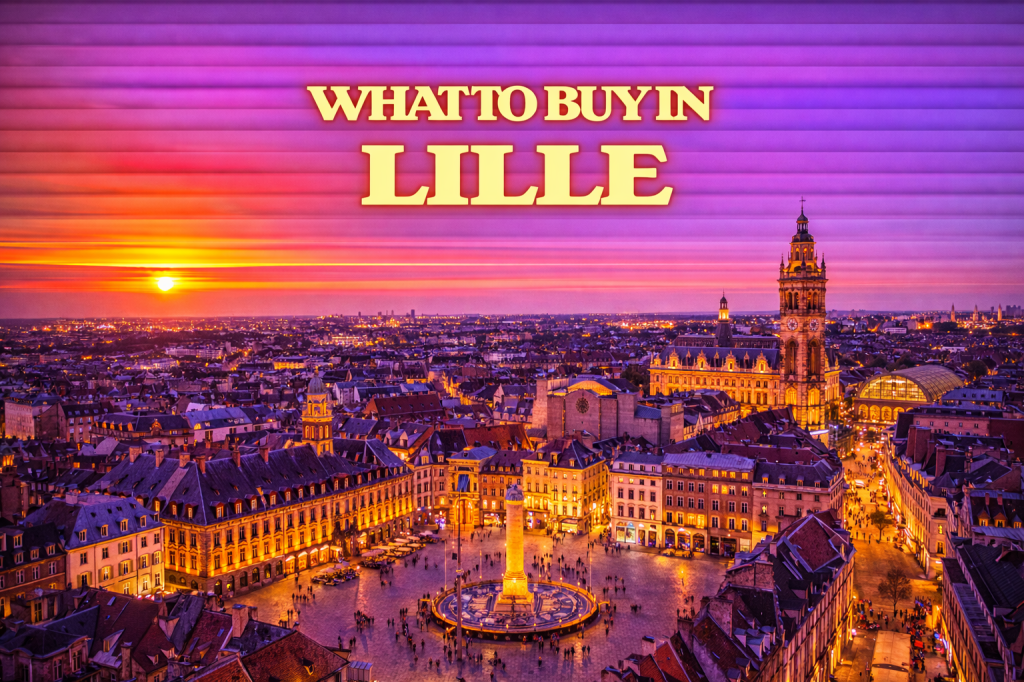
Lille is a city with a long craft and food history, so shopping here mixes practical goods and handmade pieces. You can find small, locally made items alongside well-made regional foods that travel well.
This guide looks at souvenirs you can actually buy across the city, not just on one street or in a single shop. It aims to help you pick things that pack neatly, last the trip home, and feel genuinely local.
1. Gaufre (waffle) mix
• Why it’s worth buying: Mixes capture the city’s famous waffle flavor without the day-old risk. They let you make fresh gaufres at home easily.
• Where to look: Find packaged mixes at markets and specialty food counters across town.
• Price range: $4–$12
• How to spot a good one: Look for simple ingredient lists and a producer or bakery name printed.
• Easy-to-pack tip: Put the packet inside your suitcase inner pocket or a sealed plastic bag.
2. Regional biscuits and spéculoos
• Why it’s worth buying: Spéculoos are a crisp, spiced biscuit tied to the region’s pantry traditions. They travel well and stay crunchy for days.
• Where to look: Sold in independent shops that focus on regional sweets and packaged goods.
• Price range: $5–$18
• How to spot a good one: Firmer texture and clear spice notes usually mean better quality.
• Easy-to-pack tip: Cushion boxes between clothing and keep them upright to avoid crushing.
3. Artisanal mustard
• Why it’s worth buying: Small-batch mustards show local flavor choices and pair well with many dishes. They make a compact, useful souvenir.
• Where to look: You’ll find well-made jars in food halls and gourmet counters.
• Price range: $6–$20
• How to spot a good one: Check for natural ingredients and a visible producer name on the label.
• Easy-to-pack tip: Wrap the jar in a folded shirt and put it in a sealed bag for flights.
4. Bottled local beer
• Why it’s worth buying: Lille-area breweries produce distinctive farmhouse- and amber-style beers worth tasting again. Bottled examples preserve that flavor.
• Where to look: Check co-ops and specialty bottle shops for regional labels.
• Price range: $3–$10 per bottle, $12–$30 for mixed packs
• How to spot a good one: Look for bottling dates and brewery contact details on the label.
• Easy-to-pack tip: Use bubble wrap and place bottles in the center of checked luggage or ship them.
5. Chicory coffee and chicory-based products
• Why it’s worth buying: Chicory has a local history as a coffee alternative and gives a different roast profile at home. It’s lightweight and shelf-stable.
• Where to look: Pick up sealed tins or packets at markets and food cooperatives.
• Price range: $6–$20
• How to spot a good one: Airtight packaging and a clear roast or blend description indicate freshness.
• Easy-to-pack tip: Keep packets sealed and place them in a carry-on if you’re worried about breakage.
6. Handmade ceramics
• Why it’s worth buying: Potters in the region create functional mugs and small bowls with individual glazes. They make lasting, useful gifts.
• Where to look: Browse ceramics in galleries and artisan workshops around the old town.
• Price range: $20–$120
• How to spot a good one: A smooth glaze finish, a maker’s stamp, and even weight signal craftsmanship.
• Easy-to-pack tip: Wrap each piece in clothing and place in the middle of your luggage.
7. Flemish-style linen and tea towels
• Why it’s worth buying: Linen goods reflect the region’s textile history and are practical at home. They’re light and easy to care for.
• Where to look: Find woven linens at co-ops and textiles stalls in local markets.
• Price range: $15–$80
• How to spot a good one: Tight weave, natural fibers, and clear care labels mean higher quality.
• Easy-to-pack tip: Roll linens to save space and to protect fragile items in your bag.
8. Small leather accessories
• Why it’s worth buying: Hand-stitched cardholders or key fobs offer durable, everyday use and age well. They’re compact and practical.
• Where to look: Look in independent shops selling locally made accessories.
• Price range: $25–$150
• How to spot a good one: Check edge finishing, tight stitching, and full-grain leather notes.
• Easy-to-pack tip: Slip leather items into a shoe or a corner pocket to avoid bending.
9. Local art prints and posters
• Why it’s worth buying: Prints show local scenes or contemporary artist work and pack flat for travel. They make good gifts or framed mementos.
• Where to look: Seek prints at galleries and museum shops that feature regional artists.
• Price range: $10–$60
• How to spot a good one: Acid-free paper and an artist signature or edition number indicate quality.
• Easy-to-pack tip: Carry flat in a portfolio or tube, or buy a protective cardboard backing.
10. Handmade jewelry
• Why it’s worth buying: Small silver or mixed-metal pieces often reflect local motifs and are lightweight to carry. They elevate everyday outfits.
• Where to look: Find artisan jewelry in galleries and craft-focused boutiques.
• Price range: $30–$250
• How to spot a good one: Look for hallmarks, solder quality, and consistent finishes.
• Easy-to-pack tip: Keep jewelry in a padded pouch inside your carry-on.
11. Brasserie glassware and drinkware
• Why it’s worth buying: Branded beer glasses and ceramic cups celebrate local breweries and are useful at home. They show off regional designs.
• Where to look: Purchase drinking vessels in food halls and brewery display areas.
• Price range: $8–$50
• How to spot a good one: Thick glass, clear logos, and even rims suggest durable pieces.
• Easy-to-pack tip: Wrap glasses in bubble wrap and store near the suitcase center.
12. Hand-forged metal tools or bottle openers
• Why it’s worth buying: Simple metal pieces show local blacksmithing skills and last a lifetime. They’re compact and practical souvenirs.
• Where to look: Check out metalwork offerings in galleries or artisan markets.
• Price range: $15–$90
• How to spot a good one: Solid weight, smooth edges, and a maker’s mark point to quality.
• Easy-to-pack tip: Wrap metal items separately to protect surrounding goods from scratches.
Quick buying tips for Lille
• Carry small bills; many market stalls accept only cash and no card reader.
• Use a card in established shops, but expect a minimum or occasional surcharge.
• Haggling works at flea markets like the Braderie, so offer a polite lower price.
• Wrap fragile ceramics and glass in clothing, then place them in carry-on luggage.
• Many vendors can ship larger purchases; ask about insurance and export paperwork options.
• Liquids and food need sealed packaging or checked-bag rules; check airline limits.
Where to shop in Lille
Shopping is spread across several parts of the city, from the old town’s craft streets to busy markets and seasonal fairs. For souvenirs, focus on market days, museum-area galleries, and the food halls where local producers gather.
- Vieux-Lille (Old Town) for artisan studios, ceramics, and fashion accessories in historic streets.
- Wazemmes Market for bulk food items, spices, baked goods, and everyday textiles.
- Grand-Place and surrounding streets for smaller souvenir stalls and central gift shopping.
- Braderie de Lille (annual flea market) for antiques, vintage posters, and bargain finds.
- Museum and gallery areas near the Palais des Beaux-Arts for curated prints and design objects.
- Food halls and indoor markets for packaged foods, condiments, and regional specialties.
- Euralille and the station district for modern design shops and travel-friendly gift items.
What to skip (common tourist traps)
- Plastic keychains and generic trinkets sold near major squares; they are mass-produced.
- Unlabeled ‘local handmade’ items that lack maker names or production details.
- Cheap textiles with no fiber content label; they often fade or pill quickly.
- Chocolates displayed without temperature control; they may melt and lose texture.
- Imitation antiques at the Braderie that lack provenance or clear condition descriptions.
- Perfume or cosmetics without ingredient lists, which can cause reactions or be counterfeit.
If you only buy three things
Handmade ceramics — useful, locally made, and a clear craft purchase.
Spéculoos or biscuits — lightweight, regional flavor that travels well.
A small leather accessory — durable, practical, and easy to pack.
FAQ
-
What is Lille known for making?
Lille is known for textiles, artisanal food products, and regional craftwork. The area has long textile and pottery traditions that still influence local makers today. -
What are the best edible souvenirs from Lille?
Choose sealed items like spéculoos, gourmet mustards, chicory powder, and bottled beer. These store well and reflect local flavors without immediate spoilage. -
Are souvenirs expensive in Lille?
Prices range from inexpensive market treats to higher-cost handmade goods. Expect modest prices for food items and higher ones for handcrafted ceramics or jewelry. -
What is the easiest souvenir to pack from Lille?
Packaged biscuits, chicory packets, or printed posters are simplest to transport. They are lightweight, flat, and unlikely to break. -
How do I know if something is truly local?
Look for a maker’s name, a “made locally” label, ingredient lists, or artisan stamps. Ask sellers where materials come from and whether the object was produced nearby.
Tip: Save your receipts, and keep fragile items in your carry-on.
About the Author
Colin is the founder of SouvenirsIdeas.com and a passionate traveller with a soft spot for ceramics, markets, and food tours. He writes practical, first-hand guides to help you bring home souvenirs that actually mean something — not just more clutter!
Let us know in the comments if this has been useful or if you’ve got suggestions we can include
 Souvenir Ideas to Take Home from Every Country and City
Leave a comment