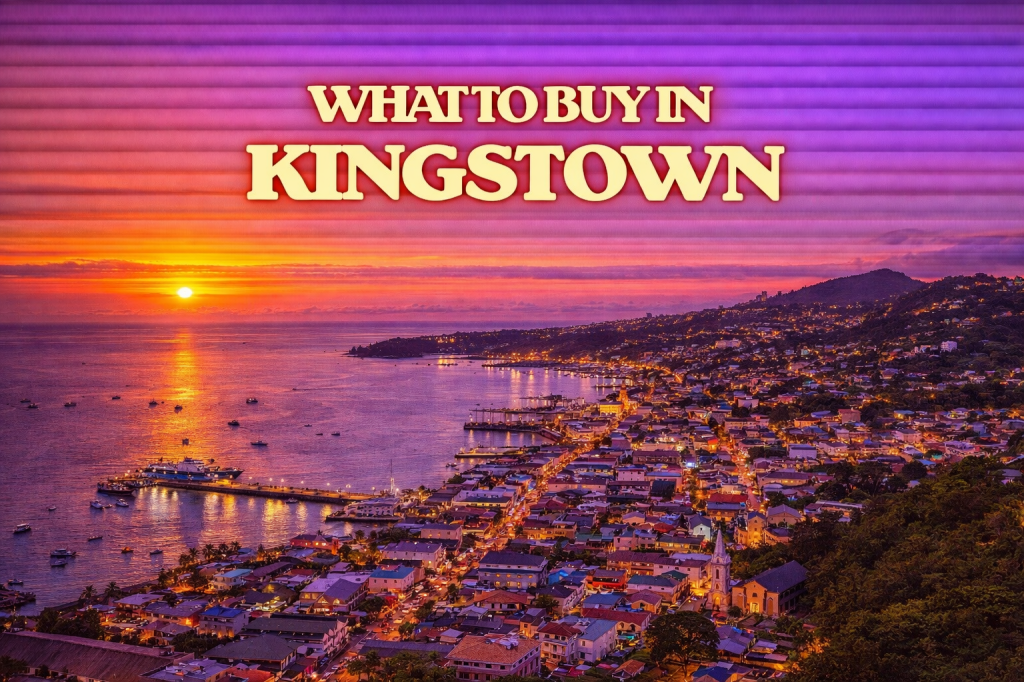
Kingstown, the capital of Saint Vincent and the Grenadines is a good place to look for souvenirs that reflect island life and local craft. The market stalls, small shops, and the waterfront each offer different kinds of items, from food and spices to handcrafted wares. This guide covers things you can find across the city, not a single shop or street.
1. Bottled local rum
• Why it’s worth buying: Local rum is made from regional sugarcane and often comes with a clear island character. A bottle can remind you of local recipes and evenings by the harbor.
• Where to look: independent shops that specialize in spirits and regional products.
• Price range: $15–$60
• How to spot a good one: Choose bottles with an origin label naming the distillery or island region.
• Easy-to-pack tip: Put the bottle in a sealed plastic bag and wrap with clothing inside your checked luggage.
2. Cocoa chocolate bars
• Why it’s worth buying: Cocoa from local growers is often turned into small-batch bars with simple ingredients. They capture regional flavors better than mass-produced chocolate.
• Where to look: local markets where artisanal food stalls sell packaged sweets.
• Price range: $4–$12
• How to spot a good one: Look for short ingredient lists and a clear maker’s name on the wrapper.
• Easy-to-pack tip: Cushion bars between clothes in your carry-on to avoid melting and breakage.
3. Hot pepper sauce
• Why it’s worth buying: Hot sauces here use local peppers and spices for a distinct flavor you won’t find at home. Bottled sauces are great for gifting and everyday use.
• Where to look: food halls where local producers sell condiments and sauces.
• Price range: $3–$10
• How to spot a good one: Check for a production date and a listed ingredient panel to ensure freshness.
• Easy-to-pack tip: Seal the cap with plastic wrap before screwing the lid closed to prevent leaks.
4. Packaged spice blends
• Why it’s worth buying: Blends combine spices used in local cooking so you can recreate island dishes at home. Small packets keep the aromas fresh and travel-ready.
• Where to look: open-air markets where spice vendors arrange their blends.
• Price range: $2–$8
• How to spot a good one: Prefer blends with whole spices or visible herbs over fine gray powders.
• Easy-to-pack tip: Put packets in a zip-top bag to contain any accidental spills.
5. Sea salt harvested locally
• Why it’s worth buying: Sea salt from nearby waters carries subtle mineral notes different from table salt. It’s useful in cooking or as a simple gift.
• Where to look: independent shops selling regional food items and condiments.
• Price range: $5–$15
• How to spot a good one: Choose jars that list harvesting information or the salt’s origin.
• Easy-to-pack tip: Keep salt in its original sealed container inside a padded bag.
6. Woven straw bag
• Why it’s worth buying: Handwoven bags use local natural fibers and are functional for beach days or markets. They represent practical island craft.
• Where to look: co-ops where artisans sell woven goods and textiles.
• Price range: $12–$45
• How to spot a good one: Check tight, even weaving and secure handles to ensure durability.
• Easy-to-pack tip: Fill the bag with soft items and lay it flat to save space and keep its shape.
7. Handmade ceramics
• Why it’s worth buying: Ceramics made by local potters often use regional clay and simple glazes. Mugs or bowls are useful, decorative, and show a maker’s hand.
• Where to look: galleries that represent local ceramic artists.
• Price range: $15–$80
• How to spot a good one: Inspect the base for a potter’s mark and check for a smooth glaze finish without cracks.
• Easy-to-pack tip: Wrap each piece in clothing and put in the center of your checked bag for cushion.
8. Seed-bead necklaces and jewelry
• Why it’s worth buying: Jewelry made from local beads and materials reflects island color palettes and craft techniques. Small pieces are easy to pack and gift.
• Where to look: art galleries that display wearable crafts by local designers.
• Price range: $8–$60
• How to spot a good one: Look for secure clasps and knots, consistent bead quality, and an artist label if possible.
• Easy-to-pack tip: Place necklaces flat in a small jewelry pouch to avoid tangles.
9. Hand-carved wooden pieces
• Why it’s worth buying: Small carvings show local woodcraft and make for memorable desk or shelf pieces. They often use sustainably sourced local wood.
• Where to look: artist co-ops where carvers sell directly to visitors.
• Price range: $10–$70
• How to spot a good one: Choose carvings with smooth finishes and no loose chips or splinters.
• Easy-to-pack tip: Wrap in soft clothing and place in the middle of your luggage for protection.
10. Natural soaps and coconut skincare
• Why it’s worth buying: Soaps and body products often use local ingredients like coconut oil and herbs. They are lightweight and practical to use or gift.
• Where to look: indoor food halls that include stalls for artisanal personal-care products.
• Price range: $3–$12
• How to spot a good one: Prefer bars with ingredient lists you recognize and no harsh chemical names.
• Easy-to-pack tip: Keep sealed soaps in a zip-top bag to prevent scent transfer.
11. Block-printed or hand-printed textiles
• Why it’s worth buying: Small printed cloths or bandanas showcase regional patterns and printing techniques. They’re versatile for home use or wear.
• Where to look: central markets where textile vendors display printed fabrics.
• Price range: $6–$40
• How to spot a good one: Inspect the print for consistency and natural-fiber fabric like cotton or linen.
• Easy-to-pack tip: Roll textiles tightly to save space and avoid creases.
12. Postcards, prints, and small local art prints
• Why it’s worth buying: Prints capture local scenes or artist styles at a low cost and pack very easily. They’re simple to frame or store in a scrapbook.
• Where to look: small independent shops that stock local stationery and artwork.
• Price range: $1–$25
• How to spot a good one: Choose prints on heavier paper and ask if the artist signed or numbered the piece.
• Easy-to-pack tip: Slide prints into a rigid folder or between cardboard to prevent bending.
Quick buying tips for Kingstown
• Carry some cash; small vendors may prefer it over card payments.
• Ask politely about prices; light haggling can be appropriate at market stalls.
• Wrap fragile purchases in clothing and place them at your suitcase center.
• Many vendors can ship larger items; confirm packing and costs before buying.
• Look for labels stating “made locally” and a maker’s name or address.
• Pack liquids and food in sealed bags and check airline liquid rules.
Where to shop in Kingstown
Shopping spreads across the central market, the downtown streets, and the waterfront. Look for markets for food and textiles, small shops for crafted goods, and museum or gallery areas for prints and pottery.
• Kingstown Market — central market stalls selling spices, produce, textiles, and packaged foods.
• Bay Street and downtown shopping strip — independent shops offering jewelry, postcards, and clothing.
• Kingstown Waterfront and harbor area — stalls and vendors selling nautical crafts, woven items, and salt.
• National Museum area and cultural centers — museum shops with books, prints, and locally themed gifts.
• Weekend craft stalls and seasonal fairs — temporary markets where artisans sell woodwork, jewelry, and textiles.
• Central market halls near major bus stops — easy place to find packaged foods, sauces, and spices.
What to skip (common tourist traps)
• Cheap mass-produced T-shirts with generic island slogans; the fabric and print quality is poor.
• Unlabeled “local” products without a maker’s name; they may be repackaged imports.
• Plastic trinkets sold only at cruise-ship kiosks; they often break quickly and lack craft value.
• Fragile large ceramics sold without proper packing; shipping costs can exceed the item’s value.
• Bottles of “homemade” liquids without ingredient labels; airline rules and customs can cause problems.
• Items with identical designs in many shops; replicated goods are likely mass-produced.
If you only buy three things
Bottled local rum — compact, representative, and useful at home for cooking or sipping.
Packaged spice blends — easy to carry and bring local cooking flavors back with you.
Handmade ceramics (a mug or small bowl) — small, practical, and shows a local craft tradition.
FAQ
- What is Kingstown known for making?
Kingstown is known for island foods, rum, and traditional handcrafts. Local artisans produce woven goods, carved wood items, and small-batch ceramics. - What are the best edible souvenirs from Kingstown?
Packaged spice blends, cocoa chocolate bars, and bottled hot pepper sauce travel well and show local flavors. Sea salt and rum are also popular edible or drinkable choices. - Are souvenirs expensive in Kingstown?
Prices vary widely; market stalls tend to be cheaper than gallery pieces. Handcrafted items cost more but reflect time and materials used. - What is the easiest souvenir to pack from Kingstown?
Postcards, prints, and small textiles are the easiest to pack because they are lightweight and flat. They fit into carry-ons with minimal risk. - How do I know if something is truly local?
Look for a maker’s name, an origin label, or a production location listed on the package. Ask vendors how and where items were made, and prefer pieces with visible maker marks.
Tip: Save your receipts, and keep fragile items in your carry-on.
About the Author
Colin is the founder of SouvenirsIdeas.com and a passionate traveller with a soft spot for ceramics, markets, and food tours. He writes practical, first-hand guides to help you bring home souvenirs that actually mean something — not just more clutter!
Let us know in the comments if this has been useful or if you’ve got suggestions we can include

 Souvenir Ideas to Take Home from Every Country and City
Leave a comment