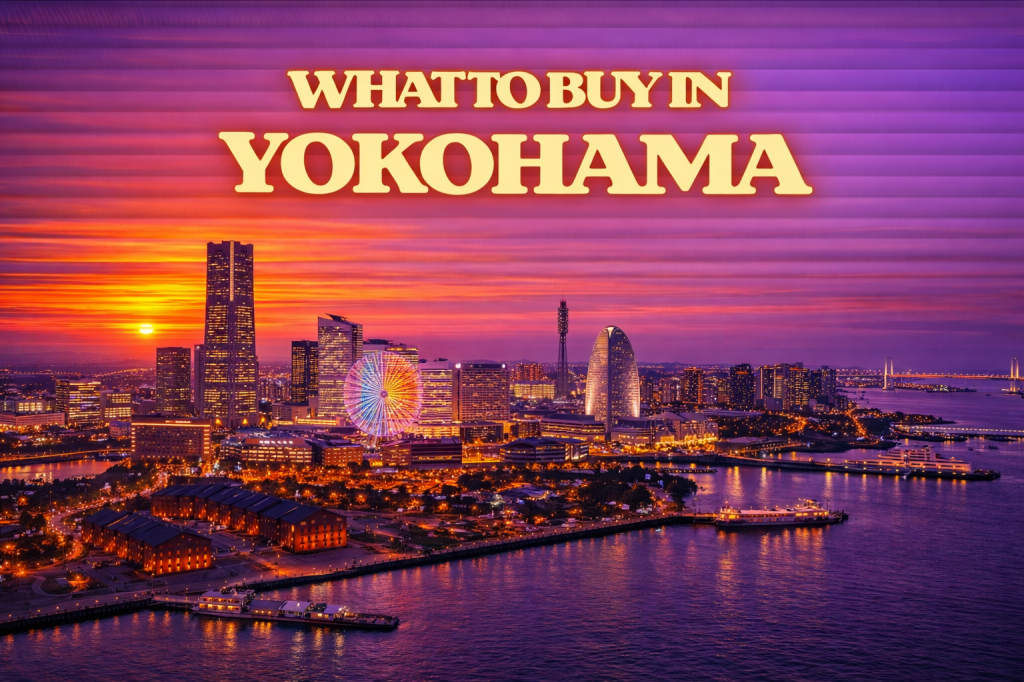
Yokohama mixes port history, local craft, and food culture, so shopping here can be practical and interesting. This guide looks at souvenirs you can actually use or eat, not a single street or store. It focuses on items you’ll find across the city.
Some things are easy to pack, others need a little care. Read the quick tips and local shopping areas to plan what to buy and where to look.
1. Local sea salt
• Why it’s worth buying: Sea salt captures the flavor of Tokyo Bay and is useful in cooking. It often comes in small jars or pouches made for travel.
• Where to look: Check markets or food halls that sell regional specialties.
• Price range: $6–$18
• How to spot a good one: Look for simple ingredient lists and a listed harvesting location.
• Easy-to-pack tip: Put the sealed pouch in a zip bag to prevent leaks inside luggage.
2. Ramen soup base packets
• Why it’s worth buying: Yokohama has a long ramen tradition; soup bases recreate local flavors at home. They are concentrated and store well.
• Where to look: Find them in food halls and markets that sell packaged foods.
• Price range: $4–$15
• How to spot a good one: Prefer packets with clear broth descriptions and no vague additives.
• Easy-to-pack tip: Pack in checked baggage or carry them in a resealable plastic bag.
3. Artisan soy sauce or seasoning bottle
• Why it’s worth buying: Smaller-batch soy sauces and condiments offer deeper flavors than supermarket brands. They make good gifts for cooks.
• Where to look: Independent shops and specialty food stalls often carry local producers.
• Price range: $8–$30
• How to spot a good one: Check for producer name, natural fermentation notes, or short ingredient lists.
• Easy-to-pack tip: Wrap the bottle in clothing and place it in the center of your suitcase.
4. Dashi packs and furikake
• Why it’s worth buying: Dashi or furikake brings home an easy way to add Japanese umami to meals. They are lightweight and nonperishable.
• Where to look: Look in markets selling dried foods or in food halls with packaged cooking supplies.
• Price range: $3–$12
• How to spot a good one: Choose packs listing ingredients like bonito, kelp, or sesame with clear percentages.
• Easy-to-pack tip: Keep packets flat in your carry-on to avoid crushing.
5. Small ceramic cups (sake or tea)
• Why it’s worth buying: A handcrafted cup is useful and reflects local pottery styles. Small pieces show maker skill without taking much space.
• Where to look: Galleries and independent shops often stock locally made ceramics.
• Price range: $15–$70
• How to spot a good one: Smooth glaze, even thickness, and a maker’s stamp or sticker indicate quality.
• Easy-to-pack tip: Wrap each cup in soft clothing and carry it in your hand luggage.
6. Tenugui (printed cotton towel)
• Why it’s worth buying: Tenugui are versatile: use them as cloths, scarves, or gift wrap. They showcase local patterns and art.
• Where to look: Independent shops and markets selling textiles or crafts carry a good range.
• Price range: $8–$25
• How to spot a good one: Look for tight, even prints and natural cotton that holds color.
• Easy-to-pack tip: Fold it flat into your suitcase; it doubles as soft padding for fragile items.
7. Small leather coin pouch
• Why it’s worth buying: Compact leather goods age well and serve a practical purpose for daily use. They are easy to slip into a pocket.
• Where to look: Independent shops and galleries that specialize in crafts often sell small leather items.
• Price range: $20–$60
• How to spot a good one: Check neat stitching, solid hardware, and thick, evenly dyed leather.
• Easy-to-pack tip: Carry it in your hand luggage to avoid squishing.
8. Handmade metal charm or jewelry
• Why it’s worth buying: Local makers often create small, wearable pieces that reflect city motifs. A tiny charm is low-risk to bring home.
• Where to look: Galleries and independent shops showcasing local artisans are good sources.
• Price range: $12–$90
• How to spot a good one: Inspect soldering points and clasp durability; prefer recognized maker marks.
• Easy-to-pack tip: Store in a small padded pouch in your carry-on.
9. Designer stationery or notebooks
• Why it’s worth buying: Yokohama designers produce minimalist notebooks and cards that suit everyday use. They make functional, lightweight gifts.
• Where to look: Independent shops and galleries selling design goods carry local stationery.
• Price range: $5–$30
• How to spot a good one: Quality paper weight and neat binding are good signs.
• Easy-to-pack tip: Slip flat pieces into a folder inside your carry-on to prevent bending.
10. Local art prints or postcards
• Why it’s worth buying: Prints capture local scenes or contemporary design without taking much space. Postcards are inexpensive mementos.
• Where to look: Galleries and markets where artists sell directly work well for originals.
• Price range: $3–$50
• How to spot a good one: Check for artist signature, print type, and paper quality.
• Easy-to-pack tip: Place prints between two pieces of cardboard to keep them flat.
11. Woven straw or fabric bag
• Why it’s worth buying: Light woven bags are useful for shopping and reflect coastal craft traditions. They fold up for travel.
• Where to look: Markets and independent shops that sell textiles and summer goods often stock them.
• Price range: $12–$45
• How to spot a good one: Inspect tight weaving, secure handles, and reinforced seams.
• Easy-to-pack tip: Stuff with soft items to maintain shape and protect edges.
12. Packaged local sweets
• Why it’s worth buying: Individually wrapped sweets last well and make easy gifts back home. They often include regional flavors.
• Where to look: Food halls and markets that specialize in local confectionery will have many options.
• Price range: $5–$25
• How to spot a good one: Choose sealed packages with clear ingredient lists and production dates.
• Easy-to-pack tip: Keep sweets in carry-on if they are fragile or temperature sensitive.
Quick buying tips for Yokohama
• Carry some cash; small stalls and markets sometimes prefer cash over cards.
• Haggling is rarely appropriate; polite fixed prices are the norm for most sellers.
• Wrap fragile ceramics in clothing and place them inside your carry-on for protection.
• Many shops offer shipping services for larger items; ask staff about packing and rates.
• Look for maker names, stamps, or handwritten tags as clues that it’s made locally.
• Liquids and sauces must follow airline rules; pack them in checked luggage or ship.
Where to shop in Yokohama
Shopping spreads around several distinct areas, from the waterfront to long-standing shopping streets. Museums, market halls, and historic districts each tend to specialize in different kinds of souvenirs.
• Minato Mirai for contemporary design shops, department-store selections, and packaged foods.
• Motomachi Shopping Street for leather goods, clothing, and small craft makers.
• Yokohama Chinatown for Chinese-style sweets, spices, and specialty packaged foods.
• Red Brick Warehouse (Aka-renga) for seasonal craft fairs, local designers, and event stalls.
• Yamashita Park and Nihon Odori waterfront stalls for maritime-themed gifts and postcards.
• Yokohama Central Wholesale Market for dried seafood, fisheries products, and cooking ingredients.
• Areas around museums and cultural centers for higher-end ceramics, prints, and gallery pieces.
What to skip (common tourist traps)
• Cheap plastic trinkets labeled “authentic” without maker or origin information; quality is low.
• Mass-produced “local” shirts that are printed overseas and lack any artisan connection.
• Heavily scented souvenirs that mask poor-quality materials or cheap dyes.
• Imitation antiques sold without provenance; age and maker marks are missing.
• Bulky, fragile ceramics bought without checking packing or shipping options first.
• Loose labeling claiming “handmade” when details about the maker or workshop are absent.
If you only buy three things
Small ceramic cup — useful and reveals local craft skill.
Packaged sweets — lightweight, shareable, and easy to pack.
Local sea salt — compact, travel-friendly, and good for cooking.
FAQ
-
What is Yokohama known for making?
Yokohama is known for food-related products, maritime items, and crafts reflecting its port history. Local makers produce ceramics, leather goods, and small design objects. -
What are the best edible souvenirs from Yokohama?
Pick packaged sweets, ramen soup bases, dashi, or bottled condiments that travel well. Look for sealed packaging with clear ingredient and production dates. -
Are souvenirs expensive in Yokohama?
Prices vary from inexpensive postcards to pricier handmade ceramics and leather goods. You can find affordable items at markets and higher-end pieces in galleries. -
What is the easiest souvenir to pack from Yokohama?
Paper goods like postcards, prints, or stationery are the easiest to pack and carry home undamaged. They take up little space and usually don’t need special handling. -
How do I know if something is truly local?
Check for a maker’s name, a neighborhood or workshop reference, and details about materials or production. Ask where it was made and look for small-batch or artisan labels.
Tip: Save your receipts, and keep fragile items in your carry-on.
About the Author
Colin is the founder of SouvenirsIdeas.com and a passionate traveller with a soft spot for ceramics, markets, and food tours. He writes practical, first-hand guides to help you bring home souvenirs that actually mean something — not just more clutter!
Let us know in the comments if this has been useful or if you’ve got suggestions we can include

 Souvenir Ideas to Take Home from Every Country and City
Leave a comment