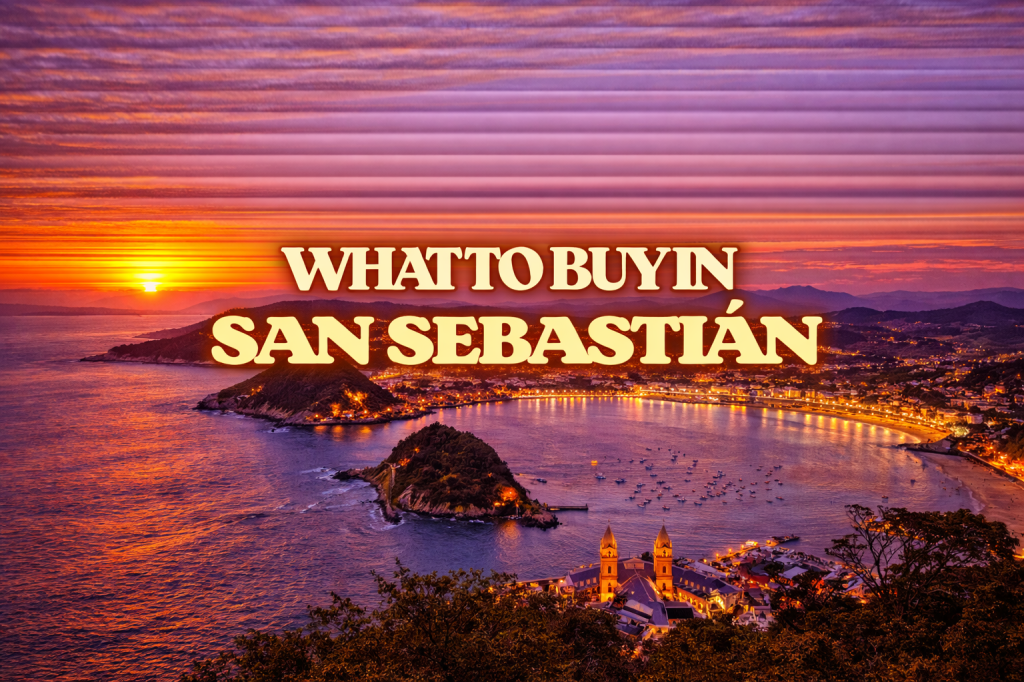
San Sebastián is a city with a strong food culture, coastal influences, and long craft traditions. That mix makes it a good place to shop for souvenirs that actually tell you something about the place.
This guide covers items you can find across the city—at markets, small shops, and museum stores—rather than a single street or store. It focuses on things that travel well and help you avoid generic tourist trinkets.
1. Sea salt from the Basque coast
• Why it’s worth buying: Coastal salt has a cleaner taste and is tied to local seafood dishes. It’s lightweight and useful in cooking at home.
• Where to look: markets and market stalls.
• Price range: $3–$12
• How to spot a good one: Pick a coarse, dry crystal with a simple label listing origin and harvest method.
• Easy-to-pack tip: Put the jar in a zip-top bag and wrap it in clothing.
2. A txapela (Basque beret)
• Why it’s worth buying: The txapela is a regional hat with practical fabric and a simple, distinctive shape. It makes a wearable memento and packs flat.
• Where to look: independent shops.
• Price range: $20–$60
• How to spot a good one: Look for firm, evenly felted wool and neat stitching on the brim.
• Easy-to-pack tip: Fold it gently and place it on top of soft clothing in your suitcase.
3. Hand-painted ceramics
• Why it’s worth buying: Small bowls and tiles reflect local colors and make useful kitchen pieces. They show handwork that machine-made items lack.
• Where to look: galleries and independent shops.
• Price range: $20–$150
• How to spot a good one: Check the glaze for even coverage and a smooth, uncracked finish.
• Easy-to-pack tip: Wrap ceramics in towels or sweaters and place them in the center of your luggage.
4. Conservas (canned seafood)
• Why it’s worth buying: Spain’s preserved seafood is shelf-stable, flavorful, and a direct taste of the region. Small tins are sturdy and travel-friendly.
• Where to look: markets and food halls.
• Price range: $4–$20
• How to spot a good one: Choose tins with clear labels listing ingredients and minimal additives.
• Easy-to-pack tip: Pack tins in checked luggage, protected by clothing or a padded container.
5. Txakoli (local sparkling white wine)
• Why it’s worth buying: Txakoli is a light, slightly fizzy wine linked to the Basque coast and pairs well with seafood. Bottles make a memorable gift for friends who enjoy wine.
• Where to look: independent shops and food halls.
• Price range: $8–$25
• How to spot a good one: Look for recent vintage and a producer region on the label.
• Easy-to-pack tip: Use a wine sleeve or ship the bottle home through the shop’s delivery service.
6. Aged sheep’s cheese
• Why it’s worth buying: Dry, aged Basque-style sheep cheese travels better than soft cheeses and has concentrated flavor. It’s easy to slice and serve at home.
• Where to look: markets and co-ops.
• Price range: $6–$25
• How to spot a good one: A firm texture and a clean rind indicate proper aging.
• Easy-to-pack tip: Buy vacuum-sealed packaging or wrap the cheese and place in insulated bag for travel.
7. Local olive oil or specialty condiment
• Why it’s worth buying: A bottle of local oil or condiment brings authentic flavors into your kitchen. These items are practical and last long when sealed.
• Where to look: food halls and markets.
• Price range: $8–$30
• How to spot a good one: Prefer labeled harvest date and ingredient list over vague claims.
• Easy-to-pack tip: Seal bottles in plastic and cushion them with clothing inside checked luggage.
8. Woven straw bag or beach tote
• Why it’s worth buying: A woven tote captures the coastal feel and is useful for travel or markets. Natural materials are light and foldable.
• Where to look: market stalls and independent shops.
• Price range: $15–$60
• How to spot a good one: Inspect tight, even weaving and reinforced handles for durability.
• Easy-to-pack tip: Stuff the bag with soft items to keep its shape and save space.
9. Basque linen textiles
• Why it’s worth buying: Table runners, tea towels, or scarves show local patterns and wash well. Natural linen is durable and becomes softer with use.
• Where to look: co-ops and independent shops.
• Price range: $20–$80
• How to spot a good one: Check for tight threads and even hems; natural fibers should feel substantial.
• Easy-to-pack tip: Roll textiles to save space and prevent creases.
10. Handmade silver or metal jewelry
• Why it’s worth buying: Small jewelry pieces reflect local motifs and craftsmanship without taking much luggage space. Metals travel well and keep shape.
• Where to look: galleries and artisan fairs.
• Price range: $25–$150
• How to spot a good one: Look for solid joins, hallmarks, or a maker’s stamp on the piece.
• Easy-to-pack tip: Store jewelry in a small pouch and carry it in your hand luggage.
11. Art prints or postcards by local artists
• Why it’s worth buying: Prints capture city scenes or regional designs and are easy to frame at home. They support local creatives directly.
• Where to look: museum shops and galleries.
• Price range: $10–$60
• How to spot a good one: Prefer signed prints or clear artist credit and print information.
• Easy-to-pack tip: Carry flat ones in a rigid folder or roll larger prints in a tube.
12. Packaged Basque sweets
• Why it’s worth buying: Individually wrapped sweets or nougat-style bars make convenient, shareable gifts. They often keep well for travel.
• Where to look: markets and food halls.
• Price range: $3–$15
• How to spot a good one: Look for simple ingredient lists and recent packaging dates.
• Easy-to-pack tip: Keep sweets in carry-on if concerned about heat or breakage.
Quick buying tips for San Sebastian
• Carry small bills; many stalls accept cards but prefer cash for quick purchases.
• Politely offer a lower price only at stalls or artisan fairs where bargaining is common.
• Wrap ceramics in clothing and use carry-on space for anything breakable and valuable.
• Many shops can ship heavy items; confirm costs and delivery times before buying.
• Look for maker names, production dates, or workshop addresses on labels indicating made locally.
• Pack liquids and food in checked luggage only if sealed; declare when required.
Where to shop in San Sebastian
Shopping is spread across several distinct areas, mixing food markets, museum shops, and pedestrian shopping streets. Look for markets for food items, museum shops for design objects and books, and small streets for independent craft stores.
• Mercado de la Bretxa (central market) for cheeses, conservas, fresh ingredients, and packaged foods.
• Parte Vieja (Old Town) for small craft stalls, berets, sweets, and food shops.
• La Concha promenade and waterfront for sea salt, woven beach goods, and seaside souvenirs.
• San Telmo Museum shop for art prints, books, and well-made design gifts.
• Plaza de la Constitución and nearby squares for seasonal artisan markets and local fairs.
• Streets near the Kursaal and the city center for independent boutiques and galleries.
• Food halls and specialty delis around the center for oils, sweets, and packed regional items.
What to skip (common tourist traps)
• Cheap plastic souvenirs sold near main sights; materials and paint often peel quickly.
• Unlabeled “local” foods without ingredient lists or dates; they may be repackaged imports.
• Mass-produced “ethnic” craftwork with generic designs that don’t reflect local techniques.
• Very cheap jewelry marked as silver without a clear stamp or return option.
• Overpriced bottles sold in souvenir tubs lacking producer information or vintage details.
• Large fragile items that require special packing or expensive shipping home.
If you only buy three things
Sea salt — Lightweight and useful, it brings coastal flavor home.
A tin of conservas — Easy to pack and a direct taste of the region.
A txapela — A wearable, local item that fits flat in luggage.
FAQ
What is San Sebastian known for making?
San Sebastián is known for its food culture and coastal crafts. Local items include preserved seafood, sheep cheeses, and textiles tied to regional traditions.
What are the best edible souvenirs from San Sebastian?
Good edible souvenirs include canned seafood, aged sheep’s cheese, local olive oil, and packaged sweets. Choose sealed, labeled products with ingredient lists and recent packing dates.
Are souvenirs expensive in San Sebastian?
Prices vary widely; markets offer affordable options while handcrafted ceramics or silver can cost more. Expect to pay extra for provenance, maker notes, and museum-quality items.
What is the easiest souvenir to pack from San Sebastian?
Small tins of conservas or packets of sea salt are the easiest to pack and carry. They are shelf-stable, lightweight, and fit neatly in luggage.
How do I know if something is truly local?
Look for a maker’s name, workshop address, or production date on the label. Ask vendors where pieces were made and request provenance details if available.
Tip: Save your receipts, and keep fragile items in your carry-on.
About the Author
Colin is the founder of SouvenirsIdeas.com and a passionate traveller with a soft spot for ceramics, markets, and food tours. He writes practical, first-hand guides to help you bring home souvenirs that actually mean something — not just more clutter!
Let us know in the comments if this has been useful or if you’ve got suggestions we can include


 Souvenir Ideas to Take Home from Every Country and City
Leave a comment