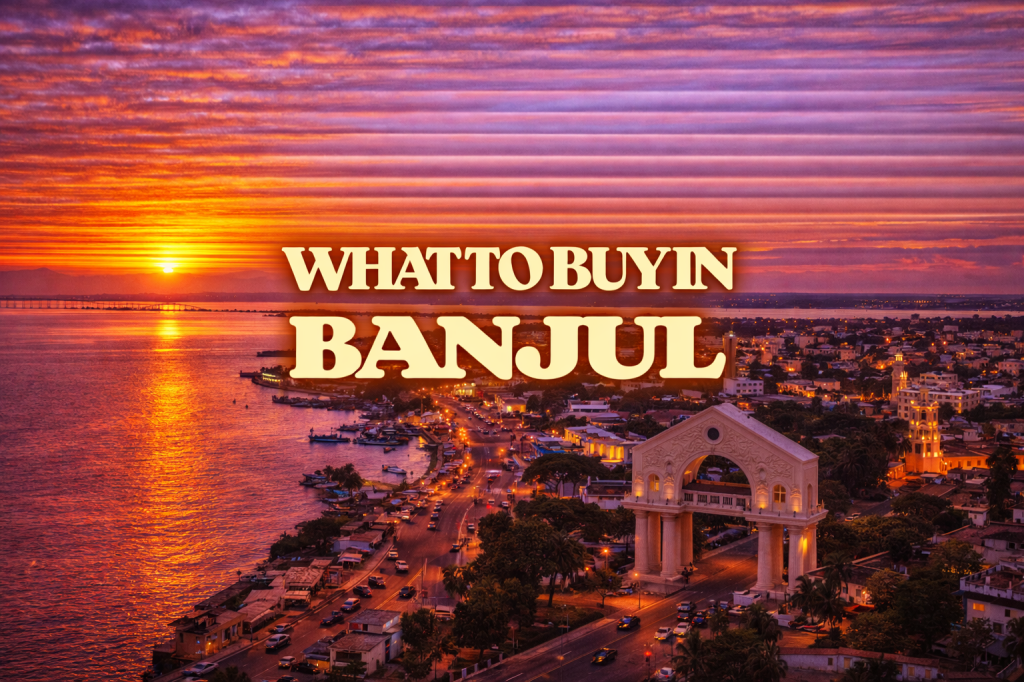
Banjul is small but lively when it comes to shopping. The city’s markets and stalls sell foods, textiles, and handcrafts that reflect Gambian coastal life and West African traditions. This guide looks at items you can find across the city, not a single street or shop.
I focus on souvenirs that are local or strongly associated with the area, easy to judge for quality, and easy to pack or ship. You’ll find both edible items and handmade goods in markets, cooperatives, and museum shops across Banjul.
1. Calabash bowl
• Why it’s worth buying: Calabash bowls are traditional and versatile for display or serving. They are lightweight and often decorated with simple carved or burned patterns.
• Where to look: craft markets and street stalls.
• Price range: $8–$40
• How to spot a good one: Check for even walls, smooth finishes, and no hairline cracks.
• Easy-to-pack tip: Wrap in clothing and place in the middle of your suitcase for protection.
2. Wax-print textile
• Why it’s worth buying: Printed cotton fabrics are part of everyday West African dress and come in bold, lasting colors. You can use them as scarves, tablecloths, or sewable fabric at home.
• Where to look: fabric markets and independent shops.
• Price range: $10–$50 per yard
• How to spot a good one: Look for tightly woven cotton and consistent printing on both sides.
• Easy-to-pack tip: Fold tightly or roll and tuck into a compression bag.
3. Roasted peanuts and groundnut snacks
• Why it’s worth buying: Groundnuts are a regional staple with fresh-roasted flavor you won’t find back home. Packaged versions keep well and make simple gifts.
• Where to look: central market stalls and food vendors.
• Price range: $2–$8
• How to spot a good one: Choose sealed bags with a recent roast date and no stale smell.
• Easy-to-pack tip: Keep sealed in your carry-on to avoid crushing.
4. Local chili sauce or spice blend
• Why it’s worth buying: Homemade sauces and spice mixes capture local flavors and are great for cooking later. Small jars are practical for tasting regional heat and aroma.
• Where to look: food halls and market spice counters.
• Price range: $3–$12
• How to spot a good one: Prefer sealed jars with clear ingredient lists and no leaking lids.
• Easy-to-pack tip: Double-bag liquids in plastic and place among soft items inside checked luggage.
5. Sea salt or flavored salts
• Why it’s worth buying: Coarse sea salt or salts mixed with local herbs make useful kitchen souvenirs. They’re lightweight and travel-friendly when sealed.
• Where to look: coastal markets and food stalls.
• Price range: $4–$15
• How to spot a good one: Crystals should be clean and free of sand; prefer labeled local sources.
• Easy-to-pack tip: Keep salts in sturdy jars or vacuum bags to prevent spills.
6. Woven palm baskets and bags
• Why it’s worth buying: Handwoven palm items are practical for shopping and reflect local weaving techniques. They’re durable and compress a bit for travel.
• Where to look: independent shops and craft co-ops.
• Price range: $10–$60
• How to spot a good one: Inspect for tight, even weaving and secure handles.
• Easy-to-pack tip: Stuff with soft clothing to maintain shape and avoid crushing.
7. Handmade wooden carving
• Why it’s worth buying: Small carved pieces show local woodwork and make distinctive decorative items. They often have visible hand-tool marks that add character.
• Where to look: galleries and craft markets.
• Price range: $15–$80
• How to spot a good one: Choose solid wood pieces with smooth finishes and no wobble.
• Easy-to-pack tip: Wrap carvings in bubble wrap or soft garments and carry them onboard if small.
8. Small leather goods
• Why it’s worth buying: Coin pouches and key holders are practical and last longer than cheap imitations. Small leather items often show traditional stitching.
• Where to look: independent shops and market stalls.
• Price range: $6–$35
• How to spot a good one: Smell and feel the leather; look for even stitching and finished edges.
• Easy-to-pack tip: Place inside shoes or a sturdy box to keep shape during transit.
9. Handmade jewelry (beads or brass)
• Why it’s worth buying: Beaded necklaces and brass bracelets are lightweight and wearable souvenirs. They represent common West African design motifs.
• Where to look: markets and cooperative craft stalls.
• Price range: $5–$40
• How to spot a good one: Check bead consistency, secure clasps, and solid metalwork without flaking.
• Easy-to-pack tip: Store in a small pouch and wear one piece on the plane.
10. Ceramics (mugs, small bowls)
• Why it’s worth buying: Locally made ceramics combine function and local glazes that age well. Smaller pieces are useful at home and not overly heavy.
• Where to look: galleries and craft markets.
• Price range: $12–$60
• How to spot a good one: Tap for a clear tone, inspect for glaze drips and hairline cracks.
• Easy-to-pack tip: Wrap each piece in clothing and place in the center of your suitcase.
11. Printed art and postcards
• Why it’s worth buying: Local prints and photos provide compact, inexpensive mementos. They also support local artists when purchased directly.
• Where to look: museum shops and galleries.
• Price range: $3–$30
• How to spot a good one: Choose prints on quality paper, signed or clearly attributed to an artist.
• Easy-to-pack tip: Carry prints flat in a document folder or tube to avoid creases.
12. Packaged skincare (shea or baobab products)
• Why it’s worth buying: Unrefined shea butter and baobab-based creams are useful and often made locally. Small tins and jars travel better than large bottles.
• Where to look: independent shops and market vendors.
• Price range: $4–$20
• How to spot a good one: Prefer minimal ingredient lists and an unbleached, slightly grainy texture.
• Easy-to-pack tip: Put creams in sealed plastic bags and keep them in carry-on luggage.
Quick buying tips for Banjul
• Carry some cash; small vendors often prefer cedi-sized Gambian dalasi notes.
• Bring cards for larger shops; many small stalls accept cash only.
• Politely bargain where prices are flexible, but accept fixed-price shops.
• Wrap fragile items in clothing and use carry-on when possible for protection.
• Ask sellers about shipping options if you need larger goods sent home.
• Keep food and liquids sealed and declare them according to airline and customs rules.
Where to shop in Banjul
Shopping is spread across a few compact areas, with most markets and craft stalls near the waterfront and the central market. Museum shops and independent galleries offer higher-quality pieces, while market stalls provide foodstuffs and textiles.
• Albert Market (central market) for spices, packaged foods, and everyday textiles.
• Banjul waterfront and ferry area where shell crafts, woven goods, and souvenirs appear.
• Historic downtown near Arch 22 for small galleries and street stalls selling carvings.
• National Museum and museum shop for local prints, books, and curated crafts.
• Craft co-ops and community centers for ethically made baskets and jewelry.
• Food halls and market spice counters for preserved foods, sauces, and salts.
• Independent shops along main streets offering leather goods and packaged skincare.
What to skip (common tourist traps)
• Mass-produced plastic trinkets that mimic local crafts but lack handwork.
• Items labeled ‘made locally’ without provenance or artisan information.
• Cheap plated jewelry that will discolor quickly rather than solid metal pieces.
• Unlabeled food packages that lack expiration dates or ingredient lists.
• Overpriced items sold close to major landmarks without comparison shopping.
• Stone or gem claims without certification or clear sourcing information.
If you only buy three things
Calabash bowl — useful, light, and distinctly local.
Wax-print textile — versatile, shows regional patterns and practical back home.
Roasted peanuts — a compact edible reminder of local flavor and agriculture.
FAQ
-
What is Banjul known for making?
Banjul is known for its market goods: woven items, carved calabashes, and textiles. Food products like groundnut snacks and coastal salts are also common. -
What are the best edible souvenirs from Banjul?
Packaged roasted peanuts, bottled chili sauces, and sealed sea salts travel well and show local flavors. Buy items in sealed, labeled packages for freshness and customs. -
Are souvenirs expensive in Banjul?
Prices range widely from a few dollars for small snacks to tens of dollars for handcrafted goods. Haggling is normal at market stalls but less common at fixed-price shops. -
What is the easiest souvenir to pack from Banjul?
Printed art, textiles, and packaged foods are easiest to pack and rarely fragile. Place prints in a flat folder and textiles in compressed bags for travel. -
How do I know if something is truly local?
Ask about materials, where it was made, and whether the artisan is local; look for visible handwork. Co-op labels, museum attributions, or direct artisan contact help confirm local origin.
Tip: Save your receipts, and keep fragile items in your carry-on.
About the Author
Colin is the founder of SouvenirsIdeas.com and a passionate traveller with a soft spot for ceramics, markets, and food tours. He writes practical, first-hand guides to help you bring home souvenirs that actually mean something — not just more clutter!
Let us know in the comments if this has been useful or if you’ve got suggestions we can include
 Souvenir Ideas to Take Home from Every Country and City
Leave a comment