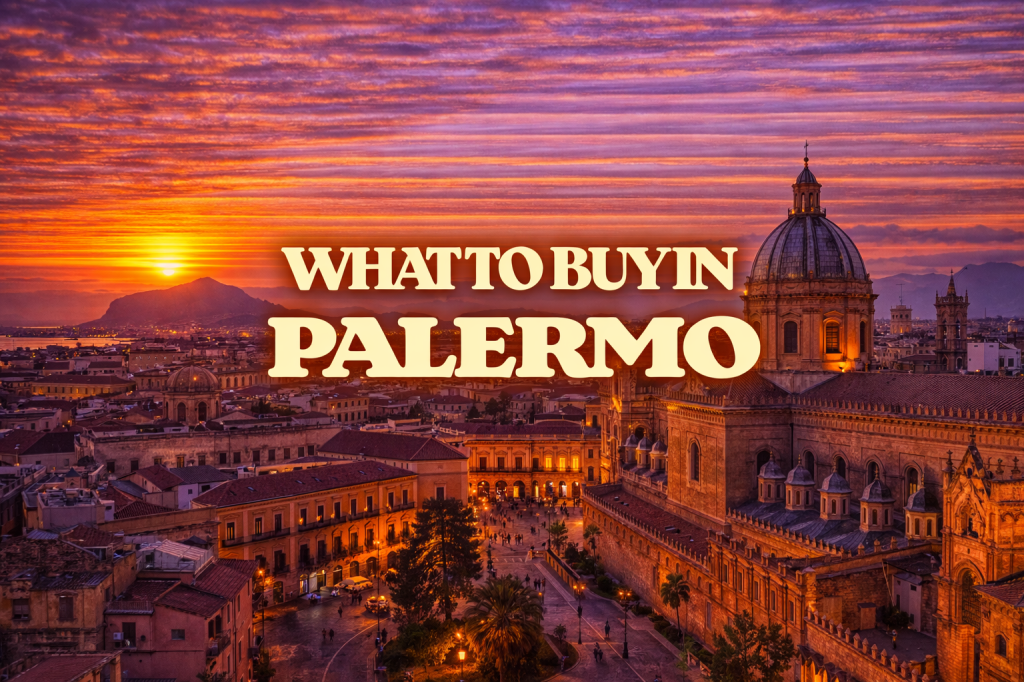
Palermo offers a lot for shoppers who want things that feel like they belong to the place. Markets and small shops sell food, crafts, and art you can actually use or eat once you get home.
This guide covers items you can find across the city, not just on one street or in a single store. It focuses on things made locally or strongly linked to Palermo, and on how to judge quality and pack them for travel.
1. Frutta Martorana (marzipan fruits)
• Why it’s worth buying: These almond-based sweets show traditional Sicilian confectionery skills. They make a colorful, edible reminder of Palermo’s pastry craft.
• Where to look: open-air markets often sell small boxes of shaped marzipan.
• Price range: $6–$20
• How to spot a good one: Choose pieces with a natural almond aroma and smooth, hand-painted finish.
• Easy-to-pack tip: Keep boxed sweets in your carry-on to avoid crushing and heat exposure.
2. Pistachio products (paste, cookies, creams)
• Why it’s worth buying: Pistachio is a staple flavor here and appears in many sweets and spreads. A concentrated paste lasts and keeps well at home.
• Where to look: independent shops that specialize in local foods stock tins and jars.
• Price range: $5–$30
• How to spot a good one: Check the label for a high pistachio percentage and minimal added sugar.
• Easy-to-pack tip: Pick vacuum-sealed jars or tins and wrap them in clothing inside your luggage.
3. Extra-virgin Sicilian olive oil
• Why it’s worth buying: Local oils offer distinct flavors from regional olives and pressing methods. A small bottle is useful in the kitchen and makes a practical gift.
• Where to look: food halls and specialty counters sell tested, labeled bottles.
• Price range: $8–$35
• How to spot a good one: Look for a harvest year, “cold-pressed” on the label, and a clear origin statement.
• Easy-to-pack tip: Wrap bottles in bubble wrap and place them in the center of checked luggage; consider shipping.
4. Sea salt flavored with citrus or fennel
• Why it’s worth buying: Sicilian sea salt carries a coastal flavor and often combines well with local dishes. Flavored salts are small, practical additions to the kitchen.
• Where to look: central markets usually have stalls selling packaged salts.
• Price range: $3–$12
• How to spot a good one: Choose coarse crystals with simple ingredient lists and a stated origin.
• Easy-to-pack tip: Place packets inside sealed plastic bags to prevent spills in checked baggage.
5. Bottarga (cured fish roe)
• Why it’s worth buying: Bottarga adds an intense umami boost and is an ingredient tied to Sicilian seafood traditions. Properly packed, it keeps well.
• Where to look: co-ops that specialize in regional pantry items often carry vacuum-sealed bottarga.
• Price range: $15–$50
• How to spot a good one: Prefer vacuum-sealed pieces with a firm texture and clear labeling.
• Easy-to-pack tip: Keep vacuum-sealed portions in checked luggage or check shipping options to avoid damage.
6. Sicilian maiolica ceramics
• Why it’s worth buying: Hand-painted ceramics reflect long craft traditions and make decorative yet useful keepsakes. Small plates and cups are classic choices.
• Where to look: galleries and artisan showcases sell hand-decorated pieces.
• Price range: $15–$120
• How to spot a good one: Hand-brushed paint strokes and slight irregularities indicate genuine handwork.
• Easy-to-pack tip: Wrap each piece in clothing or bubble wrap and carry fragile items in your carry-on.
7. Miniature Sicilian cart figurines
• Why it’s worth buying: These wooden figures reproduce a distinctive local subject and work as compact keepsakes. They show traditional painting detail on a small scale.
• Where to look: street markets often have craftsmen and stalls offering painted miniatures.
• Price range: $10–$60
• How to spot a good one: Solid wood and crisp, detailed painting suggest handcraft versus cheap plastic.
• Easy-to-pack tip: Pack in a small box with padding and keep it in your carry-on if fragile.
8. Filigree silver jewelry
• Why it’s worth buying: Delicate metalwork is part of regional jewelry traditions and makes a durable, wearable souvenir. Small pieces travel easily.
• Where to look: independent shops that sell local artisans’ jewelry carry filigree styles.
• Price range: $25–$150
• How to spot a good one: Look for fine wirework, a 925 stamp, and a solid connection at clasps.
• Easy-to-pack tip: Store in a soft pouch and keep jewelry in your carry-on to prevent tangling.
9. Hand-stitched linens and embroidered textiles
• Why it’s worth buying: Traditional linens and local embroidery show textile craft and are useful at home. Smaller items like napkins and tea towels are easy to pack.
• Where to look: co-ops and artisan booths sell textiles made by local makers.
• Price range: $12–$60
• How to spot a good one: Inspect stitches for consistency and feel the fabric for natural fibers.
• Easy-to-pack tip: Fold flat and sandwich between clothes to prevent creasing during travel.
10. Ceramic espresso cups with local motifs
• Why it’s worth buying: Small cups showcase Sicilian designs and are practical for daily use. They’re lightweight compared with larger pottery.
• Where to look: galleries that curate local ceramics carry matching cup sets.
• Price range: $8–$40
• How to spot a good one: Even glaze and a comfortable handle mean better daily use.
• Easy-to-pack tip: Pack cups upside down with cushioning inside each cup to protect rims.
11. Local liqueurs (limoncello, amari)
• Why it’s worth buying: Regional liqueurs capture local flavors and are easy to gift for dinner hosts. Sealed bottles store well if transported correctly.
• Where to look: food halls frequently offer regional bottles and tasting notes.
• Price range: $10–$40
• How to spot a good one: Confirm sealed bottles with clear labels showing alcohol percentage and origin.
• Easy-to-pack tip: Place bottles in padded sleeves, seal in plastic bags, and check airline liquid rules.
12. Art prints or limited-run posters by local artists
• Why it’s worth buying: Prints are affordable ways to bring home Palermo scenes and local design. They pack smaller than framed originals.
• Where to look: street markets and gallery stalls sell local prints and posters.
• Price range: $8–$60
• How to spot a good one: Seek signed pieces, heavier paper stock, and a visible edition number for limited runs.
• Easy-to-pack tip: Roll prints into a mailing tube or buy one from the seller to avoid creases.
Quick buying tips for Palermo
• Carry small bills and coins; many market stalls prefer cash, cards sometimes accepted.
• Haggling is common at markets; start lower and stay polite when negotiating price.
• Wrap ceramics in clothing; label as fragile and carry small pieces onto the plane.
• Most shops will ship internationally; ask costs and insurance before purchasing.
• Look for artisan marks, ingredient origin, and a maker’s name on labels.
• Liquids over 100ml must go in checked luggage; vacuum-sealed foods travel best.
Where to shop in Palermo
Shops and stalls spread across Palermo’s historic center, waterfront, and a few regular market squares. For souvenirs, check markets for food and quick buys, galleries for ceramics and jewelry, and streets near landmarks for independent craft sellers.
• Mercato di Ballarò — daytime market with spices, sweets, nuts, and packaged regional foods.
• Vucciria market — evening stalls and vendors selling small ceramics and handcrafted trinkets.
• Mercato del Capo — known for fish stalls plus jars of preserved foods and oils.
• Via Maqueda and Quattro Canti — old streets hosting independent craft shops and boutiques.
• Kalsa district — galleries and artist studios where prints, textiles, and jewelry appear.
• La Cala waterfront — seafood sellers and specialty stalls offering salts and preserved fish.
• Piazza Marina market days — occasional antique and vintage stalls offering decorative finds.
What to skip (common tourist traps)
• Painted plastic figurines near major sights; low-cost plastic will not age well.
• Unlabelled olive oil bottles; lack of harvest or origin information suggests low quality.
• Mass-produced ceramics with identical patterns; perfect uniformity often means machine-printed.
• Jewelry marked vaguely “silver” without a stamp; plating can wear off quickly.
• Packaged sweets with no ingredients or date; freshness and content can be unreliable.
• Overpriced souvenirs sold right at tourist entrances; similar items appear cheaper elsewhere.
If you only buy three things
Frutta Martorana — a small, edible taste of Palermo’s pastry tradition.
Extra-virgin Sicilian olive oil — useful and representative of regional cuisine.
A hand-painted maiolica piece — a crafted object that reflects local design.
FAQ
-
What is Palermo known for making?
Palermo is known for its street-food culture, sweets, and long-standing craft traditions. Local ceramics, hand-painted objects, and metalwork like filigree jewelry are common. -
What are the best edible souvenirs from Palermo?
Look for olive oil, pistachio products, marzipan fruits, bottarga, and small jars of preserves. Choose vacuum-sealed or well-packed items for travel. -
Are souvenirs expensive in Palermo?
Prices vary a lot: markets offer affordable goods while galleries and artisan pieces cost more. You can find good-value food items and affordable prints without spending heavily. -
What is the easiest souvenir to pack from Palermo?
Small packaged foods like pistachio paste, tins of sea salt, or boxed sweets travel easily. Lightweight art prints are also simple to roll up and carry. -
How do I know if something is truly local?
Check labels for a maker’s name, origin statements, or ingredient lists and ask about production. Visible handwork and small inconsistencies often indicate authentic local craft.
Tip: Save your receipts, and keep fragile items in your carry-on.
About the Author
Colin is the founder of SouvenirsIdeas.com and a passionate traveller with a soft spot for ceramics, markets, and food tours. He writes practical, first-hand guides to help you bring home souvenirs that actually mean something — not just more clutter!
Let us know in the comments if this has been useful or if you’ve got suggestions we can include


 Souvenir Ideas to Take Home from Every Country and City
Leave a comment