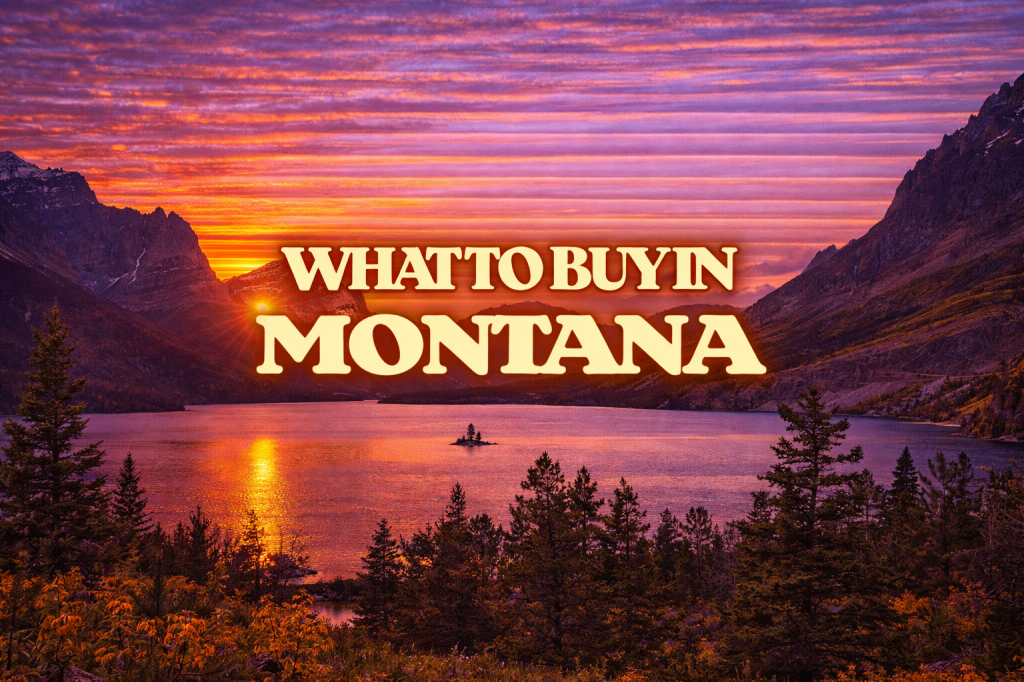
From the wind that sweeps down the Rocky Mountain passes to the sweet tang of huckleberry on a spoon, Montana feels like a place that was handcrafted by the elements.
In the shadow of Glacier National Park’s jagged arêtes and along the cottonwood-lined Clark Fork River, open-air stalls in Missoula and Bozeman hum with the scent of smoked bison, fresh preserves, and pine, each stall promising a small piece of Big Sky living and Montana souvenirs tucked into jars, leather, and silver.
Walk a downtown market on a summer morning and you’ll hear the clink of artisan jewelry, the soft scrape of a leatherworker’s awl, and the low murmur of sellers discussing sapphire finds from Philipsburg.
From Crow and Blackfeet beadwork to wool blankets spun from local flocks and the citrus-bright jars of Flathead cherry jam at Caras Park, what you buy in Montana carries the textures and stories of ranchland, reservation, and mountain town alike. Here’s what to buy in Montana to bring a piece of its spirit back home.
1. Huckleberry Jam & Confections
Why pick this up:
Huckleberries are a Montana hallmark—wild, tart, and deeply tied to summer foraging in places like Glacier National Park and the Bitterroot. Jams, syrups, and chocolate-covered huckleberries concentrate that alpine flavor into a shelf-stable treat.
What to look for:
Seek small-batch jars from farmer’s-market vendors in Missoula or Bozeman that list wild-harvested berries and minimal sugar; artisanal chocolatiers often use real huckleberry purée. Avoid generic supermarket jars that blend with blueberry or flavoring.
Price bracket (2025):
$8–$20
Where to find it:
Missoula Farmers’ Market (Caras Park), Bozeman Farmers’ Market (Bogert Park), Glacier National Park gift shops.
2. Yogo Sapphire Jewelry
Why pick this up:
Yogo sapphires, unique to Montana’s Judith Mountains, are prized for their cornflower-blue color and local lore; a small sapphire is a rare and unmistakably Montanan keepsake. Jewelry made with these stones links you to the state’s mining history and Philipsburg’s gem culture.
What to look for:
Ask for provenance or a gem report indicating “Yogo” or “Montana sapphire”; set pieces from reputable vendors have proper mounting and certificates. Beware of heat-treated or lab-grown stones sold as natural Yogo sapphires.
Price bracket (2025):
$150–$2,500+
Where to find it:
Philipsburg gem shops and sapphire shows, Bozeman jewelry boutiques, gem and mineral fairs.
3. Hand‑tooled Leather Belt & Western Belt Buckle
Why pick this up:
A tooled leather belt with a sterling silver buckle captures Montana’s ranching and rodeo aesthetics; it’s useful, durable, and distinctly Western. Many artisans hand-tool local motifs—longhorns, mountains, and Native patterns—into leather belts.
What to look for:
Full-grain leather with tight stitching and a stamped maker’s mark indicates quality; solid silver or brass buckles hold up much better than plated pieces. Inspect edges and tooling for consistency and hand-finished detail.
Price bracket (2025):
$80–$350
Where to find it:
Rodeo towns like Billings and Helena, Bozeman and Missoula western outfitters, weekend craft markets.
4. Felt or Straw Cowboy Hat
Why pick this up:
A properly fitted cowboy hat is both practical in Montana’s sun and wind and a quintessential piece of Western identity you’ll wear for years. Whether felt for winter trail rides or straw for summer, hats are made to last and age beautifully.
What to look for:
Look for felt grade (beaver/wool blends for quality), a shaped crown, and a sweatband with a maker’s label; many local hatters will block a hat to your size. Avoid flimsy, mass-produced hats without structure.
Price bracket (2025):
$75–$400
Where to find it:
Western wear stores in Helena and Billings, artisan hatters at local markets, airport shops in Bozeman.
5. Handwoven Montana Wool Blanket
Why pick this up:
Ranching and sheep herding run deep in Montana; a heavy wool blanket echoes that pastoral tradition and stands up to alpine chills. These throws often use local wool and patterns inspired by Indigenous and frontier designs.
What to look for:
Check fiber content (100% wool vs. wool blends), hand-loomed edges, and a maker’s tag; hand-stitched fringe and dense weave signal durability. Be wary of synthetic imitations sold as “wool.”
Price bracket (2025):
$90–$600
Where to find it:
Bozeman and Missoula artisan fairs, gallery districts near Flathead Lake, museum shops like Museum of the Rockies (Bozeman).
6. Bison Jerky & Smoked Bison Products
Why pick this up:
Bison is a staple of Montana cuisine—lean, flavorful, and sustainably raised in many ranching operations—making jerky and smoked products an instantly local snack. These items are portable and great for backcountry trips.
What to look for:
Choose vacuum-sealed packages with clear sourcing info and a sell-by date; local producers often note grass-fed or heritage herds. Avoid generic, heavily sweetened mass-market jerky.
Price bracket (2025):
$8–$25
Where to find it:
Farmer’s markets, specialty food stalls in Missoula and Bozeman, Glacier National Park vendors.
7. Native American Beadwork & Silver Jewelry
Why pick this up:
Beadwork, quillwork, and stamped silver reflect the artistry of tribes such as the Crow, Blackfeet, Salish, and Kootenai—each piece carries cultural patterns and techniques passed down generations. These items are both wearable art and cultural testimony.
What to look for:
Ask if pieces are made by enrolled tribal members and seek hallmarks or artist signatures; authentic beadwork uses glass seed beads, sinew or nylon thread, and fine-get silver stamping. Avoid mass-produced “tribal-style” items that originate outside reservation communities.
Price bracket (2025):
$50–$400+
Where to find it:
Powwow vendor stalls, reservation craft centers (Crow Agency, Browning), museum gift shops like C.M. Russell Museum (Great Falls).
8. Elk Antler Crafts & Homewares
Why pick this up:
Antler finds—knife handles, bottle openers, or chandeliers—evoke Montana’s big-game tradition and rustic décor. They’re durable, tactile, and often crafted by local woodworkers and metalworkers.
What to look for:
Choose well-sanded, treated antler with secure fittings and a clear indication the material is shed antler or legally sourced. Avoid items with illegal ivory or protected species parts.
Price bracket (2025):
$20–$150
Where to find it:
Artisan booths at Bigfork and Polson, outdoor-supply markets, gallery shops across western Montana.
9. Flathead Cherry Preserves & Syrups
Why pick this up:
Flathead Valley cherries are a fruit celebrated statewide for their bright flavor; preserves, syrups, and tart sauces pack summer into a jar and travel well. They make excellent gifts for food lovers and pair beautifully with local cheeses.
What to look for:
Look for small-canning labels, short ingredient lists, and vendors at farmers’ markets who can tell you the harvest date. Avoid ambiguous “cherry” flavorings without real fruit content.
Price bracket (2025):
$8–$22
Where to find it:
Polson and Flathead Valley markets, Missoula Farmers’ Market, Glacier-area specialty food stalls.
10. Handmade Ceramics & Pottery
Why pick this up:
Potters across Bozeman, Missoula, and Helena craft functional ceramics—mugs, bowls, and plates—with glazes inspired by Montana skies and rivers. These pieces are useful memories of the state’s hands-on craft scene.
What to look for:
Check for a potter’s mark and a consistent glaze finish; feel the weight and balance of a mug in your hand. Seek lead-free glazes and ask about oven or dishwasher safety for practical use.
Price bracket (2025):
$35–$250
Where to find it:
Bozeman and Missoula gallery districts, weekend maker markets, museum shops.
Tip: Wrap fragile finds in clothes and use padding at the center of your suitcase to protect ceramics and glass. 🧳
Local Shopping Culture & Traditions
Markets in Montana are anchored to seasonality and place: summer farmers’ markets like Missoula’s Caras Park and Bozeman’s Bogert Park are central meeting points. Here growers, fiber artists, and jewelers converge.
Traditional powwows and reservation craft centers, such as those around Browning (Blackfeet) and Crow Agency, offer opportunities to see Indigenous arts presented alongside frontier and ranching crafts.
Weekend fairs and rodeo-town shops (Billings, Helena) keep Western leatherwork and hat-making thriving, while small mining towns like Philipsburg host gem shows tied to local sapphire finds.
Bargaining is generally limited, prices at studio booths and museum shops are fixed, but at flea markets, gem stalls, and some outdoor vendor rows you can politely negotiate, especially later in the day.
Artisan networks and maker collectives are common; many towns have seasonal “First Friday” art walks or summer craft bazaars where new makers debut one-off pieces.
How to Spot Genuine Local Souvenirs
Look for provenance: a potter’s mark, a jeweler’s stamp, or a vendor who can name the ranch, flock, or mine where materials came from.
For Native art, ask whether the piece was made by an enrolled tribal member or purchased through a reservation craft cooperative, authentic items will often have that disclosure.
Natural-material cues are helpful, Yogo sapphires have a particular cornflower-blue tone and often come with documentation. Wool blankets will list fiber content and often show hand-loom irregularities; elk antler should be solid with visible grain rather than molded plastic.
Avoid overly glossy, mass-produced items sold at highway rest stops that mimic local styles; check labels on food (date, ingredients, “packed in Montana”) and prefer vacuum-sealed or canned goods from market vendors.
When in doubt, ask makers about their process, true artisans love to explain techniques like hand-beading, saddle-stitching, or small-batch canning.
Where to Shop in Montana
- Missoula Farmers’ Market (Caras Park) — the state’s most famous open-air market for food and craft.
- Bozeman Farmers’ Market (Bogert Park) and downtown artisan shops — great for pottery and makers.
- Philipsburg and regional gem & mineral shows — for sapphires and lapidary finds.
- Glacier National Park and Flathead Lake market areas — scenic spots for foodstuffs and outdoor-themed crafts.
- Museum shops: Museum of the Rockies (Bozeman), C.M. Russell Museum (Great Falls), Glacier NP visitor centers.
- Airports: Bozeman Yellowstone International and Glacier Park International for last-minute gifts.
- Weekend maker markets and gallery districts in Bigfork, Polson, Helena, and Billings.
FAQs
Q: Are souvenirs in Montana expensive?
A: Prices vary widely—farmers’ market jars and small crafts are affordable, while genuine Yogo sapphires, handwoven blankets, and high-end leather goods can be pricey; expect a broad range.
Q: Is bargaining common in Montana markets?
A: Not typically in studio booths or museum shops, but polite bargaining can work at flea markets, gem vendor rows, or when buying multiple items from a single stall.
Q: How do I know if a food item can travel internationally?
A: Check the label for ingredients and preservation method; sealed jams, syrups, and jerky usually pass most customs rules, but check your destination’s agricultural regulations first.
Explore Montana’s markets and maker scenes to find pieces that tell the story of its landscapes and people, and bring home a true Montana souvenir.
Let me know in the comments if you have any other top ‘what to buy’ ideas!
About the Author
Colin is the founder of SouvenirsIdeas.com and a passionate traveller with a soft spot for ceramics, markets, and food tours. He writes practical, first-hand guides to help you bring home souvenirs that actually mean something — not just more clutter!


 Souvenir Ideas to Take Home from Every Country and City
Leave a comment