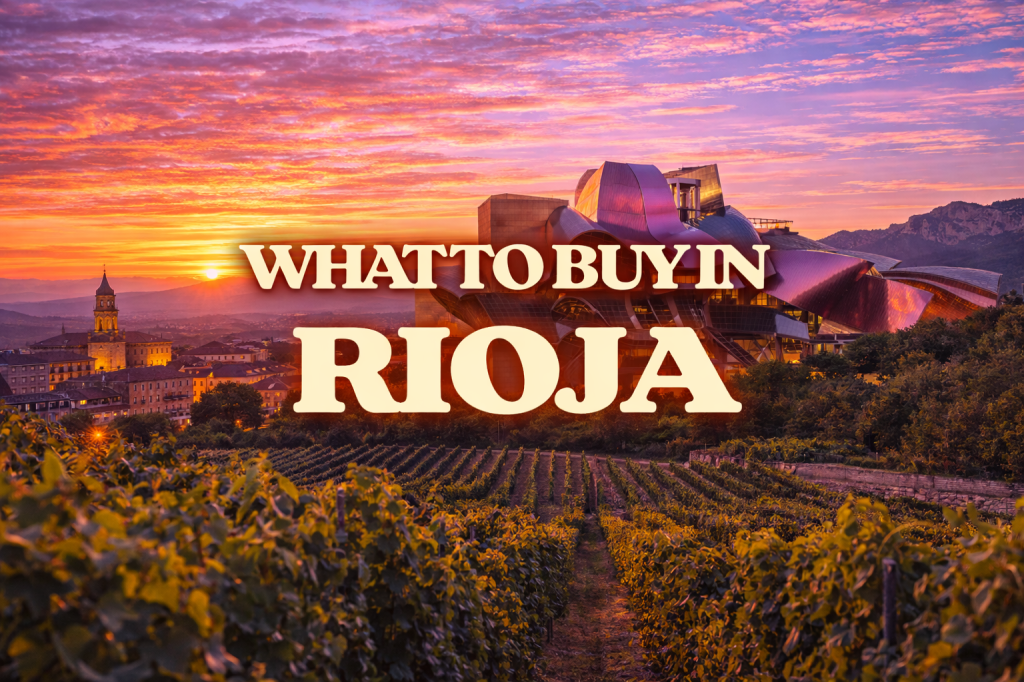
Rioja is best known for its wine, but the whole region offers a lot to bring home. This guide focuses on items you can find across the region, not just in one town.
Look for locally made goods that reflect local flavors, traditions, and materials. The list that follows emphasizes easy-to-pack items and ways to judge quality so you avoid mass-produced souvenirs.
1. Bottle of Rioja wine
• Why it’s worth buying: Wine is a direct taste of the region and its climate. Bottles come in many styles, from young to aged.
• Where to look: Wineries often sell bottles and offer tasting notes.
• Price range: $10–$40
• How to spot a good one: Check vintage year and a clear producer name on the label.
• Easy-to-pack tip: Wrap the bottle in clothing and place it in the center of your suitcase.
2. Local extra-virgin olive oil
• Why it’s worth buying: Olive oil from local groves has fresher flavor than mass imports. It improves simple cooking and salads.
• Where to look: Farm shops and cooperatives sell fresh-pressed oil.
• Price range: $8–$30
• How to spot a good one: Look for a recent harvest date and a short ingredient list.
• Easy-to-pack tip: Seal the bottle in a plastic bag before packing to prevent leaks.
3. Aged wine vinegar
• Why it’s worth buying: Vinegar made from regional wines has depth and acidity balance. It lasts long and adds character to dishes.
• Where to look: Co-ops and specialty food stalls often stock aged vinegars.
• Price range: $6–$25
• How to spot a good one: Dark color and subtle aroma suggest longer aging.
• Easy-to-pack tip: Use bubble wrap or wrap in towels and carry-on when possible.
4. Cork coasters and small cork crafts
• Why it’s worth buying: Cork items use a natural material tied to wine culture. They are lightweight and practical.
• Where to look: Craft shops usually sell small cork goods made locally.
• Price range: $5–$20
• How to spot a good one: Even texture and tight grain mean better durability.
• Easy-to-pack tip: Cork items are light — tuck them inside shoes or clothes.
5. Quality corkscrew or wine tool
• Why it’s worth buying: A well-made corkscrew is useful and lasts for years. It pairs nicely with a bottle of wine.
• Where to look: Wineries and specialty kitchen shops sell durable wine tools.
• Price range: $10–$60
• How to spot a good one: Look for solid construction and a smooth screw action.
• Easy-to-pack tip: Pack tools in the middle of luggage wrapped with clothing.
6. Almond-based sweets or small confections
• Why it’s worth buying: Local sweets show regional ingredients and are easy to share. They make quick gifts.
• Where to look: Markets often have stalls with handmade confections.
• Price range: $3–$15
• How to spot a good one: Simple ingredient lists and crumbly texture indicate handmade quality.
• Easy-to-pack tip: Keep sweets in their original sealed packaging and place in carry-on.
7. Small artisan ceramics
• Why it’s worth buying: Ceramics reflect local styles and make useful mementos. A small plate or bowl is timeless.
• Where to look: Craft shops stock functional, hand-painted pieces.
• Price range: $15–$80
• How to spot a good one: Even glaze and a clean base without cracks show good workmanship.
• Easy-to-pack tip: Wrap fragile pieces in clothes and place in a hard-sided bag.
8. Handwoven textiles (napkins or runners)
• Why it’s worth buying: Textiles are practical and carry local patterns or colors. They are machine-washable and light.
• Where to look: Markets and artisan stalls sell handwoven linens.
• Price range: $12–$60
• How to spot a good one: Tight weave and consistent stitching mean better longevity.
• Easy-to-pack tip: Fold textiles flat and place between clothes to save space.
9. Small leather coin purse
• Why it’s worth buying: Leather goods are durable and useful for travel. A small purse shows local tanning skill.
• Where to look: Artisan fairs and leather stalls offer handcrafted small items.
• Price range: $10–$50
• How to spot a good one: Check stitching and the feel of the leather for softness and strength.
• Easy-to-pack tip: Slip the pouch into your carry-on pocket for quick access.
10. Local honey or fruit jam
• Why it’s worth buying: Honey and jam preserve local flavors and last for months unopened. They are great on toast.
• Where to look: Farm shops and co-ops carry small-batch preserves.
• Price range: $6–$20
• How to spot a good one: Natural separation or visible fruit pieces suggest fewer additives.
• Easy-to-pack tip: Wrap jars in plastic and clothing; consider shipping for multiples.
11. Small wooden kitchen tools
• Why it’s worth buying: Wooden spoons or small boards are practical and reflect local woodcraft. They last with care.
• Where to look: Woodcraft stalls and craft workshops sell simple tools.
• Price range: $10–$45
• How to spot a good one: Smooth finish and no splinters indicate proper sanding and finishing.
• Easy-to-pack tip: Wrap wooden items in clothing to prevent dings during transit.
12. Regional art prints or labels
• Why it’s worth buying: Prints and label art capture regional scenes and wine culture. They are flat and easy to carry.
• Where to look: Galleries, print shops, and artisan markets offer local designs.
• Price range: $10–$70
• How to spot a good one: Crisp printing, signed copies, or limited runs suggest quality.
• Easy-to-pack tip: Roll prints in a tube or carry flat in a portfolio case.
Quick buying tips for Rioja
• Carry some cash for small markets; many stalls may prefer it.
• Haggling is uncommon in shops; politely ask at outdoor markets if appropriate.
• Wrap glass and ceramics in clothes, then place them inside your carry-on bag.
• Ask about reliable shipping from co-ops or wineries for bulky or fragile purchases.
• Look for producer names, short ingredient lists, and plain packaging indicating local making.
• Seal liquids in plastic, use extra padding, and declare food on your flight.
Where to shop in Rioja
Shops in the region range from winery tasting rooms to small craft stalls in market squares. You will also find co-ops and farm shops selling food items and simple tools related to local production.
Many towns have weekly markets, artisan fairs, and small galleries that change with the season. Wineries and cooperatives often sell directly, while craft shops carry ceramics and textiles.
• Wineries and tasting rooms for bottles and wine tools
• Farm shops for oils, honey, and preserves
• Local markets for sweets, textiles, and small crafts
• Co-ops for vinegar, oils, and bulk purchases
• Craft shops for ceramics, woodwork, and cork items
• Galleries or print shops for paper goods and art prints
What to skip (common tourist traps)
• Cheap labeled “regional” wine at roadside stalls: often mass-bottled and low quality.
• Souvenirs with vague “made in” tags: misleading origin and not locally produced.
• Plastic trinkets printed with region names: mass-produced and poor quality.
• Overpriced generic gift sets in tourist zones: price often reflects location, not product.
• Unsealed food jars without ingredient lists: safety and storage may be questionable.
• Imitation ceramics with poor glazes: prone to chipping and not truly handcrafted.
If you only buy three things
Bottle of Rioja wine — A direct taste of the region and easy to share with friends.
Local extra-virgin olive oil — Practical and long-lasting, it adds regional flavor to your cooking.
Small artisan ceramics — Useful, decorative, and a compact reminder of local craft.
FAQ
What is Rioja known for making?
Rioja is most famous for its wines and wine-related goods. The region also produces olive oil, aged vinegars, and a range of agricultural products like honey and preserves.
What are the best edible souvenirs from Rioja?
The best edible souvenirs include local wines, extra-virgin olive oil, aged vinegar, honey, and small jams. Pick sealed jars and check dates for freshness and storage instructions.
Are souvenirs expensive in Rioja?
Prices vary widely; you can find affordable small items at markets and pricier handcrafted goods in galleries. Food items and small accessories are often budget-friendly, while aged wine and larger ceramics cost more.
What is the easiest souvenir to pack from Rioja?
Flat art prints, cork coasters, textiles, and small leather pouches are easiest to pack. They are lightweight and fit into carry-on bags without much extra padding.
How do I know if something is truly local?
Check for a producer name, recent harvest or production dates, and short ingredient lists. Ask vendors about where materials were sourced and look for simple, honest packaging.
Tip: Save your receipts, and keep fragile items in your carry-on.
About the Author
Colin is the founder of SouvenirsIdeas.com and a passionate traveller with a soft spot for ceramics, markets, and food tours. He writes practical, first-hand guides to help you bring home souvenirs that actually mean something — not just more clutter!
Let us know in the comments if this has been useful or if you’ve got suggestions we can include


 Souvenir Ideas to Take Home from Every Country and City
Leave a comment