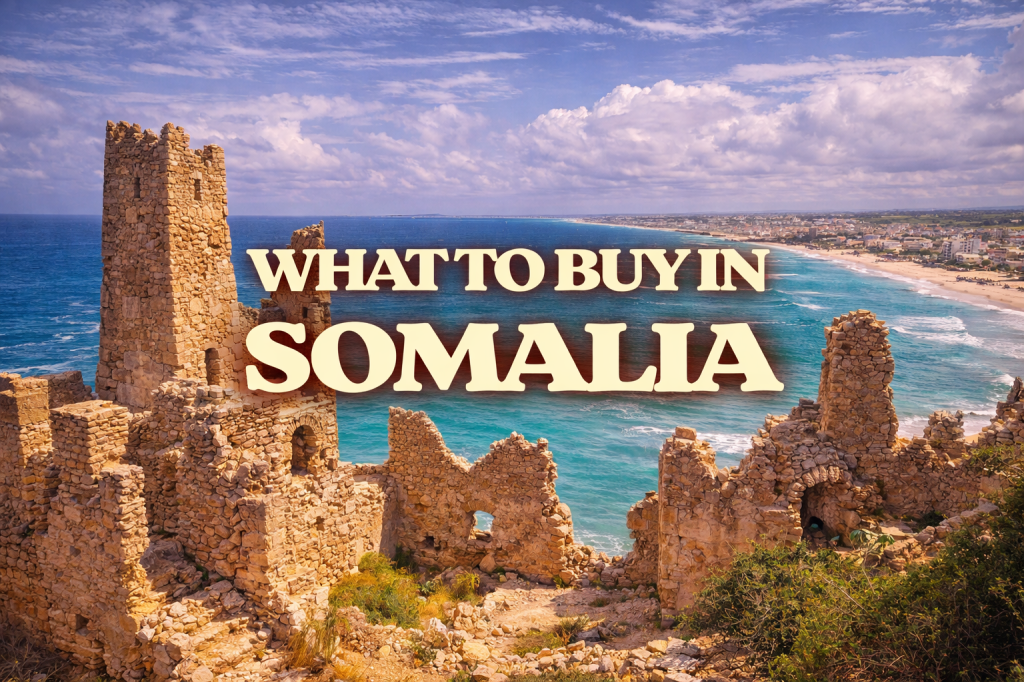
From the salt-sweet breeze off the Gulf of Aden to the coarse sweetness of freshly toasted cardamom, shopping in Somalia is a full-senses experience.
Stalls at Bakaaraha thrum with the rattle of beads and the clack of wooden combs, while the smell of frankincense and burning charcoal wafts through Lido’s cafés; bright woven baskets and the soft sheen of camel leather catch the light against the ochre backdrop of Mogadishu and the white coral cliffs of Berbera.
Wandering markets from Hargeisa to Bosaso feels like stepping into centuries of Indian Ocean trade-in soapstone dabqaads and Somali diracs sit beside sacks of dates and packets of halwo (xalwo), each item steeped in regional craft and ritual. Here’s what to buy in Somalia to bring a piece of its spirit back home.
1. Frankincense (Luban)
Why pick this up:
Frankincense has been harvested from the windswept plateaus of Puntland and Sanaag for millennia, and its resin carries the warm, citrusy-animalic smoke that defines many Somali ceremonies. It’s a fragrant, portable souvenir that evokes desert markets and ritual hospitality.
What to look for:
Choose pale, translucent tears with a clean, woody aroma; larger, unpowdered lumps are often higher grade. Ask vendors about the harvest region—Puntland and Sanaag batches are particularly prized.
Price bracket (2025):
SSh 200,000–1,200,000 (approx. US$4–20)
Where to find it:
Major markets like Bakaaraha (Mogadishu), Bosaso bazaars, and Hargeisa market stalls.
2. Xalwo (Somali Halwo)
Why pick this up:
Xalwo is a dense, cardamom-scented sweet made from sugar, ghee, and sometimes nuts—served at weddings, religious celebrations, and as a sign of hospitality. It’s a taste of Somali dessert culture and travels well when vacuum-sealed.
What to look for:
Fresh, sealed portions with visible nuts (peanuts or almonds) and a delicate cardamom scent; darker versions may include dates or coffee. Buy from busy stalls or established confectioners to ensure freshness.
Price bracket (2025):
SSh 150,000–600,000 (approx. US$3–10)
Where to find it:
Bakaaraha Market, Hargeisa sweets vendors, and airport kiosks.
3. Camel Leather Goods
Why pick this up:
Camel leather is durable with a unique grain and is used for wallets, belts, and sandals—items that age beautifully and speak to Somali pastoral traditions. Leather goods combine practicality with a raw, desert-tanned aesthetic.
What to look for:
Sturdy stitching, natural grain patterns, and minimal synthetic linings; ask whether the leather is camel rather than cheaper goat when possible. Inspect seams and hardware to ensure longevity.
Price bracket (2025):
SSh 1,000,000–5,000,000 (approx. US$20–90)
Where to find it:
Leather stalls in Bakaaraha, Bosaso souks, and coastal markets in Berbera.
4. Woven Baskets & Mats (Sisal/Palm)
Why pick this up:
Handwoven baskets and colourful floor mats carry coastal and pastoral motifs and are made from locally harvested palm or sisal. They make decorative, functional souvenirs that reflect traditional weaving techniques.
What to look for:
Tight, even coils with bold geometric patterns and natural dyes; sturdy handles and reinforced bases indicate good craftmanship. Smaller baskets travel easily while large mats are great for home décor.
Price bracket (2025):
SSh 300,000–1,500,000 (approx. US$6–26)
Where to find it:
Market stalls in Berbera, Hargeisa’s artisan rows, and seaside bazaars.
5. Silver & Bead Jewelry
Why pick this up:
Traditional Somali jewelry—silver bangles, coin necklaces and beadwork—carries designs influenced by Arabian and Swahili trade, often used in weddings and rites. These pieces are lively, wearable tokens of regional identity.
What to look for:
Solid silver marks, handmade filigree, and tightly strung beads; authenticity is reflected in weight and patina rather than flash. Beware of overly shiny, machine-made imitations.
Price bracket (2025):
SSh 2,000,000–10,000,000 (approx. US$35–175)
Where to find it:
Jewelry booths at Bakaaraha, Hamar Weyne, and Hargeisa’s central market.
6. Dirac & Traditional Textiles
Why pick this up:
The dirac (flowing dress) and embroidered shawls showcase fine cottons, bright dyes, and traditional motifs used in Somali dress; they’re luminous reminders of coastal elegance. Textiles are often hand-embroidered or woven locally, making each piece individual.
What to look for:
Quality cotton or silk blends, neat embroidery, and full-length hems for diracs; request to see stitching and fabric weight. Colorfast dyes and care labels help ensure longevity.
Price bracket (2025):
SSh 1,500,000–8,000,000 (approx. US$25–140)
Where to find it:
Tailors and textile stalls in Bakaaraha, Hargeisa markets, and specialty shops near Lido Beach.
7. Henna Paste & Cones
Why pick this up:
Henna is part of wedding rituals and daily adornment, and Somalia’s henna paste and cones are prized for their dark, long-lasting stains. It’s a compact souvenir tied to living body-art traditions.
What to look for:
Natural, dark henna powder or pre-made cones with simple ingredient lists (henna, water, lemon); avoid products with chemical additives. Ask vendors for application tips and drying times.
Price bracket (2025):
SSh 100,000–400,000 (approx. US$2–7)
Where to find it:
Barber and beauty stalls in street markets, Bakaaraha, and Hargeisa.
8. Dabqaad (Soapstone Incense Burner)
Why pick this up:
The dabqaad is a small soapstone or clay vessel used to burn frankincense and myrrh in homes; its compact form and soft, smoky scent are quintessentially Somali. It’s a decorative keepsake that also recreates market aromas at home.
What to look for:
Smooth soapstone with a shallow bowl and vented lid; hand-carved details and signs of kiln firing indicate traditional making methods. Check for hairline cracks and test weight—solid carvings last.
Price bracket (2025):
SSh 800,000–3,000,000 (approx. US$14–52)
Where to find it:
Berbera and Hargeisa craft stalls, coastal artisan markets.
9. Somali Coffee & Spiced Blends
Why pick this up:
Somali coffee is often roasted lightly and spiced with cardamom, cloves or cinnamon, offering a fragrant cup that recalls sunlit cafes. Packaged beans or ground blends are compact souvenirs that give mornings a taste of the Horn of Africa.
What to look for:
Freshly roasted whole beans or sealed ground blends with visible spices; small-batch roasters or café-sourced tins are preferable to supermarket packaging. Note roast date for best flavor.
Price bracket (2025):
SSh 200,000–900,000 (approx. US$4–16)
Where to find it:
Specialty cafés around Mogadishu’s Lido, markets in Hargeisa, and port-city coffee stalls.
10. Carved Bone, Horn & Small Handicrafts
Why pick this up:
Carvers turn camel bone and horn into combs, knife handles and decorative inlays—small objects that show meticulous handiwork and nomadic resourcefulness. These pieces are tactile, locally sourced, and often made by family workshops.
What to look for:
Smooth finishes, traditional motifs, and solid joins without glued seams; ethical sourcing is important—ask about animal-part origins. Tiny carved combs and keyring-sized pieces are ideal for packing.
Price bracket (2025):
SSh 300,000–1,800,000 (approx. US$6–31)
Where to find it:
Coastal bazaars, Bakaaraha stalls, and artisan rows in Berbera and Hargeisa.
Tip: When buying food or fragile crafts, ask vendors to vacuum-seal or wrap items securely and declare per customs rules at departure. ✈️
Local Shopping Culture & Traditions
Markets in Somalia are social stages as much as commercial hubs: Bakaaraha in Mogadishu has long been a node for spices, textiles and everyday goods, while Hargeisa’s market reflects Somaliland’s artisan traditions and Berbera’s port links to Gulf trade.
Bargaining is common and expected in open-air bazaars, start lower and meet halfway while family workshops and coastal traders often sell goods directly from the maker.
Craft traditions draw on pastoral life and Indian Ocean exchange. Frankincense from Puntland, woven palm work from coastal communities, and embroidered diracs influenced by Ethiopian, Arabian and Swahili styles. Weekend bazaars and seaside stalls remain places to see artisans at work and buy items still made by hand.
How to Spot Genuine Local Souvenirs
Look for materials and techniques specific to the region: frankincense tears (not powdered blends) and soapstone dabqaads are local hallmarks, while camel leather’s grain and natural dyes on diracs suggest authenticity.
Inspect stitching on textiles, ask about harvest or maker provenance for food items, and prefer busy stalls or artisan cooperatives over tourist kiosks. Avoid ultra-glossy, machine-stamped jewelry and very cheap “antique” coins, authentic silver pieces will show weight and wear rather than uniform shine.
For edible goods, check packaging and ask for vacuum-sealed xalwo or sealed spice bags—freshness and proper wrapping help pass customs and keep flavors intact.
Where to Shop in Somalia
- Bakaaraha Market (Mogadishu) — the country’s largest traditional market for textiles, spices, and leather.
- Hargeisa Market and Berbera Market — regional artisan centers with woven goods, silverwork, and frankincense.
- Lido beachfront markets (Mogadishu) — specialty cafés and seaside stalls selling halwo, coffee, and crafts.
- Bosaso port bazaars and coastal souks — frankincense and maritime goods.
- Airport shops at Aden Adde International and Egal International — convenient for last-minute packaged souvenirs and halwo.
- Weekend maker markets and local artisan rows near historic quarters.
FAQs
Q: Are souvenirs in Somalia expensive?
A: Prices vary—local markets offer affordable crafts if you bargain, while higher-quality silver, leather, or large textiles cost more; luxury items can reach the equivalent of artisan prices elsewhere.
Q: Is bargaining common in Somalia?
A: Yes; polite haggling is expected in open-air markets—start lower, be friendly, and settle on a fair price. Fixed pricing is more common in airport shops and established boutiques.
Q: How do I know if food items are okay to take through customs?
A: Choose commercially sealed or vacuum-packed items (like halwo and sealed spices) and declare them at departure; ask vendors for packaging suitable for air travel.
Somalia’s markets are full of history and crafted goods—explore them to discover lasting keepsakes that tell local stories and traditions, and don’t forget to try a bite of xalwo while you shop for what to buy in Somalia.
Let me know in the comments if you have any other top ‘what to buy’ ideas!
About the Author
Colin is the founder of SouvenirsIdeas.com and a passionate traveller with a soft spot for ceramics, markets, and food tours. He writes practical, first-hand guides to help you bring home souvenirs that actually mean something — not just more clutter!


 Souvenir Ideas to Take Home from Every Country and City
Leave a comment