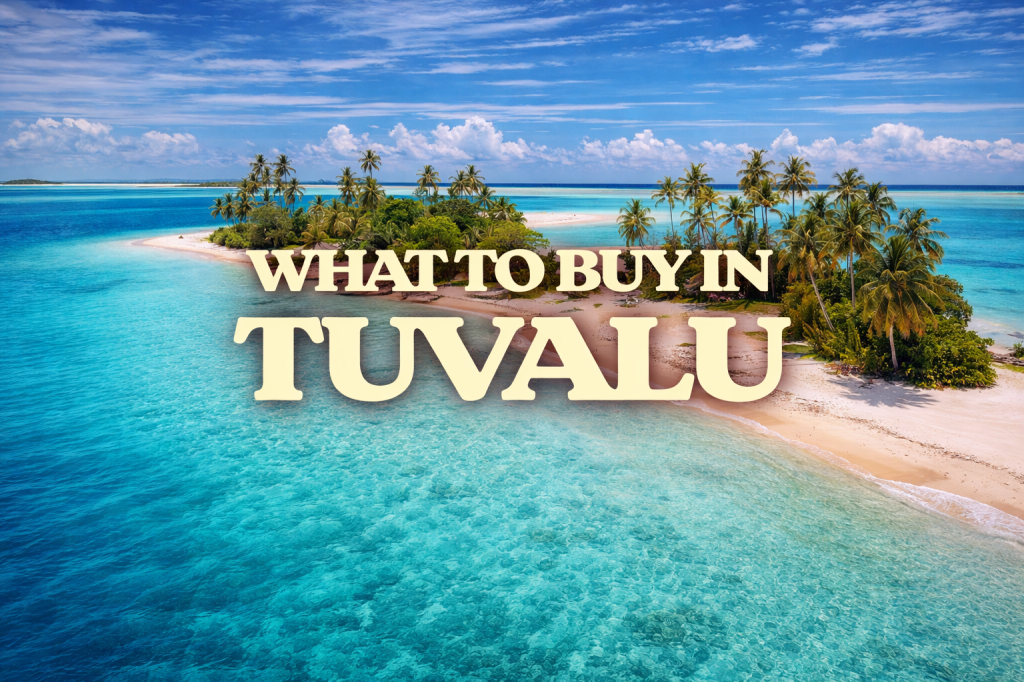
From the whisper of palms overhead to the sunlight turning the Funafuti Lagoon into a sheet of molten turquoise, Tuvalu feels stitched together by the sea.
On the shoreline you’ll smell sun-warmed pandanus and coconut oil while women at the waterfront deftly fold long leaves into tight, geometric mats and baskets; the air carries the soft rattle of shells and the distant thump of a canoe paddle against the reef.
In the shade of Vaiaku’s simple stalls, bright woven patterns, mother‑of‑pearl glinting in the sun, and hand‑stamped sheets of Tuvaluan postage catch your eye – small, tactile keepsakes of atoll life.
Whether it’s a fragrant jar of virgin coconut oil or a tiny carved vaka, these Tuvalu souvenirs bring a slice of low‑lying lagoon life home. Here’s what to buy in Tuvalu to bring a piece of its spirit back home.
1. Pandanus Woven Mat (fala)
Why pick this up:
Pandanus mats are a living tradition in Tuvalu — used for sleeping, ceremonies, and as wall hangings — and carry the scent and texture of the islands. They make dramatic home pieces that remind you of atoll afternoons and woven patterns unique to different villages.
What to look for:
Choose mats with tight, even weaving, natural undyed pandanus (glossy green or pale straw), and hand‑finished edges; small imperfections are signs of handmade craft. Ask which island the mat comes from — outer islands like Vaitupu and Nanumea have distinct weaving styles.
Price bracket (2025):
A$20–A$120 depending on size and intricacy.
Where to find it:
Funafuti market stalls near the wharf, women’s cooperative stalls in Vaiaku, and island landing markets.
2. Woven Hats, Fans & Baskets
Why pick this up:
Light, practical, and decorative, pandanus hats and hand‑woven fans capture daily Tuvaluan craftsmanship and are perfect souvenirs that pack flat. They are made by the same skilled hands that weave larger mats, so each piece feels personal.
What to look for:
Look for tightly plaited pandanus, smooth finishes, and secure stitching where handles are attached; dyes should be plant‑based or natural. Smaller baskets often come with woven lids and fine trim work.
Price bracket (2025):
A$10–A$45. Where to find it:
Funafuti market, village craft stalls in Vaiaku, and weekend church bazaars.
3. Shell & Mother‑of‑Pearl Jewelry
Why pick this up:
Necklaces, earrings and buttons made from local shells and mother‑of‑pearl carry the shimmer of the lagoon and are wearable reminders of Tuvalu’s shoreline. Jewelry is often made by local women and sold in small batches.
What to look for:
Seek pieces using whole shells or real nacre with natural iridescence and hand‑braided cord rather than glued mass‑produced items. Avoid anything labeled as “coral” (protected) and ask about the shell source.
Price bracket (2025):
A$15–A$60. Where to find it:
Stalls along Funafuti waterfront, craft tables at market days, and small gift corners in Vaiaku.
4. Coconut‑Shell Bowls & Carvings
Why pick this up:
Coconut shell goods are sustainably made and reflect Tuvalu’s reliance on the coconut palm for food, fuel and craft. Polished bowls, ladles and small carved trinkets are rustic, tactile souvenirs that age beautifully.
What to look for:
Choose pieces with hand‑polished interiors and visible tool marks; darker, denser shells are preferable and indicate careful finishing. Check for a smooth rim and even carvings.
Price bracket (2025):
A$8–A$40. Where to find it:
Market stalls, women’s cooperatives, and small shops in Vaiaku.
5. Lagoon Photography & Hand‑Painted Prints
Why pick this up:
Local photographers and painters capture Tuvalu’s lagoon light, fale houses, and community scenes in a way mass‑produced prints can’t. These artworks are perfect for framing and bring back the color and calm of the atolls.
What to look for:
Look for signed prints or original watercolors and ask about the artist; limited editions and hand‑printed works hold value. Prints sold at community stalls or small galleries often feature specific atolls like Funafuti or Nukufetau.
Price bracket (2025):
A$20–A$150. Where to find it:
Local artist stalls in Funafuti, cultural centers, and occasional exhibitions near the main village.
6. Carved Wooden Model Canoes (vaka)
Why pick this up:
Miniature vaka celebrate Tuvaluan seafaring heritage and make elegant display pieces that tell a story of navigation and reef life. They’re often carved by local artisans using salvaged or locally sourced wood.
What to look for:
Look for fine carvings, evidence of hand tools, and simple painted details rather than factory finishes. Ask if the wood is sustainably sourced and if the piece was made locally.
Price bracket (2025):
A$25–A$120. Where to find it:
Funafuti craft tables, artisan stalls on outer islands, and cultural events.
7. Tuvalu Stamps & Philatelic Sheets
Why pick this up:
Tuvalu stamps are sought after by collectors worldwide and often depict local wildlife, ships, cultural events, and commemoratives. They’re small, lightweight, and make unique gifts that capture national identity.
What to look for:
Buy from the Tuvalu Post Office or official Philatelic Bureau to ensure authenticity and proper packaging; limited‑edition sheets and mint condition stamps are best for collectors. Ask for certificates or official envelopes if available.
Price bracket (2025):
A$5–A$200 depending on rarity.
Where to find it:
Tuvalu Post Office in Funafuti and official philatelic outlets.
8. Virgin Coconut Oil & Coconut‑Based Products
Why pick this up:
Cold‑pressed virgin coconut oil, soaps, and balms made in Tuvalu carry the aroma of fresh coconuts and are multipurpose for cooking and skin care. Small batch producers often use traditional methods and local coconuts.
What to look for:
Choose cold‑pressed or unrefined labels, check the production date, and buy sealed jars for travel. Locally made soaps often include pandanus or island botanicals.
Price bracket (2025):
A$8–A$35. Where to find it:
Funafuti market stalls, cooperative shops, and airport kiosks.
9. Dried Fish & Smoked Tuna
Why pick this up:
Fish and tuna are central to Tuvaluan food culture; dried fish or smoked tuna offers an intensely savory taste of the islands and is a traditional snack or cooking ingredient. These proteins are often prepared by village families using sun and smoke.
What to look for:
Buy vacuum‑sealed or well‑packaged products with clear labelling and production dates; ask for refrigeration if needed before travel. Note customs rules for bringing fish home and pack accordingly.
Price bracket (2025):
A$5–A$25. Where to find it:
Wharf stalls at Funafuti, fish markets near the landing areas, and village drying racks on outer islands.
10. Printed Sarongs & Island Garments
Why pick this up:
Bright sarongs or pareo‑style wraps with Tuvaluan motifs are functional souvenirs that reflect Pacific dress and local patterns. They’re lightweight, versatile, and easy to wear or gift.
What to look for:
Seek heavier cotton prints or hand‑printed designs with island motifs (paddles, reef fish, pandanus); hand‑stitched hems are a good sign of local finishing. Avoid thin mass‑printed fabric that tears easily.
Price bracket (2025):
A$15–A$50. Where to find it:
Market stalls in Vaiaku, small boutiques in Funafuti, and craft bazaars.
11. Commemorative Coins & Medallions
Why pick this up:
Tuvalu issues commemorative coinage aimed at collectors that often features local themes; these pieces are keepsakes and can be an investment for numismatists. They range from modest medallions to limited‑edition minted coins.
What to look for:
Buy from official outlets or reputable dealers; check for authenticity marks, certificates, and mint information. Understand the difference between legal tender and collectible issues.
Price bracket (2025):
A$30–A$400. Where to find it:
Tuvalu Post Office, philatelic/numismatic outlets, and occasional airport displays.
Final tip: When packing fragile shells, jewelry or woven items, wrap them in clothing and place them in carry‑on luggage to protect delicate edges and preserve natural finishes. ✈️
Local Shopping Culture & Traditions
Shopping in Tuvalu is intimate and community‑based: many goods are sold by women’s groups, church bazaars, or family stalls rather than large commercial malls.
The biggest concentration of sellers is in Funafuti, particularly the market area near the wharf and in Vaiaku village, where islanders bring pandanus, woven goods and fish from outer atolls.
On outer islands like Vaitupu, Nanumea and Nukufetau you’ll find island‑specific weaving styles and occasional weekend markets that coincide with boat landings.
Cultural influences like Samoan and Kiribati ties, Christian church gatherings, and local council (Falekaupule) activities, shape what’s made and sold.
Many crafts are produced as part of community income schemes and gifted or bartered within villages. Bargaining is generally gentle and respectful rather than aggressive, and buyers often support artisans directly.
How to Spot Genuine Local Souvenirs
Handmade pandanus items will show slight irregularities in weave, a subtle scent of the leaf, and edges hand‑stitched with pandanus fiber; machine‑perfect, identical pieces are likely imported. Coconut shell goods have natural grain and weight, while true mother‑of‑pearl shows iridescent color shifts and thickness that plastic imitations cannot mimic.
For food items, always check for proper sealing, production dates, and ask sellers about preservation methods; for stamps and coins, buy from the Tuvalu Post Office or verified philatelic dealers to avoid counterfeit collector items.
Avoid items labeled as “coral” (protected) or polished reef rock; reputable sellers will instead offer shell or mother‑of‑pearl alternatives and can explain sourcing.
When in doubt, ask who made the item and which island it came from, genuine local pieces are often traceable to a village or maker.
Where to Shop in Tuvalu
- Funafuti Market and waterfront stalls (main market near the wharf)
- Vaiaku village craft stalls and small shops
- Tuvalu Post Office / Philatelic outlets (for stamps and coins)
- Funafuti International Airport gift shop (small selection)
- Outer‑island landing markets and village craft cooperatives (Vaitupu, Nanumea, Nukufetau)
- Church bazaars and weekend community markets
FAQs
Q: Are souvenirs in Tuvalu expensive?
A: Prices vary widely; simple woven items and shells are affordable, while larger mats, original artworks, or collector coins can be pricier. Expect to pay more for handmade items sourced from outer islands.
Q: Is bargaining common in Tuvalu?
A: Bargaining is not aggressive — sellers prefer respectful offers and conversation. For fixed goods like stamps or official products, expect set prices.
Q: How do I know if food or shells can be taken home?
A: Check packaging, ask sellers about preservation, and consult your country’s customs rules; vacuum‑sealed food and commercially packed coconut oil are usually easiest to transport.
Explore Tuvalu’s stalls, shorelines and artist tables to discover pieces that tell the story of island life — Tuvalu souvenirs are small treasures of lagoon living.
Let me know in the comments if you have any other top ‘what to buy’ ideas!
About the Author
Colin is the founder of SouvenirsIdeas.com and a passionate traveller with a soft spot for ceramics, markets, and food tours. He writes practical, first-hand guides to help you bring home souvenirs that actually mean something — not just more clutter!

 Souvenir Ideas to Take Home from Every Country and City
Leave a comment