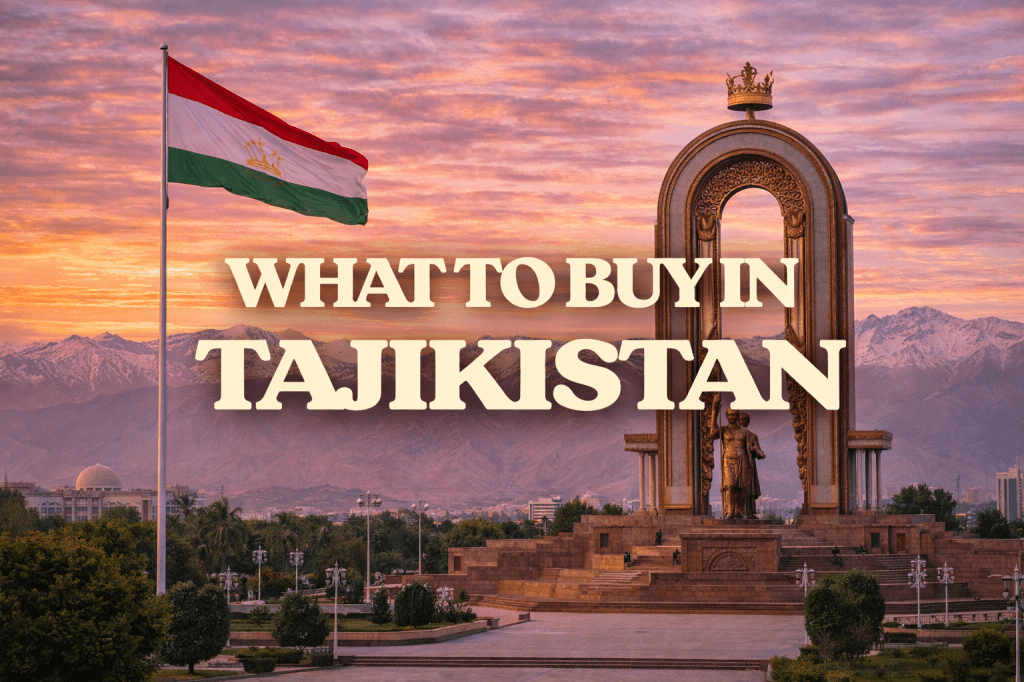
From the frost-silvered heights of the Pamir to the warm apricot-scented lanes of Dushanbe’s bazaars, Tajikistan greets the senses with sudden, tangible contrasts.
Mountain air tastes of thyme and wild honey, silk and wool shimmer under sunlit awnings at the Green Bazaar. The rhythmic clack of hand looms echoes through alleys in Penjikent and Istaravshan.
Walk a few steps through Khujand’s Panjshanbe or Dushanbe’s Korvon Bazaar and you’ll find piles of deep‑dyed adras, the jewel-bright threads of suzani embroideries, and sacks of dried apricots whose tang fills the air.
Each item carrying the textures of valley farming, Soviet-era trade routes, and centuries-old Pamiri craftsmanship. If you’re wondering what to buy in Tajikistan to bring a piece of its spirit back home, here are ten authentic keepsakes to seek out.
1. Suzani Embroidery
Why pick this up:
Suzani panels are hand-stitched, chain-stitched embroideries traditionally made by Tajik women; they capture floral motifs and symbolic patterns from Samarkand-influenced designs through to those made in Penjikent. A suzani brightens a home and preserves a centuries-old needlework tradition tied to weddings and dowries.
What to look for:
Seek dense chain-stitch work with silk or cotton threads on natural cotton ground; authentic pieces often show slight irregularities in stitch length and natural-dye shades. Check for provenance tags mentioning Penjikent, Khujand, or villages in Sughd province.
Price bracket (2025):
TJS 150–1,200 depending on size and age.
Where to find it:
Green Bazaar stalls in Dushanbe, Panjshanbe Bazaar in Khujand, and artisan cooperatives in Penjikent.
2. Adras (Ikat) Textiles
Why pick this up:
Adras—vivid, ikat‑dyed silk and cotton—reflects the Fergana Valley weaving influence present in Tajik markets, used for robes, suzani backings, and traditional costumes. Its blurred, resist-dyed patterns are unmistakably tactile and make striking scarves or upholstery.
What to look for:
Natural silk or cotton with hand-tied ikat patterns; color transitions should be slightly feathered rather than perfectly printed. Ask if the dye is natural (older pieces) versus modern chemical dyes.
Price bracket (2025):
TJS 50–450 per metre or finished garment.
Where to find it:
Textile stalls at Dushanbe’s Green Bazaar, craft markets in Istaravshan, and regional bazaars in Sughd.
3. Badakhshan Pashmina Shawls
Why pick this up:
Pashmina from Gorno-Badakhshan has a fine, buttery feel and reflects high-altitude goat fibre—luxurious, warm, and lightweight. These shawls are practical for cold climates and prized as heirloom gifts.
What to look for:
Look for labels stating “Badakhshan” or high cashmere content; real pashmina feels soft, has a slight halo, and shows tight, even weave. Beware of overly cheap “pashmina” blends sold as pure cashmere.
Price bracket (2025):
TJS 200–1,500 depending on size and purity.
Where to find it:
Khorugh bazaars in Gorno-Badakhshan, Dushanbe craft stalls, and museum shops.
4. Gissar Rugs and Carpets
Why pick this up:
Gissar rugs carry bold geometric medallions and vegetable-dyed wool typical of central Tajik weaving centres; they’re robust, low‑pile rugs made for everyday life. A small Gissar kilim can be a practical souvenir reflecting rural weaving traditions.
What to look for:
Hand-knotted construction, wool pile with natural dyes (madder, indigo), and regional motifs like repeating gul and boteh patterns. Check the knot density and the back of the rug for evenness.
Price bracket (2025):
TJS 600–8,000 for hand-knotted pieces; small runners TJS 300–900. Where to find it:
Carpet sellers in Dushanbe’s bazaars, antique markets in Khujand, and weaving co-ops in rural Gissar.
5. Tubeteika (Doppa) Embroidered Caps
Why pick this up:
The tubeteika, a small embroidered skullcap, is a ubiquitous everyday accessory that showcases local motifs—mountain flowers, geometric designs, and tribal emblems. It’s lightweight, easy to pack, and a wearable memory of Tajik style.
What to look for:
Hand-embroidery, bright silk threads on wool or cotton, and regional patterns (Pamir styles differ from Sughd). Ensure fine stitching and a proper fit; machine-made caps will have uniform, mechanical stitching.
Price bracket (2025):
TJS 15–150. Where to find it:
Street stalls at Korvon Bazaar in Dushanbe, Panjshanbe Bazaar in Khujand, and village markets.
6. Pamiri Silver Jewelry
Why pick this up:
Jewelry from Khorugh and other Pamiri towns uses silver filigree and turquoise inlays—pieces often worn in traditional festivals and reflecting Ismaili-Pamiri aesthetics. They double as wearable art and cultural keepsakes.
What to look for:
Look for sterling silver markings or visibly solid silver with hand-chased patterns, turquoise or coral set in bezels, and slight tool marks that prove handcrafted origin. Ask about the artisan or village when possible.
Price bracket (2025):
TJS 80–1,200 for rings, pendants, and bracelets.
Where to find it:
Khorugh bazaars, Dushanbe artisan cooperatives, and small jewelers in Istaravshan.
7. Dried Apricots, Mulberries & Nuts
Why pick this up:
Tajik valleys produce intensely sweet, sun-dried apricots, mulberries, and locally grown almonds—flavours concentrated by high-altitude sun and traditional drying methods. They’re ideal edible souvenirs that capture the agricultural heritage.
What to look for:
Uniformly dried fruit without excessive sugar coatings, a natural sheen, and provenance from regions like Qurghonteppa or Isfara. Ask vendors about drying methods—sun-dried is preferable to chemically treated.
Price bracket (2025):
TJS 20–80 per kg.
Where to find it:
Green Bazaar in Dushanbe, Panjshanbe Bazaar in Khujand, and roadside stalls en route to Penjikent.
8. Mountain Honey (Gissar/Pamir)
Why pick this up:
Honey from the Gissar Range or Pamir plateau carries floral notes of wild thyme, clover, or alpine herbs—each jar tastes like a specific valley bloom. It’s a prized, terroir-driven gift.
What to look for:
Thick consistency, single-flower varieties labeled (thyme, wildflower), and local producer names or village of origin. Avoid honey that’s excessively runny or labeled with unclear origin.
Price bracket (2025):
TJS 40–220 per 250–500g jar.
Where to find it:
Village markets in Gissar and Khatlon regions, Khorugh bazaar, and specialty stalls in Dushanbe’s bazaars.
9. Istaravshan Metalwork
Why pick this up:
Istaravshan is famed for small-scale metal crafts—hammered copper trays, engraved teapots, and decorative knives—crafted by generations of smiths. These items combine utility and ornate metal chasing for a lasting keepsake.
What to look for:
Hand-hammered surfaces, brass or copper with hand-etched patterns, and signs of traditional patination or niello inlay. Functional pieces like samovars or trays should feel solid and properly soldered.
Price bracket (2025):
TJS 50–900 depending on size and intricacy.
Where to find it:
Istaravshan workshops and Dushanbe’s antique and craft stalls.
10. Gissar Saffron
Why pick this up:
Small-scale saffron cultivation has expanded in parts of Tajikistan, producing threads with floral, honeyed aroma—an exotic spice that elevates rice dishes and teas. A little saffron goes a long way in the kitchen and is compact for travel.
What to look for:
Deep crimson threads, minimal yellow stalks, and a strong, sweet aroma; ask for aroma testing before buying. Purchase in small sealed packets with vendor-origin information to ensure authenticity.
Price bracket (2025):
TJS 30–120 per gram.
Where to find it:
Specialty spice stalls at Dushanbe’s Green Bazaar, markets in Gissar, and cooperative stalls in Khatlon.
Tip: Haggle politely at bazaars—start about 30–40% below the asking price, show respect for the seller’s craft, and buy small items to test quality 🙂
Local Shopping Culture & Traditions
Shopping in Tajikistan is a sensory, social ritual as much as a transaction. Bazaars, such as Dushanbe’s Green Bazaar and Khujand’s Panjshanbe are central gathering points where fresh produce, textiles, and household goods sit alongside artisans’ stalls.
Bargaining is common but should be done courteously with smiling negotiation. Many crafts are tied to regional identities: Penjikent and Istaravshan for embroidery and metalwork, Gorno‑Badakhshan for pashmina and Pamiri silver, and Gissar for carpets and honey.
Weekends and market days are the best time to meet artisans directly; village cooperatives and small workshops often welcome visitors in the afternoons. Cultural influences from the Silk Road, Persian textile traditions, and mountain pastoral life shape motifs, materials (silk, wool, silver), and the techniques you’ll encounter.
How to Spot Genuine Local Souvenirs
Look for materials and techniques characteristic of the region: chain-stitch suzani embroidery, ikat-dyed adras with feathered patterns, high-hill pashmina featuring a soft halo, and hand-knotted carpet backs that show uneven knotting.
Ask vendors where an item was made, authentic pieces often come with a village name or are sold by cooperatives that can point to the artisan.
To avoid imported or mass-produced fakes, check for irregularities that indicate handwork (slight asymmetry, tool marks), natural-dye hues versus neon synthetic colors, and the weight and feel of metals and fibers.
For food items, smell and texture are key: dried apricots should be supple and fragrant, saffron should scent strongly when a few threads are rubbed, and honey should crystalize or set depending on floral source—ask about harvest and processing dates.
Where to Shop in Tajikistan
- Dushanbe Green Bazaar (Bozori Sabz) and Korvon Bazaar — freshest foodstuffs, textiles, and daily crafts.
- Panjshanbe Bazaar in Khujand — one of the liveliest markets in the north with spices and textiles.
- Penjikent and Istaravshan bazaars — regional centers for embroidery and metalwork.
- Khorugh market in Gorno-Badakhshan — best for Pamiri silver and pashmina.
- Museum shops in Dushanbe and Khujand for curated craft pieces.
- Airport gift shops in Dushanbe for last-minute packaged foods and small crafts.
- Village craft cooperatives and weekend maker markets in the Gissar Valley.
FAQs
Q: Are souvenirs in Tajikistan expensive?
A: Prices vary widely—small textiles and food items are very affordable, while genuine pashminas, hand-knotted carpets, and antique pieces can be costly; bargaining is expected for many market purchases.
Q: Is bargaining common in Tajikistan?
A: Yes, respectful bargaining is common at bazaars and with independent sellers; start lower than the asking price, be friendly, and accept that very low offers may be refused.
Q: How do I know if food items will clear customs at home?
A: Packaged, sealed dried fruits, spices (like saffron), and honey are usually acceptable; check your destination country’s customs rules for plant products and avoid bringing fresh produce or unlabelled meat and dairy.
Explore Tajikistan’s bazaars and artisan towns to discover treasures that tell the story of its valleys and mountains—what to buy in Tajikistan will always be a little piece of those landscapes waiting to travel with you.
Let me know in the comments if you have any other top ‘what to buy’ ideas!
About the Author
Colin is the founder of SouvenirsIdeas.com and a passionate traveller with a soft spot for ceramics, markets, and food tours. He writes practical, first-hand guides to help you bring home souvenirs that actually mean something — not just more clutter!


 Souvenir Ideas to Take Home from Every Country and City
Leave a comment