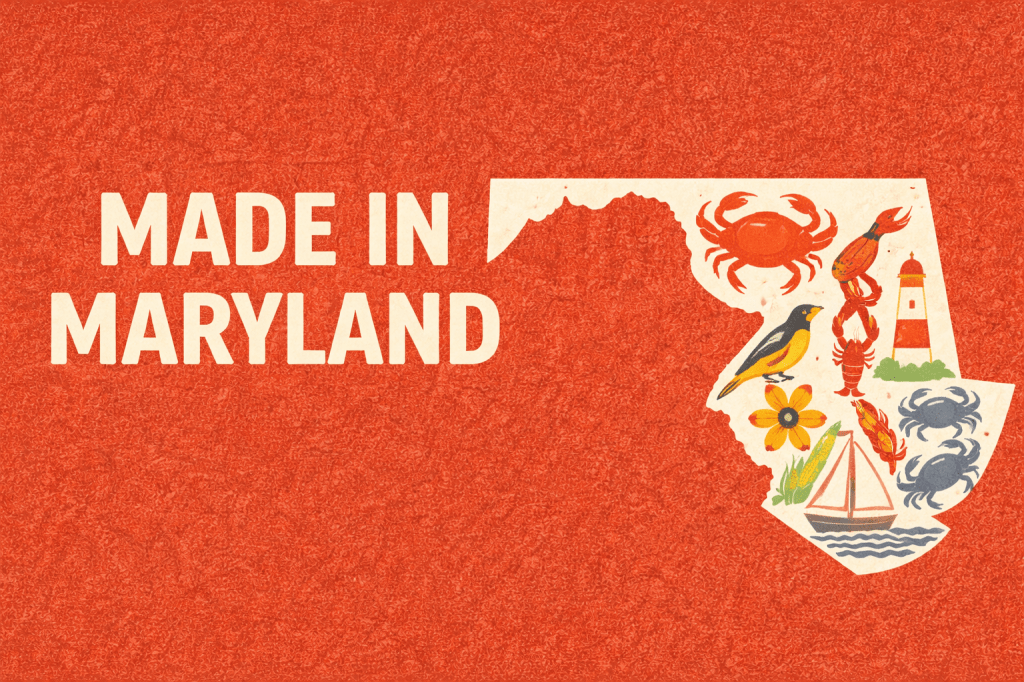
Maryland unfurls from the brackish wetlands of the Eastern Shore through tide-slick marshes and oyster bars to the redbrick rowhouses and harbor cranes of Baltimore. You can taste it in the salt on your lips, hear it in the creak of old wooden piers, and see it in craftforms shaped by fishermen, potters, distillers and bakers.
Local materials like Chesapeake crab shells, Eastern Shore sea salt, Appalachian hardwoods, and soft Maryland clay feed a hands-on artisan culture that blends colonial-era skills with modern small-batch creativity.
Here are the best things truly made in Maryland, products that reflect its heritage, creativity, and everyday life.
1. Berger Cookies
Why it’s made here:
Berger Cookies were born in Baltimore, where German immigrant baking traditions met city tastes. The thick chocolate frosting on a soft, cake-like cookie is a signature local indulgence tied to neighborhood bakeries.
What to look for:
Seek the dense, dolloped frosting and a stamp or label referencing Baltimore bakery heritage; avoid thin, uniformly covered supermarket imitations.
Price bracket (2025):
$6–$12 per box (local bakery prices vary).
Where to find it:
Bakeries in Baltimore neighborhoods, specialty deli counters, and regional boxed versions at local markets and BWI airport shops.
2. Smith Island Cake
Why it’s made here:
Smith Island, in the Chesapeake, developed a multi-layered cake to use local eggs, butter and molasses — the dense, many-layered confection is Maryland’s official state dessert and a testament to island baking.
What to look for:
Count the thin layers (traditionally 8–12), check for a buttery frosting, and prefer shops that list Smith Island or Eastern Shore origins.
Price bracket (2025):
$25–$60 for whole cakes (smaller slices available).
Where to find it:
Bakeries on the Eastern Shore, ferry-side shops, farmers’ markets and select Annapolis patisseries.
3. Chesapeake Bay Oysters (Farmed)
Why it’s made here:
The Bay’s brackish waters produce oysters with a clean, mineral-driven flavor; decades of aquaculture have made farmed Chesapeake oysters a staple of local cuisine and export.
What to look for:
Buy oysters with harvest tags showing the aquaculture farm or Bay region; ideal oysters should smell briny but not overly fishy.
Price bracket (2025):
$1.00–$3.50 per oyster at markets; $20–$50+ per dozen at restaurants.
Where to find it:
Eastern Shore oyster farms, seafood counters, waterfront markets, and certified Maryland fishery stands.
4. Chesapeake Sea Salt
Why it’s made here:
Salt-makers across the Eastern Shore evaporate Bay water to capture the region’s mineral-rich salt — a concentrated taste of marsh and tidal flats used in cooking and as a souvenir.
What to look for:
Small-batch jars labeled with harvest location (e.g., Eastern Shore, Assateague) and minimal added ingredients; flaky textures are common.
Price bracket (2025):
$6–$20 per jar, depending on size and finishing.
Where to find it:
Farmers’ markets, seaside gift shops, and small-batch food producers on the Shore.
5. Maryland Rye Whiskey
Why it’s made here:
Maryland has a historic rye tradition dating to colonial times; contemporary distilleries on Baltimore’s waterfront and Western Maryland are reviving and aging rye whiskeys from locally sourced grain.
What to look for:
Look for proof, age statements, and grain bills that list Maryland-grown rye; small-batch or single-barrel releases indicate craft production.
Price bracket (2025):
$35–$80 for standard bottles; limited releases $100+.
Where to find it:
Distillery tasting rooms, state liquor stores, and regional spirit shops.
6. Chesapeake Crab Seasoning & Spice Blends
Why it’s made here:
The Blue Crab defines Maryland cuisine; local spice houses create blends designed specifically for steaming crabs, seasoning crab cakes, and seasoning fries.
What to look for:
Spice jars that list Maryland-origin and local mill or spice house; recognizable savory-salty profiles with celery, paprika and pepper.
Price bracket (2025):
$5–$18 per jar or tin.
Where to find it:
Harborfront markets, fishery sideline stalls, and specialty food shops.
7. Sailcloth & Nautical Canvas Goods
Why it’s made here:
Annapolis and Chesapeake shipyards need durable sailcloth and canvas for work on boats; sailmakers and canvas shops repurpose heavy-duty material into bags, awnings and outdoor gear with a maritime aesthetic.
What to look for:
Heavy stitches, reinforced seams, UV-resistant fabric and labels noting local sail lofts or custom canvas makers.
Price bracket (2025):
$40–$250 (small goods to custom bags/awnings).
Where to find it:
Marina lofts, Annapolis workshops, and waterfront boutiques.
8. Baltimore Clay & Studio Pottery
Why it’s made here:
Maryland clay and a long ceramic tradition in Baltimore and the Eastern Shore fuel a lively pottery scene — utilitarian stoneware, slip-decorated pieces, and contemporary art ceramics all come from local kilns.
What to look for:
Artist signatures, irregularities in glaze, and studio labels or gallery tags indicating local ceramic studios.
Price bracket (2025):
$20–$300+ depending on size and artist reputation.
Where to find it:
Pottery studios, weekend craft fairs, gallery co-ops and museum shops.
9. Hand‑Carved Crab Mallets & Wooden Kitchenware
Why it’s made here:
Chesapeake woodworkers turn local hardwoods into practical utensils and crab mallets—tools shaped for cracking shells that also nod to the region’s seafood culture.
What to look for:
Solid hardwood (white oak, cherry), smoothly sanded handles, and maker stamps; avoid mass-molded composites.
Price bracket (2025):
$12–$75 depending on craftsmanship.
Where to find it:
Woodworking booths at farmers’ markets, craft fairs, and shoreside artisan shops.
10. Local Honey & Beekeeping Products
Why it’s made here:
Maryland’s orchard lands and coastal flora produce distinctive honeys — clover and wildflower varieties and specialty options infused with bay-area flora.
What to look for:
Labels listing the county or floral source and raw/unpasteurized claims; crystallization is normal in pure honey.
Price bracket (2025):
$8–$25 per jar.
Where to find it:
Farmers’ markets, roadside farm stands, and cooperative agricultural stores.
11. Maryland Craft Beer
Why it’s made here:
From Baltimore to Frederick and the Eastern Shore, microbreweries translate local water profiles and malts into hoppy ales, robust porters and session beers rooted in regional tastes.
What to look for:
Brewery names tied to Maryland towns, small-batch seasonal releases, and on-site taproom-only cans or crowlers.
Price bracket (2025):
$4–$10 per pint at taprooms; $10–$20 per six-pack.
Where to find it:
Brewpubs, brewery taprooms, and specialty beer shops.
12. Hand‑Stitched Leather Goods
Why it’s made here:
Western Maryland saddlery and urban leatherworkers produce belts, wallets and bags using durable hides — a blend of Appalachian tooling techniques and contemporary design.
What to look for:
Solid stitching, vegetable-tanned leather, maker marks or stamped initials and evidence of hand-finishing.
Price bracket (2025):
$30–$250 depending on piece and custom work.
Where to find it:
Craft fairs, atelier workshops, and historic downtown boutiques.
13. Piscataway & Local Indigenous Beadwork and Basketry
Why it’s made here:
Indigenous artisans, including members of the Piscataway and other Mid-Atlantic tribes, keep beadwork, basketry and traditional crafts alive — pieces that reflect local materials and ancestral patterns.
What to look for:
Artist attribution, culturally accurate patterns, use of traditional materials and respectful provenance statements.
Price bracket (2025):
$25–$400 depending on complexity and materials.
Where to find it:
Tribal community events, cultural centers, museum shops with vetted craft programs, and specialized Indigenous artisan markets.
Local Makers & Traditions
Maryland’s craft heritage is anchored in the Chesapeake: watermen and oystermen, colonial bakers and brickmakers, Appalachian woodworkers and Baltimore artisans.
Cities like Baltimore and Annapolis host clay studios, sail lofts and distilleries; the Eastern Shore is a hive of small farms, salt producers and pastry traditions from Smith Island.
Traditional techniques include oyster aquaculture and smoking, salt evaporation, sailmaking, slip-decorated and salt-glazed pottery, and age-old rye distillation methods, all carried on by family-run operations and community studios.
Seasonal markets, county fairs and maritime festivals remain key venues where makers sell directly to the public; many artisans also open modest workshops or participate in cooperative galleries that maintain the region’s craft continuity.
How to Spot Genuine Local Products
- Check provenance labels: look for county names, farm or studio addresses, or statements like “harvested in Chesapeake Bay” or “made in Baltimore.”
- Inspect craftsmanship: small imperfections, hand-signed pottery, visible hand-stitching and irregular glaze or wood grain indicate handmade work.
- Ask questions: vendors who can describe their process, source of materials and production timeline are usually genuine makers.
- Verify food & seafood: for oysters and shellfish, look for harvest tags or state-certified labeling; for condiments and preserves, check for local producer names and small-batch batch numbers.
- Beware of mass-produced branding: identical, glossy finishes, barcode-only packaging, or “souvenir” racks often signal imported goods rather than Maryland-made craft.
Where to Buy Made-in-Maryland Goods
- Local farmers’ markets (Baltimore, Annapolis, Eastern Shore markets)
- Waterfront and historic town centers with artisan stalls and boutiques
- Distillery and brewery tasting rooms and on-site shops
- Pottery studios, sail lofts and craft cooperatives with direct sales
- Museum shops and curated cultural centers that vet local makers
- Airport regional shops (BWI) offering a selection of Maryland products
FAQs
Q: Are products in Maryland expensive?
A: Prices vary widely — you can find affordable small-batch foods and souvenirs, while handcrafted pottery, aged spirits and custom leatherwork command higher prices due to materials and labor.
Q: How can I tell if something is authentically made here?
A: Look for studio or farm addresses, maker signatures, harvest tags (for seafood), and vendors who explain production methods; absence of origin details is a red flag.
Q: What is the best made-in-Maryland gift to bring home?
A: Edible items that travel well — Berger Cookies, Smith Island cake slices, Chesapeake sea salt or a jar of local honey — offer an immediate taste of place and are widely appreciated.
Made in Maryland treasures capture the region’s salt, wood, clay and grain — seek them out and bring a bit of the Chesapeake home.
Let me know in the comments if you have any other top ‘what to buy’ ideas!
About the Author
Colin is the founder of SouvenirsIdeas.com and a passionate traveller with a soft spot for ceramics, markets, and food tours. He writes practical, first-hand guides to help you bring home souvenirs that actually mean something — not just more clutter!


 Souvenir Ideas to Take Home from Every Country and City
Leave a comment