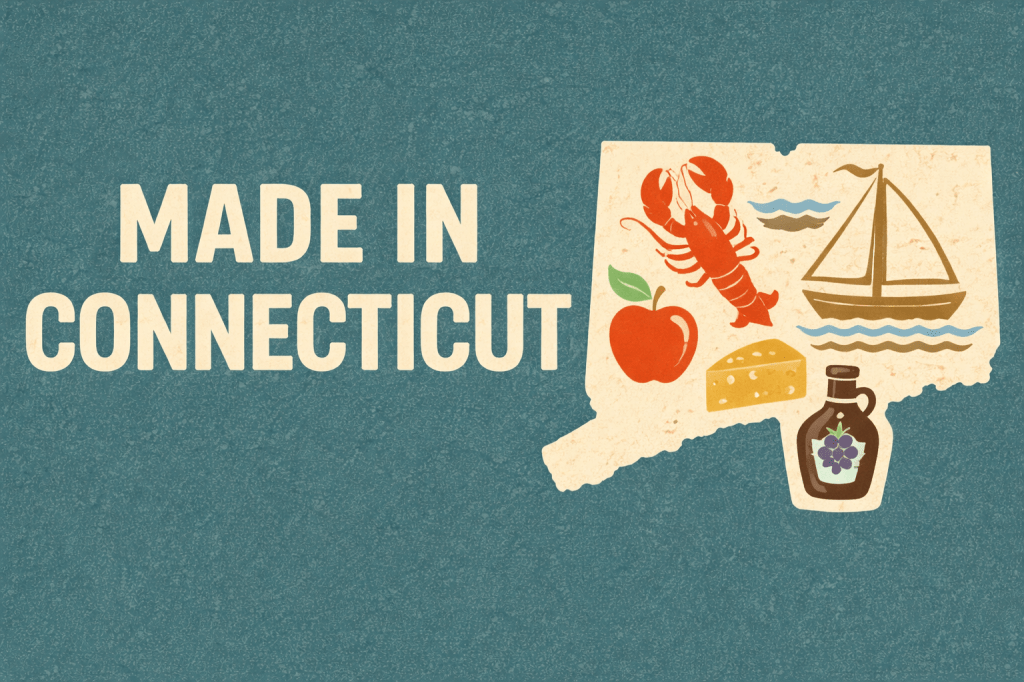
Rolling hills, rocky coastline, and a long river valley stitch Connecticut together – working farms in the Litchfield Hills, shellfish beds along Long Island Sound, and old mill towns that spun wool and leather for centuries.
The state’s crafts and foods come from that geography: river‐grown tobacco, salt-tinged oysters, maple tapped from sugarbushes, small creameries and bench-made leather that still carry fingerprints and kiln marks.
Here are the best things truly made in Connecticut, products that reflect its heritage, creativity, and everyday life. Made in Connecticut goods often marry maritime know‑how, river-valley agriculture, and a revived small‑batch artisan economy.
1. Connecticut Shade Tobacco (Cigar Wrappers)
Why it’s made here: The Connecticut River Valley’s microclimate — misty mornings, warm afternoons and sandy loam — produces the thin, silky-leaf tobacco long prized as cigar wrappers. Generations of growers perfected shade tents and curing techniques here.
What to look for: Look for “Connecticut shade” on labels, leaf uniformity and light, oily sheen indicating careful curing. Whole-leaf bundles or labeled wrapper leaf are more likely genuine than unlabeled bulk.
Price bracket (2025): $15–$60 for small bundles; $3–$8 per wrapped cigar for mid-range producers.
Where to find it: Tobacconists and specialty tobacco shops in towns along the Connecticut River Valley, farm-direct at seasonal sales, and tobacco museum shops.
2. Long Island Sound Oysters
Why it’s made here: Cold currents and tidal estuaries of Long Island Sound create briny, firm oysters with mineral and cucumber notes; small family leases and shellfish farms have sustained coastal towns for centuries.
What to look for: Fresh shucked oysters with firm texture and a clean brine; shellfish tags showing harvest area; farmer or co-op names on packaging.
Price bracket (2025): $1.50–$4 per oyster at raw bars; $15–$40 per pint for shucked or packaged oysters.
Where to find it: Shoreline fish markets, oyster bars in Mystic/New Haven/Guilford, farmers’ markets and seasonal seafood stands.
3. Small‑Batch Apple Cider & Hard Cider
Why it’s made here: Connecticut’s orchards — especially in Litchfield and the Connecticut River Valley — yield eating and heirloom cider apples that local presses and cideries turn into bright fresh cider and fermented hard ciders with regional character.
What to look for: Local orchard names, varietal or “cider apple” listings, cloudy unfiltered fresh cider, bottle dates for freshness, and small-batch lot numbers for hard cider.
Price bracket (2025): $6–$12 for fresh cider (half-gallon); $12–$25 per bottle of craft hard cider.
Where to find it: Orchard stands, farm stores, cidery tasting rooms and seasonal markets.
4. Litchfield Hills Maple Syrup
Why it’s made here: Cold winters and sugaring runs in northwest Connecticut create ideal sap flow; family sugarhouses and community festivals keep the craft alive across the hills.
What to look for: Grade A markings, producer name and year, light-to-amber color which signals flavor profile, and small-batch bottling or “sugarhouse” origin.
Price bracket (2025): $12–$30 for 8–16 oz bottles depending on grade and small-batch status.
Where to find it: Farm stands, winter maple festivals, and local specialty food shops.
5. Handcrafted Connecticut Oystershell Jewelry & Maritime Crafts
Why it’s made here: The shoreline’s shells, rope traditions and boatbuilding culture supply both materials and inspiration for artisans who turn oyster shell, rope, brass and reclaimed timber into jewelry, knotwork and model boats.
What to look for: Natural shell patina, hand-knotting on rope pieces, maker’s stamp or signature, and visible tool marks on wooden models.
Price bracket (2025): $25–$150 for jewelry and small pieces; $150–$1,500+ for handcrafted model boats.
Where to find it: Coastal craft fairs, Mystic Seaport gift shops, artisan galleries in shoreline towns.
6. Artisan Cheeses from Micro‑Creameries
Why it’s made here: Small dairy farms across Connecticut produce milk for hand‑made chevre, aged cheddars and washed-rind cheeses; local terroir and short supply chains encourage unique seasonal cheeses.
What to look for: Farm or creamery name, milk source listed, small wheel or log formats, and tasting notes about pasteurization and aging.
Price bracket (2025): $8–$30 per pound depending on style and age.
Where to find it: Farmers’ markets, specialty grocers, creamery storefronts and farm stands.
7. Hand‑thrown Pottery and Stoneware
Why it’s made here: Clay deposits, historic kiln sites and a lively studio pottery scene mean many Connecticut potters craft functional wares—mugs, baking dishes and storage crocks—rooted in New England aesthetics.
What to look for: Potter’s signature or stamp on the base, slight irregularities from wheel-throwing, kiln glaze variations and provenance tags.
Price bracket (2025): $25–$150 for individual functional pieces; $200–$800+ for limited or sculptural work.
Where to find it: Pottery studios, cooperative galleries, fall artisan markets and craft schools’ sales.
8. Handmade Leather Goods & Saddlery
Why it’s made here: Connecticut’s history of harness and saddle makers blends with current leather ateliers crafting belts, bags and hand-tooled goods—often using vegetable-tanned hides and traditional stitching.
What to look for: Tight saddle stitching, edge burnishing, vegetable-tan markings, maker’s emboss or tag and full-grain hide characteristics.
Price bracket (2025): $40–$250 for bags and belts; $100–$800+ for bespoke saddlery.
Where to find it: Leather workshops, equestrian supply shops, craft fairs and custom-order studios.
9. Small‑Batch Distilled Spirits (Rye, Bourbon, Gin)
Why it’s made here: Connecticut’s grain farms and craft distillers create rye-forward spirits and coastal botanical gins, often highlighting local barley, corn and botanicals sourced from the state.
What to look for: Distillery name, mash bill or botanical list, batch number and tasting-room bottlings or single-barrel indicators.
Price bracket (2025): $30–$80 for standard bottles; $80–$200+ for single‑barrel or limited releases.
Where to find it: Distillery tasting rooms, liquor stores with local sections and farm distillery shops.
10. Quilts, Coverlets & Woven Textiles
Why it’s made here: New England quilting traditions and small‑scale weavers in Connecticut keep hand-stitching, pattern-making and wool weaving alive, producing heirloom quilts and woven throws that reflect regional patterns.
What to look for: Hand stitching, provenance tags, natural fiber content (wool/cotton/linen), and signs of traditional patterns or dyes.
Price bracket (2025): $75–$600 for quilts and throws depending on size and labor; $25–$150 for smaller textile goods.
Where to find it: County craft guild sales, historic house museums’ shops, weaving studios and fiber festivals.
11. Smoked Bluefish & Striped Bass
Why it’s made here: Local fishers smoke seasonal catches using salt, hardwoods and time-honored smokehouses; the Sound’s oily bluefish and firm striped bass make flavorful, shelf-stable products.
What to look for: Clear labeling of species and smokehouse, vacuum-sealed packaging for freshness, and “cold-smoked” vs “hot-smoked” notes.
Price bracket (2025): $10–$30 per package depending on size and source.
Where to find it: Shorefish markets, seafood counters at farmers’ markets, specialty food stores and select delis.
Local Makers & Traditions
Connecticut’s craft heritage is layered. Native American artisans of the region passed down basketry and beadwork traditions. Colonial workshops produced furniture, pottery and metalwork. Shoreline towns developed a dense maritime economy of shipbuilding, ropemaking and shellfishing.
Today that history shows in family-run tobacco farms in the Connecticut River Valley, sugarhouses in the northwest hills, and the boatwrights and rope artisans clustered around Mystic and other harbor towns.
Weekend craft fairs, community potteries and seasonal farmers’ markets remain the best places to meet makers who learned techniques from older generations and are adapting them to modern tastes.
How to Spot Genuine Local Products
- Check provenance labels: real local goods will list farm, producer or distillery names, harvest/press dates, and batch numbers for small runs.
- Look for maker marks: potters, leatherworkers and weavers typically sign or stamp pieces; jewelry will carry maker’s tags.
- Examine materials and finish: hand-thrown pottery has tool marks and glaze variation, leather shows full-grain texture and hand-stitched edges, and authentic oysters carry shellfish harvest tags.
- Beware of generic packaging and “New England” claims without a producer listed — mass-produced items often hide origin behind broad regional wording.
- For Native-made crafts, look for artist attribution and tribal affiliation or certificates from tribal craft centers to ensure respectful, authentic sourcing.
Where to Buy Made-in-Connecticut Goods
- Farmers’ markets and seasonal food festivals across Litchfield County and the Connecticut River Valley
- Shoreline seafood markets and oyster bars in Mystic, Clinton, Stonington and Guilford
- Distillery and winery tasting rooms, and cideries at farm stands
- Cooperative galleries, craft fairs and historic house museum shops (especially in Mystic and Litchfield)
- Airport specialty stores and curated local product sections in city center boutiques
FAQs
Q: Are products in Connecticut expensive?
A: Prices range widely — farmstand cider and oysters can be affordable, while handcrafted furniture, bespoke saddlery or limited‑release spirits command higher prices because of labor and small-batch production.
Q: How can I tell if something is authentically made here?
A: Look for a named producer, harvest or production dates, batch numbers, maker’s stamp and clear provenance. Ask where materials were sourced and whether the item was finished locally.
Q: What is the best made-in-Connecticut gift to bring home?
A: Choose something tied to place: a jar of Litchfield maple syrup, a package of Long Island Sound oysters (if you can transport them), a small hand-thrown mug from a Connecticut potter, or a bottle from a local distillery — all carry local flavor and story.
Discovering locally made goods reveals Connecticut’s layered landscape and crafts; seek out producers and taste the region through products truly made in Connecticut.
Let me know in the comments if you have any other top ‘what to buy’ ideas!
About the Author
Colin is the founder of SouvenirsIdeas.com and a passionate traveller with a soft spot for ceramics, markets, and food tours. He writes practical, first-hand guides to help you bring home souvenirs that actually mean something — not just more clutter!

 Souvenir Ideas to Take Home from Every Country and City
Leave a comment