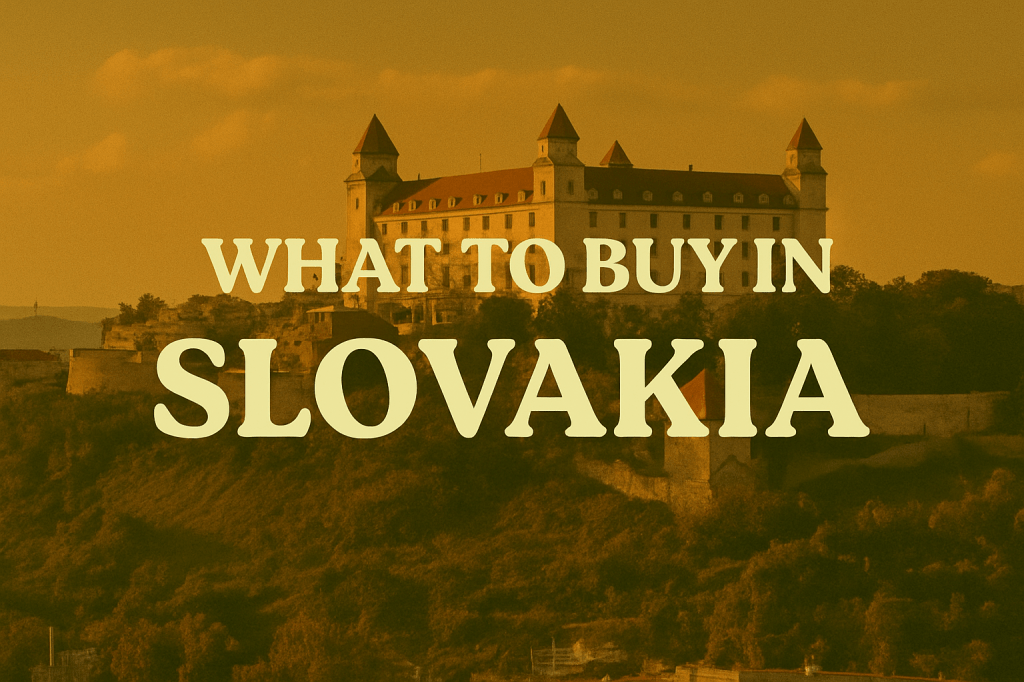
From the slate roofs of Bratislava’s Old Town to the wind-carved ridges of the High Tatras, Slovakia greets the senses with cool mountain air, the resinous scent of linden and spruce, and the low hum of folk songs spilling out of village squares.
Morning markets near Hlavné námestie in Košice and Stará tržnica in Bratislava are full of sun-warmed honey jars, braided smoked cheeses, and the glaze-sheen of freshly thrown Modra pottery, each stall offering a tactile slice of regional life.
In wooden cottages from Orava to Liptov, artisans still carve fujaras and whittle toys, while embroidered kroje from Spiš and Šariš hang like living maps of local history.
Whether you want a playable fujara or a tin of bryndza, choose thoughtfully, these Slovakia souvenirs are memories you can hold, taste, or play.
Here’s what to buy in Slovakia to bring a piece of its spirit back home.
1. Fujara (Shepherd’s Flute)
Why pick this up:
The fujara is a long, wooden shepherd’s flute from central Slovakia (Horehronie) and is recognized for its deep, haunting tones and UNESCO-listed tradition. It’s both a playable instrument and a sculptural keepsake that carries mountain air in its wood grain.
What to look for:
Seek instruments carved from spruce or maple with maker’s marks and traditional carved motifs; shorter practice flutes are easier to travel with while full-size fujaras produce the classic bass. Test for clear tones and ask the artisan about tuning and provenance for the best authentic piece.
Price bracket (2025):
€90–€350
Where to find it:
Folk festivals like Východná, artisan stalls in Liptovský Mikuláš, museum shops, and craft markets in Bratislava Old Town.
2. Bryndza (Sheep Cheese)
Why pick this up:
Bryndza is Slovakia’s iconic sheep-milk cheese—tangy, salty, and central to dishes like bryndzové halušky—offering a literal taste of mountain meadows. A small tub lets you bring home an essential Slovak flavor.
What to look for:
Choose vacuum-sealed or well-packaged tubs labeled with region (Liptov, Orava) and check expiry dates; artisan producers often have a more complex, savory profile than mass-market brands. Ask vendors at markets about storage and customs rules for dairy when flying.
Price bracket (2025):
€3–€8 per 200 g tub
Where to find it:
Stará tržnica (Bratislava Old Market Hall), Hlavné námestie stalls in Košice, farmers’ markets and specialty cheese shops.
3. Slivovica (Plum Brandy)
Why pick this up:
A sip of slivovica captures orchard-rich summers and is a classic digestif across Slovak households—perfect as a grown-up souvenir or gift. Small-batch distilleries produce brandies with distinct local character.
What to look for:
Opt for bottles from regional distilleries in Orava, Šariš, or Zemplín with clear labeling of proof and origin; barrel-aged variants will show a warmer color and deeper flavor. Ensure bottles are sealed and packaged for safe transport.
Price bracket (2025):
€12–€45
Where to find it:
Local distilleries, regional farm shops, Christmas markets and liquor stores in Bratislava and Poprad.
4. Modra Pottery
Why pick this up:
Modra, west of Bratislava, is famed for hand-painted earthenware with delicate floral or folk motifs—both decorative and eminently usable. These ceramics echo centuries of regional table culture.
What to look for:
Look for hand-brushed patterns and a Modra stamp or maker signature; small imperfections in glaze are signs of handmade production. Choose smaller plates, mugs or ornaments for easier packing.
Price bracket (2025):
€15–€80
Where to find it:
Pottery shops in Modra, craft stalls in Bratislava, and museum gift shops.
5. RONA Glassware (Slovak Crystal & Designer Glass)
Why pick this up:
RONA glassworks produces mouth-blown crystal and contemporary glass design that marry traditional skill with modern aesthetics. Pieces make elegant gifts and practical tableware with clear Slovak design heritage.
What to look for:
Check for RONA labels or factory stamps and look for subtle tool marks and pontil scars that denote handmade work; minor bubbles can indicate authentic mouth-blown glass. Smaller glasses or vases are easier to pack.
Price bracket (2025):
€25–€200
Where to find it:
RONA factory outlets (Lednické Rovne), Bratislava design shops, and museum stores.
6. Čičmany-Pattern Textiles
Why pick this up:
The white geometric motifs of Čičmany, painted on the village’s timber houses, appear on textiles too—table linens, cushions, and scarves that translate a UNESCO-style aesthetic into everyday items. They make striking, graphic souvenirs.
What to look for:
Favor linen or wool textiles with authentic Čičmany patterns, hand-printed or hand-embroidered; provenance tags or artisan names indicate genuine pieces. Avoid cheap, machine-printed knockoffs if you want an heirloom-quality item.
Price bracket (2025):
€12–€60
Where to find it:
Village craft stalls in Čičmany and Vlkolínec, Banská Bystrica markets, and folk festivals.
7. Traditional Embroidery & Kroj Accessories
Why pick this up:
Hand embroidery from regions like Spiš, Šariš, and Zemplín showcases centuries of pattern language—each stitch can signal a village, a celebration, or a family lineage. Small accessories like aprons, belts or collar bits are wearable pieces of history.
What to look for:
Inspect dense, uneven stitching and natural threads (linen, wool); handwork will have slight variations that machines don’t replicate. Ask about the region of origin to understand the motif’s meaning.
Price bracket (2025):
€8–€70
Where to find it:
Východná Festival stalls, Košice craft markets, and museum boutiques.
8. Slovak Honey & Bee Products
Why pick this up:
High-Tatra and Carpathian meadows yield honey with floral and sometimes resinous notes—not just a sweet treat but a direct taste of Slovakia’s alpine pastures. Beekeepers also sell propolis, beeswax candles, and creamed honey.
What to look for:
Buy jars labeled with the beekeeper’s name and region, and choose varietals like acacia or buckwheat for distinct flavors; avoid unlabeled generic jars. Small sealed jars travel well and make excellent gifts.
Price bracket (2025):
€4–€20
Where to find it:
Farmers’ markets in Bratislava and Košice, village bazaars, and mountain tourist centers.
9. Hand-Carved Wooden Toys & Kitchenware
Why pick this up:
Woodworking from Liptov and Orava produces charming toys, ladles, rolling pins, and bowls that feel warm to the touch and age beautifully. These objects reflect a long tradition of timber craft in the Carpathians.
What to look for:
Choose items made from linden, beech or maple with visible carving marks and a food-safe oil finish for kitchen pieces. Avoid perfectly uniform items that indicate machine production if you want an artisan original.
Price bracket (2025):
€5–€60
Where to find it:
Craft markets, museum shops, artisan villages around Liptov and Orava.
10. Korbáčiky (Smoked String Cheese)
Why pick this up:
Korbáčiky are braided, lightly smoked cheese strings from northern Slovakia (Orava, Liptov) that capture the country’s rustic dairy tradition and make a portable, savory snack. They’re beloved by locals and visitors alike.
What to look for:
Select vacuum-sealed packs or freshly wrapped braids with a firm but pliant texture; check labels for region and producer for the best flavor. Pack in checked luggage if customs allow, or buy sealed versions for easier travel.
Price bracket (2025):
€3–€10 per braid
Where to find it:
Cheese stalls at markets, Tatra-region shops, and specialty food stores.
11. Folk Jewellery & Filigree Beads
Why pick this up:
Small-scale silver filigree, coral-colored glass bead necklaces, and traditional brooches echo motifs from Slovak kroje and make wearable reminders of regional identity. Jewelry is easy to pack and brings a personal element of costume tradition to everyday style.
What to look for:
Look for sterling silver marks or artisan signatures and hand-strung beads; conventional hallmarks and small imperfections indicate handmade work rather than mass-produced trinkets. Ask about the origins of any semi-precious stones or glass beads used.
Price bracket (2025):
€10–€120
Where to find it:
Bratislava Old Town stalls, Košice markets, museum shops and folk festivals.
Tip: When you buy directly from an artisan, ask about the story behind the piece and how it was made — that story often becomes the best part of the souvenir. 🎒
Local Shopping Culture & Traditions
Markets and bazaars in Slovakia are lively social spaces rather than mere retail hubs. In Bratislava, Stará tržnica and the Old Town stalls bustle with weekend shoppers, while Košice’s Hlavné námestie hosts seasonal markets and festivals.
Folklore festivals like Východná bring craft traditions out of villages. Vlkolínec and Čičmany are small UNESCO-listed places where painted houses and local craft stalls keep centuries-old motifs alive.
Bargaining is limited but polite at open-air markets; it’s more common to accept fixed prices for artisan goods while small haggling can happen with food vendors.
Many crafts are tied to regional identities: Liptov and Orava for dairy and woodwork, Modra for pottery, and Horehronie for fujara making.
Weekend markets, seasonal Christmas markets in Bratislava and Košice, and summer folk fairs are the best times to meet makers, hear stories, and watch items being crafted.
How to Spot Genuine Local Souvenirs
Look for provenance and tactile signs of handcraft: maker’s stamps, uneven brush strokes on pottery, slight asymmetry in hand-turned glass, and visible carving marks on wooden items.
Materials matter – linden and beech for toys, spruce or maple for fujaras, natural linen or wool for embroidered textiles, and region-labeled honey or cheese for food items.
Avoid suspiciously perfect decorative goods and cheap plastic imitations; ask vendors where an item was produced and prefer pieces that list a village or artisan. For food and drink, check sealed packaging, producer names, and expiry or bottling dates to ensure freshness and safe transport.
Where to Shop in Slovakia
- Stará tržnica (Bratislava Old Market Hall) and the Old Town craft stalls
- Hlavné námestie markets and seasonal fairs in Košice
- Východná Folklore Festival and other regional folk festivals
- Vlkolínec and Čičmany village craft stalls (UNESCO-linked attractions)
- RONA factory outlet (Lednické Rovne) and Modra pottery shops
- Museum shops (Slovak National Museum, regional museums) and airport gift shops in Bratislava and Poprad-Tatry
FAQs
Q: Are souvenirs in Slovakia expensive?
A: Prices vary widely—local food and small crafts are very affordable, while hand-made instruments, high-quality glass, and complex textiles can be pricier but still often less expensive than equivalent Western European crafts.
Q: Is bargaining common in Slovakia?
A: Not usually in established shops or museum stores; at open-air markets and with independent vendors you can politely negotiate small discounts, especially on multiple purchases.
Q: How do I know if a food item can be taken home?
A: Check for vacuum-sealed packaging and clear producer labels; ask vendors about customs rules, and place perishables like cheese in checked luggage or buy sealed versions for carry-on.
Explore Slovakia’s markets, meet the makers, and let the country’s textures and tastes guide your shopping—Slovakia souvenirs await.
Let me know in the comments if you have any other top ‘what to buy’ ideas!
About the Author
Colin is the founder of SouvenirsIdeas.com and a passionate traveller with a soft spot for ceramics, markets, and food tours. He writes practical, first-hand guides to help you bring home souvenirs that actually mean something — not just more clutter!


 Souvenir Ideas to Take Home from Every Country and City
Leave a comment