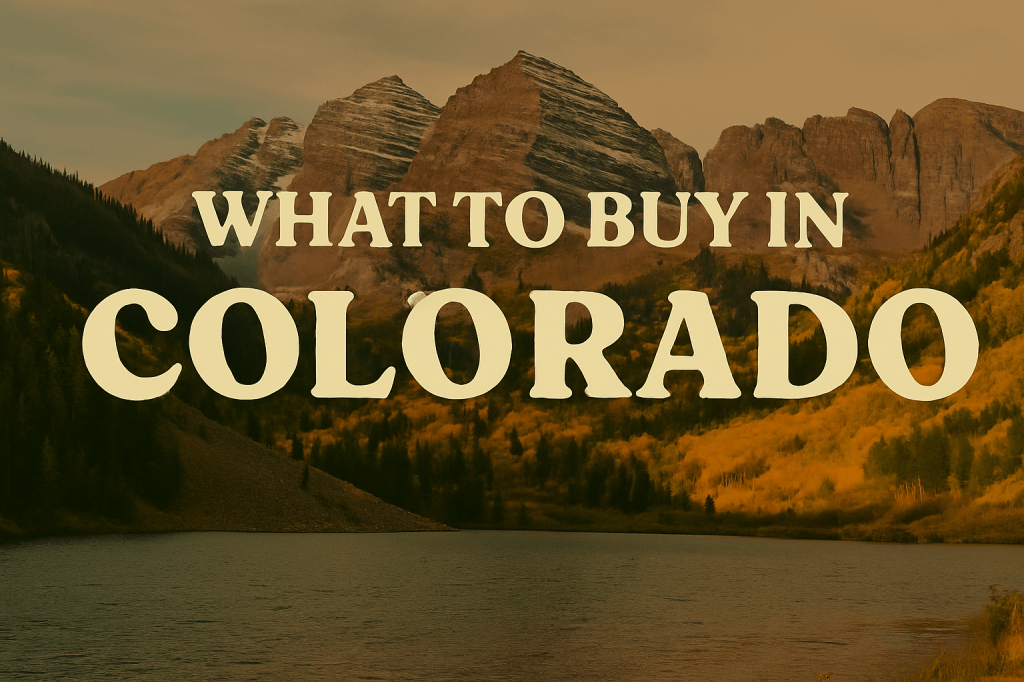
From the wind-whipped ridgelines of the Rockies to the sun-baked orchards of the Western Slope, Colorado feels like a sensory map: the pine-resin scent in an Aspen grove, the metallic tang of high-altitude snowmelt, the dusty red clay of Pueblo pottery under your fingers.
Morning light on Maroon Bells, the hard crunch of trail dust beneath your boots, and the chatter at a Saturday farmers market make the state’s craft and food traditions tastefully immediate.
Walk a Saturday morning through the Palisade Farmers Market or a First Friday in Denver’s Santa Fe Arts District and you’ll find local makers, beadworkers, potters, ranchers, and brewers turning mountain resources into keepsakes.
Whether it’s hand-turned pottery from Pueblo clay or small-batch Palisade peach jam, these Colorado souvenirs capture place through material and seasonality. Here’s what to buy in Colorado to bring a piece of its spirit back home.
1. Pueblo Pottery
Why pick this up:
Pueblo pottery celebrates centuries-old Puebloan techniques with painted slips and coil-built forms that feel connected to the Sangre de Cristo and Pueblo regions. Owning a piece is like holding a small section of Southwestern Colorado history and the clay’s warm earthy scent is unmistakable.
What to look for:
Seek hand-coiled construction, natural mineral slips, and traditional motifs rather than perfectly uniform pieces; authentic Pueblo work will show the potter’s fingerprints and firing irregularities. Avoid mass-produced “Southwestern” ceramics that are too glossy or uniformly perfect.
Price bracket (2025):
$40–$800
Where to find it:
Pueblo village markets, museum shops (e.g., Sangre de Cristo regional museums), and artisan booths at the Santa Fe Arts District and regional art fairs.
2. Turquoise and Sterling Silver Jewelry
Why pick this up:
Turquoise jewelry—often set in sterling silver—is a mountain-era staple that channels Four Corners geology and Indigenous silversmithing traditions. Pieces range from delicate pendants to bold cuff bracelets that feel at home with both jeans and a jacket for a mountain dinner.
What to look for:
Prefer natural turquoise with visible matrix and hand-stamped silver marks; ask about the mine source and whether the piece is hand-forged. Beware of dyed howlite or plated metals; authentic makers will sign pieces or provide provenance.
Price bracket (2025):
$35–$1,200
Where to find it:
Four Corners trading posts, Native vendor markets, the Denver Indian Market, and galleries in Durango and Pagosa Springs.
3. Palisade Peach Preserves and Syrups
Why pick this up:
Palisade peaches are sun-ripened on the Western Slope and their jam, preserves, and syrups taste of long Colorado summers—bright, fragrant, and slightly tart. They’re a compact, shelf-stable souvenir that immediately conjures orchards and the Colorado sun.
What to look for:
Choose small-batch jars labeled “Palisade” or produced by local farms; check for a recent production date and minimal additives. Local festivals like the Palisade Peach Festival are also good places to sample varieties before buying.
Price bracket (2025):
$6–$18
Where to find it:
Palisade Farmers Market, roadside stands along I-70 near Palisade, and specialty food stalls at Denver’s Union Station market.
4. Colorado Honey (Rocky Mountain Wildflower)
Why pick this up:
High-altitude wildflower honey carries floral notes from subalpine meadows and is often lighter and more aromatic than valley honeys. It’s a natural, local edible that travels well and makes a thoughtful host gift.
What to look for:
Look for single-origin labels (e.g., Estes Park, Boulder County) and raw or minimally processed jars; certified local apiary names and harvest dates indicate freshness. Avoid generic “mountain honey” blends with no producer information.
Price bracket (2025):
$8–$30
Where to find it:
Boulder Farmers Market, Estes Park shops, local farm stands, and the Denver Union Station market.
5. Handwoven Wool Blankets & Saddle Blankets
Why pick this up:
Colorado’s ranching communities and mountain artisans produce heavy, handwoven wool blankets that are both functional and decorative—perfect for picnics at Red Rocks or a cabin hearth. The tactile weight and natural dyes recall sheep runs in the San Luis Valley and western plateaus.
What to look for:
Seek dense wool, hand-loomed textures, and natural dyes; check for selvedge edges and maker tags. Beware of thin, synthetic “blanket” throws labeled as ranch-style but made from acrylic.
Price bracket (2025):
$60–$450
Where to find it:
Old Town Fort Collins shops, Crested Butte galleries, artisan booths at regional rodeos and agricultural fairs.
6. Colorado Craft Beer & Brewery Crowlers
Why pick this up:
Colorado’s microbrew scene—from Fort Collins to Denver’s RiNo—reflects local water, alpine hops, and inventive brewing. A crowler or a well-packed bottle from a small brewery is a liquid snapshot of Colorado’s hop-forward, experimental palate.
What to look for:
Choose limited runs or seasonal releases from respected Colorado breweries, and look for package dates to ensure freshness. Note airline rules if flying and buy well-packed bottles or sealed crowlers for travel.
Price bracket (2025):
$6–$25 per crowler or bottle
Where to find it:
Brewpubs in Fort Collins, Denver’s RiNo and LoDo districts, and tasting rooms in Colorado Springs and Boulder.
7. Green Chile Spice Blends & Canned Green Chile
Why pick this up:
Green chile is a culinary emblem in Colorado kitchens—roasted Hatch or Colorado-grown chiles turned into spice blends and canned chiles bring that smoky heat home. Use them to spice up stews, burgers, or huevos rancheros with an authentic Colorado kick.
What to look for:
Pick small-batch blends labeled with chile origin and heat level; for canned chiles, prefer locally packed brands with clear ingredient lists. Avoid indistinct “Southwestern” blends that lack chile provenance.
Price bracket (2025):
$4–$18
Where to find it:
Pueblo and Santa Fe-style markets, Palisade food stands, Denver specialty food shops, and farmers markets.
8. Western Leather Goods (Belts, Boots, Saddlery)
Why pick this up:
Hand-tooled leather belts, moccasin-style boots, and saddlery reflect Colorado’s ranching and rodeo heritage; they age beautifully and feel sturdier than mall-made alternatives. A well-crafted belt or pair of boots makes for a lasting, wearable memory.
What to look for:
Inspect stitching, full-grain leather, and hand-tooled patterns; ask about vegetable-tanning versus chrome-tanned leathers. Avoid bonded leather and overly glossy mass-produced pieces.
Price bracket (2025):
$45–$650
Where to find it:
Western outfitters in Colorado Springs, artisan shops on Denver’s Larimer Square, and saddle shops in rural mountain towns.
9. Hand-thrown Ceramic Mugs and Studio Pottery
Why pick this up:
Local potters in Denver’s RiNo, Boulder, and mountain towns craft mugs and bowls with glazes inspired by alpine lakes and volcanic soils—each piece feels like a small landscape. They’re practical, breakable souvenirs that reward daily use.
What to look for:
Look for wheel-thrown markers, maker stamps, and natural glaze variations; check for thermal stability if you’ll use them for hot liquids. Avoid factory-produced ceramics with identical shapes and perfect glazing.
Price bracket (2025):
$18–$200
Where to find it:
Artist co-ops in Boulder’s Pearl Street, potters’ stalls at the Cherry Creek Arts Festival, and gallery shops in Telluride and Aspen.
10. Native American Beadwork & Baskets (from Local Tribes)
Why pick this up:
Beadwork and woven baskets made by Ute, Pueblo, and other Indigenous artists carry motifs and techniques passed through generations, often reflecting Colorado’s landscapes and ceremonies. Authentic pieces are culturally rich keepsakes with deep regional ties.
What to look for:
Buy from tribal-run booths, certified Native vendors, or museum-trusted galleries and look for artist names and tribe affiliation. Steer clear of mass-produced “Indian-style” trinkets with plastic beads or machine-made basketry.
Price bracket (2025):
$25–$1,500
Where to find it:
Ute tribal markets, Mesa Verde cultural events, the Denver Indian Market, and museum gift shops with verified Indigenous collections.
Tip: Pack fragile ceramics and glass jars carefully in carry-on clothing and double-check regulations for alcohol and food when flying home ✈️
Local Shopping Culture & Traditions
Colorado shopping blends mountain pragmatism with a strong maker ethos. Weekend farmers markets, First Friday art walks (notably in Denver’s Santa Fe Arts District), and seasonal festivals like the Palisade Peach Festival or the Cherry Creek Arts Festival drive much of the local trade.
In many mountain towns, from Telluride to Estes Park, stall-based artisan markets and summer maker fairs are where locals meet visitors, while ranching communities and Spanish-influenced towns in the San Luis Valley keep handcraft traditions alive through fairs and rodeos.
Cultural influences are layered: Native American craftsmanship (Ute, Pueblo), Hispanic weaving and tinwork in historic towns, and Anglo-Western leather and metalwork from ranching culture all shape what you’ll see on market tables.
Expect relaxed bargaining at flea markets or swap meets but polite fixed pricing at galleries and specialty food producers.
How to Spot Genuine Local Souvenirs
Check for maker provenance: local artists and cooperatives usually sign, stamp, or include a business card with their work. For jewelry, look for sterling (.925) hallmarks and ask about stone sourcing. For Pueblo pottery, inspect coil marks and natural slips.
For food items, prefer jars with clear producer names, harvest or pack dates, and simple ingredient lists—local farms and eaters’ co-ops will provide traceability.
Be wary of over-perfect uniformity: handcrafted items have minor irregularities that signal authenticity.
Avoid generic labels like “Southwestern style” with no artisan attribution; mass-produced imports often lack weight, natural material textures (real turquoise matrix, hand-thrown clay), and maker information.
When buying Indigenous art, ask if the seller is a certified tribal member or works directly with Tribal artisans to ensure cultural authenticity and ethical purchase.
Where to Shop in Colorado
- Boulder Farmers Market and Pearl Street Mall (Boulder)
- Denver’s Santa Fe Arts District, RiNo, and Union Station market
- Palisade Farmers Market and the Palisade Peach Festival (Western Slope)
- Telluride and Aspen artisan markets and mountain village shops
- Fort Collins Old Town and local brewpub tasting rooms
- Mesa Verde and Four Corners cultural centers and tribal markets
- Museum shops at the Denver Art Museum and regional history museums
- Denver International Airport (DEN) gift shops for last-minute, locally branded items
FAQs
Q: Are souvenirs in Colorado expensive?
A: Prices range widely—farmers market jams and ceramics can be very affordable, while authentic Pueblo pottery, handwoven textiles, and signed Indigenous art command higher prices. Expect premium pricing for named-artist work.
Q: Is bargaining common in Colorado?
A: Bargaining is limited; you can politely haggle at flea markets or with individual vendors at seasonal fairs, but galleries and most food stalls use fixed pricing. Always be respectful and ask before offering a lower price.
Q: How do I know if food items can be taken home?
A: Packaged, shelf-stable foods like jams, dry spice blends, and honey are generally fine domestically—check airline and international customs rules for crossing borders. When buying alcohol or perishable goods, confirm packing and declare items at customs if required.
Explore Colorado’s markets, studios, and mountain stalls—there’s a souvenir here for every trail, table, and mantel, and these Colorado souvenirs will keep those mountain mornings close.
Let me know in the comments if you have any other top ‘what to buy’ ideas!
About the Author
Colin is the founder of SouvenirsIdeas.com and a passionate traveller with a soft spot for ceramics, markets, and food tours. He writes practical, first-hand guides to help you bring home souvenirs that actually mean something — not just more clutter!


 Souvenir Ideas to Take Home from Every Country and City
Leave a comment