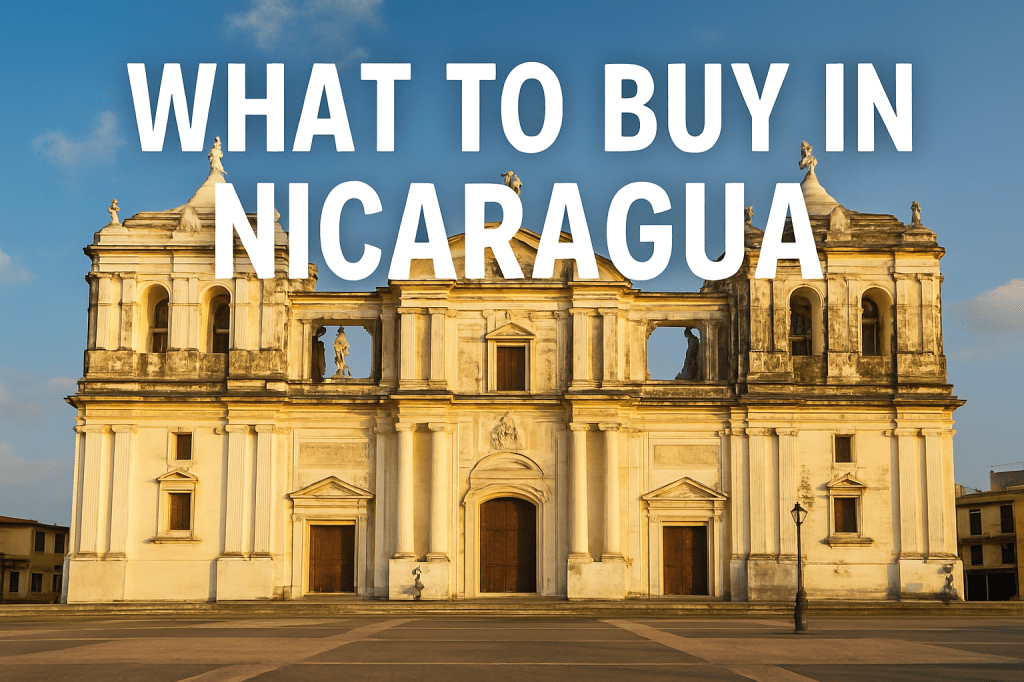
From the smoky volcano slopes around Masaya to the salt-scented breeze off Little Corn Island, Nicaragua greets you with a mix of raw earth and handcrafted warmth.
The market stalls in Masaya spill color and lacquered shine, while coffee beans crackle in sackcloth under the awning of a Matagalpa finca, you can almost taste the citrus and chocolate notes in the air.
Nicaragua souvenirs are everywhere, offered amid the clatter of Calle La Calzada in Granada and the slow, patient rhythm of artisans in San Juan de Oriente.
Walk a market and feel the rough weave of a hammock, the smooth lacquer of a Masaya box, the grain of cedar carvings from Ometepe; hear merchants calling, smell roasting coffee and rum casks aging in Estelí, and watch potters press clay in the volcanic clay of San Juan de Oriente.
Each object carries a landscape a lake, volcano, or coffee finca and a story shaped by weathered hands. Here’s what to buy in Nicaragua to bring a piece of its spirit back home.
1. Matagalpa or Jinotega Coffee Beans
Why pick this up:
Nicaragua’s highland coffees, especially from Matagalpa and Jinotega, have bright acidity and chocolate or citrus notes that reflect volcanic soils and misty microclimates. A bag of locally roasted beans captures the country’s terroir and is a practical souvenir for any coffee lover.
What to look for:
Look for single-origin bags labeled by finca or cooperative and roast dates; micro-lot beans from small producers offer the most distinctive flavors. Ask for beans roasted nearby rather than long-stored supermarket blends.
Price bracket (2025):
C$300–C$1,200 per 250–500 g bag.
Where to find it:
Coffee farms and cooperatives around Matagalpa and Jinotega, Mercado Municipal in Granada, and specialty cafés in Managua.
2. Flor de Caña Rum (Bottled)
Why pick this up:
Flor de Caña is Nicaragua’s flagship rum, aged in volcanic-country distilleries and often enjoyed as a sipping spirit or in cocktails. A bottle is both a taste of local craft distillation and a recognizable, well-packaged gift.
What to look for:
Choose an age statement (7, 12, 18 years) or limited editions for smoother, more complex profiles; check for tax- and duty-free options at airports. Avoid bottles with damaged seals.
Price bracket (2025):
C$720–C$2,880 depending on age and edition.
Where to find it:
Supermarkets, liquor stores in Managua, duty-free shops at Augusto C. Sandino International Airport, and rum shops in Granada and León.
3. Estelí Cigars
Why pick this up:
Estelí’s tobacco-growing region produces hand-rolled cigars prized for rich, robust flavors; buying cigars connects you to a strong local farming and rolling tradition. They also make classic, compact gifts that fit well in luggage.
What to look for:
Look for locally rolled cigars with clear labeling of origin and size; smaller bundles are easier to transport. If possible, buy at a factory tour where humidity and storage are proper.
Price bracket (2025):
C$360–C$1,440 for a small box or bundle.
Where to find it:
Cigar factories and shops in Estelí, select tobacconists in Managua, and some markets in Granada.
4. Masaya Lacquerware (Cajas Lacadas)
Why pick this up:
Masaya lacquerware — vibrant hand-painted boxes and trays — carries centuries-old techniques combining indigenous pigments and colonial motifs. The glossy, tactile finish and vivid patterns make for striking home decor.
What to look for:
Genuine Masaya pieces show layered lacquer, delicate floral or geometric designs, and slight irregularities from handwork. Avoid uniformly perfect supermarket imitations.
Price bracket (2025):
C$200–C$1,500 depending on size and intricacy.
Where to find it:
Mercado de Artesanías in Masaya, artisan shops in Granada, and weekend craft fairs.
5. San Juan de Oriente Pottery
Why pick this up:
San Juan de Oriente, near Masaya, is famous for its rustic clay pottery and pre-Columbian-inspired forms that reflect volcanic clays and traditional firing methods. These pieces are both functional and evocative of rural Nicaraguan life.
What to look for:
Seek hand-thrown or molded ceramics with natural, earthy glazes and signs of traditional firing; ask artisans about clay source. Avoid mass-produced, perfectly uniform ceramics.
Price bracket (2025):
C$180–C$900 per piece.
Where to find it:
Workshops in San Juan de Oriente, the Masaya artisans’ market, and craft stalls in Granada.
6. Handwoven Hammocks
Why pick this up:
Nicaraguan hammocks — often woven in Chinandega and other artisan communities — are luxuriously soft and emblematic of laid-back Caribbean and Pacific lifestyles. They’re practical, durable, and instantly transport you back to a breezy porch.
What to look for:
Look for tight, even weaving and reinforced loops; cotton blends are softer, while nylon versions are travel-friendly. Measure width and rope length to ensure it will fit your space back home.
Price bracket (2025):
C$700–C$2,900 depending on size and material.
Where to find it:
Markets in Chinandega, Masaya, and Granada; roadside artisan stands and cooperatives.
7. Cedar and Mahogany Wood Carvings
Why pick this up:
Cedar and mahogany carvings from Ometepe, Granada and artisan villages feature animals, religious icons, and decorative masks that showcase local woods and carving traditions. The scent of the wood itself is a sensory reminder of Nicaragua’s forests.
What to look for:
Choose carvings with visible grain, smooth finishes, and allowed sustainable wood sources; small to medium pieces travel best. Beware of painted composites that hide cheap timber.
Price bracket (2025):
C$250–C$2,000. Where to find it:
Artisan markets in Ometepe, La Calzada in Granada, and Masaya’s craft stalls.
8. Leather Goods and Sandals
Why pick this up:
Artisan leatherworkers in cities like León and Managua craft sandals, belts, and wallets that blend Spanish colonial styles with local aesthetics. Hard-wearing and repairable, leather items age into meaningful travel mementos.
What to look for:
Inspect stitching, lining, and leather quality; full-grain pieces last longer. Get personalized fittings for sandals where possible.
Price bracket (2025):
C$400–C$2,200. Where to find it:
Leather workshops in León, markets in Managua, and artisan stalls in Granada.
9. Embroidered Blouses and Traditional Textiles
Why pick this up:
Hand-embroidered blouses and woven textiles capture regional patterns and techniques from Pacific towns and Indigenous groups, offering wearable art with bold colors and detailed stitching. They’re ideal as gifts and wearable memories of local craft.
What to look for:
Look for hand-stitched embroidery, traditional motifs (flowers, geometric borders), and natural fibers like cotton. Ask about the region of origin to understand style differences.
Price bracket (2025):
C$350–C$1,600. Where to find it:
Masaya artisan stalls, Granada markets, and village cooperatives near Matagalpa.
10. Artisanal Cacao and Chocolate Bars
Why pick this up:
Nicaraguan cacao, grown on the Caribbean slope and processed by small producers, yields single-origin chocolate with fruity, floral, or earthy notes that differ from mass-market bars. Chocolate made by local bean-to-bar producers tells the story of farm-to-table craft.
What to look for:
Choose bars labeled with cacao origin and percentage; look for small-batch producers or cooperatives for traceability. Consider sealed, shelf-stable packaging for customs travel.
Price bracket (2025):
C$180–C$720 per bar or small gift box.
Where to find it:
Markets in Granada, specialty shops in Managua, cacao tours in RAAN/RAAS regions.
Tip: Ask artisans about materials and methods — bargaining respectfully at markets like Masaya or Mercado Oriental can be part of the experience, but small cooperatives often set firm prices 🧭
Local Shopping Culture & Traditions
Nicaraguan shopping revolves around open-air mercados, artisan towns, and family-run talleres (workshops).
Masaya’s Mercado de Artesanías and San Juan de Oriente are historic craft hubs where artisans demonstrate lacado (lacquer), pottery, and woodcarving; Granada’s Calle La Calzada and the lakeside market spill into colonial streets with ceramics and textiles.
Managua’s sprawling Mercado Oriental is the country’s largest general market….. chaotic, vibrant, and full of everything from tools to traditional candies.
Bargaining is common in local markets but done with good humor and respect; artisan cooperatives and museum shops tend to have fixed prices.
Weekends bring more maker markets and pop-up stalls in tourist towns, and many families maintain multi-generational crafts traditions, so buying directly supports households and helps preserve techniques like San Juan de Oriente pottery or Masaya lacquerware.
How to Spot Genuine Local Souvenirs
Genuine pieces show small irregularities from handcrafting: slight asymmetry in pottery, layered brushstrokes on lacquer, and visible tool marks on wood carvings.
Ask about materials – real Masaya lacquer uses natural pigments and layered varnishes, San Juan de Oriente pottery is made from local volcanic clay, and Nicaraguan coffee labels list finca or cooperative names.
Beware of glossy, machine-perfect items that mimic traditional styles; these are often imported.
For foodstuffs, check for roast dates on coffee, cocoa origin on chocolate, and intact seals on rum and cigars. Ask vendors about storage: cigars should be kept in humidors and chocolate in cool, dry packaging.
When in doubt, buy from known mercados, cooperative stalls, or factory tours where provenance can be verified.
Where to Shop in Nicaragua
- Mercado de Artesanías, Masaya — the most famous hub for lacquers, pottery, and masks.
- Mercado Oriental, Managua — sprawling general market for many goods and bargains.
- Calle La Calzada and Central Market, Granada — crafts, coffee, and chocolate producers.
- Estelí cigar factories and local tobacco shops for cigars.
- Artisan village of San Juan de Oriente for pottery and Ometepe markets for woodcarvings.
- Museum shops in Granada and León and duty-free shops at Augusto C. Sandino Airport.
FAQs
Q: Are souvenirs in Nicaragua expensive?
A: Prices vary widely; many small handcrafted items are affordable (C$200–C$800), while large wood carvings, aged rums, or full leather goods cost more (C$1,500+). Haggling can lower market prices but artisanal pieces often have fair fixed rates.
Q: Is bargaining common in Nicaragua?
A: Yes, polite bargaining is expected in open markets like Mercado Oriental and Masaya, but not in cooperatives, museum shops, or factory tours where prices are usually fixed.
Q: How do I know if food or drink souvenirs will pass customs?
A: Sealed, commercially packaged items like bottled rum, vacuum-packed coffee, and factory-wrapped chocolate are usually fine; fresh foods and homemade preserves may be restricted — check your airline and destination country customs rules before packing.
Explore Nicaraguan markets and workshops to find keepsakes that carry the country’s landscapes and traditions — Nicaragua souvenirs await in every market and mountainside.
Let me know in the comments if you have any other top ‘what to buy’ ideas!
About the Author
Colin is the founder of SouvenirsIdeas.com and a passionate traveller with a soft spot for ceramics, markets, and food tours. He writes practical, first-hand guides to help you bring home souvenirs that actually mean something — not just more clutter!


 Souvenir Ideas to Take Home from Every Country and City
Leave a comment