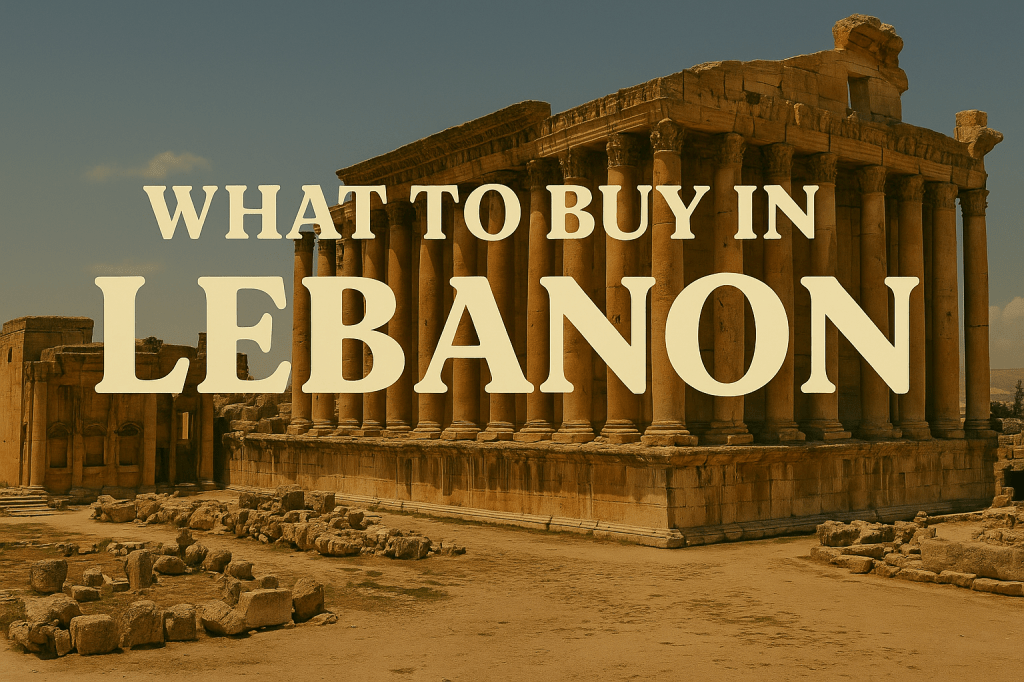
From the salty tang of the Mediterranean breeze off Byblos to the cedar-scented slopes of the Chouf, Lebanon hits the senses at once: lemon trees, roasting coffee, and the clink of copperware in old souks.
Walk a Beirut alley at dusk and the smell of za’atar and baking ma’amoul mixes with the warm, resinous aroma of cedar oil sold in small glass bottles, every stall feels like a story folded into something you can carry.
Markets here are lively mosaics: Tripoli’s winding souk with its coppersmiths, Sidon’s soap museum by the sea, and the farmers’ stalls at Souk el Tayeb in Beirut.
From Bekaa Valley wines to hand-rolled olivewood spoons carved in mountain villages, Lebanese craftsmanship is tactile and immediate, perfect for collectors of texture and taste, and for those hunting authentic Lebanese souvenirs.
Here’s what to buy in Lebanon to bring a piece of its spirit back home.
1. Za’atar (Wild Thyme Blend)
Why pick this up:
Za’atar is a fragrant, sun-dried herb mix central to Lebanese breakfasts and mezze; it evokes crunchy manakish and simple, shared meals. A bag of hand-blended za’atar captures the herbaceous, lemony, and toasty notes that define Levantine cooking.
What to look for:
Seek blends with generous amounts of wild thyme from the hills of Akkar or the Beqaa, mixed with sumac and toasted sesame; authentic mixes smell bright and slightly tangy. Avoid pre-ground, overly uniform powders — small-scale producers will have coarser leaves and visible sesame.
Price bracket (2025):
LBP 50,000–200,000 per 100–250 g.
Where to find it:
Souk el Tayeb stalls in Beirut, Byblos Old Souk, Tripoli markets, and specialty spice shops in Hamra and Gemmayzeh.
2. Sumac (Tart Red Spice)
Why pick this up:
Sumac adds a lemony, berry-like brightness to fattoush, kebbeh, and marinades — it’s the quick way to replicate Lebanese flavors at home. It’s lightweight and long-lasting, making it an ideal edible souvenir.
What to look for:
Choose deep-red, aromatic berries that crush easily and release tart, fruity aromas; avoid dusty or faded powders. Sellers in Bekaa or traditional spice stalls will often have whole berries you can grind yourself for freshness.
Price bracket (2025):
LBP 40,000–150,000 per 100–200 g.
Where to find it:
Beirut spice shops, Tripoli souk spice stalls, and farmer stalls at Souk el Tayeb.
3. Extra-Virgin Olive Oil (Bekaa & South Lebanon)
Why pick this up:
Lebanon’s ancient groves produce robust, peppery olive oils that taste of sun and soil — a liter bottles becomes the foundation of salads and dips back home. Small-batch oils from family presses capture terroir more vividly than supermarket bottles.
What to look for:
Look for cold-pressed, early-harvest oils labeled with village names (e.g., Zahle, Nabatieh) and a recent harvest date; the best have grassy, slightly peppery finishes. Avoid generic clear plastic bottles and opt for dark glass or tins to protect flavor.
Price bracket (2025):
LBP 300,000–1,200,000 per liter.
Where to find it:
Bekaa Valley cooperatives (e.g., around Zahle), farmers’ markets like Souk el Tayeb, and specialty shops in Beirut and Byblos.
4. Olivewood Utensils and Boards
Why pick this up:
Olivewood utensils are warm, durable, and patterned with unique grain — each piece feels individually shaped by local craftsmen. They are practical reminders of Lebanon’s olive-harvesting traditions and rustic kitchen life.
What to look for:
Choose items with tight, visible grain and smooth, food-safe finishes; hand-carved handles and slight asymmetry signal artisanal work. Avoid perfectly uniform, machine-stamped pieces that lack the natural grain variation of true olivewood.
Price bracket (2025):
LBP 150,000–600,000 per item.
Where to find it:
Artisan stalls in Byblos Old Souk, Deir el Qamar craft shops, and markets in the Chouf and Jezzine regions.
5. Hand-Hammered Copperware (Tripoli-style)
Why pick this up:
Tripoli’s metalworkers forge stunning trays, coffee pots (ibrik), and lanterns whose patina and hammer marks tell of centuries-old techniques. These pieces are decorative and evoke the glow of Levantine hospitality.
What to look for:
Seek visible hammer marks, uneven edges that indicate hand-finishing, and traditional motifs; copper lined with tin is recommended for cookware. Beware of mass-produced, uniformly shiny items — authenticity shows in slight irregularities.
Price bracket (2025):
LBP 500,000–3,000,000 depending on size and detail.
Where to find it:
Tripoli’s Old Souk coppersmith stalls, Beirut’s antique districts, and specialty bazaars in Sidon.
6. Arak (Anise Spirit, e.g., Château Ksara, Zahlé producers)
Why pick this up:
Arak is Lebanon’s signature anise spirit, sipped diluted with water to a milky white; it’s a liquid souvenir of shared mezze evenings. Distilleries in the Bekaa and around Zahle produce distinctive bottles that make memorable gifts.
What to look for:
Choose well-aged brands and look for family distilleries noted on labels (Château Ksara, Chateau Kefraya, and smaller artisanal makers). Check alcohol content and producer provenance; some premium arak comes in decorative bottles ideal for gifting.
Price bracket (2025):
LBP 400,000–1,800,000 per bottle.
Where to find it:
Wineries and distilleries in the Bekaa Valley, specialty liquor shops in Beirut, and duty-free at Beirut Airport.
7. Traditional Olive-Based Soaps (Sidon Soap Makers)
Why pick this up:
Sidon’s centuries-old soap tradition produces dense, moisturizing bars scented with olive oil, laurel, or citrus — they’re tactile, long-lasting, and compact for luggage. Soap from Sidon has museum recognition and a direct link to coastal craftsmanship.
What to look for:
Look for pure olive oil or laurel-based soaps with few additives, natural color variations, and stamps indicating small-batch production. Avoid brightly colored, fragrance-heavy bars sold in tourist tins that mimic the look but not the ingredients.
Price bracket (2025):
LBP 50,000–250,000 per bar/set.
Where to find it:
Sidon Soap Museum and surrounding souk, Byblos craft shops, and boutique stalls at Souk el Tayeb.
8. Ma’amoul Molds & Traditional Sweets
Why pick this up:
Ma’amoul molds are carved wooden or silicone forms used to press dates, pistachio, and walnut-filled cookies central to Lebanese celebrations. A set of molds plus a box of freshly-made ma’amoul brings home a fragrant, festive taste of Lebanon.
What to look for:
Seek hand-carved wooden molds with floral or geometric patterns for authenticity, or buy sweets from bakeries in Beirut and Byblos made with quality nuts and clarified butter. Ensure packaged sweets are sealed and labeled with ingredients for customs.
Price bracket (2025):
LBP 40,000–200,000 for sweets; LBP 80,000–400,000 for molds.
Where to find it:
Traditional bakeries in Beirut, Byblos Old Souk, and makers at Souk el Tayeb.
9. Handmade Ceramics and Pottery (Byblos & Deir el Qamar)
Why pick this up:
Lebanese potters craft colorful plates, tagines and decorative tiles inspired by Phoenician and Ottoman motifs — they make lively tableware and wall pieces. Ceramics reflect local glazes and patterns that sit between Mediterranean and Levantine styles.
What to look for:
Choose pieces with clear glazing, slightly uneven brushstrokes, and maker stamps or signatures; hand-thrown bases often show turning rings. Avoid mass-produced printed ceramics sold in tourist malls.
Price bracket (2025):
LBP 200,000–1,200,000 depending on size and detail.
Where to find it:
Byblos Old Souk, Deir el Qamar artisan workshops, and craft fairs in Mar Mikhael.
10. Bekaa Valley Wines (Château Ksara, Château Musar, Château Kefraya)
Why pick this up:
Lebanon’s wine history stretches back millennia; Bekaa bottles offer rich, earthy reds and crisp whites with character distinct from European vintages. A bottle from Château Musar or Ksara is a story of terroir and post-war revival — perfect for collectors.
What to look for:
Look for vintage years from respected wineries (Musar, Ksara, Kefraya), cork integrity, and clear labeling of producer and appellation. Buy from reputable shops that can provide storage advice; some premium bottles are fragile and should be packed carefully.
Price bracket (2025):
LBP 300,000–2,500,000 per bottle.
Where to find it:
Wineries in the Bekaa Valley (tours at Château Ksara and Château Kefraya), specialty wine shops in Beirut, and duty-free at Beirut Airport.
Tip: Pack liquids and fragile ceramics in checked luggage with padding, declare food and alcohol at customs, and buy glass-bottled items with protective wrapping at the shop. 🧳
Local Shopping Culture & Traditions
Lebanese shopping is sensory and social: souks (old market quarters) like Tripoli’s and Byblos’ bustle with vendors calling out, artisans hammering copper, and farmers laying out seasonal produce.
Bargaining is part of the experience in traditional souks, but fixed prices are common in boutique stores, museum shops, and modern shopping districts such as Hamra, Gemmayzeh, and Mar Mikhael.
Weekend and specialty markets, notably Souk el Tayeb for regional foods and temporary maker markets in Beirut, showcase small producers and food cooperatives from the Bekaa, South Lebanon, and mountain villages.
Artisan villages in the Chouf and Deir el Qamar preserve woodcarving, ceramics, and linens, while coastal towns like Sidon celebrate soap-making and sea-related crafts.
How to Spot Genuine Local Souvenirs
Genuine pieces typically show signs of handwork: slight asymmetry, visible hammer marks on copper, wood grain patterns in olivewood, and appliqué or hand-stitching in textiles.
For food items, ask for harvest dates on olive oil, origin (village or cooperative) on za’atar and sumac, and vacuum-sealed packaging for sweets.
Look for local provenance on labels, winery names (Château Ksara, Château Musar), distillery towns for arak (Zahle), or “Sidon” marking olive soap and prefer sellers who explain production methods.
Be wary of perfectly uniform goods, low-priced “bulk” imports, or items labeled “Made elsewhere”; reputable markets and museum-affiliated shops are likelier to sell authentic crafts.
Where to Shop in Lebanon
- Open-air/farmers’ markets: Souk el Tayeb (Beirut), weekend farmers’ markets in Akkar and Zahle.
- Historic souks: Tripoli Old Souk, Byblos Old Souk, Sidon’s market by the Sea Castle.
- Shopping streets and neighborhoods: Hamra, Gemmayzeh, Mar Mikhael, and downtown Beirut (Beirut Souks).
- Artisan bazaars & weekend maker markets: rotating craft fairs in Beirut and Byblos summer bazaars.
- Museum shops & specialty stores: Sursock Museum shop and galleries in Beirut.
- Airport & duty-free: Beirut Rafic Hariri International Airport for wine, arak, and packaged foods.
- Craft villages: Deir el Qamar and Chouf mountain workshops for ceramics, woodwork, and textiles.
FAQs
Q: Are souvenirs in Lebanon expensive?
A: Prices vary widely — spices and soaps are very affordable, while handcrafted copperware, premium olive oil, and wine can be pricier; bargaining helps in souks but not in boutique shops.
Q: Is bargaining common in Lebanon?
A: Yes, bargaining is customary in traditional souks and street stalls, though fixed prices are standard in museums, branded boutiques, and many downtown stores.
Q: How do I know if a food or craft item is locally made?
A: Ask about origin (village or cooperative), look for producer names on labels, check for handwork signs (irregularities, stamps), and buy from trusted markets like Souk el Tayeb or from known winery/distillery shops.
Go explore Lebanon’s markets and bring home the best Lebanese souvenirs.
Let me know in the comments if you have any other top ‘what to buy’ ideas!
About the Author
Colin is the founder of SouvenirsIdeas.com and a passionate traveller with a soft spot for ceramics, markets, and food tours. He writes practical, first-hand guides to help you bring home souvenirs that actually mean something — not just more clutter!

 Souvenir Ideas to Take Home from Every Country and City
Leave a comment