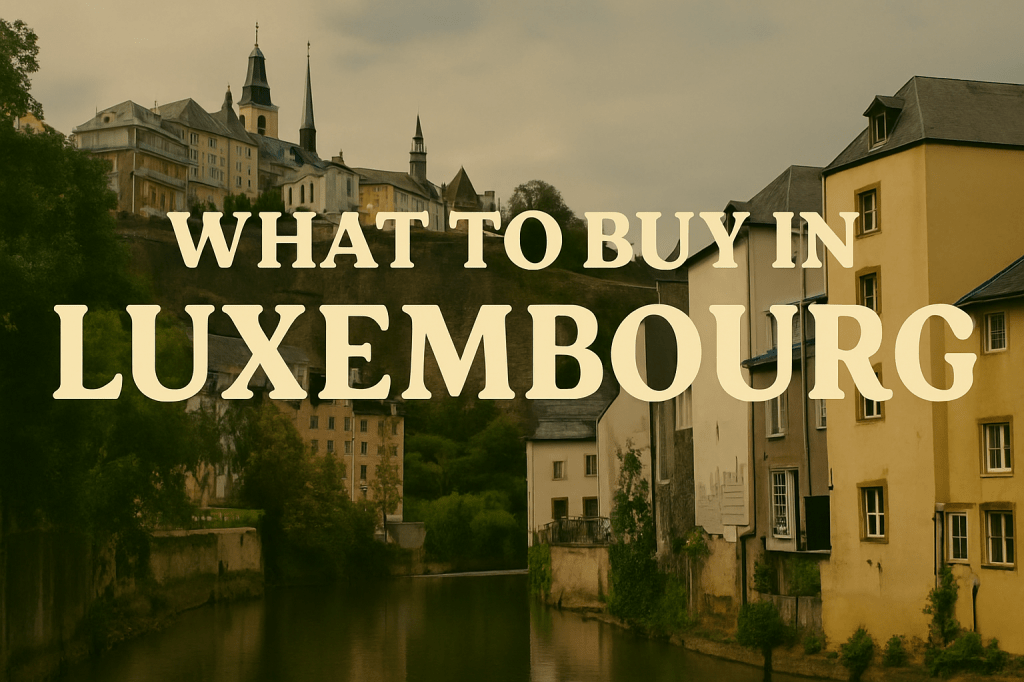
Morning fog lifts from the Moselle vineyards and the air fills with a sweet, fermented scent of ripening grapes; along the steep terraces you can almost hear the clink of bottles being filled in tiny cellars.
In Luxembourg City the cobbles of Grund and the terraces around Place d’Armes catch the light, and bakeries steam warm quetschentaart and brioche into the streets, every market stall pulses with a tactile, handcrafted story.
From Nospelt’s clay-scented potteries to the slate-gray roofs of Vianden Castle, the country feels made of small, patient crafts: willow baskets woven in riverside villages, lace threaded by nimble hands in Wiltz, and jars of honey whose bouquet carries the Oesling forest.
If you’re hunting for keepsakes, think local flavors, raw materials, and objects that smell and sound of place; Luxembourg souvenirs are a perfect way to carry that sensory map home.
Here’s what to buy in Luxembourg to bring a piece of its spirit back home.
1. Nospelt Pottery
Why pick this up:
Nospelt is Luxembourg’s historic potters’ village, and its ceramics capture rural forms and regional glazes in pieces that feel warm and weighty. A small jug or a hand-thrown plate makes a useful souvenir that speaks to centuries of clay-working.
What to look for:
Seek maker’s stamps or signatures, slightly irregular wheel marks and salt or ash glazes that indicate handwork rather than factory uniformity. Small decorative motifs inspired by local flora are common.
Price bracket (2025):
€15–€120
Where to find it:
Nospelt workshops, weekend artisan markets in Luxembourg City and craft fairs around Echternach.
2. Crémant de Luxembourg
Why pick this up:
Luxembourg’s sparkling wines, Crémant de Luxembourg, are elegant, crisp and a proud product of the Moselle valley’s cool climate. They’re celebratory, travel well, and offer a taste of local terroir in every glass.
What to look for:
Look for the “Crémant de Luxembourg” AOC on the label, vintage notes or a named cuvée, and producers who practice traditional méthode. Bottle condition and secure corking matter for travel.
Price bracket (2025):
€10–€60 per bottle
Where to find it:
Wine cellars in Remich, specialist wine shops and the wineries along the Moselle wine route.
3. Moselle Riesling & Auxerrois
Why pick this up:
The Moselle valley yields mineral-driven Rieslings and rounded Auxerrois that reflect slate soils and river-borne microclimates. They’re a refined souvenir for anyone who appreciates crisp white wine.
What to look for:
Choose bottles labelled with vineyard names (Remich, Grevenmacher) or the grape variety, and check harvest years for balance. Limited-release or single-vineyard wines often show regional character best.
Price bracket (2025):
€8–€30
Where to find it:
Wineries and wine merchants in Remich and Luxembourg City, plus farmers’ markets during harvest season.
4. Artisan Luxembourg Chocolate
Why pick this up:
Luxembourg’s chocolatiers blend Belgian and French pastry traditions with local flavors like Mirabelle plum and kirsch, producing delicate pralines and single-origin bars. These make elegant, small gifts and are often handcrafted in city ateliers.
What to look for:
Look for bean-to-bar claims, cocoa percentage, and small-batch or single-origin labeling; packed praline boxes with date stamps help ensure freshness.
Price bracket (2025):
€5–€35
Where to find it:
Pâtisseries and chocolatiers in Ville Haute, Place d’Armes, and seasonal Christmas markets.
5. Mirabelle and Plum Products
Why pick this up:
Mirabelle plums thrive in the borderlands around Luxembourg and Lorraine; their jams, compotes and liqueurs are intensely fragrant and instantly evocative of the region. They’re a taste of the orchards in a jar or bottle.
What to look for:
Check for “Mirabelle” on the label, artisanal small-batch production, and clear ingredient lists; for liqueurs, note alcohol content and distillation dates.
Price bracket (2025):
€4–€40
Where to find it:
Farmers’ markets, Moselle producers, and regional food stalls at village fêtes.
6. Ardennes Charcuterie
Why pick this up:
Smoked sausages, terrines and cured hams from the Ardennes are a durable, savory souvenir that reflects Luxembourg’s woodland and pastoral traditions. They travel well when vacuum-packed.
What to look for:
Choose vacuum-sealed packaging, visible curing or smoking notes, and PDO/PGI marks where present; check best-before dates for transport.
Price bracket (2025):
€6–€25
Where to find it:
Specialty delis, markets at Place Guillaume II and stalls at regional fairs in Vianden and Wiltz.
7. Local Beers (Bofferding, Diekirch & Craft Ales)
Why pick this up:
Luxembourg’s breweries produce familiar lagers and a growing range of craft brews that showcase local barley and hops. A mixed pack gives a quick tasting tour of national flavor.
What to look for:
Seasonal releases, limited-run bottles and small-batch labels; regional festivals often feature special brews.
Price bracket (2025):
€2–€8 per bottle (special editions €6–€20)
Where to find it:
Supermarkets, brewery shops, and beer festivals in Esch-sur-Alzette and Luxembourg City.
8. Handmade Lace from Wiltz
Why pick this up:
Wiltz and the Oesling area have a tradition of fine lacework—delicate table linens and trims that carry a quiet northern Luxembourg heritage. These heirloom pieces add old-world elegance to any home.
What to look for:
Hand-stitched patterns, natural linen or cotton threads and slight irregularities that confirm handwork; many artisans include a maker’s tag.
Price bracket (2025):
€20–€150
Where to find it:
Craft shops in Wiltz, museum boutiques, and weekend craft markets across the north.
9. Local Honey & Orchard Preserves
Why pick this up:
Bees forage the Ardennes and Moselle orchards, producing honeys with chestnut, acacia or wildflower profiles that capture local terroir. Jars of raw honey and orchard preserves are fragrant, stable gifts.
What to look for:
Raw or unpasteurised labels, beekeeper contact or region named on the jar, and floral source notes.
Price bracket (2025):
€5–€20
Where to find it:
Echternach Saturday market, farmers’ stalls in Remich, and producers at village fêtes.
10. Wicker & Woodcrafts from the Moselle Valley
Why pick this up:
Willow weaving and carved wooden utensils reflect centuries of riverside craft and make practical, decorative souvenirs. The warm grain of local woods carries the landscape’s palette into your home.
What to look for:
Tight weave on baskets, solid joinery on utensils and finishes that reveal local species like oak or fruitwood.
Price bracket (2025):
€10–€100
Where to find it:
Vianden markets, artisan fairs, and Nospelt craft stalls.
11. Stamps & Collector Coins Featuring Luxembourg Motifs
Why pick this up:
Compact and lightweight, postal stamps and euro collector coins celebrate Luxembourg’s Grand Duke, castles and cultural icons — perfect for collectors or as easy mementos. They’re official, authenticated keepsakes.
What to look for:
Buy from official Post Luxembourg outlets, seek recent commemorative issues and mint-condition coins in capsules.
Price bracket (2025):
€1–€50
Where to find it:
Luxembourg Post offices, museum shops and Findel Airport gift shops.
Tip: Pack fragile ceramics between clothing, keep wines upright and check EU rules for transporting meats, alcohol and honey before you fly home. 🧳
Local Shopping Culture & Traditions
Luxembourg’s shopping rhythm mixes daily village markets with seasonal fêtes: lively Saturday markets in Echternach and Remich, the centuries-old Schueberfouer fair in Luxembourg City each summer, and atmospheric Christmas markets around Place d’Armes and Place de la Constitution.
Artisan villages such as Nospelt (pottery) and Wiltz (lace) keep craft traditions alive, while wine producers on the Moselle open cellars during harvest and festival weekends.
Bargaining is not part of everyday culture, prices at artisan stalls and shops are typically fixed, but conversation is valued: ask an artisan about their technique and you’ll often be rewarded with stories and provenance.
Weekends fill with pop-up maker markets and regional food stalls, so plan visits around local fêtes to catch the best small-batch goods.
How to Spot Genuine Local Souvenirs
Look for maker’s marks, signatures, or labels that state provenance (e.g., “Crémant de Luxembourg” AOC for sparkling wines, “Mirabelle” for plum products).
Handcrafted items show slight irregularities, uneven glaze on pottery, small stitch variations in lace, or asymmetry in woven baskets which are signs of handwork rather than mass production.
For foodstuffs, inspect packaging for production dates, ingredient lists and producer contact details; vacuum sealing and official regional labels indicate products prepared for safe transport.
Avoid obviously imported goods with generic “Made in” stickers that don’t reference Luxembourg; when in doubt, ask where the item was made and request a business card or label from the artisan.
For delicate foods like charcuterie, prefer vacuum-sealed packages with clear expiry dates and keep them refrigerated if required.
Where to Shop in Luxembourg
- Place Guillaume II (Knuedler) — regular open-air markets and seasonal events.
- Place d’Armes — cafés, chocolatiers and the Christmas market hub.
- Nospelt potters’ village — traditional ceramics and annual craft days.
- Remich and the Moselle wine route — winery cellars and tasting rooms.
- Echternach market — Saturday farmers’ market and regional specialties.
- Vianden and Wiltz — weekend artisan bazaars and craft fairs.
- MUDAM and National Museum shops / Findel Airport gift shops for curated souvenirs.
FAQs
Q: Are souvenirs in Luxembourg expensive?
A: Prices range widely — local foodstuffs and small crafts are reasonably priced (€5–€30), while signed ceramics, fine lace and specialty wines can run higher (€50+).
Q: Is bargaining common in Luxembourg?
A: Not usually; most craft sellers and shops use fixed prices, though you can politely discuss bundle pricing at markets if buying several items.
Q: How do I know if food items will pass customs?
A: Check your destination’s rules for meats, dairy and honey; vacuum-sealed, commercially packaged products with ingredient lists are more likely to be allowed, and alcohol must meet allowance limits.
Explore Luxembourg’s markets, vineyards and artisan villages to discover treasures that taste, feel and sound like the country — Luxembourg souvenirs await.
Let me know in the comments if you have any other top ‘what to buy’ ideas!
About the Author
Colin is the founder of SouvenirsIdeas.com and a passionate traveller with a soft spot for ceramics, markets, and food tours. He writes practical, first-hand guides to help you bring home souvenirs that actually mean something — not just more clutter!
 Souvenir Ideas to Take Home from Every Country and City
Leave a comment