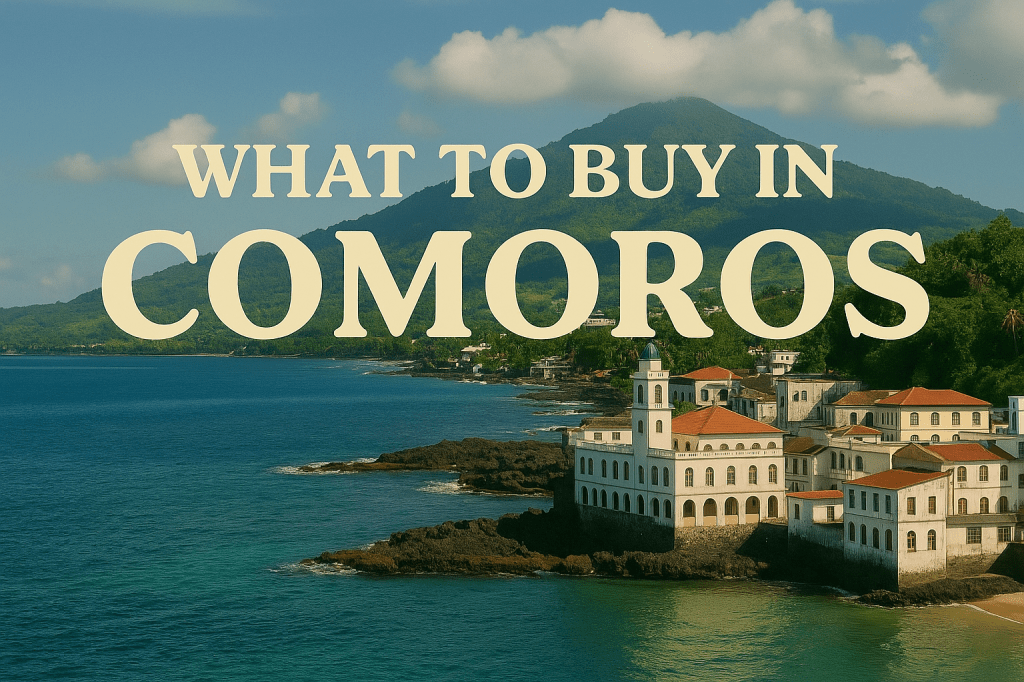
Salt spray from the Indian Ocean, the heady floral sweetness of ylang-ylang and the rattle of spice sellers in Moroni’s market — Comoros feels like a private postcard of scent, color and handcraft. The islands’ markets and plantations hum with things that smell like the sea and bloom like the tropics, perfect for bringing back memories (and a few fragrant bottles) of the archipelago.
Whether you’re on Grande Comore, Anjouan or Mohéli, hunting for Comorian souvenirs will reward you with edible treasures, woven goods and tactile crafts you won’t find anywhere else. Here’s what to buy in Comoros to bring a piece of its unique heritage home with you.
1. Ylang-ylang essential oil and perfume
Why pick this up: The islands perfume the air with ylang-ylang blossoms; distilled oil captures that lush, jasmine-like scent and is a signature of Comorian aromatics.
What to look for: Small amber bottles labeled “huile essentielle” or locally distilled blends; single-origin bottles from Anjouan or Mohéli fetch a purer floral note.
Price bracket (2025): 1 500–6 000 KMF for 10–30 ml, depending on purity and origin.
Where to find it: Moroni central market, distilleries on Mohéli and stalls near Mutsamudu on Anjouan.
2. Bourbon vanilla beans
Why pick this up: Comoros grows aromatic vanilla with warm, chocolateed notes—an indulgent, long-lasting souvenir for bakers and coffee lovers.
What to look for: Plump, oily pods that bend without snapping; avoid dry, brittle beans. Look for small local farms selling by weight.
Price bracket (2025): 5 000–20 000 KMF for a small pouch (2–4 pods) — larger quantities cost more.
Where to find it: Farmers at markets in Moroni and Fomboni, roadside stalls on Anjouan.
3. Whole cloves and spice sachets
Why pick this up: Cloves are woven into Comorian cooking and are easy to pack; they also make a fragrant gift for spice-loving friends.
What to look for: Dark, oily cloves with a strong aroma; pre-made sachets often mix cloves with cinnamon and local pepper.
Price bracket (2025): 500–2 500 KMF per 100 g, sachets vary 200–1 000 KMF.
Where to find it: Market stalls in the medina of Moroni and the weekly markets in Mutsamudu.
4. Raffia baskets, bags and mats
Why pick this up: Handwoven from palm and raffia, these are practical, decorative and a direct link to village craft traditions.
What to look for: Tight, even weaving and natural dyes; larger mats often indicate more time-intensive work.
Price bracket (2025): 1 000–5 000 KMF for small baskets; 5 000–25 000 KMF for large mats or floor pieces.
Where to find it: Coastal villages across Grande Comore and artisan cooperatives in Moroni.
5. Carved calabash and coconut crafts
Why pick this up: Calabash bowls, lamps and polished coconut-shell items are both eco-friendly and strikingly local.
What to look for: Smooth finishes, intricate burned or carved patterns and functional attachments (stoppers, stands).
Price bracket (2025): 500–4 000 KMF for small bowls; 10 000–40 000 KMF for lamps or elaborate pieces.
Where to find it: Artisan stalls in Moroni’s medina, craft workshops in Fomboni.
6. Silver filigree jewelry
Why pick this up: Filigree pendants, rings and earrings reflect Swahili-Arab styles popular across the islands and make elegant keepsakes.
What to look for: Fine wirework, secure clasps and hallmarking if available; small shops often custom-polish pieces.
Price bracket (2025): 5 000–30 000 KMF depending on weight and intricacy.
Where to find it: Jewellery shops in Moroni and artisan workshops in Mutsamudu.
7. Kofia caps and colourful pareos (leso)
Why pick this up: A kofia (embroidered cap) and a vibrant pareo are wearable souvenirs steeped in island culture and Swahili tradition.
What to look for: Tight embroidery on kofias and richly patterned, colorfast fabric on pareos; buy a pareo that’s pre-washed to avoid dye transfer.
Price bracket (2025): 1 000–5 000 KMF for kofia; 2 000–10 000 KMF for quality pareos.
Where to find it: Tailors and textile stalls in Moroni, fabric sellers in Mutsamudu.
8. Local honey and virgin coconut oil
Why pick this up: Small-batch honey and cold-pressed coconut oil taste like the islands — great for cooking and skincare alike.
What to look for: Honey that’s thick with floral scent; coconut oil labeled “vierge” or handmade from local producers.
Price bracket (2025): Honey 500–3 000 KMF per jar; coconut oil 1 000–6 000 KMF per bottle.
Where to find it: Farmers’ stalls at regional markets, cooperative stands in Fomboni and Moroni.
9. Comorian spice blends for pilau and curries
Why pick this up: Ready-made blends let you recreate the warm, coconutty pilau and fragrant curries you ate on the islands back home.
What to look for: Packets sealed for freshness; ask vendors what dishes the mix is best for.
Price bracket (2025): 200–1 500 KMF for small sachets; premium mixes 2 000–8 000 KMF.
Where to find it: Spice sellers in Moroni market and roadside stalls throughout the islands.
10. Hand-carved dhow models and wooden sculptures
Why pick this up: Miniature dhows and carved figures celebrate the seafaring life that shaped Comorian communities. They make great mantelpiece conversation pieces.
What to look for: Smooth carving, balanced stands and natural finishes; larger sculptures are often signed by the carver.
Price bracket (2025): 1 000–10 000 KMF for small models; 10 000–60 000 KMF for larger pieces.
Where to find it: Woodworkers in coastal towns, craft stalls in Moroni’s waterfront.
11. Local music recordings and small percussion instruments
Why pick this up: A CD or handheld percussion instrument brings home the island rhythms — great for playlists and informal music-making.
What to look for: Recordings of Comorian taarab or m’biwi groups, and compact instruments like frame drums that travel well.
Price bracket (2025): CDs 500–1 500 KMF; small hand drums 2 000–10 000 KMF.
Where to find it: Music shops in Moroni, street performers and markets across the islands.
Tip: haggle kindly at market stalls, ask vendors about the origin (Mutsamudu and Fomboni producers often have distinct specialties), and check customs rules for food and plant products — these little Comorian souvenirs are best packed with care to keep those island scents intact. Comorian souvenirs are small treasures that tell big island stories. 🌴
Let me know in the comments if you have any other top ‘what to buy’ ideas!
About the Author
Colin is the founder of SouvenirsIdeas.com and a passionate traveller with a soft spot for ceramics, markets, and food tours. He writes practical, first-hand guides to help you bring home souvenirs that actually mean something — not just more clutter!

 Souvenir Ideas to Take Home from Every Country and City
Leave a comment