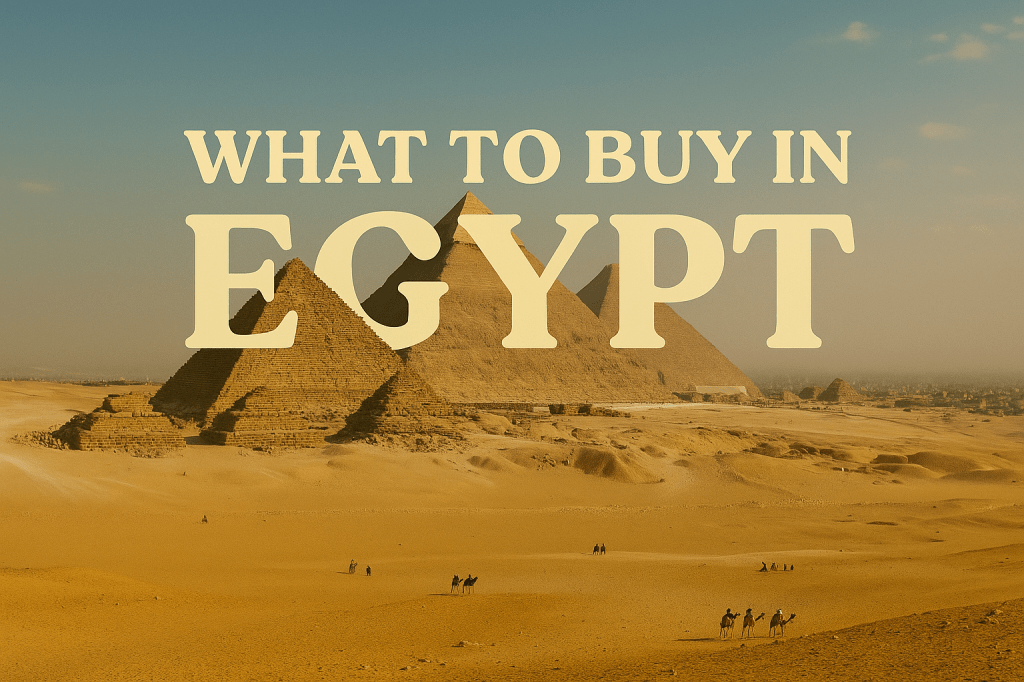
Sun-drenched limestone, the slow brown ribbon of the Nile, and the scent of cumin and orange blossom drifting through Cairo’s alleys — Egypt hits the senses first, then the imagination. From the painted bazaars of Khan el-Khalili to the sandstone workshops of Luxor, the country is a layered tapestry of craft, flavor, and history.
Whether you’re looking for a pocket-sized memento or a statement piece for your home, here’s what to buy in Egypt to bring a sliver of its ancient majesty back with you — perfect picks if you’re hunting Egyptian souvenirs.
1. Papyrus scrolls
Why pick this up: Papyrus is the quintessential Egyptian keepsake — its fibrous texture and hand-painted scenes of pharaohs, Nile life, and hieroglyphs feel like holding a sliver of antiquity.
What to look for: Choose sheets made from authentic Nile papyrus (look for visible fibers and artisanal brush strokes); larger, signed works from reputable shops in Luxor or Cairo are higher quality.
Price bracket (2025): E£150–1,200 (small prints to hand-painted large scrolls).
Where to find it: Khan el-Khalili in Cairo, souvenir shops near Luxor and the Karnak Temple, and authorized papyrus workshops in Aswan.
2. Alabaster statues and bowls
Why pick this up: Egyptian alabaster — creamy and translucent — has been carved here for millennia; its soft glow makes beautiful lamps, vases, and busts.
What to look for: Seek pieces labelled “Upper Egyptian alabaster” (from Minya or Luxor), check for smooth finishes and minimal cracks, and prefer hand-carved details.
Price bracket (2025): E£300–4,000 depending on size and intricacy.
Where to find it: Alabaster Street and workshops around Luxor, Aswan craft stalls, and specialty workshops along the Nile.
3. Egyptian cotton textiles
Why pick this up: Egypt’s long-staple cotton is world-renowned for its softness and durability — perfect for sheets, towels, and scarves that age beautifully.
What to look for: Look for labels that say “100% Egyptian cotton” or Giza cotton; thread count and finish matter for sheets, while handloom scarves will have unique dye patterns.
Price bracket (2025): E£250–3,500 (scarves to high-thread-count sheet sets).
Where to find it: Textile shops in Cairo’s downtown districts, markets in Alexandria, and quality stores in Zamalek and Maadi.
4. Cartouche and hieroglyphic jewelry
Why pick this up: Personalized cartouches — names in hieroglyphs — and amulet-style jewelry make intimate, wearable reminders of Egypt’s script and symbolism.
What to look for: Decide between silver, gold-plated, or solid gold; for authenticity, choose shops that transliterate your name into proper hieroglyphs and stamp metal purity.
Price bracket (2025): E£120–8,000 (silver pieces to solid gold).
Where to find it: Khan el-Khalili, jewelry ateliers in Old Cairo, and reputable jewelers in Cairo and Alexandria.
5. Karkadeh (hibiscus) and Egyptian spices
Why pick this up: Deep-red karkadeh tea, fragrant dukkah-like blends, and spices like cumin, coriander, and dried awele (fenugreek) capture Egypt’s pantry flavors.
What to look for: Buy whole dried hibiscus petals, sealed spice bags, and ask for small samples to check aroma; choose vendors with clean, well-stocked displays.
Price bracket (2025): E£30–400 (small packs to specialty gift sets).
Where to find it: Spice stalls in Khan el-Khalili, souks in Luxor and Aswan, and specialty food shops in Cairo.
6. Fanous and metal lanterns
Why pick this up: The ornate Ramadan fanous and pierced metal lamps throw patterned light and instantly evoke Cairo’s night markets and mosque courtyards.
What to look for: Look for brass or copper construction, fine cutwork, and practical fixtures if you plan to light them; hand-painted glass panels add color.
Price bracket (2025): E£200–2,500 (small table lanterns to large hanging pieces).
Where to find it: Lantern makers in Islamic Cairo, Khan el-Khalili stalls, and lighting ateliers in Old Cairo.
7. Khayamiya (appliqué) textiles
Why pick this up: These bold, geometric appliqué textiles were used in tentmaking and processionals; they make striking cushions, wall hangings, or throws.
What to look for: Seek hand-stitched khayamiya with bright cotton fabrics and tight appliqué work; older vintage panels command higher prices.
Price bracket (2025): E£250–3,000 (small panels to large tent sections).
Where to find it: Workshops in Old Cairo (near Al-Darb al-Ahmar), cultural craft fairs, and selected galleries in Cairo.
8. Perfume oils and attars
Why pick this up: Concentrated perfume oils capture the region’s love of incense, musk, and floral notes — a small bottle can last a long time and carries an evocative scent memory.
What to look for: Choose well-sealed glass vials, ask about base notes (oud, amber, musk), and test on scent strips rather than skin in hot markets.
Price bracket (2025): E£80–1,500 (small attar bottles to artisanal blends).
Where to find it: Historic perfumers and attar shops in Khan el-Khalili, boutique perfumeries in Zamalek, and Aswan markets.
9. Copper and brass trays, coffee sets
Why pick this up: Hand-hammered metalwork — trays, dallah-style coffee pots, and tea sets — are both decorative and practical, reflecting Egypt’s hospitality rituals.
What to look for: Check for solid weight, fine engraving, and protective lacquer to prevent tarnish; sellers in artisan quarters often offer custom engraving.
Price bracket (2025): E£250–5,000 (small trays to full coffee service sets).
Where to find it: Metal souks in Cairo, Aswan craftspeople, and workshops near Luxor’s bazaars.
10. Faience amulets and scarab replicas
Why pick this up: Bright-blue faience and glazed amulets have been made since pharaonic times; they’re small, affordable, and full of symbolic meaning.
What to look for: Choose hand-glazed pieces with fine details; museum-replica shops often indicate whether items are machine-made or hand-crafted.
Price bracket (2025): E£40–600 (small amulets to museum-quality reproductions).
Where to find it: Souvenir stalls around archaeological sites (Giza, Luxor, Karnak), Khan el-Khalili, and artisanal workshops in Aswan.
Final tip: Haggle gently, check for authenticity certificates on higher-value items, and pack fragile finds like papyrus and alabaster in your carry-on — doing a little prep will keep your Egyptian souvenirs safe for the trip home. ✈️
Let me know in the comments if you have any other top ‘what to buy’ ideas!
About the Author
Colin is the founder of SouvenirsIdeas.com and a passionate traveller with a soft spot for ceramics, markets, and food tours. He writes practical, first-hand guides to help you bring home souvenirs that actually mean something — not just more clutter!


 Souvenir Ideas to Take Home from Every Country and City
Leave a comment