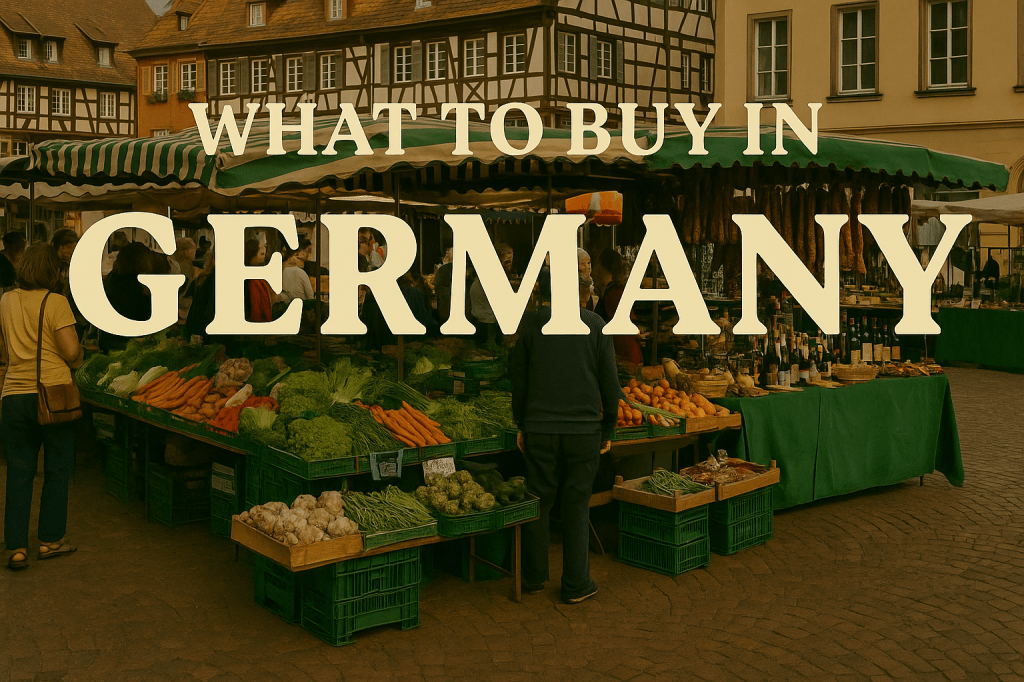
Germany is a country that loves detail — whether it’s engineering a car, brewing a beer, or carving a wooden toy. Its souvenirs are no different: practical, finely made, and often tied to centuries-old traditions.
From the Black Forest to Berlin’s flea markets, here are 15 souvenirs that capture the spirit of Germany.
1. Beer Steins
- Why pick this up: A classic German collectible — heavy, decorative, and useful for beer lovers.
- What to look for: Pewter lid (optional), well‑glazed inside, hand‑painted coats of arms or regional motifs, maker’s mark.
- Price bracket (2025): ~€20–€150 (depending on size, decoration, material).
- Where to find it: Munich beer halls, specialist stein makers, souvenir shops in Bavaria.
2. Christmas Ornaments / Wooden Nutcrackers / Smokers (Räuchermännchen)
- Why pick this up: Germany is birthplace of many Christmas traditions. These hand‑crafted wooden figures and glass baubles carry deep heritage.
- What to look for: Hand‑blown glass, precise painting, smooth woodwork, original finishes, balanced proportions.
- Price bracket (2025): ~€10–€100+ depending on size and detail.
- Where to find it: Käthe Wohlfahrt stores, Christmas markets (Nuremberg, Rothenburg, Dresden), Erzgebirge region workshops.
3. Cuckoo Clocks
- Why pick this up: A symbol of the Black Forest — whimsical, mechanical, and storied.
- What to look for: Real wood, mechanical movement (not just battery), traditional carving, sound quality.
- Price bracket (2025): ~€70–€500+ (depending on complexity and size).
- Where to find it: Triberg, Titisee, Black Forest towns, clock shops in southern Germany.
4. German Beer (Regional Varieties)
- Why pick this up: Some German beers are region‑exclusive and rarely exported.
- What to look for: Local brewery labels, bottle condition, vintage / specialty releases.
- Price bracket (2025): ~€1–€8 per bottle (for standard), special editions more.
- Where to find it: Brewery taprooms, beer halls, supermarkets, beer specialty shops.
5. Haribo & Regional Candy
- Why pick this up: Born in Germany (Bonn), Haribo is a fun, affordable edible souvenir, plus other regional sweets.
- What to look for: Local flavors, limited editions, sealed packaging.
- Price bracket (2025): ~€1–€10.
- Where to find it: Supermarkets, Haribo factory outlets, candy shops.
6. Wooden Nutcrackers & Smokers (Erzgebirge Figures)
- Why pick this up: Traditional folk art from the Ore Mountains — these figurines are festive and collectible.
- What to look for: Crisp painting, smooth wood, moving parts (for smokers), good finish.
- Price bracket (2025): ~€10–€150+ depending on size.
- Where to find it: Erzgebirge region, Christmas markets, artisan wood workshops.
7. Pretzel-Themed Items
- Why pick this up: The pretzel is a silent icon of German food culture; in souvenir form, it’s fun and quirky.
- What to look for: Good design, quality materials (metal, wood, ceramic).
- Price bracket (2025): ~€3–€25.
- Where to find it: Munich markets, souvenir stalls, bakeries.
8. German Mustard (e.g. Löwensenf)
- Why pick this up: Regional mustards like Löwensenf (from Düsseldorf) are flavorful and collectible jars.
- What to look for: Stoneware pots, sharpness in taste, original branding.
- Price bracket (2025): ~€2–€10.
- Where to find it: Delicatessens, specialty food shops in Düsseldorf, Cologne markets.
9. Lederhosen & Dirndls
- Why pick this up: Traditional Bavarian outfits — used at festivals but also symbolic Bavarian culture.
- What to look for: High-quality leather, embroidery, proper fitting, authentic trims.
- Price bracket (2025): ~€50–€300+.
- Where to find it: Munich tracht (traditional clothing) stores, Oktoberfest vendors, festivals.
10. German Wine (Riesling, Spätburgunder)
- Why pick this up: Germany produces world-class Riesling and Pinot Noir (Spätburgunder) — often underappreciated abroad.
- What to look for: VDP / Qualitätswein labels, estate names, vintage year.
- Price bracket (2025): ~€8–€40+.
- Where to find it: Wine shops in Mosel, Rhine, Baden, or in general wine boutiques in cities.
11. Car / Autobahn & Automotive Memorabilia
- Why pick this up: Germany’s car culture is legendary — model cars, branded keychains, gear from BMW / Mercedes / Porsche.
- What to look for: Official branding, quality finish, licensing.
- Price bracket (2025): ~€5–€100+.
- Where to find it: Mercedes-Benz Museum (Stuttgart), BMW Welt (Munich), brand boutiques.
12. Steinbach Smokers (Incense Figures)
- Why pick this pick up: Another version of Erzgebirge wood craft — these figures “smoke” incense — charming holiday decor.
- What to look for: Smooth woodwork, good fitting for incense cone, stable base.
- Price bracket (2025): ~€10–€60+.
- Where to find it: Woodworking workshops in Erzgebirge, Christmas markets.
13. German Cookbooks
- Why pick this up: Bring home recipes to revisit your trip in the kitchen — regional cooking, bread, pastries.
- What to look for: Bilingual editions (German / English), regional focus, photography.
- Price bracket (2025): ~€10–€40.
- Where to find it: Bookshops in Berlin, Munich, Hamburg, or specialty culinary stores.
14. Regional Sausages (Vacuum-Packed)
- Why pick this up: Bratwurst, Weißwurst, Nürnberger — meat culture is central to German cuisine.
- What to look for: Vacuum packaging, cold-chain integrity, trusted butcher or store.
- Price bracket (2025): ~€5–€20 (for travel-safe packs).
- Where to find it: Local butchers, delis, Käthe markets.
15. Traditional Folk / Brass / Accordion Music CDs
- Why pick this up: Alpine yodeling, brass bands, folk tunes — audible memories of Germany.
- What to look for: Local artists, region-specific music, CD packaging.
- Price bracket (2025): ~€5–€20.
- Where to find it: Music shops in Bavaria, folk festival booths, local record shops.
🛍️ German Shopping Tips & Advice
- Beer steins, porcelain, and glassware travel well if packed carefully — use padded cases or wrap in clothes.
- For edible goods (mustard, sausages), keep sealed packaging and receipts — customs may need them.
- Traditional wood crafts are best bought close to artisan regions (Erzgebirge, Black Forest) rather than city souvenir stalls.
- Many German souvenir shops are behind tourist façades — walk side streets to find better craftsmanship and better prices.
- For clothing (lederhosen, dirndl), allow measurements and sizing time, as sizes vary.
Germany’s souvenirs are built to last—whether it’s a musical memory, a decorative stein, or a warm wool outfit, choose something you’ll both use and remember.
Colin is the founder of SouvenirsIdeas.com and a passionate traveller with a soft spot for ceramics, markets, and food tours. He writes practical, first-hand guides to help you bring home souvenirs that actually mean something — not just more clutter.


 Souvenir Ideas to Take Home from Every Country and City
Leave a comment