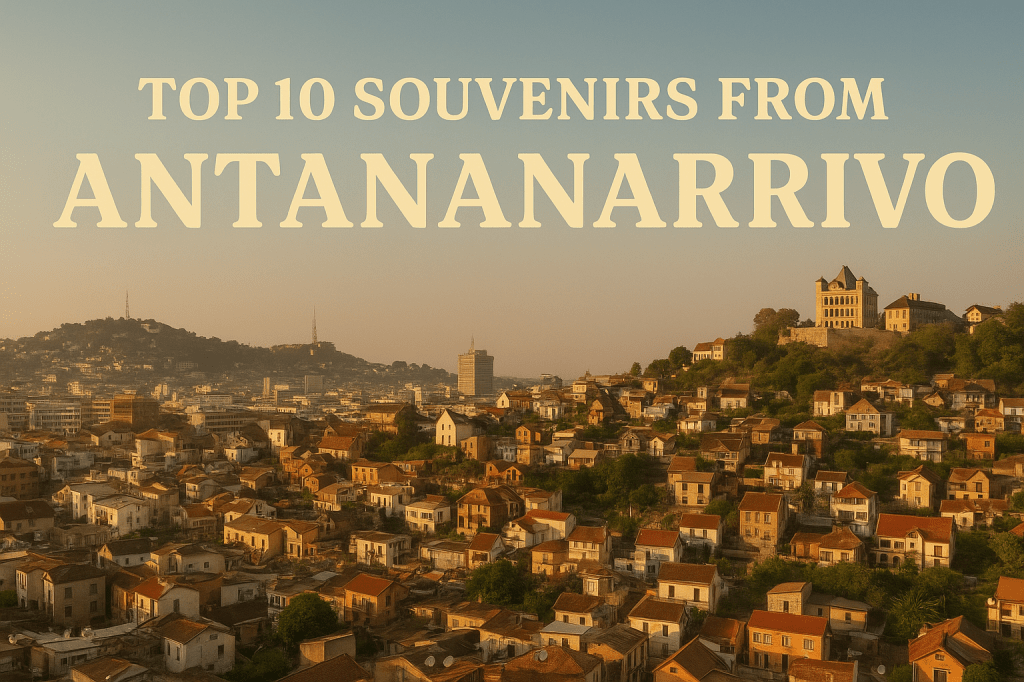
Antananarivo — or Tana, as locals call it — is the chaotic, colorful heart of Madagascar. Its steep hills, colonial architecture, and bustling markets offer a glimpse into the island’s distinct blend of Malagasy tradition, French influence, and vibrant local craftsmanship.
If you’re heading home and want to bring back something truly Malagasy, this guide — based on local tips, market discoveries, and popular picks among visitors and residents — will help you find the perfect souvenir.
Top 10 Souvenirs from Antananarivo, Madagascar
1. Raffia Products
Madagascar is world-renowned for its raffia palm, and artisans in Tana turn it into colorful bags, baskets, hats, and placemats. Lightweight and eco-friendly, they’re a top pick among visitors.
You’ll see raffia everywhere — from street stalls to upscale boutiques around the city.
2. Zafimaniry Wood Carvings
These intricate geometric wood carvings are made by the Zafimaniry people, UNESCO-recognized for their craftsmanship. Popular items include boxes, furniture, and wall art.
3. Handmade Paper from Antaimoro Bark
This unique paper is made using bark and pressed flowers or leaves, and is often turned into notebooks, lampshades, or cards. It makes a lovely gift and is light to carry.
4. Vanilla Pods and Cloves
Madagascar is one of the world’s top exporters of vanilla and cloves. You’ll find vacuum-packed pods and spice bundles in markets and specialty stores — ideal for foodies back home.
5. Semi-Precious Stones and Jewelry
The country is rich in gems like rose quartz, labradorite, and amethyst. You’ll find beaded necklaces, polished stones, and silver jewelry made locally and sold in craft markets.
6. Lamba (Traditional Malagasy Textile)
A lamba is a rectangular wrap made of cotton or silk, worn by both men and women. Some are plain; others are elaborately woven and ideal as scarves or home accents.
7. Essential Oils and Natural Beauty Products
Tana is a great place to pick up locally made ylang-ylang, ravintsara, niaouli, and vanilla essential oils — along with soaps, lotions, and balms produced by Malagasy cooperatives.
8. Horn and Bone Crafts
Artisans often use zebu horn to make elegant cutlery, jewelry, combs, and decorative items. Many of these are polished to a glossy finish and have natural marbling.
9. Tavy-Style Paintings and Handicrafts
Tavy is a colorful art style inspired by rural life in Madagascar. You’ll see these cheerful scenes painted on canvas, wood, or recycled materials, often sold at roadside galleries.
10. Chocolate and Local Snacks
Madagascar’s bean-to-bar chocolate is getting global attention. You can also pick up banana chips, tamarind sweets, or baobab fruit snacks — many made by small-scale producers.
Where to Shop in Antananarivo
- L’Artisan Market (Marché Artisanale de La Digue):
Located near the airport, this is one of the most popular places for tourists to shop. Dozens of stalls sell everything from woodwork and jewelry to spices and textiles — all in one place. - Isoraka and Andravoahangy Markets:
In the city center, you’ll find raffia goods, baskets, and local snacks. It’s busy and less touristy — perfect if you’re looking for a bargain or more authentic market vibe. - Artisan Boutiques in Isoraka and Antaninarenina:
These neighborhoods have higher-end shops offering curated artisan goods, including handmade paper, horn crafts, and Malagasy oils. Ideal if you’re short on time and want quality. - Hotel Gift Shops and NGO Stores (e.g., Mad’Eole, Akany Avoko):
Some social enterprises and NGOs sell crafts made by women’s cooperatives, where your money goes directly to supporting communities.
Shopping Tips for Antananarivo
- The local currency is the Malagasy Ariary (MGA). Many vendors accept cash only, especially in markets. Bring smaller bills for smoother transactions.
- Bargaining is normal, especially in open markets like La Digue. It’s expected — just keep it friendly and respectful.
- Pack spices and oils well, and make sure vanilla is labeled and sealed properly if you plan to take it internationally.
- Don’t buy protected wildlife products — items made from tortoise shell, coral, or endangered species are illegal to export.
- Support ethical and fair-trade shops where possible. Many offer goods made by rural artisans or women’s associations.
Final Thoughts
Souvenir shopping in Antananarivo isn’t just about picking up gifts — it’s about engaging with Madagascar’s craftsmanship, biodiversity, and cultural identity. Whether it’s a woven basket, a carved wood keepsake, or a bundle of rich vanilla, each item tells a story from one of the world’s most unique islands.

 Souvenir Ideas to Take Home from Every Country and City
Leave a comment