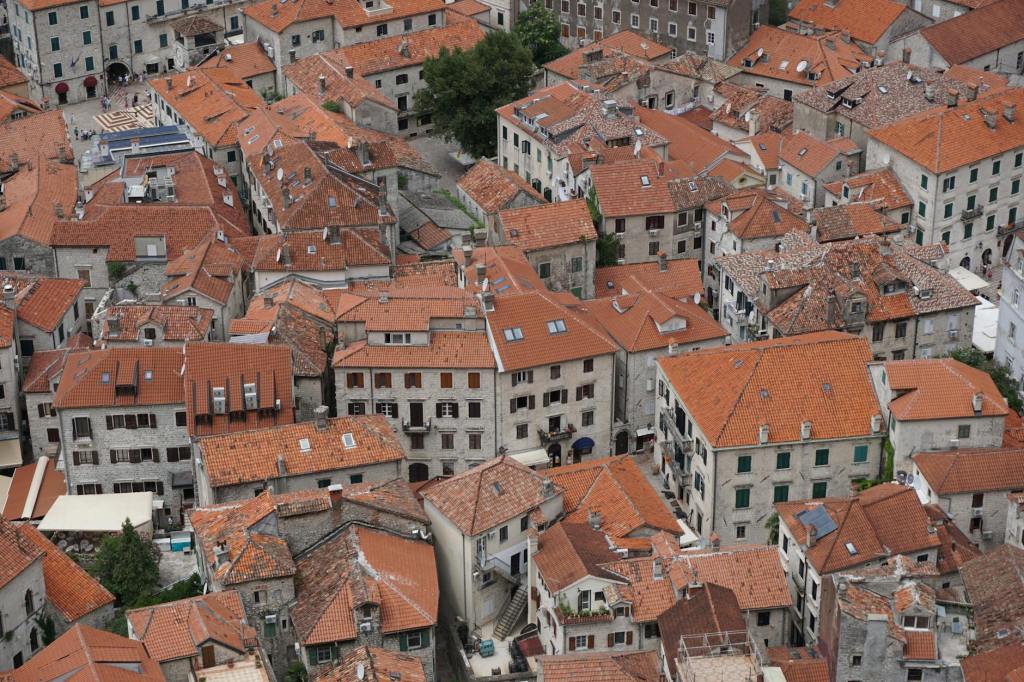
Nestled between dramatic mountains and the sparkling Adriatic Sea, Kotor is one of Montenegro’s most enchanting destinations. Its walled Old Town is a UNESCO World Heritage Site, full of narrow alleys, medieval churches, and hidden courtyards — and it’s also a wonderful place to discover authentic Montenegrin souvenirs that reflect the country’s rich culture and coastal charm.
Whether you’re stopping in on a cruise or staying a few days, this guide will help you find meaningful, high-quality keepsakes to remember your time in this magical little bay town.
Top 10 Souvenirs from Kotor
1. Local Olive Oil
Montenegro produces excellent olive oil, especially from groves around Bar and Lustica. In Kotor, you’ll often find small bottles of cold-pressed, extra virgin olive oil packaged beautifully — a favorite among visitors and commonly found at local delis and markets.
2. Hand-Painted Icons and Religious Art
Based on local tradition and Orthodox influence, miniature hand-painted icons are a popular and meaningful souvenir. These are typically sold in galleries and church shops in and around the Old Town.
3. Kotor-Themed Ceramics and Tiles
Shops in Kotor sell ceramic tiles, magnets, and dishes with illustrations of the Bay of Kotor, the Old Town, or Our Lady of the Rocks — ideal for decorating a kitchen or bookshelf back home.
4. Rakija (Fruit Brandy)
Rakija is Montenegro’s beloved spirit, usually made from plums, grapes, or even quince. Locally bottled versions are easy to find in markets and are often sold in small glass bottles with hand-written labels — a strong and symbolic gift from the region.
5. Traditional Embroidered Textiles
In the small boutiques around Kotor, you’ll occasionally find handmade tablecloths, napkins, or wall hangings with Balkan-style embroidery. Lightweight and decorative, they’re a charming link to local heritage.
6. Montenegrin Wine
Montenegro’s wine scene is growing fast, with Vranac red wine being the country’s signature. Bottles are widely sold in wine shops and grocery stores around Kotor — look for local brands like Plantaže.
7. Bay of Kotor Artwork
Art lovers will enjoy prints, watercolors, and paintings of the scenic bay, the medieval rooftops, or Kotor’s surrounding mountains — often painted by local artists and sold at small outdoor stalls or galleries.
8. Sea-Themed Jewelry and Accessories
Commonly found at Kotor’s open-air markets, you’ll see necklaces, earrings, and bracelets made with Adriatic sea glass, shells, or coral-inspired designs. These are small, stylish souvenirs — many sold by the artists themselves.
9. Spices and Herbal Teas
From mountain herbs to dried lavender sachets, Montenegro’s local flora is bottled up in fragrant tea blends, spice mixes, and natural skincare. These are often available in small eco shops and weekend markets.
10. Hand-Carved Wooden Items
Woodworking has deep roots in Montenegro, and you’ll see small wooden boats, bowls, crosses, and cutting boards made from olive or walnut wood. They’re useful, long-lasting souvenirs often sold at craft stalls or tucked-away artisan shops.
Where to Shop in Kotor
I’ve reviewed 5 shops in detail but here are some general areas.
- Old Town Boutiques (Stari Grad):
Winding streets filled with ceramic shops, artisan jewelry stands, icon galleries, and wine stores. Prices can vary, but the selection is unique and often handmade.
- Pjaca Shopping Spots and Outdoor Stalls:
Especially near the Sea Gate and the Maritime Museum, you’ll find open-air stalls selling art, crafts, and rakija — many of which are sold directly by local makers.
- Kotor Market (outside the Old Town walls):
A local favorite, especially in the morning, with fresh produce, cheese, cured meats, olives, and small-batch rakija. This is a great place to chat with vendors and discover regional specialties.
- Art Galleries and Orthodox Church Shops:
Ideal for picking up icons, religious ornaments, or prints of Montenegrin landscapes.
- Lustica Farm Shops (nearby):
If you’re exploring outside the town, especially toward the Lustica Peninsula, you’ll find olive oil farms and eco-friendly artisan stores with a focus on handmade local products.
Shopping Tips for Kotor
- Check labels. Look for locally made items — some shops mix imported goods with local crafts, so ask if you’re unsure.
- Bring cash. Euros are the currency in Montenegro, and while most shops accept cards, some smaller market stalls do not.
- Pack liquids properly. Rakija, wine, and oil should go in your checked luggage unless you buy duty-free at the airport or port.
- Don’t rush. Kotor may be small, but its best shops are often tucked down quieter side streets — take your time exploring.
- Talk to the artists. Many vendors are happy to share the story behind what they make — a little conversation can lead to a more meaningful purchase.
Final Thoughts
Kotor might be compact, but it’s overflowing with culture, character, and charm — and the souvenirs reflect just that. Whether it’s a bottle of homemade rakija, a hand-painted icon, or a watercolor of the bay, you’ll find something that captures the spirit of this medieval gem on the Adriatic.
More than just a postcard — your souvenir from Kotor will be a true piece of Montenegro.


 Souvenir Ideas to Take Home from Every Country and City
Leave a comment