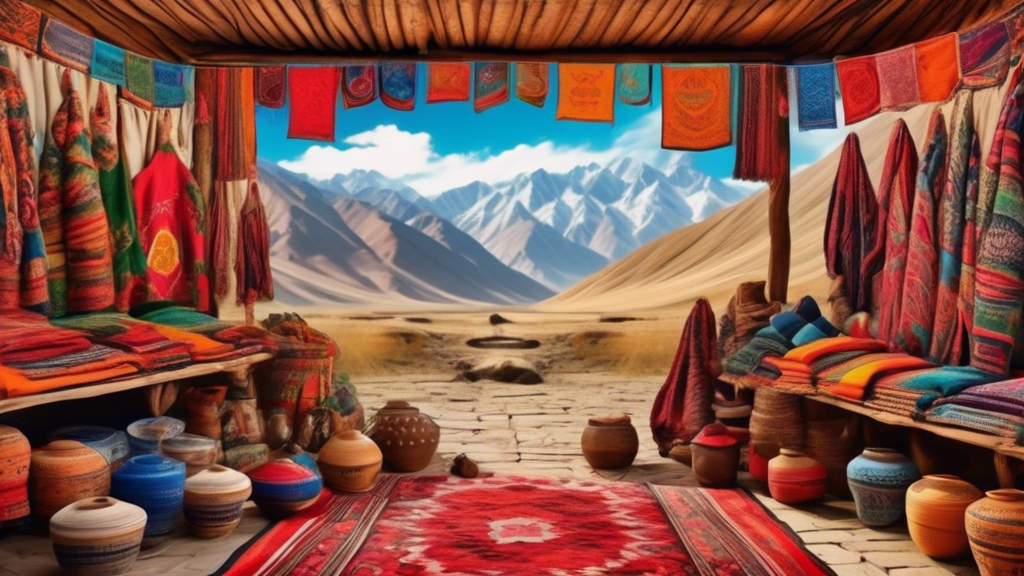
Nestled in the heart of Central Asia, Tajikistan boasts a tapestry of cultural and natural wonders that make it an extraordinary destination for travelers. This landlocked country, with its rugged mountains, crystal-clear lakes, and ancient cities, has an unparalleled charm.
As the crossroads of several major civilizations throughout history, Tajikistan bears the imprint of Persian, Russian, and Islamic influences. The nation’s rich cultural heritage is often reflected in its diverse traditions, vibrant festivals, and ancient crafts.
The Pamir Mountains, also known as the Roof of the World, dominate the landscape, offering awe-inspiring vistas and a haven for adventure seekers. Travelers can explore the lush Fann Mountains, the serene Lake Iskanderkul, and the historic Silk Road cities like Khujand and Penjikent, all while immersing themselves in the local culture.
One of the most captivating aspects of visiting Tajikistan is the opportunity to acquire authentic, handmade souvenirs. Unlike many tourist destinations where you might find mass-produced trinkets, Tajikistan offers a wealth of unique, artisanal items that provide a genuine connection to its culture and history.
Shopping for souvenirs in Tajikistan is not just about purchasing an item; it’s about bringing home a piece of the country’s soul. Each handcrafted product tells a story of generations who have honed their skills through traditional techniques passed down over centuries. These souvenirs are more than just mementos—they’re symbols of cultural heritage and living traditions.
From intricately woven rugs and colorful embroidered textiles to unique musical instruments and exquisite jewelry, the variety of authentic souvenirs available in Tajikistan is vast and impressive.
Tourists who seek to understand and appreciate the depth of Tajik culture will find that local markets and bazaars are treasure troves of such items. These markets offer a sensory experience, filled with the vibrant colors, textures, and sounds of traditional Tajik life.
Engaging directly with the artisans provides valuable insights into their crafting processes and an opportunity to support their craft.
Importance of Supporting Local Artisans and Preserving Traditional Crafts
When travelers buy souvenirs from local artisans in Tajikistan, they contribute significantly to the preservation of the country’s traditional crafts and the livelihoods of its people. These artisans rely on the income from their crafts to sustain their families and communities.
The sale of handicrafts often represents the sole source of income for many rural families, especially in remote regions where economic opportunities are limited.
Moreover, purchasing authentic souvenirs helps to maintain and revive age-old traditions that might otherwise be lost to time. In a rapidly modernizing world, there is a growing concern that traditional crafts could disappear as younger generations move towards urban areas in search of different employment opportunities.
By supporting artisans, tourists play a crucial role in safeguarding these invaluable cultural practices.
Investing in traditional crafts also means promoting sustainable and environmentally friendly practices. Many artisans use locally sourced materials and eco-friendly methods in their production processes. This not only ensures the quality and authenticity of the products but also minimizes the environmental impact.
In addition, the act of buying directly from artisans fosters cross-cultural exchange and understanding. It opens up dialogues between tourists and locals, enriching the travel experience and allowing visitors to leave with a deeper appreciation of Tajik culture.
Supporting local artisans is a meaningful way for tourists to show respect and gratitude for the hospitality they receive in Tajikistan, creating a positive and lasting impact on the communities they visit.
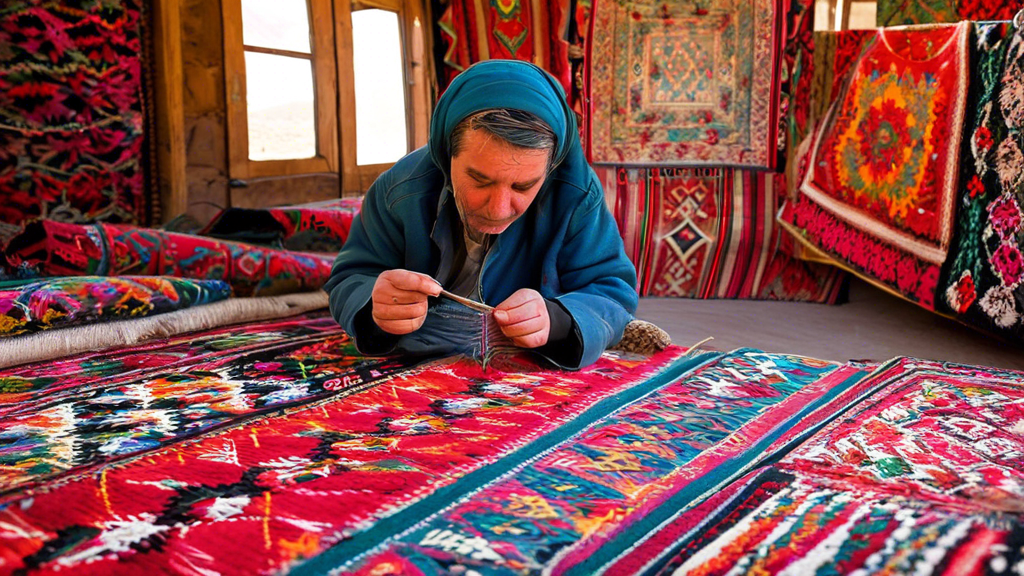
Traditional Handicrafts: One of the most cherished types of souvenirs from Tajikistan is traditional handicrafts. These items offer a tangible connection to the country’s rich cultural heritage and are often crafted with exquisite detail and craftsmanship. Among the most popular traditional handicrafts are handwoven rugs, embroidered textiles, and pottery.
Handwoven Rugs: Handwoven rugs, also known as “Kilims” or “Jajims” in Tajikistan, are highly prized for their intricate designs and vibrant colors. Each rug tells a story through its unique patterns, often symbolizing elements of Tajik culture and everyday life.
The process of creating these rugs is labor-intensive, involving traditional techniques passed down through generations. Travelers can find these beautiful pieces in various sizes, perfect for adorning any space as a reminder of their journey to Tajikistan.
Embroidered Textiles: Tajikistan is also renowned for its embroidered textiles, particularly the “Suzani” embroideries. These are large, decorative panels traditionally embroidered with cotton or silk threads on a base fabric.
The designs often include floral motifs, symbolic patterns, and vibrant colors, showcasing the skill and creativity of Tajik artisans. Suzani textiles can be used as wall hangings, bedspreads, or cushion covers, making them versatile souvenirs that bring a touch of Tajik culture into any home.
Pottery: Pottery from Tajikistan features unique shapes and intricate designs that reflect the country’s artistic tradition. These items range from large, ornate vases to smaller, everyday dishes and bowls. Many pieces are hand-painted with traditional Tajik motifs, making each item a one-of-a-kind treasure.
Pottery souvenirs not only serve as beautiful additions to home decor but also as functional tableware that can be used daily, keeping the memory of a trip to Tajikistan alive.
Cultural Artifacts: Besides handicrafts, cultural artifacts also make fascinating souvenirs that encapsulate the spirit of Tajikistan. These items, such as musical instruments, traditional clothing, and jewelry, provide a deeper insight into the country’s cultural identity.
Musical Instruments: Tajikistan has a rich musical heritage, and purchasing a traditional musical instrument is a wonderful way to take home a piece of this culture. Popular instruments include the “Dombra” (a long-necked lute), “Rubab” (a plucked string instrument), and “Doira” (a type of hand drum).
Many of these instruments are handcrafted and offer not just aesthetic value, but also the opportunity to learn and play traditional Tajik music styles.
Traditional Clothing: Another distinctive cultural artifact from Tajikistan is traditional clothing, particularly items adorned with intricate embroidery and colorful fabrics. “Chapan” (a type of coat), hats, scarves, and “Kurta” (a long shirt) are among the popular garments.
These pieces are often crafted using age-old techniques and hold cultural significance, making them unique keepsakes or gifts that celebrate Tajik traditions.
Jewelry: Tajikistan also boasts a rich tradition of jewelry-making, with artisans creating stunning pieces that reflect the country’s history and artistic flair. Silver jewelry is particularly popular, often featuring intricate engravings and adorned with semi-precious stones.
Souvenirs such as earrings, necklaces, bracelets, and rings are not only beautiful but also serve as timeless reminders of the Tajik culture and craftsmanship.
Edible Souvenirs: For food enthusiasts, Tajikistan offers a variety of edible souvenirs that capture the flavors of the region. Local honey, dried fruits, and traditional sweets are among the most sought-after edible gifts that reflect the culinary heritage of the country.
Local Honey: Tajikistan’s mountainous regions are home to diverse flora, contributing to the production of high-quality honey. Local honey is prized for its rich taste and health benefits, often being sold in various flavors depending on the predominant flowers in the region. Purchasing a jar of Tajik honey allows tourists to relish the natural sweetness and unique flavor profiles that are difficult to find elsewhere.
Dried Fruits: Dried fruits are another popular type of edible souvenir from Tajikistan. The country is well-known for its apricots, raisins, mulberries, and nuts, which are dried to perfection and can be found in markets across the nation. These healthy treats make for a convenient and delicious snack, offering a taste of Tajikistan that travels well and can be enjoyed long after returning home.
Traditional Sweets: Traditional Tajik sweets, such as “Nabot” (crystallized sugar), “Parvarda” (caramelized nuts), and various types of halva, are beloved treats that come in a variety of flavors and textures.
These sweets are often made using local ingredients and traditional recipes, providing an authentic taste of Tajik culinary artistry. Bringing home a selection of these confections allows visitors to share the delightful flavors of Tajikistan with friends and family.
Collectively, the traditional handicrafts, cultural artifacts, and edible souvenirs from Tajikistan offer a wonderful way to bring home a piece of the country’s vibrant culture. These items serve not only as mementos but also as valuable supports for local artisans and their continued preservation of traditional crafts and cultural heritage.
Where to Buy Authentic Souvenirs in Tajikistan
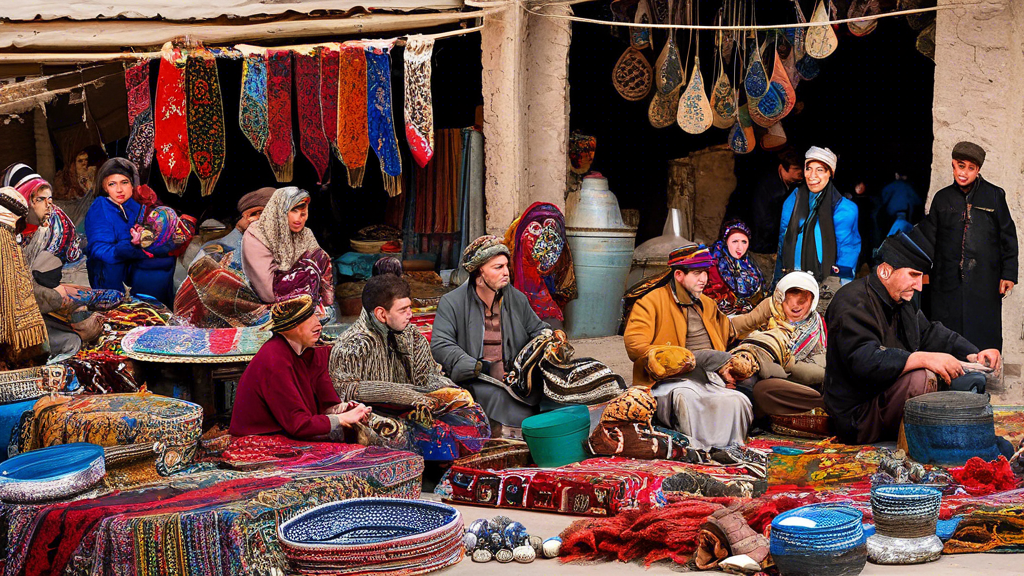
If you’re planning to bring home a piece of Tajikistan’s rich culture and tradition in the form of authentic souvenirs, knowing where to buy these treasures is paramount. The country’s markets and bazaars are the beating heart of its artisanal commerce, providing visitors with a myriad of choices in traditional crafts and local delights.
Here are some top places and valuable tips to ensure you get genuine items and have an enjoyable shopping experience.
Markets and Bazaars to Visit
One of the best ways to immerse yourself in the culture and find authentic Tajik souvenirs is to visit local markets and bazaars. These bustling hubs of activity are not just places to shop; they are vibrant cultural experiences filled with colors, sounds, and the friendly chatter of local vendors. Here are some recommendations:
Dushanbe
The capital city, Dushanbe, is home to some of the most prominent bazaars in Tajikistan. Green Bazaar (also known as Shahmansur Bazaar) is a must-visit. This market offers an extensive range of products, from fresh produce to traditional handicrafts.
You’ll find beautiful handwoven rugs, intricate embroidery, and striking pottery here. Another noteworthy market in Dushanbe is the Koriz Market, which is slightly less touristy but equally rich in traditional items and local delicacies.
Khujand
Khujand, the second-largest city in Tajikistan, boasts the Panji Poyon Bazaar, one of the oldest and largest markets in the region. The bazaar is a treasure trove of traditional clothing, musical instruments, and jewelry. Local honey and dried fruits are also popular items to take home from this vibrant market.
Khorog
In the heart of the Pamirs, the town of Khorog features the Saturday Central Market, which is an essential stop for anyone in search of genuine Pamiri crafts. Here, you can buy intricate handwoven textiles unique to the region, beautiful handmade jewelry, and other cultural artifacts that reflect the rich heritage of the Pamir people.
Identifying Genuine Souvenirs
When hunting for authentic Tajik souvenirs, it’s crucial to distinguish between genuine handcrafted items and mass-produced imitations. Here are some tips to help you identify real treasures:
- Ask for the Backstory: Genuine artisanal items usually come with a story. Don’t hesitate to ask the vendor about the origin, materials, and crafting process of the item. Artisans take pride in their work and are often eager to share its history and significance.
- Examine the Craftsmanship: Handcrafted items typically exhibit subtle imperfections and variations, which add to their charm and uniqueness. Look closely at the details: the fine stitching of embroidery, the intricate patterns of rugs, or the slight irregularities in pottery.
- Check Materials Used: Authentic souvenirs tend to use natural and locally sourced materials. For instance, Tajik rugs are often made from wool or silk, while local jewelry incorporates semi-precious stones and metals such as silver.
- Price vs. Quality: While a lower price may be tempting, it can be an indicator of mass production. Authentic crafts, given their labor-intensive creation process, tend to be priced higher. It’s worth investing a bit more to ensure you are supporting local artisans and obtaining a quality piece.
Bargaining and Vendor Interaction Tips
Haggling is a common practice in Tajik bazaars and markets. Here are some essential tips for negotiating respectfully with local vendors:
- Start with a Smile: Always approach bargaining with a friendly attitude. A genuine smile and courteous demeanor can go a long way in establishing a good rapport with the vendor.
- Do Your Research: Have a rough idea of the prices of the items you’re interested in. This knowledge gives you a solid foundation to start negotiations and helps you recognize a fair deal.
- Be Respectful: While bargaining is expected, it’s important to be respectful. If a vendor firmly states a final price, avoid pushing too hard. Respect their decision and either make the purchase or politely decline.
- Enjoy the Process: Bargaining can be a fun and engaging aspect of the market experience. Treat it as a cultural exchange and enjoy the interaction. Building a connection with the vendor can even lead to better deals.
Bringing home a piece of Tajikistan in the form of a thoughtfully chosen souvenir is a wonderful way to remember your journey. By visiting the local bazaars of Dushanbe, Khujand, and Khorog, you not only find authentic items but also contribute to the preservation of traditional crafts and support the livelihoods of local artisans. Happy shopping!


 Souvenir Ideas to Take Home from Every Country and City
Leave a comment