
When traveling to the Solomon Islands, bringing back souvenirs is more than just a customary practice—it’s a way to encapsulate memories and experiences that are often too profound for words.
Souvenirs serve as tangible reminders of the places we’ve ventured, the people we’ve met, and the moments that have shaped our journeys. They also offer a unique glimpse into the cultural and historical tapestry of the Solomon Islands, making them invaluable keepsakes.
The souvenirs from the Solomon Islands are deeply intertwined with the islands’ rich cultural heritage and traditions. Each handcrafted item, whether it’s a wood carving, piece of shell jewelry, or woven basket, tells a story of the artisans’ skill, creativity, and ancestral knowledge.
These items are not merely decorative; they embody the essence of the Solomon Islanders’ way of life, beliefs, and customs.
Top Must-Buy Souvenirs from Solomon Islands
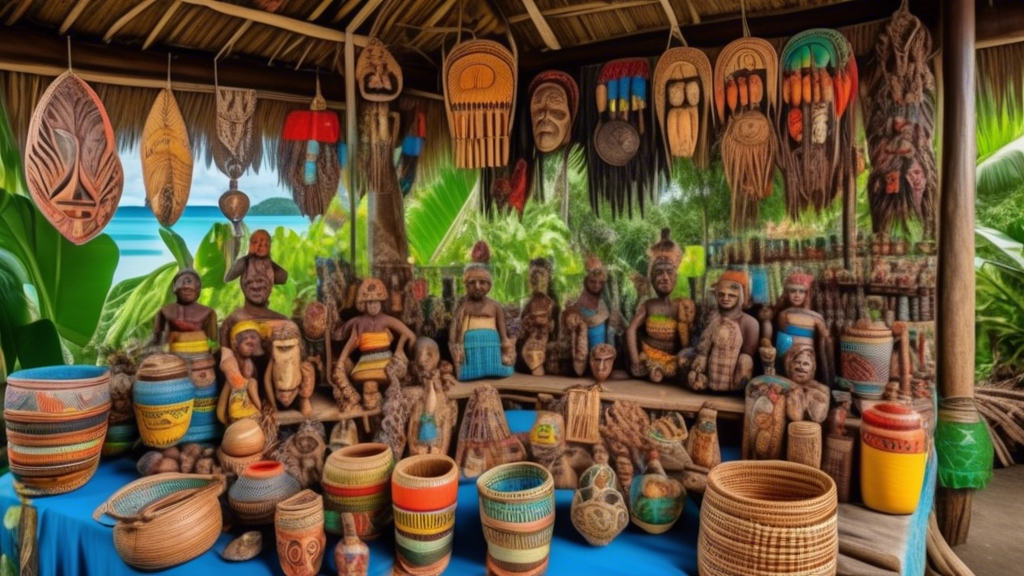
Traditional Handicrafts and Artifacts
When visiting the Solomon Islands, one of the must-buy souvenirs that captures the essence of the islands is traditional handicrafts and artifacts. These unique creations not only make for beautiful keepsakes but also offer a glimpse into the rich cultural heritage of the archipelago.
First on the list are wood carvings. The people of the Solomon Islands are renowned for their intricate and skillfully designed wood carvings. From decorative masks and statues to functional items like bowls and utensils, each piece is a masterpiece, often telling stories of the land and its people.
These carvings are made from locally sourced wood, ensuring authenticity and a deep connection to the islands.
Shell jewelry is another iconic souvenir from the Solomon Islands. Crafted from an array of beautiful shells found along the pristine beaches, these pieces range from necklaces and bracelets to earrings and anklets. The vibrant colors and unique patterns of the shells make each jewelry piece a stunning representation of the islands’ natural beauty.
Lastly, don’t miss out on the woven baskets. Handwoven by skilled artisans using traditional techniques, these baskets come in various sizes and designs. They are typically made from pandanus leaves or other natural fibers, making them not only eco-friendly but also durable. These baskets are perfect for carrying everyday items or as decorative pieces for your home.
To purchase these traditional handicrafts and artifacts, visit the local markets and artisan shops scattered throughout the Solomon Islands. Honiara, the capital city, is a great starting point, but don’t hesitate to explore smaller villages and islands for more authentic and unique finds.
Locally Sourced Products
Another category of must-buy souvenirs from the Solomon Islands includes locally sourced products. These items provide a taste of the islands and make for great gifts to bring back home.
Coffee from the Solomon Islands is a must-try for any coffee enthusiast. The rich volcanic soil and perfect climate conditions make for a robust and flavorful coffee bean. Locally harvested and roasted, this coffee offers a unique taste that you won’t find elsewhere. Pick up a bag or two from local farmers’ markets or specialty stores.
Spices are another popular souvenir. The Solomon Islands produce a variety of spices, including vanilla, nutmeg, and turmeric. These spices are often organically grown and harvested by local farmers, ensuring high quality and exceptional flavor. They’re perfect for adding a touch of island essence to your meals back home.
Additionally, consider purchasing natural skincare products made from tropical ingredients like coconut oil, noni, and local herbs. These products are often hand-made and free of harmful chemicals, providing a natural alternative to mainstream skincare. You’ll find these items in local farmers’ markets and specialty stores dedicated to organic and natural products.
Cultural and Historical Items
For those interested in the cultural and historical aspects of the Solomon Islands, there are several souvenirs that reflect the rich history and traditions of the archipelago.
War relics are a poignant reminder of the islands’ role in World War II. The Solomon Islands saw significant battles, and many relics from this time, such as bullets, helmets, and other artifacts, can be found in local markets. It’s important to purchase these items from reputable sources to ensure they are authentic and legally obtained.
Traditional musical instruments are another fascinating souvenir. Instruments like the pan flute, slit drum, and bamboo percussion instruments are deeply embedded in the music culture of the Solomon Islands. These instruments are often hand-crafted using traditional methods, making them not just beautiful to look at but also functional.
To find these cultural and historical items, visit museums and heritage centers scattered throughout the islands. These establishments often have gift shops where you can purchase authentic artifacts and learn more about their significance and history.
Tips for Purchasing Souvenirs in Solomon Islands
Negotiating Prices and Understanding Value
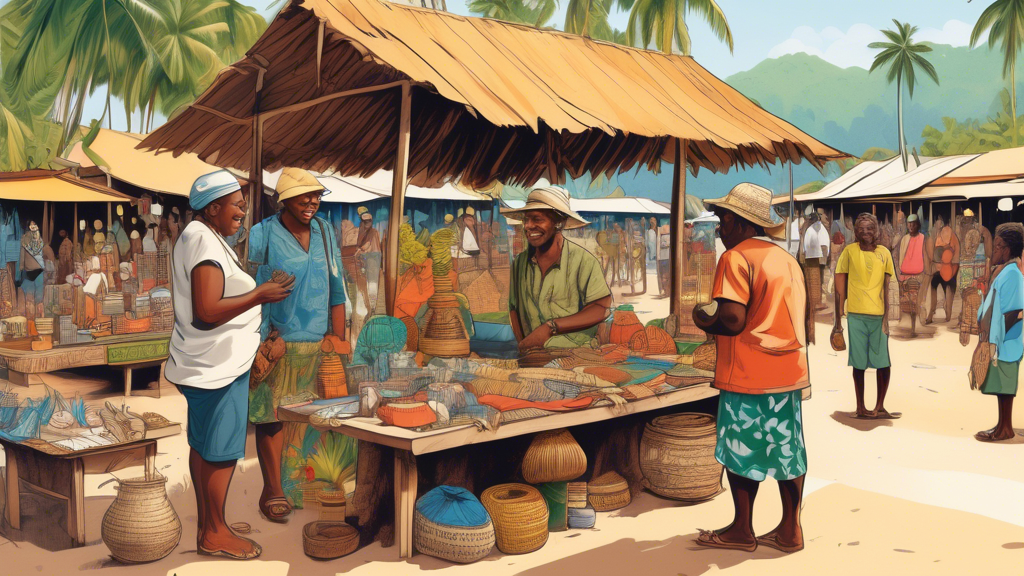
When it comes to purchasing souvenirs in the Solomon Islands, negotiating prices is a common practice and can enhance your shopping experience. Here are some tips to master the art of haggling:
1. Do Your Research: Before diving into negotiations, familiarize yourself with the general price range of items you’re interested in. This can be achieved by visiting multiple shops and markets to compare prices. Having this knowledge helps you determine a fair price and strengthens your bargaining position.
2. Start Low, Go High: Begin with a price that’s lower than what you’re willing to pay. This gives you room to maneuver as the seller counters your offers. Be polite and respectful during this process to ensure a positive exchange.
3. Understand the Workmanship: Handmade items, such as wood carvings and woven baskets, can vary significantly in value based on craftsmanship. Take the time to appreciate the skill and effort that goes into each piece. Understanding the level of work involved can help you better gauge the value and justify the price.
4. Build Rapport: Engaging with the seller and showing genuine interest in their work can lead to a better deal. Respectful and friendly interactions are key—local vendors are more likely to offer a discount to a customer who values their culture and skills.
5. *Cash is King: When negotiating, paying in cash can give you an advantage. Sellers often prefer cash transactions to avoid extra costs such as credit card fees. Bringing the exact amount of cash you’re willing to spend can also prevent overspending.
Supporting Local Artisans and Sustainable Purchasing
Your purchasing decisions can significantly impact the local economy and environment. Here’s why supporting local artisans and opting for sustainable souvenirs is important:
1. Economic Support: Buying directly from local artisans ensures that more of your money goes directly to the creators, contributing to the local economy. This support can help maintain traditional crafts and provide artisans with a stable income.
2. Ethical Considerations: Look for souvenirs that are ethically sourced and produced. Items made with sustainable materials or using eco-friendly methods contribute to the preservation of the environment and the cultural heritage. Avoid purchasing items that involve the exploitation of wildlife or natural resources.
3. Fair Trade: Seek out shops and markets that promote fair trade practices. Fair trade vendors ensure that artisans are paid fairly and work under safe conditions, adding an ethical dimension to your souvenir shopping.
4. Quality Over Quantity: Instead of buying numerous cheap items, focus on purchasing a few high-quality pieces. High-quality souvenirs are not only more meaningful but are likely to last longer and hold greater sentimental value.
5. Ask Questions: Don’t hesitate to ask artisans about their work, the materials used, and the processes involved. This not only shows appreciation for their craft but also allows you to make informed purchasing decisions.
Practical Advice on Transporting Souvenirs
Safely transporting your precious souvenirs back home is crucial to preserving their beauty and integrity. Here are some practical tips to ensure your souvenirs arrive intact:
1. Packing Delicate Items: For fragile items such as shell jewelry or intricate wood carvings, wrap each piece individually in bubble wrap or tissue paper. Place them in the center of your luggage, cushioned by clothes or other soft items to prevent damage.
2. Use Protective Containers: Items like spices, coffee, and natural skincare products should be placed in leak-proof containers or zip-lock bags. This prevents any spillage or damage during transit. Also, ensure that any liquid products comply with airline regulations.
3. Shipping Bulky Souvenirs: If you’ve purchased large or heavy items that are difficult to carry, consider shipping them directly to your home. Most local shops and artisans can help arrange shipping services. Be sure to use a reliable shipping company and get tracking information.
4. Customs Regulations: Familiarize yourself with the customs regulations of your home country. Some items, such as those made from certain materials (e.g., coral or animal products), may be restricted or require special permits to bring into your country.
5. Document Your Purchases: Keep receipts and document your purchases, especially if they are high-value items. This can help with any customs issues and serve as proof of authenticity.
By following these tips, you can navigate the souvenir markets of the Solomon Islands confidently and return home with treasures that not only remind you of your travels but also support and sustain the local culture. Happy shopping!

 Souvenir Ideas to Take Home from Every Country and City
Leave a comment