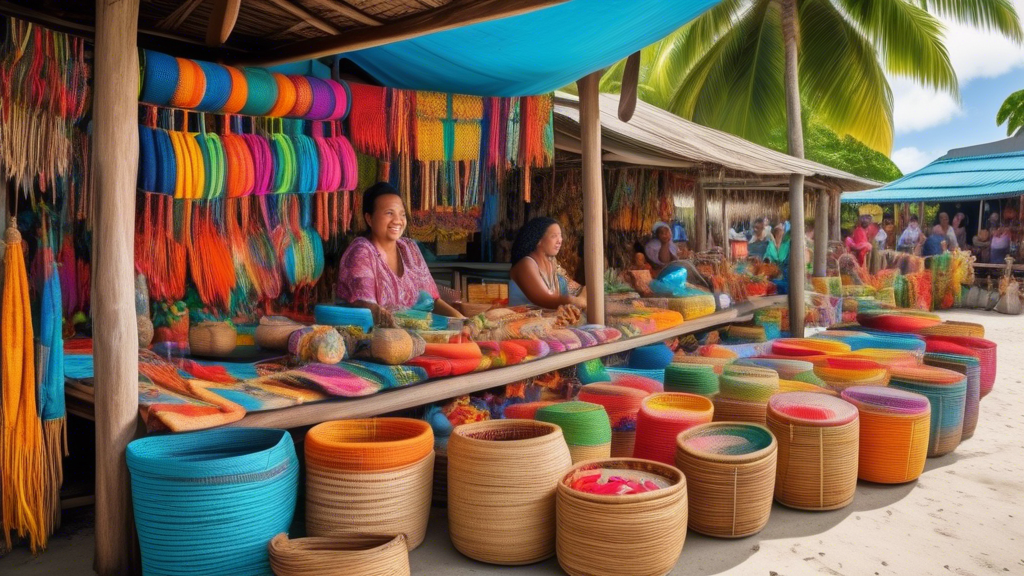
Nestled in the heart of the Pacific, Tuvalu is a burgeoning destination that boasts a wealth of cultural treasures just waiting to be discovered. For travelers seeking to capture the essence of this enchanting island nation, souvenirs from Tuvalu offer a unique glimpse into its rich heritage and stunning natural landscapes.
From intricate traditional handicrafts and vibrant local art to marine-inspired keepsakes, each item tells a story of Tuvalu’s unique cultural expressions and pristine marine environment.
When shopping for souvenirs in Tuvalu, it is crucial to consider sustainability. By making eco-friendly choices and supporting local artisans, tourists can ensure their mementos are not only meaningful but also respectful of the island’s delicate ecosystem and cultural traditions.
Being mindful to purchase genuine articles, rather than mass-produced imitations, further honors the skill and creativity of Tuvalu’s indigenous craftmakers.
Whether you are browsing bustling markets in Funafuti, exploring charming local shops, or discovering hidden gems off the beaten path, Tuvalu offers numerous opportunities to find that perfect souvenir.
Each piece of art, every woven fabric, and oceanic trinket provides a tactile memory of your visit, offering a tangible connection to the tranquil beauty and cultural vibrancy of this Pacific paradise.
Highlights of Unique Souvenirs from Tuvalu
Traditional Handicrafts: Authentic Tuvaluan Weavings and Artisan Products
One of the most cherished souvenirs from Tuvalu is its traditional handicrafts. The islands’ rich heritage manifests through masterfully crafted woven items, an art form passed down through generations.
Pearl-shell carving, basket weaving, and mat weaving are popular forms that highlight the skill and artistry of Tuvaluan women. Hand-woven mats, known locally as malouses, are particularly notable for their intricate designs and vibrant colors.
In addition to mats, you can find elaborately woven fans, hats, and bags crafted from pandanus leaves. These products are both practical and beautiful, often used in daily life by the locals.
Purchasing these handcrafted items not only provides a unique memento of your trip but also supports local artisans who rely on weaving as their primary source of income.
Local Art and Paintings: Exploring Tuvaluan Cultural Expressions
Artwork from Tuvalu offers a unique window into the islands’ culture and traditions. The local art scene is deeply intertwined with the natural beauty of Tuvalu, often portraying scenes of island life, marine environments, and cultural depictions.
Paintings and drawings are typically vivid and colorful, celebrating the rich, tropical ecosystem surrounding the islands. These pieces of art serve as beautiful reminders of your experiences and the serene landscapes of Tuvalu.
Some artists focus on illustrating traditional myths and legends passed down through generations. These stories often feature gods, spirits, and other elements of Tuvaluan folklore. Investing in local artwork is a meaningful way to bring a piece of this rich cultural tapestry back home.
Remember to inquire about the artist and their inspiration behind each piece, as this adds a personal connection to your souvenir.
Marine-Inspired Keepsakes: Seashells, Coral Crafts, and Oceanic Trinkets
Tuvalu’s pristine, turquoise waters and abundant marine life make ocean-themed souvenirs a must-have. Seashells and coral crafts are popular among visitors and locals alike. Carefully handmade jewelry, such as necklaces, bracelets, and earrings, often incorporate these natural elements, making for exquisite marine-inspired keepsakes.
Generally, these items are crafted by skilled local artisans who take pride in their work.
Besides jewelry, other oceanic trinkets include sculptures and home decor items made from shells and coral. Such unique pieces might represent marine animals like turtles, fish, or even traditional fishing tools.
However, it is essential to ensure that the souvenirs you purchase are sustainably sourced. Avoid products made from endangered species or illegally harvested corals. Always ask vendors about the origin of their materials to make environmentally responsible choices.
Another popular option is collecting small, polished seashells or coral fragments to display as natural souvenirs. These items are usually inexpensive and readily available, but make sure to check the local regulations concerning the collection of natural resources to ensure you are adhering to the conservation laws of Tuvalu.
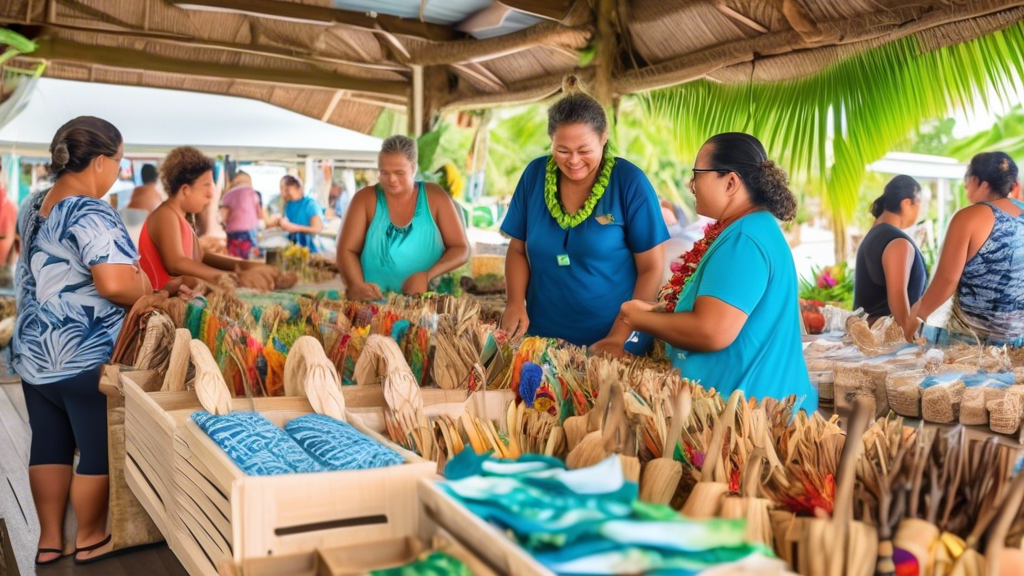
Sustainable Souvenir Shopping in Tuvalu
Eco-Friendly Buying Tips: How to Choose Environmentally Conscious Souvenirs
When shopping for souvenirs in Tuvalu, making environmentally conscious choices is essential. Start by seeking out items made from natural and sustainably sourced materials. Tuvalu’s artisans often use locally available resources like pandanus leaves, coconut shells, and other organic materials to craft their goods.
By choosing these products, you are not only bringing home a unique piece of Tuvalu but also supporting practices that minimize environmental impact.
Avoid products that are harmful to local ecosystems. For example, some tourists may be tempted by souvenirs made from endangered species or non-sustainable wood. Instead, focus on items that promote conservation.
Furthermore, consider the longevity and practicality of the souvenirs. Opt for durable, useful items that will serve a purpose rather than single-use or purely decorative trinkets that might end up as waste.
When possible, inquire about the origins and production methods of the items you are interested in. Vendors who are proud of their eco-friendly practices will be happy to share this information. Carrying reusable shopping bags and reducing your use of plastics can also contribute to a greener shopping experience.
Supporting Local Artisans: Importance of Purchasing from Indigenous Craftmakers
One of the most significant aspects of sustainable souvenir shopping in Tuvalu is supporting local artisans. When you purchase directly from indigenous craftmakers, you are contributing to the local economy and helping to preserve Tuvaluan culture and traditions. Local artisans typically rely on their craft as a primary source of income, and your support can make a substantial difference.
Buying from local artisans ensures you are getting authentic and high-quality souvenirs. Indigenous craftmakers infuse their pieces with cultural significance and craftsmanship honed over generations. Whether it’s woven baskets, traditional jewelry, or hand-painted artwork, these items carry the essence of Tuvaluan heritage.
Make an effort to visit markets and shops where local artisans sell their products. Engage with them and learn about the stories behind their creations. This not only enriches your shopping experience but also establishes a connection that goes beyond a mere transaction.
Consider paying a fair price for these handcrafted goods, as this ensures artisans receive the compensation they deserve for their skill and effort.
Avoiding Counterfeit Items: Ensuring Authenticity in Souvenir Selections
Amidst the charm of souvenir shopping in Tuvalu, it’s crucial to be vigilant about authenticity. Counterfeit items are a global concern and can undermine your efforts to support local artisans and eco-friendly practices. Fake products are often mass-produced, lack cultural significance, and may involve unethical labor practices.
One effective way to avoid counterfeit items is by purchasing souvenirs directly from artisans or through reputable stores and markets known for dealing in genuine products. Look for certificates of authenticity or ask locals for recommendations on trustworthy vendors. Be wary of prices that seem too good to be true, as they might indicate mass-produced or fake items.
Educate yourself about the cultural significance and traditional methods behind genuine Tuvaluan souvenirs. For example, traditional weavings should display intricate patterns and fine craftsmanship, while authentic local paintings will have a unique, culturally resonant style not replicated in mass production. By being informed, you can make discerning choices and ensure your souvenirs are authentic representations of Tuvalu’s rich cultural heritage.
In summary, sustainable souvenir shopping in Tuvalu involves eco-friendly choices, supporting local artisans, and ensuring the authenticity of your purchases. By following these guidelines, you contribute positively to the local economy, help preserve the environment, and take home meaningful mementos of your visit to this beautiful Pacific island nation.
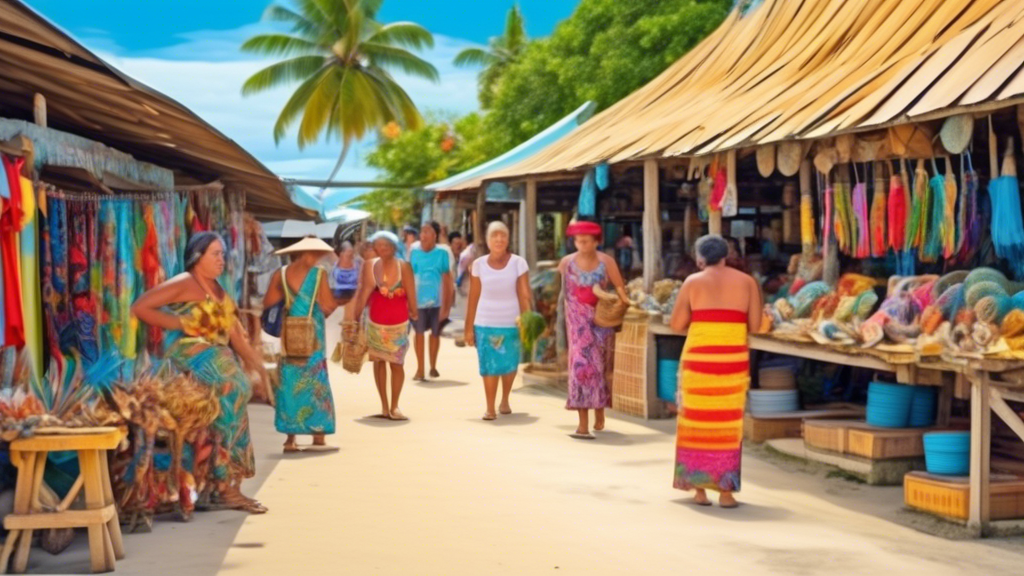
Where to Buy Souvenirs in Tuvalu
Popular Markets and Shops: Top Spots for Quality Souvenirs in Funafuti and Beyond
If you’re looking for the best places to buy souvenirs in Tuvalu, you’ll find a range of options in and around Funafuti, the capital atoll. Some of the most popular markets and shops offer a diverse selection of traditional handicrafts, local art, and marine-inspired trinkets that capture the essence of Tuvaluan culture.
Vaiaku Lagi Hotel Gift Shop is one of the prime spots to start your shopping spree. Located in Funafuti, this gift shop provides an array of local souvenirs, including intricate weavings, wooden carvings, and shell jewelry. The friendly staff can offer insights into the cultural significance of each item, making your purchases much more meaningful.
Funafuti Women’s Handicraft Centre is another must-visit location. This market is run by local women who specialize in crafting beautiful hand-woven products such as mats, bags, and wall hangings. This center not only allows you to buy high-quality traditional handicrafts but also supports the livelihoods of Tuvaluan women artisans.
Another popular market is Funafuti Lagoon Mini-Market, which offers a more casual shopping experience. Here, you can pick up small, marine-inspired trinkets and other memorabilia that make perfect gifts or travel keepsakes.
Hidden Gems: Exploring Less-Known Outlets for Unique Finds
For those willing to venture off the beaten path, there are several hidden gems across Tuvalu where you can find unique and authentic souvenirs. These less-known outlets often offer better prices and more distinctive items compared to the more popular shops and markets.
Nanumaga Island Market is one such hidden gem. Though it’s less frequented by tourists, this market provides a variety of handmade goods that represent the true essence of Tuvaluan craftsmanship. Whether you’re looking for rare shell pieces or intricately designed traditional artwork, you’ll find it here.
Local Village Craft Stalls in outer islands such as Nui and Nukufetau are also worth exploring. These stalls often feature items that are not available in the main commercial areas. The locals who run these stalls are usually eager to share the stories behind each piece, enhancing the cultural value of your purchases.
Tips for Bargaining and Shopping Etiquette: Making the Most of Your Souvenir Hunt
Shopping in Tuvalu can be a delightful experience if you know the right tips and etiquette. Bargaining is not usually a common practice in Tuvalu, unlike in many other countries. However, understanding the nuances of the local shopping culture can help make your souvenir hunt more enjoyable and respectful.
First and foremost, always greet the vendors warmly and show genuine interest in their products. This helps establish a good rapport and makes the shopping experience more enjoyable for both parties. When browsing through items, handle them with care and avoid haggling too aggressively if the prices seem fair.
If you’re interested in purchasing multiple items, it’s reasonable to ask for a small discount. Use a polite and friendly tone when doing so. Phrases like, Can you offer a small discount if I buy several items? are generally well-received.
It’s also important to respect the cultural significance of the items being sold. Many souvenirs have deep cultural and spiritual meanings, and treating them with reverence can go a long way. Make sure to ask about the stories and traditions behind the products. Most vendors will appreciate your interest and may even give you better deals as a result.
Finally, remember to carry cash, as many smaller markets and craft stalls might not accept credit cards. Local currency is usually preferred, though US dollars might sometimes be accepted due to their prevalence in the region.
By following these tips, you can make the most out of your souvenir shopping in Tuvalu, ensuring that your purchases are not only treasured keepsakes but also respectful acknowledgments of the rich Tuvaluan culture.
Overall, souvenir shopping in Tuvalu offers an enriching journey through the island’s cultural and natural wonders, providing you with treasured keepsakes that embody the beauty and tradition of this unique Pacific paradise.


 Souvenir Ideas to Take Home from Every Country and City
Leave a comment