
When exploring the vibrant and culturally rich country of Uzbekistan, bringing home a piece of its heritage through souvenirs is a must. This Central Asian gem offers a plethora of unique and traditional items that capture the essence of its history, craftsmanship, and culinary delights.
From the exquisite handcrafted silk and textiles to the intricate ceramics and pottery, Uzbekistan promises a treasure trove of keepsakes that narrate the stories of its ancient Silk Road legacy. The handcrafted jewelry and accessories, with their elaborate designs and use of precious metals and gemstones, make for memorable tokens of Uzbek artistry.
For those with a penchant for culinary souvenirs, Uzbekistan’s markets are brimming with an array of spices and dried fruits that are integral to the region’s cuisine. Aromatic saffron, fragrant cumin, and succulent apricots are just a few examples of what you can find.
Sweet treats like Navat and Halva, which hold significant cultural value, provide a delightful way to savor Uzbek flavors long after your trip. The tradition of tea drinking is deeply ingrained in Uzbek culture, and the variety of local teas and herbs available serve as perfect gifts for tea enthusiasts.
Shopping for souvenirs in Uzbekistan requires a bit of savvy. Knowing how to bargain effectively in the bustling bazaars can ensure you get the best deals. It’s also important to be vigilant about the authenticity and quality of the items you purchase.
Whether it’s obtaining certificates for antiques or recognizing genuine craftsmanship, a little knowledge goes a long way. Additionally, practical considerations for travel logistics, such as packing fragile items like ceramics and textiles with care, are essential to ensure your souvenirs arrive home safely.
By delving into the diverse offerings of Uzbek markets and shops, you can bring back not just items, but pieces of a rich cultural tapestry that will remind you of your unforgettable journey through Uzbekistan.
Top Traditional Souvenirs to Buy in Uzbekistan
Handcrafted Silk and Textiles
Uzbekistan is renowned for its rich tradition of silk and textile craftsmanship, dating back thousands of years. The art of silk weaving in Uzbekistan dates back to antiquity, with famed Silk Road cities like Samarkand and Bukhara playing pivotal roles in the trade.
One of the most treasured forms of Uzbek textiles is the Suzani embroidery. This ancient craft involves the creation of intricate patterns using bright, vibrant threads, often applied to items like wall hangings, bedspreads, and cushion covers.
Visitors looking to purchase authentic Uzbek silk and textiles should make a point to visit the markets in Margilan, where the historical Yodgorlik Silk Factory allows visitors to see the traditional silk weaving process.
Other popular markets include the Chorsu Bazaar in Tashkent and the Siab Bazaar in Samarkand, where a wide variety of handcrafted textiles can be found. Shoppers should look for distinctive ikat patterns, a hallmark of Uzbek design, and be prepared to invest in these high-quality, storied pieces.
Ceramics and Pottery
Uzbek ceramics are another cherished souvenir, known for their unique designs and vibrant colors. The cities of Rishtan and Samarkand are particularly renowned for their pottery. In Rishtan, the local artisans use a special technique involving a type of local clay and natural mineral pigments to create striking blue and green glazes.
Each piece, whether it is a plate, bowl, or decorative tile, is crafted with meticulous care, often showcasing intricate floral and geometric patterns.
Samarkand, meanwhile, has a rich tradition of ceramic craft that dates back to ancient times. The Urgut and Samarkand markets are excellent places to find these exquisite items. Visitors should also consider a trip to a pottery workshop, where they can witness the creation process firsthand and even participate. These ceramics are perfect keepsakes that capture the artistic spirit of Uzbekistan and make for beautiful home decor.
Handmade Jewelry and Accessories
Jewelry in Uzbekistan is more than just an accessory; it is a reflection of cultural heritage and artistry. Traditional Uzbek jewelry often features intricate designs made from silver and various gemstones, such as turquoise, lapis lazuli, and carnelian. These pieces, which include necklaces, bracelets, earrings, and rings, showcase remarkable craftsmanship and are considered true works of art.
Shoppers seeking these unique items should explore the bazaars in Bukhara, where they can find a variety of stalls selling traditional jewelry. The Chorsu Bazaar in Tashkent and the Alay Bazaar are also popular destinations for jewelry shopping.
It’s advisable to look for items that feature detailed filigree work or inlay, which are characteristic of Uzbek jewelry. The value and beauty of these handmade accessories make them extraordinary souvenirs that also serve as elegant fashion statements.
Unique Edible Souvenirs from Uzbekistan
Spices and Dried Fruits
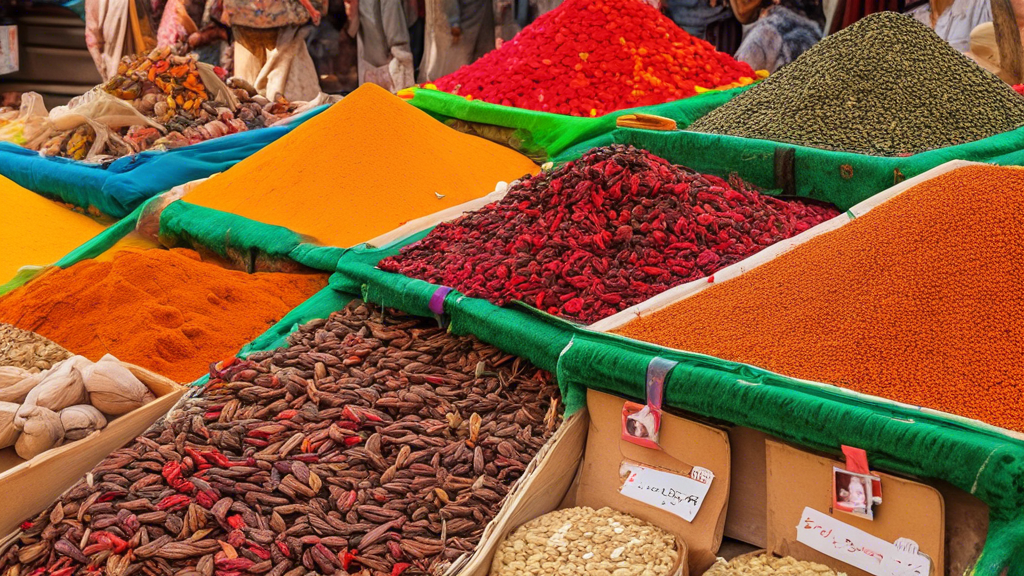
Uzbekistan is renowned for its rich variety of spices and dried fruits, making these edible items fantastic souvenirs. The country’s spices, such as saffron and cumin, hold great importance in its culinary traditions.
When shopping for spices, it is essential to look for vibrant colors and strong aromas, which indicate freshness and potency. Be sure to explore local markets like Siyob Bazaar in Samarkand or Chorsu Bazaar in Tashkent, where you can find an array of spices and dried fruits.
Dried fruits in Uzbekistan are another must-buy. The sweet, sun-dried apricots, luscious raisins, and succulent figs are especially popular. When selecting dried fruits, opt for those that are plump and free from excessive sugar or preservatives. Market vendors are often knowledgeable and can guide you in picking the best quality products.
Navat and Halva
Two iconic sweet treats from Uzbekistan are Navat and Halva. Navat is crystallized sugar, often used to sweeten tea or consumed as a delicacy. It has a unique cultural significance, often being associated with hospitality and festivity. Navat can be found in various forms, including large crystals on sticks or small, bite-sized pieces. Traditional markets like the Tashkent Farmer’s Market offer an excellent selection of Navat.
Halva, on the other hand, is a dense, sweet confection made from sesame or sunflower seeds and sugar. It has a rich history and is enjoyed across Central Asia. Uzbek Halva is particularly cherished for its flaky texture and nutty flavor, which you can find in varieties like peanut or walnut Halva. Bazaars throughout Uzbekistan, such as the Alay Bazaar in Tashkent, offer fresh Halva prepared by local artisans.
Local Teas and Herbs
Tea is integral to Uzbek culture, with green tea (Kuk-Choy) being an especially favored beverage. The tea-drinking tradition in Uzbekistan is steeped in history and social customs. Uzbeks often enjoy tea with friends and family, making it a perfect souvenir to share with loved ones at home. Various types of teas, including black tea and herbal blends, can be found in the markets.
Herbal teas and medicinal herbs are also prevalent in Uzbekistan. Valerian, chamomile, and mint are among the favorites, known for their health benefits and soothing properties. When purchasing tea, consider buying from reputable vendors who can provide information about the tea’s origin and quality. The Tashkent Tea House is a notable location for high-quality tea and herbs, offering a wide selection of flavors.
Whether you are a culinary enthusiast or just looking for a tasty memento, these unique edible souvenirs from Uzbekistan provide a delightful and authentic slice of the country’s rich heritage.

Practical Tips for Shopping Souvenirs in Uzbekistan
Bargaining and Fair Prices
Shopping in the vibrant bazaars and traditional markets of Uzbekistan is not just a transaction; it’s an experience that often involves the art of bargaining. While fixed prices are more common in modern stores, haggling is a customary practice in many markets.
To negotiate effectively, start by offering about half of the initial asking price and expect to meet somewhere in the middle. Experienced shoppers recommend maintaining a friendly and respectful demeanor, as this can often lead to better deals and a more enjoyable shopping experience.
Understanding the cultural norms around bargaining is crucial. In Uzbekistan, the process is seen as a social interaction rather than a battle. Showing genuine interest in the merchandise and engaging in casual conversation with the seller can create rapport. Ultimately, aim for a price that feels fair for both you and the vendor to ensure a positive transaction.
Authenticity and Quality Checks
Ensuring the authenticity and quality of your souvenirs is paramount, especially when it comes to antiques, jewelry, and handcrafted items. For high-value items like antique textiles, ceramics, and jewelry, request certificates of authenticity. These certificates should come from credible sources and provide detailed information about the item’s origin and makers.
Inspecting the craftsmanship of souvenirs can also help determine their authenticity. Genuine articles often have subtle imperfections that highlight the handmade nature of the item. For instance, authentic Uzbek ceramics may feature slight variations in color and pattern, distinguishing them from mass-produced counterparts.
Similarly, hand-embroidered textiles like Suzanis usually reveal intricate, detailed stitching upon close examination. Be cautious of items that appear too uniform or perfect, as these may be machine-made or counterfeit.
Buying from reputable sellers is another way to ensure you’re getting quality products. Shops with positive reviews, established histories, and clear policies are more likely to offer genuine items. When shopping in bazaars, look for stalls that have a stable presence, as fly-by-night vendors might sell lower-quality goods.
Travel Logistics for Souvenirs
Practical considerations for transporting your prized souvenirs home safely are essential for a seamless travel experience. First and foremost, familiarize yourself with customs regulations in both Uzbekistan and your home country.
Some items, especially antiques and cultural artifacts, may require special documentation or face export restrictions. It’s beneficial to do research or consult with local experts to avoid potential issues at customs checkpoints.
Weight limits and airline regulations are also crucial factors. Souvenirs like ceramics and textiles can be bulky or heavy, so check your airline’s baggage policy to avoid extra fees. If you are transporting delicate items such as ceramics, consider packing methods that offer maximum protection. Use bubble wrap, sturdy boxes, and cushioning materials. Keeping fragile items in your carry-on luggage can minimize handling risks.
For particularly large or fragile items, shipping them home rather than carrying them in your luggage may be a practical alternative. Several reputable shipping services in Uzbekistan can handle delicate products and provide tracking and insurance options. Be sure to select a trusted service with experience in handling similar goods to ensure safe and timely delivery.
In conclusion, souvenirs from Uzbekistan offer more than just tangible items; they are gateways to the country’s rich cultural and artistic legacy. By carefully selecting and preserving these treasures, travelers can keep a part of Uzbekistan’s soul and history with them, transforming their souvenirs into lasting memories of their journey.


 Souvenir Ideas to Take Home from Every Country and City
Leave a comment