
When visiting Tunisia, a country steeped in history and brimming with vibrant cultures, taking a piece of your journey back home is a must. Tunisian souvenirs not only serve as mementos of your travels but also offer a glimpse into the nation’s rich heritage and artisanal craftsmanship.
Whether you’re wandering through the bustling souks or exploring the serene artisan shops, the treasures you find are imbued with stories of the land and its people. These souvenirs are more than just keepsakes; they are a bridge connecting you to Tunisia’s unique traditions and its colorful past.
Authenticity is key when selecting the perfect Tunisian souvenir. It’s not simply about buying a token item; it’s about acquiring a piece of Tunisia’s cultural tapestry. Genuine Tunisian items reflect the nation’s historical artistry and provide insights into its local customs and practices.
From intricate pottery to handmade textiles, each souvenir is a testament to the skill and creativity of Tunisian artisans. Choosing authentic souvenirs supports these craftsmen and ensures that the legacy of their trade continues to thrive.
In this guide, we will embark on a journey through the diverse categories of Tunisian souvenirs – exploring the exquisite pottery and ceramics adorned with traditional motifs, the handwoven rugs and textiles that tell stories through their patterns, the beautifully carved olive wood products, the locally sourced perfumes and essential oils, and the handcrafted Berber jewelry that carries deep cultural significance.
We will also provide tips on where to find these authentic pieces, ensuring that every item you bring back from Tunisia is a genuine reflection of this extraordinary destination. Whether you’re a seasoned traveler or a first-time visitor, this guide will help you discover the best way to commemorate your Tunisian adventure.
Introduction to Tunisian Souvenirs
If you’re looking to immerse yourself in a destination steeped in history, culture, and enchanting landscapes, then Tunisia should be on your travel list. Nestled in North Africa, Tunisia offers a unique blend of Mediterranean charm and the rich heritage of ancient civilizations.
With its stunning beaches, bustling bazaars, and historical treasures, it’s no wonder that Tunisia has become a favorite among travelers. But no trip is complete without bringing home a piece of this captivating country. This is where Tunisian souvenirs come into play.
Souvenirs are more than just items you pick up along your travels; they capture memories and experiences, allowing you to relive those moments long after your journey ends. In Tunisia, souvenirs hold significant cultural value, reflecting the nation’s rich history, vibrant arts, and traditional craftsmanship. Each piece tells a story and offers a tangible connection to the local culture.
When shopping for souvenirs, it’s important to prioritize authenticity. Buying authentic Tunisian souvenirs not only ensures that you’re getting high-quality items, but also supports the local economy and preserves traditional crafts. Authentic souvenirs are crafted by skilled artisans who have honed their skills over generations. By opting for genuine items, you contribute to the sustainable development of local communities and help preserve their cultural heritage.
In Tunisia, you’ll find a wide array of unique souvenirs that cater to different tastes and preferences. From intricately designed pottery to beautifully handwoven textiles, each item showcases the country’s artistic heritage. Olive wood products, perfumes, traditional jewelry, and many other items are crafted with meticulous care and creativity, making them perfect mementos of your Tunisian adventure.
As we delve into the world of Tunisian souvenirs, it’s essential to keep in mind the significance of these items. They are not just ordinary trinkets; they are a reflection of Tunisia’s soul. Whether it’s a decorative ceramic vase, a handwoven carpet, or a piece of Berber jewelry, each souvenir carries the essence of this beautiful country.
When you bring these treasures home, you’re not just adding to your collection; you’re bringing a piece of Tunisia into your life, creating lasting memories that will stay with you forever.
Top Categories of Tunisian Souvenirs to Consider
Next, let’s explore some of the top categories of Tunisian souvenirs to consider. From pottery and textiles to olive wood products and traditional jewelry, these souvenirs represent the diversity and richness of Tunisian craftsmanship. Each category offers unique and exquisite items that make for perfect keepsakes or thoughtful gifts.
Stay tuned as we delve deeper into the world of Tunisian souvenirs, uncovering the stories behind these beautiful pieces and discovering where to find the finest examples. Whether you’re planning a trip to Tunisia or simply looking to add a touch of Tunisian charm to your collection, this guide will help you make informed choices and bring home the best souvenirs Tunisia has to offer.
Top Categories of Tunisian Souvenirs to Consider
Tunisian Pottery and Ceramics: Unique Designs and Traditional Patterns
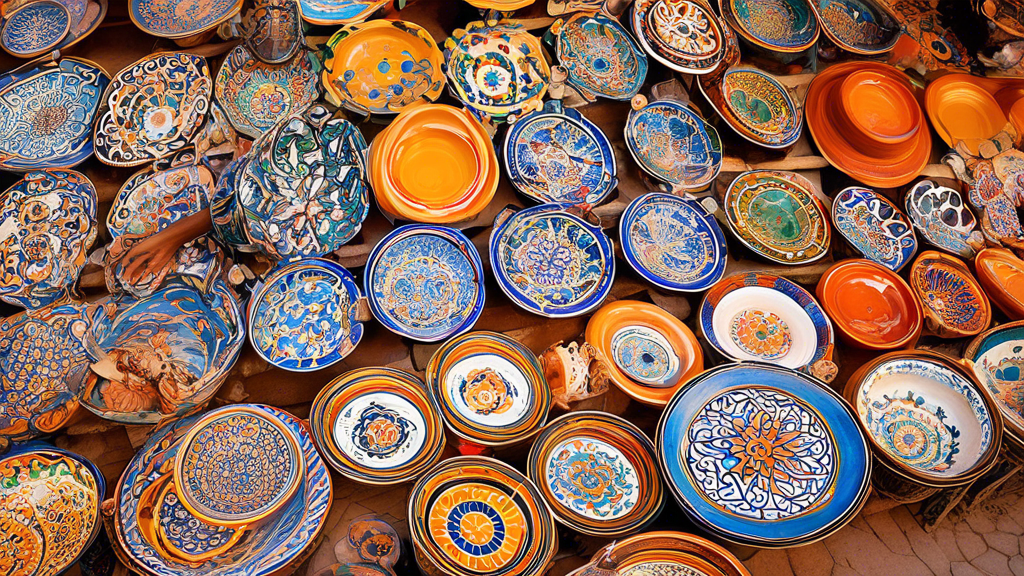
Tunisia is renowned for its exquisite pottery and ceramics, which reflect the rich heritage and artistry of this North African country. When you pick up a piece of Tunisian pottery, you’re not just acquiring a functional item; you’re also bringing home a piece of the country’s history. The vibrant colors and intricate designs found on these ceramics are deeply connected to the country’s Mediterranean and Berber heritage.
One of the most famous places to find authentic Tunisian pottery is the town of Nabeul, often considered the ceramics capital of Tunisia. Here, you’ll discover a wide array of items, from beautifully decorated vases and plates to intricate tiles and mosaics.
Each item is often hand-painted, featuring traditional patterns such as geometric shapes, florals, and scenes depicting local life. These ceramics are perfect for adding a splash of color to your home or as distinctive gifts for loved ones.
Carpets and Textiles: Handwoven Rugs and Traditional Garments
Another category of Tunisian souvenirs that shouldn’t be overlooked is the variety of handwoven carpets and textiles. Tunisia boasts a rich tradition of weaving, producing an array of high-quality rugs and garments. Handwoven carpets, or kilims, are particularly cherished, known for their durability and intricate designs. These carpets often feature symbolic patterns that tell stories or represent aspects of Tunisian culture and history.
When shopping for textiles, you might also come across takchita, a type of traditional dress worn by Tunisian women. Made from high-quality fabrics and adorned with beautiful embroidery, these garments are not only fashionable but also rich in cultural significance.
Buying a handwoven rug or a traditional garment not only supports the preservation of this ancient craft but also connects you to the artisans who painstakingly create these beautiful items.
Olive Wood Products: Beautifully Crafted Utensils and Décor
Tunisia is one of the leading producers of olive oil, and with vast olive groves spread across the country, it’s no surprise that olive wood products are among the top souvenirs to consider. Items made from olive wood are not only functional but also exquisite in their natural beauty. The rich grain and smooth texture of the wood make each piece unique, adding a touch of elegance to any home.
You can find a wide range of olive wood products, from kitchen utensils like spoons and cutting boards to decorative items like bowls and jewelry boxes. These products are often handmade, ensuring that each piece maintains the high quality and craftsmanship associated with Tunisian olive wood.
Picking up these items not only gives you a functional souvenir but one that carries the essence of Tunisia’s natural beauty.
Perfumes and Essential Oils: Local Fragrances and Traditional Scents
Tunisia’s diverse flora has given rise to a thriving industry of perfumes and essential oils. The fragrant world of Tunisian perfumes is a sensory delight, offering a wide range of scents that capture the essence of the country’s natural landscapes. From the rich fragrance of jasmine, Tunisia’s national flower, to the heady aroma of orange blossom, Tunisian perfumes are the perfect way to take a piece of this enchanting country with you.
Local perfumeries often use traditional methods to extract essential oils, ensuring that the fragrances are as pure and potent as possible. These perfumes and oils can be found in beautiful, hand-crafted bottles, making them not only a fragrant treat but also a visually appealing souvenir.
Whether you prefer the light, floral notes of jasmine or the deeper, more complex scents of amber and musk, Tunisian perfumes offer something for every preference.
Berber Jewelry: Handcrafted Pieces with Cultural Significance
Berber jewelry is another category of Tunisian souvenirs that captures the rich cultural heritage of the country. Traditionally handcrafted by skilled artisans, this jewelry often features intricate designs and symbolism steeped in Berber culture. Materials commonly used include silver, coral, amber, and precious stones, making each piece a unique work of art.
Berber jewelry isn’t just beautiful; it’s also deeply meaningful. Many pieces incorporate symbolic patterns and motifs that represent various elements of Berber life, such as fertility, protection, and prosperity.
By purchasing a piece of Berber jewelry, you’re not only acquiring a stunning accessory but also a piece of Tunisian history and culture. These pieces make for thoughtful gifts or cherished keepsakes that connect you to Tunisia’s vibrant heritage.
Where to Buy Authentic Tunisian Souvenirs
Popular Markets and Souks: A Guide to Bustling Marketplaces
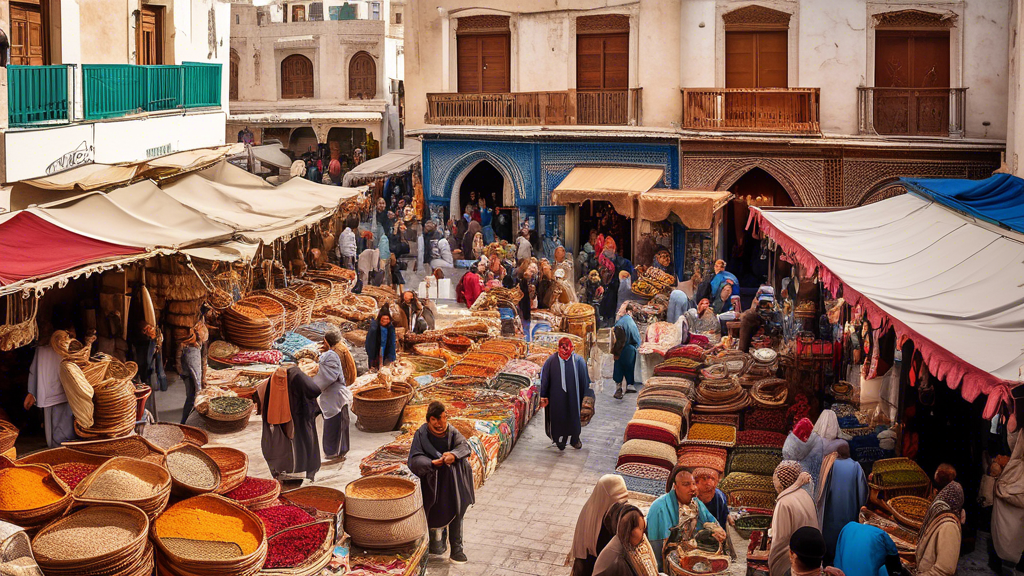
Visiting the vibrant markets and souks of Tunisia is an unforgettable experience where you can find a wide range of authentic souvenirs. One of the most famous markets is the Souk El Attarine in the medina of Tunis. Known for its rich array of spices, perfumes, and traditional crafts, this old bazaar is a treasure trove for anyone looking to bring home a piece of Tunisian heritage.
Another must-visit location is the market in Nabeul, especially famous for its pottery. Here, you can watch artisans at work, crafting the intricate designs that make Tunisian ceramics so distinctive.
Djerba’s markets, particularly Houmt Souk, offer a variety of goods from textiles to olive wood products, making it a great place to experience the island’s cultural diversity. In Sousse, the Medina’s souk is known for its extensive collection of carpets and textiles, presenting an opportunity to purchase handwoven rugs directly from local artisans.
Artisan Shops and Local Craftsmen: Supporting Local Creators
For those who prefer a more intimate shopping experience, visiting artisan shops and local craftsmen can be rewarding. Artisans often run small establishments where you can purchase items like handcrafted Berber jewelry, which is deeply embedded in Tunisia’s cultural narratives. These shops aren’t just stores; they are a window into the creative process. Many artisans are willing to share their techniques and stories, making the purchase more meaningful.
In cities like Kairouan, renowned for its high-quality carpets, you can find workshops that have been passed down through generations. In addition to carpets, Kairouan is also famous for its traditional leather goods. Similarly, the town of Sidi Bou Saïd is celebrated for its beautiful, blue-and-white-themed crafts, including painted ceramics and hand-decorated tiles. By buying from these artisans, you not only get authentic souvenirs but also contribute to the preservation of local crafts.
Online Options: Trusted Websites and Online Stores
For those who cannot travel or wish to browse before purchasing, several trusted websites offer authentic Tunisian souvenirs. Online marketplaces such as Etsy feature shops run by Tunisian artisans who sell a variety of items from traditional pottery to handmade jewelry. It’s a convenient way to explore Tunisian crafts while ensuring that your purchase is authentic.
Other dedicated websites specialize in Tunisian products, focusing on specific categories like olive wood kitchenware or traditional textiles. Tunisian Olive Wood is an example of a site where you can buy beautifully crafted utensils and decor items directly from the source. Another reliable option is El Souk, an online marketplace that offers a range of Tunisian-made products with the assurance of fair trade practices.
Tips for Ensuring Authenticity and Fair Trade Practices
When buying souvenirs, whether in person or online, ensuring authenticity and adhering to fair trade practices is crucial. Here are some tips to help you make informed decisions:
1. Research Vendors: Before making a purchase, especially online, take the time to research the vendor. Look for reviews and ratings to gauge the credibility and authenticity of the products they sell.
2. Ask for Certificates: In many cases, authentic crafts, especially high-value items like handmade carpets or intricate jewelry, may come with certificates of authenticity. Don’t hesitate to ask the seller for one.
3. Learn About Fair Trade: Supporting fair trade practices ensures that the artisans receive a fair wage for their work. Many shops and online stores are members of fair trade organizations, which is an excellent indicator of ethical practices.
4. Check Craftsmanship: Authentic Tunisian souvenirs are often distinguished by their superior craftsmanship. Inspect items carefully for details like the quality of the weave in textiles, the finish of ceramic glazes, or the detailing in jewelry.
5. Negotiate Respectfully: In markets and souks, bargaining is a common practice. However, be respectful in your negotiations. Remember that the price also reflects the artisan’s skill and time.
By following these tips and knowing where to shop, you can ensure that the souvenirs you take home are not only beautiful and meaningful but also genuinely Tunisian and ethically sourced.
In conclusion, Tunisia offers a vibrant and diverse array of souvenirs that capture the essence of its rich cultural heritage and artisanal craftsmanship. As a travel destination, Tunisia provides visitors with a unique opportunity to immerse themselves in its traditions, history, and artistry through its distinctive souvenirs.


 Souvenir Ideas to Take Home from Every Country and City
Leave a comment