
Romania, a hidden gem nestled in Eastern Europe, is a mesmerizing travel destination brimming with rich history, stunning landscapes, and vibrant culture. As travelers navigate the transcendent beauty of Transylvania’s castles, the untouched wilderness of the Carpathian Mountains, and the bustling charm of Bucharest, capturing the essence of their journey becomes paramount.
And what better way to savor these memories than through the art of souvenir collecting? Souvenirs are not merely trinkets; they are tangible snippets of your travel experience, each piece carrying a piece of Romania’s heart and soul. Romanian souvenirs hold a unique appeal, deeply rooted in centuries-old traditions, craftsmanship, and artistic expression.
From the intricate handicrafts of Maramureş to the exquisite pottery, and from the delicate embroidery of traditional wear to the evolving world of contemporary art, each item tells a story as captivating as the places they originate from.
Souvenirs from Romania not only serve as beautiful keepsakes but also as timeless reminders of adventures spent exploring a country where history meets the present in the most enchanting ways.
Introduction to Romanian Souvenirs
Romania, a captivating travel destination located in Eastern Europe, is renowned for its stunning landscapes, rich history, and unique culture. From the mystical realms of Transylvania to the vibrant capital city of Bucharest, Romania offers something for every type of traveler.
Exploring the country means immersing oneself in its diverse heritage, picturesque medieval towns, and breathtaking natural beauty, making it an unforgettable journey.
One of the best ways to remember your enchanting Romanian adventure is by bringing home a piece of it in the form of a souvenir. Souvenirs are more than just trinkets; they are keepsakes that capture the essence of your travels, stirring memories with just a glance.
They allow you to take home a tangible piece of Romania’s rich cultural tapestry, enabling you to remember the sights, sounds, and stories for years to come.
Romanian souvenirs stand out not only for their beauty and craftsmanship but also for their deep cultural significance. These tokens serve as windows into the country’s traditions and history, each one narrating a unique tale.
Whether it’s handicrafts from the Maramureş region or intricate pottery reflecting centuries-old techniques, Romanian souvenirs epitomize the country’s commitment to preserving its heritage.
One of the key appeals of Romanian souvenirs is their authenticity and diversity. Traditional handicrafts, such as handwoven textiles and wooden carvings, showcase the meticulous artistry of local craftsmen. These items are often handcrafted in small villages, ensuring that each piece is unique.
Textiles, adorned with vibrant, intricate patterns, tell the stories of Romania’s past and present. Another essential aspect of Romanian souvenirs is their affordability, allowing travelers of all budgets to find meaningful mementos.
Moreover, Romania is not just about tradition; it is also a country that skilfully blends the old with the new. Modern souvenirs, including contemporary art and boutique jewelry, reflect the innovative spirit of Romania’s emerging designers.
These items often incorporate traditional motifs, giving them a distinctive flair that resonates with both the old and the modern.
When selecting a Romanian souvenir, one is not simply purchasing an item; one is investing in a piece of Romania’s soul, a testament to the country’s rich and diverse culture. These souvenirs serve as beautiful reminders of your journey, capturing the essence of Romania’s timeless charm and modern allure.
Traditional Romanian Souvenirs
Maramureş Handicrafts: Wooden Crafts, Traditional Textiles
Romania’s rich cultural heritage is beautifully woven into the heart of its traditional souvenirs, especially the Maramureş handicrafts. Maramureş, a region in northern Romania, is renowned for its exceptional craftsmanship in wood and textiles.
Visitors are often captivated by the intricate carvings and detailed woodwork that are emblematic of this area. From wooden crosses and spoons to elaborate gates and household items, these pieces not only serve as decorative objects but also as a testament to the region’s deep-rooted traditions and artisanal skills.
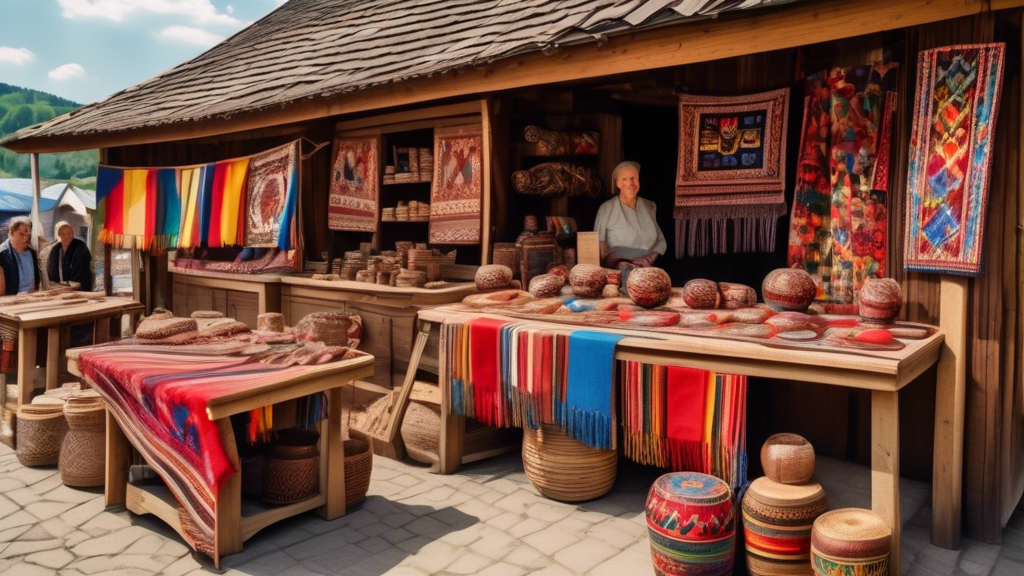
Furthermore, traditional textiles from Maramureş are equally enchanting. Handwoven rugs, embroidered tablecloths, and colorful tapestries showcase the vibrant patterns and motifs distinct to Romanian folk art.
These textiles often use natural dyes and locally sourced materials, making each piece unique. Whether you choose a beautifully carved wooden item or a handwoven textile, Maramureş handicrafts serve as precious keepsakes that encapsulate the spirit of Romania.
Romanian Pottery: Styles, Regions, and History
Romanian pottery is another noteworthy category of traditional souvenirs that holds a special place in the country’s cultural landscape. Distinct regions in Romania have their own unique styles and techniques, resulting in a diverse array of pottery that appeals to various tastes.
One of the most famous pottery styles is Horezu, named after the town in which it originates. Horezu pottery is characterized by its earthy colors and intricate designs, often featuring motifs inspired by nature.
In Transylvania, the pottery is mostly known for its green glaze and floral designs, embodying both aesthetic beauty and practical use. Similarly, the pottery from the region of Corund stands out with its rich blue and white patterns, adding a touch of elegance to any collection.
The history of Romanian pottery dates back centuries, reflecting a mix of influences from the various cultures that have passed through the region. Each piece is created using traditional techniques passed down through generations, often shaped and painted by hand.
The craftsmanship and historical significance behind Romanian pottery make it a captivating and meaningful souvenir for travelers.
Folk Art and Traditional Wear: Embroidered Blouses, Handwoven Fabrics
Folk art and traditional wear are integral parts of Romanian culture, and they make for some of the most cherished souvenirs. The Romanian embroidered blouse, known as ie, is an iconic garment that has become a symbol of national identity.
These blouses are typically made from lightweight fabric and adorned with elaborate hand-stitched embroidery featuring motifs derived from nature, mythology, and geometric patterns. The quality of craftsmanship and the vibrant colors used in the embroidery make each blouse a work of art.
Handwoven fabrics are another significant element of Romanian traditional attire. These fabrics are often used to create various clothing items and accessories, such as aprons, skirts, and scarves. The meticulous weaving techniques and the use of natural fibers ensure that each piece is both beautiful and long-lasting.
In addition to clothing, Romanian folk art includes a wide range of decorative items such as painted eggs, woven baskets, and clay figurines. These items often draw from the same cultural motifs and traditions as the textiles, providing a cohesive and authentic representation of Romanian folk heritage.
Traditional Romanian souvenirs, whether they be embroidered blouses or handwoven fabrics, offer a tangible connection to the country’s rich cultural history and artistry.

Unique Modern Souvenirs
Local Gourmet Products: Wines, Jams, and Cheeses
Romania’s culinary heritage is as rich and diverse as its landscapes, making local gourmet products a delightful category for souvenirs. Romanian wines, known for their high quality and distinctive flavors, stand out as an exceptional souvenir choice.
Regions like Argeș and Dealu Mare are particularly recognized for their vinification traditions, producing celebrated varietals such as Fetească Neagră, a robust red wine, and Tămâioasă Românească, an aromatic white wine.
For anyone seeking a tangible memory of Romania’s viticultural excellence, a bottle of locally sourced wine promises to be a sophisticated memento.
Artisan jams crafted from locally grown fruits offer another delicious way to savor the essence of Romania. These jams often feature unique local ingredients like quince, sour cherries, and rose petals, capturing the natural sweetness and traditional preservation techniques of Romanian households. Each jar is a taste of the country’s horticultural bounty, perfect for bringing a slice of Romania’s farmland to your breakfast table.
When it comes to cheese, Romania’s offerings are equally impressive. From the salty, brined Telemea to the smoked delight of Cașcaval, Romanian cheeses reflect a melting pot of culinary influences and regional traditions.
Cheeses from the shepherd-rich region of Sibiu are particularly esteemed, valued for their artisanal craftsmanship and age-old recipes. These cheeses make excellent gifts for food connoisseurs or anyone eager to experience authentic Romanian flavors.
Contemporary Art and Jewelry: Emerging Romanian Designers
Romania’s contemporary art scene is burgeoning, with talented designers and artists creating pieces that merge traditional influences with modern aesthetics. Jewelry, in particular, makes for an elegant and personal souvenir.
Romanian designers have carved a niche for themselves with innovative pieces that often incorporate local materials such as Transylvanian gold, semi-precious stones, and even traditional elements like ceramic beads and wooden details. These unique items can serve as stylish accessories while also being a tangible piece of Romania’s evolving artistic narrative.
Contemporary art from Romania extends beyond jewelry into a rich tapestry of visual art, sculpture, and mixed media. Galleries in cities like Bucharest, Cluj-Napoca, and Timisoara exhibit works that reflect both global trends and local heritage.
Purchasing contemporary Romanian art supports emerging artists and provides a unique and culturally rich souvenir to adorn your walls. These pieces not only represent a modern perspective but also echo the country’s deep-seated traditions in craftsmanship and design.
Authentic Experience Gifts: Cultural Workshops, Tours, and Festivals
A different, but increasingly popular, form of souvenir is the gift of an experience. Romania boasts a plethora of cultural workshops, tours, and festivals that offer immersive insights into its rich traditions and natural wonders. These experiences can be memorable gifts that go beyond the tangible, providing deep connections to Romania’s cultural fabric.
One can delve into traditional Romanian crafts through workshops that teach skills such as pottery making, weaving, and icon painting. These hands-on sessions are often led by local artisans who share their expertise and personal stories, fostering a deeper appreciation for the craft.
Bringing home your handmade creation from such a workshop is like carrying a piece of Romania’s artisanal heart.
Tours focused on Romania’s varied landscapes, historical sites, and legendary tales, including Dracula-themed journeys and explorations of mystical Transylvania, offer another way to capture the essence of the country. Heritage and nature tours that take you to the Carpathian Mountains, the Danube Delta, and medieval Saxon villages provide unique and memorable experiences that can be cherished long after your visit.
On the festival front, Romania hosts an array of traditional and contemporary festivals that can be enjoyed throughout the year. Events like the Sighișoara Medieval Festival, ASTRA Film Festival, and Electric Castle Festival offer vibrant scenes of music, dance, crafts, and gastronomy.
Gifting a voucher or booking for these events provides an unforgettable experience, blending the old with the new and celebrating Romania’s dynamic cultural scene.
In conclusion, Romanian souvenirs are much more than just keepsakes; they are a gateway to understanding and appreciating the country’s rich blend of tradition and modernity. Collecting these souvenirs allows travelers to hold on to the experiences and memories formed in this enchanting European destination, long after the journey has ended.


 Souvenir Ideas to Take Home from Every Country and City
Leave a comment