
Nestled on the southeastern coast of the Arabian Peninsula, Oman is a treasure trove of rich culture and unique traditions, making it a dream destination for travelers seeking memorable keepsakes.
Capturing a piece of this enchanting country through authentic souvenirs can be a delightful experience, allowing you to bring a piece of Oman’s charm back home.
From exquisite traditional handicrafts and tantalizing culinary delights to stunning authentic jewelry and accessories, Oman’s diverse offerings cater to every taste and preference. When it comes to hunting for these treasures, there is no shortage of vibrant souks and bustling bazaars where local vendors proudly display their intricate wares.
Specialty shops and quaint boutiques scattered across the country offer another avenue for finding unique items, while cultural heritage sites often house exclusive souvenirs steeped in history.
To ensure you make the best choices, it’s essential to know how to spot genuine items amidst a sea of options. Understanding the local bargaining etiquette can enhance your shopping experience, leading to fair deals and cherished keepsakes. Additionally, packing and transporting these precious finds safely requires some foresight and preparation.
Embarking on a journey through Oman’s souvenir markets promises not just the acquisition of items, but an immersive experience into the heart of Omani culture and craftsmanship.
Whether you’re an avid collector or a casual shopper, this guide will help you navigate the bustling markets and hidden gems of Oman, ensuring you return home with the best souvenirs that encapsulate the essence of this captivating land.
Best Souvenirs to Bring Home from Oman
Traditional Omani Handicrafts
One of the most sought-after souvenirs from Oman is its traditional handicrafts. These items carry centuries of history and cultural significance, making them not just beautiful artifacts but also meaningful mementos.
Among the most popular Omani handicrafts are the intricate silverware, which often include stunning khanjars (traditional Omani daggers), jewelry, and household items. Each piece is meticulously crafted, showcasing the exquisite skill of Omani artisans. Khanjars, in particular, are not just weapons but symbols of manhood and heritage in Oman, making them a truly special keepsake.
The colorful pottery from Bahla, a town recognized for its UNESCO-listed ancient fort and pottery traditions, is another excellent choice. These hand-painted pieces range from functional items like water jugs and bowls to decorative objects such as vases and figurines, each illustrating traditional Omani patterns and themes.
Textiles are another highlight. Be it hand-woven rugs, delicate shawls, or traditional Omani attire like the dishdasha (a long robe worn by men) and abaya (a cloak worn by women), these items are crafted with considerable attention to detail. Look for the iconic Omani saddles and leather goods that blend traditional methods with modern usability.
Unique Culinary Delights
Oman’s cuisine is a tantalizing blend of flavors and ingredients that reflect its rich history and cultural diversity. Bringing back some unique culinary delights can be a fantastic way to share a taste of Oman with friends and family.
Omani dates are a staple you shouldn’t miss. Known for their exceptional quality and sweetness, Omani dates come in various types, each with its own distinct flavor and texture. Packaged beautifully, they make a perfect and healthy souvenir.
For something with a bit more zing, consider spices like frankincense, saffron, and a special spice blend known as ‘baharat,’ used in many Omani dishes. Frankincense, in particular, is deeply intertwined with Omani culture and history. You can even find frankincense-infused oils and perfumes, adding a diverse range to your collection.
Halwa, a traditional Omani sweet made from ingredients like rosewater, saffron, nuts, and cardamom, is another delightful souvenir. Its unique, rich flavor and chewy texture provide a genuine taste of Omani culinary artistry. Commonly enjoyed during special occasions, halwa is often sold in beautifully crafted containers, enhancing its value as a gift.
Authentic Jewelry and Accessories
Omani jewelry and accessories are renowned for their elaborate designs and fine craftsmanship, making them excellent souvenirs that encapsulate the artistic prowess of the region.
Silver jewelry is exceedingly popular and for good reasons. From bracelets and anklets to necklaces and earrings, Omani silver jewelry often features intricate patterns inspired by local folklore and natural elements. Many of these pieces also incorporate semi-precious stones, adding a splash of color and uniqueness.
For those interested in traditional wear, Omani turbans (called ‘masar’) and kumma caps are fantastic options. The masar, made of wool and often adorned with beautiful embroidery, is worn by Omani men on special occasions. The kumma, an intricately embroidered cap, is another essential part of traditional Omani male attire.
Frankincense burners, made from materials like clay or brass, are another popular accessory. Often elaborately designed, these burners are linked to Oman’s historic frankincense trade routes and serve both a decorative and functional purpose. A beautifully crafted frankincense burner not only looks elegant but also allows you to bring the soothing aroma of Oman into your home.
If you prefer something more contemporary, don’t overlook modern accessories inspired by traditional Omani designs – items like scarves, bags, or even fashion-forward interpretations of traditional jewelry. These modern pieces blend timeless Omani artistry with current trends, making them versatile additions to any wardrobe.

Where to Find Authentic Omani Souvenirs
Popular Souks and Bazaars
When looking for authentic Omani souvenirs, the bustling souks and bazaars are ideal places to start. One of the most famous is the Mutrah Souq in Muscat. Here, you can find an abundance of traditional handicrafts, including handwoven textiles, intricate silverware, and aromatic spices.
The souq is a labyrinth of narrow alleys, each brimming with stalls selling an array of items that embody Omani culture.
Another noteworthy location is the Nizwa Souq, situated near the historic Nizwa Fort. This grand market is known for its Friday livestock auction, but it also features numerous stalls offering pottery, traditional khanjars (Omani daggers), and dates – a staple of Omani culinary tradition.
The vibrancy and authenticity of the wares in Nizwa Souq make it an essential visit for any traveler seeking genuine Omani souvenirs.
If you find yourself in Salalah, the Al Husn Souq is a must-visit. Known for its rich variety of frankincense and traditional attars (perfumes), this souq offers a sensory experience unique to the Dhofar region. The products here have deep cultural significance, often used in local rituals and ceremonies.
Specialty Shops and Boutiques
For those looking to explore beyond the souks, Oman is home to a number of specialty shops and boutiques that offer high-quality, authentic souvenirs. In Muscat, Bait Al Zubair Museum Shop not only provides an educational glimpse into Omani history but also sells an array of traditional crafts, including woven baskets, silver jewelry, and pottery.
The meticulous curation ensures the items you purchase are genuine and of cultural significance.
The boutique Alia Leather Craft is perfect for those interested in bespoke leather goods. Located in Shatti Al Qurum, Muscat, this shop specializes in handcrafted leather items such as bags, wallets, and belts. Each product is made with precision and care, reflecting the artisan’s expertise and dedication to quality.
For coffee enthusiasts, Barka Coffee offers more than just a taste of Oman. This specialty store sources its beans locally, ensuring that every sip you take is steeped in the rich flavors and traditions of Omani coffee culture. Alongside coffee, they also sell traditional coffee pots and cups, perfect as a unique and culturally resonant souvenir.
Cultural Heritage Sites
Cultural heritage sites across Oman are not only windows to the past but also excellent places to find authentic souvenirs. A visit to Bahla Fort, a UNESCO World Heritage Site, allows you to explore ancient fortifications while offering opportunities to purchase local pottery produced in nearby workshops. The earthenware crafted here, with its distinctive designs and patterns, is a testament to Omani artisanship.
At the Frankincense Land Museum in Salalah, visitors can delve deep into the history of the frankincense trade, a cornerstone of Omani heritage. The museum’s gift shop is well-stocked with high-quality frankincense and related products, including perfumes and incense burners. Every item tells the story of this ancient trade that has shaped much of the region’s culture and economy.
Finally, the Al Ayn Beehive Tombs near Al Hamra, another UNESCO World Heritage Site, offer a unique glimpse into Oman’s prehistoric past. While the site itself is a marvel, nearby villages often have small markets where you can purchase replicas of the tombs and other archaeological keepsakes, providing a tangible connection to Oman’s rich history.
Exploring these diverse locations will not only allow you to collect unique souvenirs but also provide deep insights into Oman’s rich cultural tapestry. Whether it’s through the bustling markets, curated boutiques, or historical sites, finding authentic souvenirs in Oman is an enriching experience.
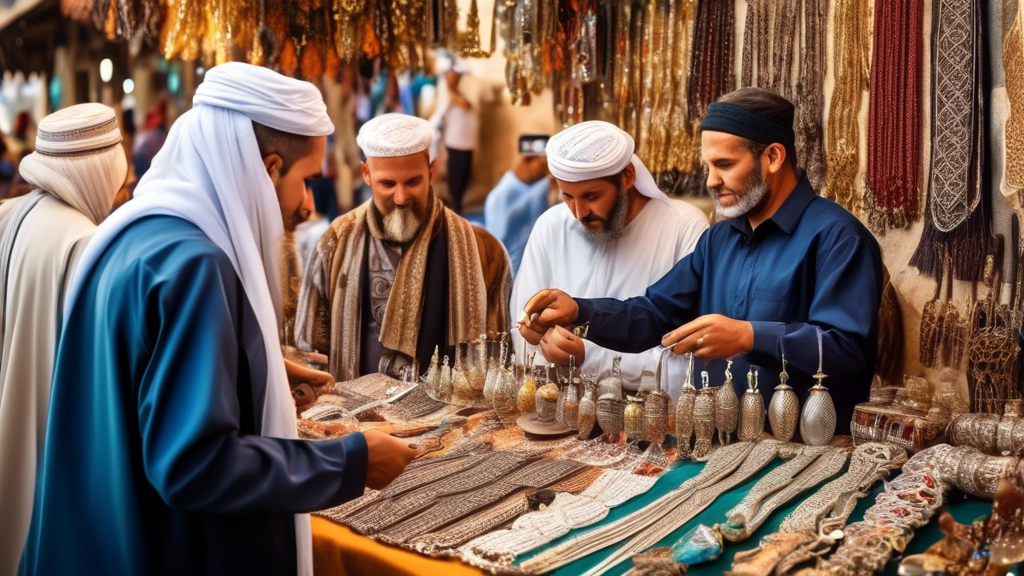
Tips for Choosing and Purchasing Souvenirs in Oman
How to Spot Genuine Items
When hunting for souvenirs in Oman, it’s crucial to distinguish between authentic artifacts and mass-produced replicas. Authentic Omani souvenirs are often handmade and showcase intricate craftsmanship, reflecting the rich cultural heritage of the region.
To ensure you’re purchasing genuine items, first observe the material and craftsmanship. Real silver items should have a hallmarked stamp, indicating their purity. Be wary of anything that appears overly polished or lacks the intricate detailing typical of Omani crafts.
Additionally, the best way to verify the authenticity of an item is to purchase it from reputable vendors, such as established souks and well-known specialty shops. Vendors in these locations are more likely to offer genuine, high-quality products and even provide information about the origin and significance of the items.
Don’t hesitate to ask questions; a reputable vendor would happily share the story behind the souvenir. Another tip is to look at the price. Genuine items made from precious metals, high-quality fabrics, and rare materials often come at a higher cost.
If the price seems too good to be true, there’s a high chance it’s not the real deal. Lastly, consult guidebooks or local experts who could offer insights on identifying authentic souvenirs specific to Oman.
Bargaining Etiquette in Omani Markets
Bargaining is an integral part of the shopping experience in Omani markets, and doing it correctly can not only help you get a good deal but also enhance your cultural experience. Here are some tips for mastering the art of bargaining in Oman:
- Start with a Smile: Approach bargaining with a friendly attitude. A warm smile can go a long way in establishing a good rapport with the vendor.
- Do Your Research: Before you start bargaining, have a general idea of what the item is worth. This preparedness can give you a reasonable starting point for negotiations.
- Make the First Offer: After the vendor quotes their price, you can make your initial offer, usually around 50-60% of the asking price. This gives you enough room to raise your price as you haggle.
- Be Polite but Firm: Maintain respect throughout the process. If the vendor refuses your offer and you don’t want to go higher, politely thank them and walk away. Often, this might compel the vendor to reconsider your offer or propose a fairer price.
- Understand the Limits: Some items may have fixed prices, especially in high-end shops or for unique handcrafted products. It’s crucial to recognize when bargaining is acceptable and when it’s not.
Remember, bargaining is a common practice in Omani souks, but it’s always done respectfully. The goal is to reach a mutually satisfactory agreement, and both parties should feel they’ve gained something from the transaction.
Packing and Transportation Tips for Souvenirs
Once you’ve successfully chosen and purchased your Omani souvenirs, the next step is ensuring they make it home safely. Here are some packing and transportation tips to consider:
- Padding and Protection: Delicate items such as pottery, glass, or intricate silver jewelry should be wrapped in bubble wrap or tissue paper. For added protection, place them in a sturdy box before packing them in your suitcase.
- Separate Fragile Items: When packing your suitcase, keep fragile items separate from heavier objects to prevent them from getting crushed. Use the middle section of your luggage, cushioned by clothing layers, to create a buffer zone.
- Carry-On for Valuables: Precious and fragile souvenirs, such as fine jewelry or rare artifacts, are best carried in your hand luggage. This minimizes movement and reduces the risk of damage.
- Declare and Insure: If you’ve bought expensive items, it might be a good idea to declare them at customs and purchase travel insurance. This provides an extra layer of security and peace of mind.
- Avoid Prohibited Items: Make sure that the souvenirs you purchase comply with international travel regulations. Items made from endangered species or certain types of antiques may be restricted or banned altogether.
- Consider Shipping: For larger or more cumbersome items, shipping might be a practical option. Many reputable shops in Oman offer shipping services, which can save you the hassle and ensure your purchases arrive home safely.
By following these tips, you can enjoy your Omani souvenir shopping experience without the stress of worrying about how to get your treasures home. Each item you bring back will carry its own unique story, a timeless reminder of your incredible journey through Oman.


 Souvenir Ideas to Take Home from Every Country and City
Leave a comment