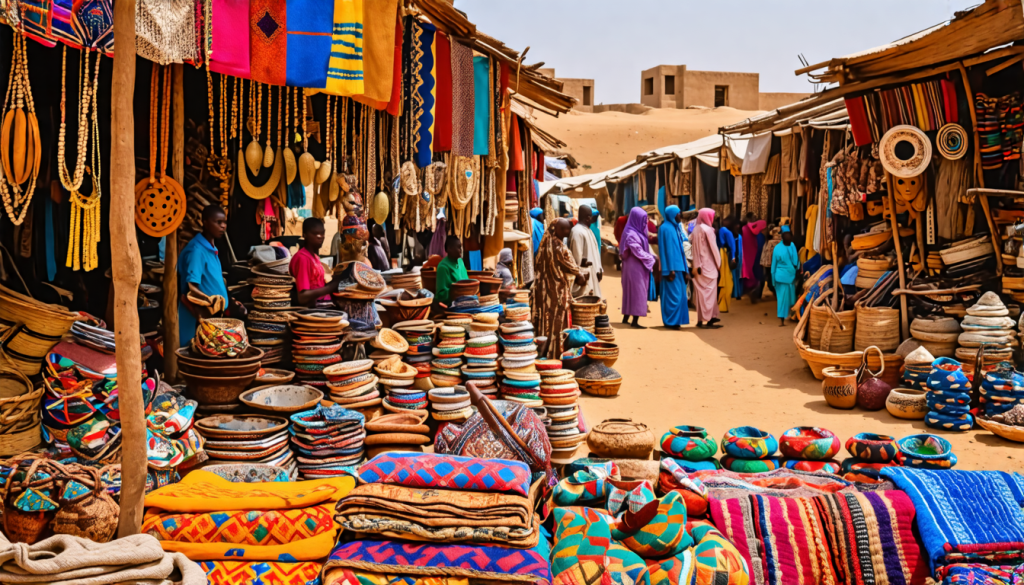
Niger, a land rich in cultural heritage and history, offers an array of unique souvenirs that capture the essence of its traditions and craftsmanship. As travelers explore this diverse and vibrant country, they’ll find that souvenirs are more than just mementos; they serve as tangible pieces of Niger’s storied past and contemporary culture.
Nigerien souvenirs stand out for their authenticity and the meticulous skill with which they are made, showcasing a blend of ancient techniques and modern artistry. Souvenirs play a crucial role in preserving and promoting Niger’s cultural legacy, providing a livelihood for artisans and keeping traditional practices alive for future generations.
What sets Nigerien souvenirs apart is their uniqueness; each piece reflects the distinct heritage and artistic expressions of the various ethnic groups that call Niger home. From intricate jewelry inspired by the Tuareg and Hausa cultures to colorful textiles and artisanal crafts, these items offer a window into the soul of Niger.
When in Niger, shopping for souvenirs is not just a means to collect keepsakes but an immersive experience that connects visitors with the local culture. With bustling markets and artisan shops in cities like Niamey, Agadez, and Zinder, travelers can dive into a world of creativity and craftsmanship.
Here, visitors can also practice ethical shopping by ensuring the authenticity of their purchases and supporting local artisans, thereby contributing to the sustainable development of Niger’s cultural economy.
Introduction to Souvenirs from Niger
Brief Overview of Niger’s Cultural Heritage
Niger, a landlocked country in West Africa, is rich with a tapestry of cultural heritage that reflects its diverse ethnic groups and historical influences. The country is home to a variety of ethnic groups, including the Hausa, Zarma-Songhai, Tuareg, and Kanuri, each bringing their own traditions, crafts, and artistic expressions.
The meld of these cultures has created a vibrant cultural landscape that is evident in Niger’s music, dance, art, and, importantly, its souvenirs. The traditional crafts and goods produced in Niger are not merely items for trade; they are embodiments of the country’s history and identity, capturing the essence of its people and their way of life.
Importance of Souvenirs in Preserving Niger’s Traditions
Souvenirs from Niger are more than just keepsakes; they play a crucial role in preserving and propagating the traditions and craftsmanship of its various cultural groups. These items serve as tangible connections to the past, keeping age-old techniques and artisanal practices alive in a world that is rapidly modernizing.
When travelers purchase and cherish these souvenirs, they help sustain the livelihoods of local artisans who have inherited and honed their skills over generations. Additionally, bringing these unique items back to their home countries helps spread awareness and appreciation for Nigerien culture worldwide.
What Makes Nigerien Souvenirs Unique
The uniqueness of Nigerien souvenirs is inherently linked to the rich, diverse cultural fabric of the nation. Many souvenirs are handcrafted using techniques passed down through centuries, ensuring that each piece carries a story and a slice of history.
For instance, the Tuareg artisans are renowned for their exquisite silver jewelry, which features intricate, symbolic designs derived from their ancient traditions and nomadic lifestyle. Similarly, Hausa textiles, known for their vibrant colors and patterns, offer a glimpse into the elaborate cultural ceremonies and daily life of the Hausa people.
These elements make Nigerien souvenirs stand out in a marketplace dominated by mass-produced items, offering travelers a chance to own a piece of authentic cultural heritage.
Top Authentic Souvenirs to Buy in Niger
Artisanal Crafts: Niger’s Unique Handicrafts and Their Cultural Significance
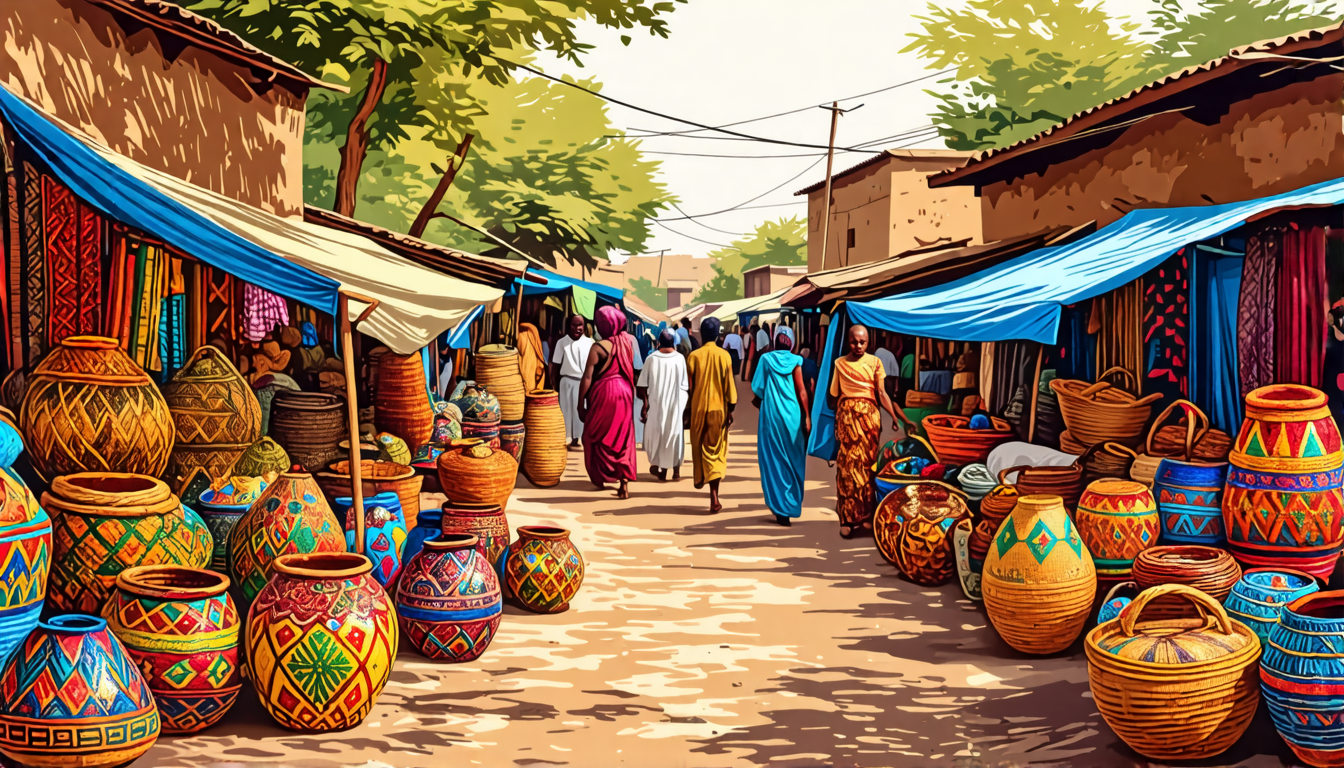
Niger is a treasure trove of artisanal crafts that offer a deep insight into the country’s rich cultural landscape. When visiting, you can’t miss the exquisite pottery, woven baskets, and hand-carved wooden statues that proudly reflect Nigerien artistry.
These crafts are not just everyday items but pieces of cultural heritage, each telling its own story. For instance, the pottery from the Tuareg region often features intricate designs that are distinctive to their community, embodying generations of traditional techniques.
Another must-buy is the woven baskets, meticulously crafted by hand using locally sourced materials like straw and palm leaves. These baskets are not only practical for everyday use but also serve as beautiful decorative pieces.
They symbolize the ingenuity and resourcefulness of Nigerien artisans. By purchasing these handmade crafts, you are not only bringing a piece of Niger back home but also supporting the livelihoods of local artisans who work diligently to keep their traditions alive.
Traditional Clothing and Textiles: A Glimpse into Nigerien Fashion
Nigerien fashion is vibrant and steeped in history, offering a range of traditional clothing and textiles that make for perfect souvenirs. The most iconic of these is the Tuareg robe, known as ‘bubu.’ These robes are often made of high-quality cotton or silk and are adorned with intricate embroidery that showcases the wearer’s social status and tribe.
The vibrant colors and meticulous craftsmanship of a traditional bubu make it a standout piece in anyone’s wardrobe.
Another popular textile souvenir is the Hausa ‘kente’ cloth. Known for its bold patterns and bright colors, kente cloth is traditionally worn during significant cultural ceremonies and events. Its complex weaving process and unique designs make each piece one-of-a-kind.
You can also find beautifully dyed fabrics using traditional methods like tie-dye and batik, which are ideal for making garments, scarves, or even home decor items.
By opting for these traditional attires, you are embracing Nigerien culture and showcasing the country’s rich textile heritage. Each piece is a testament to the skill and creativity of local weavers and dyers who pour their heart into preserving these age-old techniques.
Jewelry and Accessories: Intricate Designs Reflecting Nigerien Heritage
Jewelry and accessories from Niger are more than just adornments; they are pieces of art that capture the essence of the country’s diverse ethnic groups. Among the most sought-after Nigerien jewelry are the silver pieces crafted by the Tuareg people, known for their geometric designs and symbolic engravings. These pieces often feature intricate patterns that hold cultural significance, making them both beautiful and meaningful.
Another standout is the Hausa beaded jewelry, known for its vibrant colors and elaborate designs. These beads are often combined with locally sourced materials like leather and brass to create unique pieces that can range from simple necklaces to elaborate headpieces.
The process of creating these beaded accessories is labor-intensive and requires a high level of skill, making each piece a testament to the artisan’s expertise.
Leatherwork is also a prominent feature of Nigerien accessories. You can find beautifully crafted leather bags, shoes, and belts that showcase traditional techniques passed down through generations. These leather goods are not only durable but also stylish, making them practical souvenirs that you can use and cherish for years.
By choosing jewelry and accessories as souvenirs, you are not just buying items; you are acquiring pieces that have been carefully crafted to reflect the heritage and artistry of Nigerien culture. These pieces are perfect for anyone looking to bring home a tangible connection to the vibrant traditions of Niger.
Whether you are drawn to the intricate designs of Tuareg silver jewelry, the vibrant hues of Hausa beads, or the timeless elegance of traditional textiles, Niger offers a wealth of authentic souvenirs that beautifully capture its cultural essence. Each of these items tells a story, offering a unique glimpse into the traditions and skills of Nigerien artisans.

Where to Shop for Souvenirs in Niger
Popular Markets and Artisan Shops in Major Cities (Niamey, Agadez, Zinder)
Visiting Niger promises an enriching experience, not only through its breathtaking landscapes and cultural heritage but also the vibrant markets teeming with exquisite souvenirs. In this section, we highlight some of the best places to buy authentic souvenirs in Niger, focusing on major cities like Niamey, Agadez, and Zinder.
Niamey: As the capital and largest city of Niger, Niamey boasts an array of markets and shops where you can find a wide range of traditional products. The Grand Marché, one of the biggest markets in Niamey, is a must-visit.
Here, you’ll find stalls brimming with colorful textiles, traditional garments, handmade jewelry, and various artisanal crafts. For a more curated shopping experience, visit the Centre de l’Artisanat de Niamey, where local artisans showcase and sell their intricate handiwork.
Agadez: Known for its stunning architecture and rich Tuareg culture, Agadez is another hotspot for souvenir shopping. The Agadez Artisan Center is a treasure trove of traditional Tuareg jewelry, leather goods, and decorative items. Don’t miss out on the weekly markets—these provide an excellent opportunity to interact with local craftsmen and purchase unique handcrafted items directly from the source.
Zinder: Steeped in history, Zinder offers a unique shopping experience in its bustling markets. The Zinder Grand Marché is the place to go for vibrant textiles, leather goods, and traditional Nigerien attire. Additionally, the small artisan shops scattered around the old town showcase a variety of crafts, from carved wooden items to finely woven baskets.
Tips for Bargaining and Ensuring Authenticity
When shopping for souvenirs in Niger, bargaining is more than just a practice; it’s a cultural experience. Here are some tips to help you negotiate effectively and ensure the authenticity of your purchases.
Embrace the Art of Bargaining: In Niger, bargaining is expected in most markets and shops. Start by asking for the price, then make a counteroffer that is about half of the initial asking price. This shows that you are serious about purchasing but also aware of the bargaining practice.
Keep the exchange friendly and respectful—successful bargaining is as much about building rapport as it is about securing a good deal.
Evaluate Craftsmanship: Authentic Nigerien souvenirs often reflect meticulous craftsmanship. For example, when buying jewelry, look for traditional Tuareg silverwork, which typically features intricate engravings. In textiles, authentic pieces may feature handwoven fabric with characteristic Nigerien patterns. Don’t hesitate to ask the vendor about the origin and making process of the item.
Check for Quality Materials: Authentic Nigerien crafts usually incorporate high-quality local materials. When purchasing leather goods, ensure the leather feels supple and shows no signs of cracks or blemishes. For pottery and ceramics, check for even glazing and absence of cracks. Genuine products made from natural materials will often have slight variations, adding to their uniqueness.
Ask for Certification: Some artisans and shops provide certificates of authenticity, especially for high-value items like silver jewelry and intricate handicrafts. These certificates can assure you that you are buying genuine, locally-made products.
Supporting Local Artisans: Ethical Souvenir Shopping Practices
While shopping for souvenirs in Niger, it’s crucial to consider ethical shopping practices that support local artisans and contribute positively to the community. Here’s how you can shop ethically and ensure that your purchase benefits the local economy.
Buy Directly from Artisans: Whenever possible, buy souvenirs directly from local artisans rather than middlemen. This direct purchase often means that the artisans receive a fairer share of the profit. For example, visiting artisan centers and cooperatives is a great way to interact with craftsmen and purchase items directly from them.
Understand Fair Pricing: While bargaining is a part of the shopping experience, be mindful of offering fair prices. Artisans spend considerable time and effort in creating their crafts, and fair prices reflect their hard work and skill. Avoid pushing for excessively low prices, as this can undermine the artisans’ livelihood.
Support Artisan Cooperatives: Cooperatives often bring together local craftsmen and provide them with resources and support to market their products effectively. By purchasing from cooperatives, you help sustain these community-focused initiatives and ensure fair compensation for the artisans.
Promote Cultural Preservation: Choose souvenirs that reflect and preserve traditional techniques and designs. This not only supports the artisans but also helps in keeping Niger’s cultural heritage alive. When you buy items that are made using traditional methods, you promote the continuation of these cultural practices.
Beware of Imitations: Be cautious of mass-produced imitations that are sold at significantly lower prices. These products are often made using subpar materials and do not support local artisans. By sticking to authentic items, you ensure that your purchase is both meaningful and beneficial to the local craft community.
In conclusion, souvenirs from Niger offer a profound connection to the country’s rich and diverse cultural heritage. These items are not mere mementos; they are vibrant representations of the traditions, skills, and creativity that have been passed down through generations.
Nigerien souvenirs stand out for their authenticity, craftsmanship, and the deep stories they carry about the region’s past and present.


 Souvenir Ideas to Take Home from Every Country and City
Leave a comment