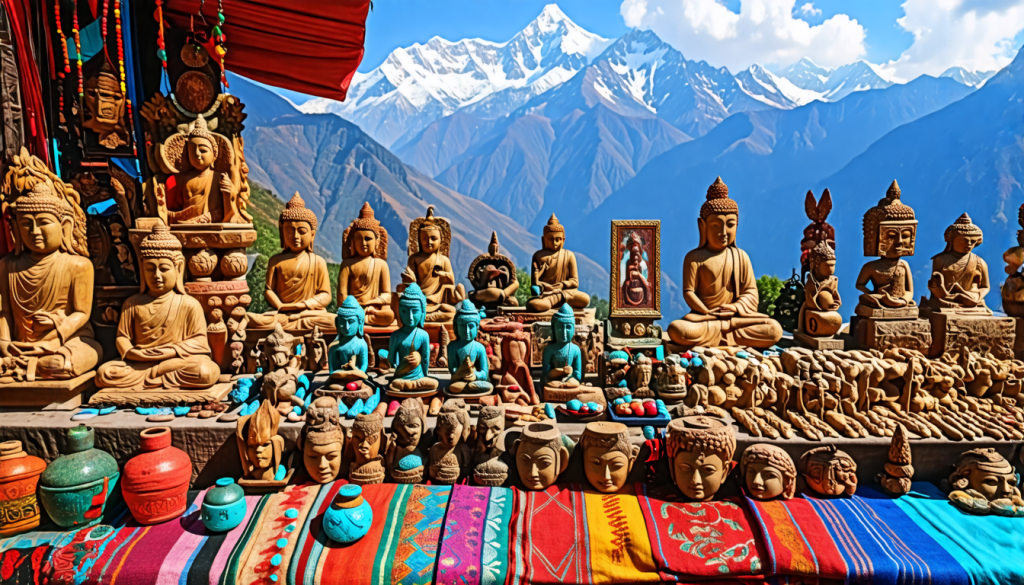
Nepal, nestled in the heart of the Himalayas, is a land rich in culture, traditions, and breathtaking landscapes. It is a country that captivates the hearts of travelers with its diverse heritage and spiritual ambiance.
When journeying through Nepal, bringing home a piece of this enchanting land becomes a cherished aspect of the experience, allowing one to hold onto the memories and stories gathered along the way.
Souvenirs from Nepal are not just mementos but are deeply intertwined with the country’s heritage, embodying the intricate craftsmanship and profound cultural significance of this mountainous paradise.
Dotted with vibrant markets and artisan shops, Nepal offers an array of unique and meaningful souvenirs. These items are often handmade with care and passed down through generations, each piece echoing the country’s rich history and spiritual depth.
From the sacred Thangka paintings, which depict Buddhist deities and mandalas, to the luxurious Pashmina shawls that are a testament to Nepal’s textile traditions, every souvenir carries with it a piece of Nepalese identity. The importance of these items runs deep, serving not only as decorative or practical objects but also as symbols of Nepal’s enduring heritage.
Among the must-buy treasures are the eco-friendly handmade paper products, which highlight Nepal’s commitment to sustainability, and the spiritual singing bowls known for their meditative qualities. The iconic Khukuri knives showcase the brave legacy of the Gurkha warriors, while Nepali tea offers a sensory journey through its aromatic and refreshing flavors.
The colorful prayer flags fluttering in the wind symbolize peace and compassion, whereas intricately designed handicrafts and jewelry reflect the unmatched skill of Nepalese artisans. Traditional masks and authentic spices and herbs further paint a picture of Nepal’s vibrant and diverse cultural landscape.
For those eager to take home a piece of Nepalese heritage, knowing where to shop and how to ensure the authenticity of your purchases is vital. Popular markets and shopping areas buzz with life, offering a plethora of options, while savvy bargaining and a keen eye for quality can ensure you get genuine products that support local artisans.
Moreover, engaging in sustainable souvenir shopping not only brings home a unique piece of Nepal but also contributes to the preservation of its invaluable cultural practices and the livelihoods of its craftspeople.
Discover Unique Souvenirs from Nepal
Introduction to Nepalese Culture and Traditions
When you think of Nepal, vibrant images of soaring Himalayan peaks, lush valleys, bustling markets, and spiritual temples often come to mind. This mesmerizing land is not just a mecca for trekkers and adventurers but also a treasure trove of culture and tradition.
Understanding Nepalese culture requires deep immersion into its diverse heritage. The convergence of Hinduism, Buddhism, and various indigenous beliefs has sculpted a unique cultural landscape that pervades daily life, art, and festivities. This fascinating mix is beautifully reflected in Nepal’s traditional clothing, rituals, art forms, and, importantly, in its array of unique souvenirs.
Each region of Nepal boasts its own specialties, crafts, and products nurtured by generations of artisans. Whether strolling through the streets of Kathmandu, trekking in the Annapurna region, or visiting the sacred temples of Bhaktapur, you are bound to encounter fascinating artifacts that tell a story of Nepal’s rich history.
This cultural diversity is the essence of Nepal, offering travelers an unforgettable experience and a variety of unique items to bring home and cherish.
The Importance of Souvenirs in Nepalese Heritage
Souvenirs in Nepal are more than mere keepsakes; they carry profound cultural significance and encapsulate the essence of Nepalese heritage. From Thangka paintings, which represent religious devotion and artistic mastery, to Pashmina shawls, renowned for their luxurious feel and craftsmanship, these items are imbued with stories and traditions handed down through centuries.
Souvenirs serve as tangible memories of one’s journey to Nepal, symbolizing the experiences and connections made along the way.
In Nepal, the tradition of creating handcrafted items is an intimate blend of daily life and artistic expression. The skills involved in making these crafts are often inherited through family lines, with each generation learning the nuances of their ancestors’ techniques.
This ensures the preservation of cultural practices and contributes profoundly to local economies. Purchasing souvenirs in Nepal is thus an act of supporting these time-honored traditions and the artisans who keep them alive.
To fully appreciate the importance of these souvenirs, one must delve into some of the most revered items you can find in this Himalayan country. Each souvenir not only represents a piece of the Nepalese culture but also serves as a reminder of the country’s boundless beauty and the warmth of its people.
The journey into the world of Nepalese souvenirs offers a glimpse into the heart of Nepal’s artistry and spirituality. Whether it’s the complex patterns of a Lokta paper item, the clear tones of a singing bowl, or the intricate carvings of a wooden mask, each product resonates with cultural depth and signifies Nepal’s rich artistic heritage.
Travelers often find themselves drawn to the stories embedded in these crafts, enabling them to carry a piece of Nepal’s spirit back home.
In conclusion, exploring the unique souvenirs of Nepal is an enriching experience that goes beyond mere purchasing. It’s about understanding and appreciating a culture that speaks through its art and artifacts. Every souvenir, whether large or small, carries the weight of Nepalese tradition and serves as a timeless reminder of the bond between the traveler and this extraordinary land.
Top 10 Must-Buy Souvenirs in Nepal
Thangka Paintings: Sacred Artworks
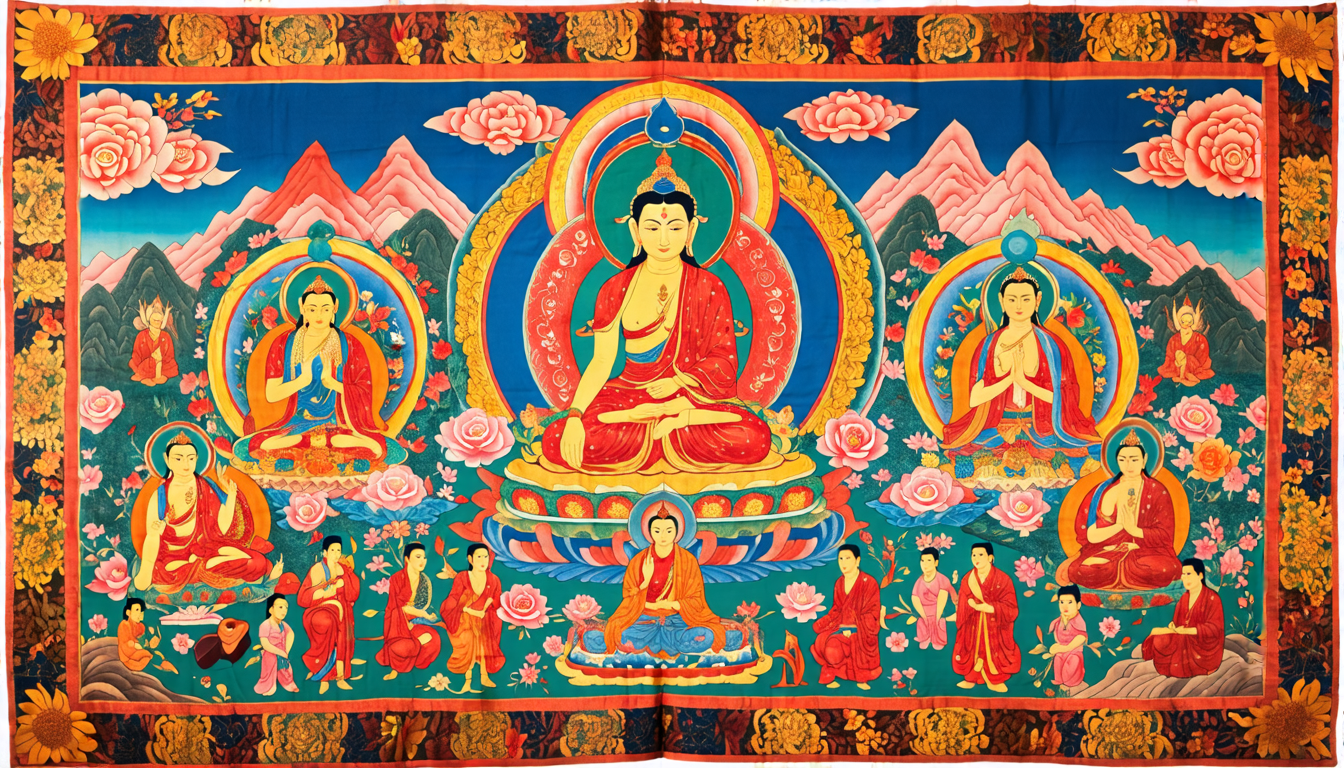
Thangka paintings are intricate, hand-painted scrolls depicting Buddhist deities, mandalas, and spiritual scenes. They play a vital role in Nepalese culture, serving both as an artistic expression and a tool for meditation.
Crafted using natural pigments and traditional methods, these sacred artworks make for unique and meaningful souvenirs. When purchasing a Thangka, ensure it is hand-painted and not a mass-produced replica to preserve its cultural authenticity.
Pashmina Shawls: Luxurious Woolen Textiles
Nepal is renowned for its high-quality pashmina shawls, made from the soft undercoat of Himalayan goats. These shawls are prized for their warmth, lightweight feel, and luxurious texture. You can find a variety of designs and colors, ranging from traditional patterns to modern styles.
To ensure you’re buying genuine pashmina, look for trusted retailers and be cautious of synthetic imitations. A real pashmina shawl is an investment in both comfort and elegance.
Handmade Paper: Eco-Friendly Craft
Nepal is famous for its traditional handmade paper, known as lokta paper. Made from the bark of the Daphne plant, this craft is both eco-friendly and sustainable. Lokta paper is used to create various products such as journals, lampshades, and gift wraps.
The durability and natural texture of lokta paper make it a treasured souvenir. Supporting this craft also aids in the conservation of Nepal’s forest resources and promotes local artisanal livelihoods.
Singing Bowls: Spiritual Healing Instruments
Singing bowls are essential instruments in Buddhist practices, believed to promote healing and meditation through their harmonic sounds. These bowls are typically made from a mix of metals and come in various sizes and designs. When struck or rimmed with a mallet, they produce a resonating sound that aids in achieving a meditative state.
Purchasing a singing bowl as a souvenir not only gives you a piece of Nepalese heritage but also a tool for personal well-being and mindfulness.
Khukuri Knives: Iconic Nepalese Weapons
The Khukuri knife is a traditional Nepalese weapon, historically used by the Gurkhas, Nepal’s elite warriors. Its distinctive curved blade and practical design have made it a symbol of bravery and skill. Modern Khukuris are crafted with detailed engravings and are often displayed as decorative items.
When buying a Khukuri, ensure it is handcrafted by skilled artisans to appreciate the true essence of this iconic tool. They make impressive and meaningful gifts, representing Nepalese history and craftsmanship.
Nepali Tea: Aromatic Flavors to Savor
Nepalese tea is renowned for its unique flavors, derived from tea gardens situated in the foothills of the Himalayas. Varieties include black, green, and white teas, each offering a distinct taste and aroma. Popular ones like Ilam and Antu Valley teas are sought after for their quality and organic production methods. Bringing home Nepali tea allows you to savor the essence of Nepal long after your journey has ended. Moreover, it makes for a delightful gift for fellow tea enthusiasts.
Prayer Flags: Symbols of Peace and Compassion
Prayer flags are a common sight across Nepal, often seen fluttering in the wind at high altitudes, temples, and homes. These colorful flags are inscribed with mantras and prayers, believed to spread positive energy and compassion when they wave in the breeze.
Buying prayer flags as souvenirs connects you with Nepal’s spiritual traditions and provides a tangible reminder of the country’s rich cultural heritage. Look for flags made from traditional materials by local artisans for an authentic keepsake.
Handicrafts and Jewelry: Exquisite Artisan Creations
Nepal is a treasure trove of handicrafts and jewelry, showcasing the incredible skills of local artisans. Items range from intricately carved wooden sculptures and pottery to beautiful silver and gemstone jewelry.
These crafts often reflect traditional symbols and motifs, making them unique pieces of art. When shopping for handicrafts and jewelry, opt for items made by local artisans to ensure authenticity and support the preservation of these age-old crafts.
Nepalese Masks: Intricate Cultural Representations
Nepalese masks hold significant cultural and religious meaning, used in traditional dances, ceremonies, and festivals. Made from wood, clay, and other materials, these masks depict various deities, demons, and animals.
The process of mask-making involves meticulous craftsmanship and attention to detail. Collecting these masks as souvenirs offers a glimpse into the rich artistic traditions of Nepal. Displaying them in your home can serve as a striking reminder of your cultural adventure.
Spices and Herbs: Authentic Nepali Flavors
Nepalese cuisine is characterized by its rich and aromatic flavors, thanks to an array of spices and herbs used in cooking. Bringing home a selection of local spices such as turmeric, cardamom, and timur (Nepalese Sichuan pepper) allows you to recreate the flavors of Nepal in your kitchen.
Packaging typically includes vibrant and informative labels, making them great gifts for those who appreciate culinary delights. Purchasing these spices supports local farmers and the agricultural heritage of Nepal.
Popular Markets and Shopping Areas
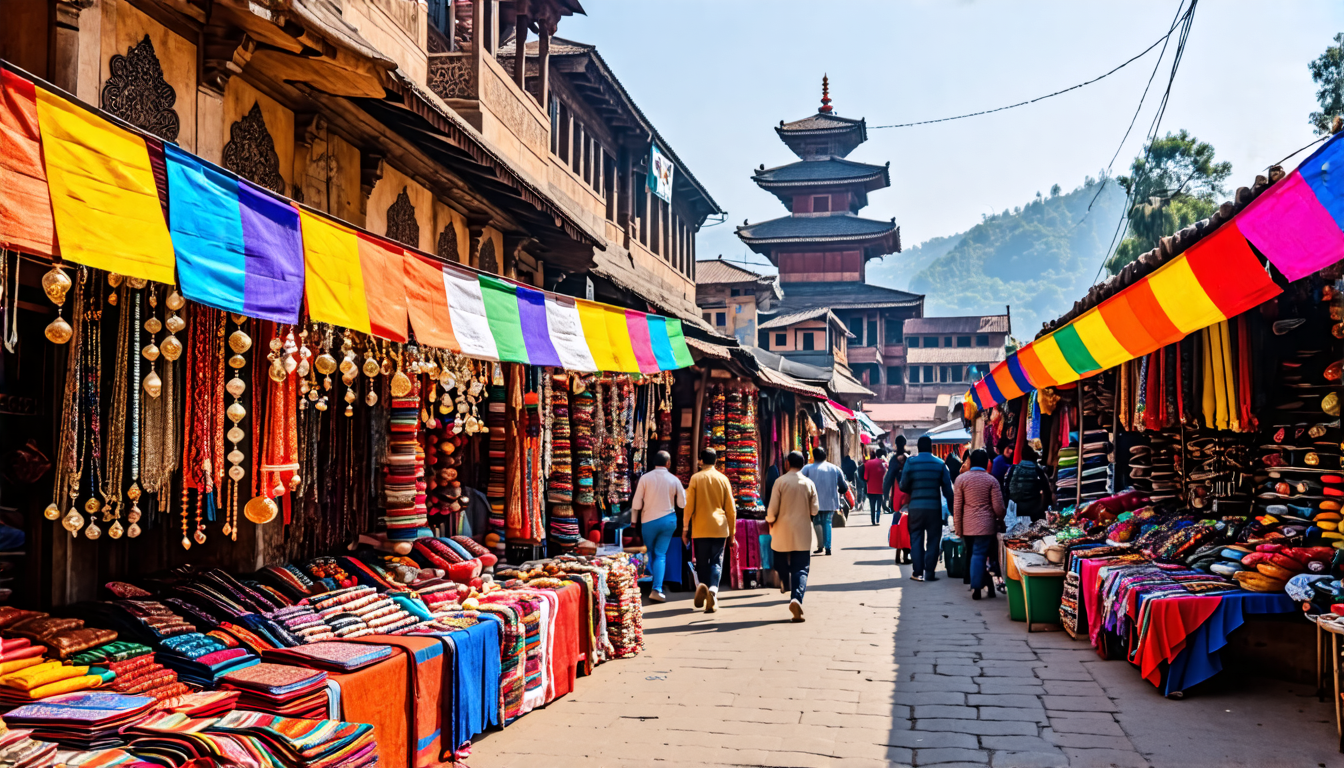
When it comes to finding authentic Nepalese souvenirs, the bustling markets and vibrant shopping areas of Nepal are treasure troves of unique items. One of the most renowned marketplaces is the Thamel District in Kathmandu, known for its array of shops offering everything from handcrafted jewelry to traditional clothing.
Wander through the narrow alleys and you’ll find colorful Thangka paintings, intricately woven Pashmina shawls, and an assortment of singing bowls that sing to your soul.
Another must-visit is the Asan Market, one of the oldest and busiest markets in Kathmandu. Here, you’ll be immersed in a sensory overload of sights, sounds, and smells, with stalls selling spices, herbs, and Nepalese tea alongside handmade paper and authentic Khukuri knives. Asan Market provides an unrivaled experience of the local culture, making it an ideal spot to pick up souvenirs that truly capture the essence of Nepal.
For those traveling to Pokhara, the Lakeside Market is a shopper’s paradise. The laid-back atmosphere of Pokhara, combined with the scenic beauty of its lakeside location, creates a perfect backdrop for a leisurely shopping spree. The market is teeming with shops that offer prayer flags, Nepalese masks, and an array of handicrafts and jewelry that reflect the local artistry and craftsmanship.
Tips for Bargaining and Ensuring Authenticity
Shopping in Nepal is often an interactive experience, and bargaining is a common practice in many markets. To get the best deals, it’s essential to keep a few tips in mind:
1. Start Low but Be Reasonable: Begin your bargaining with an offer that is significantly lower than the asking price, but still within a reasonable range. This shows the seller that you’re serious about buying and are aware of the item’s value.
2. Know When to Walk Away: If the price doesn’t seem right, don’t hesitate to walk away. Often, merchants will call you back and offer a better price.
3. Build a Rapport: Engage in friendly conversation with the shopkeepers. Learning a few basic Nepali phrases can go a long way in establishing goodwill and may even lead to better deals.
4. Check for Quality and Authenticity: To ensure you’re buying genuine items, it’s crucial to examine the quality of the product. For Pashmina shawls, test the fiber; authentic Pashmina is incredibly soft and lightweight. For Thangka paintings, look for those crafted by recognized artists, often verified through a certificate of authenticity.
Sustainable Souvenir Shopping: Supporting Local Artisans
When purchasing souvenirs in Nepal, consider opting for items that support sustainable practices and local artisans. By doing so, you’re not only taking home a unique piece of Nepalese heritage but also contributing to the preservation of traditional crafts and the livelihoods of local communities.
Fair Trade Shops: One way to ensure that your purchase benefits local artisans is to shop at fair trade stores. These shops prioritize fair wages and ethical business practices. Some well-known fair-trade shops in Nepal include Mahaguthi Craft With Conscience, Association of Craft Producers (ACP), and Nepal Knotcraft Centre.
These organizations work directly with artisans to produce high-quality goods while ensuring their social and economic well-being.
Eco-Friendly Products: Nepal is a leading producer of eco-friendly handmade paper, often made from the bark of the Lokta bush. Buying Lokta paper products, which range from notebooks to decorative items, supports renewable resources and environmentally sustainable practices.
Similarly, natural dyes and fabrics, used in many textiles and garments, are safer for the environment and promote sustainable production.
Cultural Preservation: By purchasing traditional crafts such as Thangka paintings, singing bowls, or Khukuri knives, you’re helping to preserve Nepal’s rich cultural heritage. Many artisans rely on these traditional crafts for their livelihood, and your purchase can help maintain these ancient skills for future generations.
In conclusion, knowing where to shop and how to engage in sustainable and ethical buying practices will enhance your souvenir shopping experience in Nepal.
Whether you’re wandering through the lively alleys of Thamel, soaking in the atmosphere of Asan Market, or enjoying the scenic views of Pokhara’s Lakeside Market, you’re sure to find priceless mementos that celebrate the heart and soul of Nepal.


 Souvenir Ideas to Take Home from Every Country and City
Leave a comment