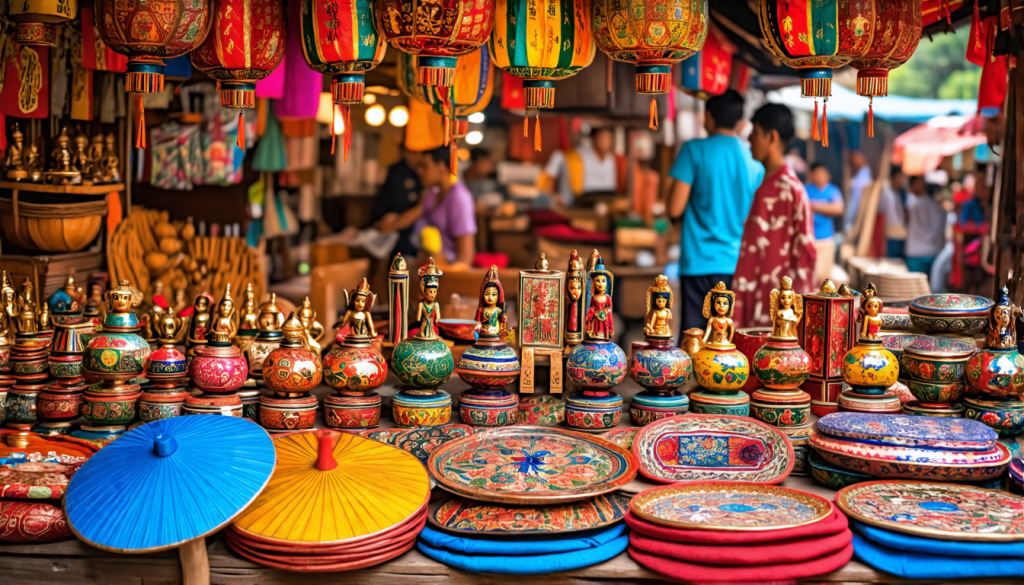
Myanmar, formerly known as Burma, offers a treasure trove of unique and culturally rich souvenirs that capture the essence of this beautiful Southeast Asian country. The tradition of bringing home souvenirs holds a special cultural significance in Myanmar, where each item tells a story of the country’s vibrant heritage and skilled craftsmanship.
From the bustling markets of Yangon to small artisan workshops in Bagan, travelers can find a diverse array of handmade and traditional products that make perfect keepsakes and gifts. Not only do these souvenirs serve as tangible memories of your journey, but purchasing them also supports local artisans and helps preserve Myanmar’s artistic traditions.
Discovering souvenirs in Myanmar is like embarking on a cultural journey. The country’s artisans produce a variety of items that are as functional as they are beautiful.
Handcrafted lacquerware, elegantly designed longyi (traditional attire), glittering gems and jewelry, natural thanaka cosmetics, and intricately carved Burmese marionettes are just a few examples of the exquisite items that await you. Each piece reflects the rich history and artistic heritage of Myanmar, offering a glimpse into the daily lives and customs of its people.
When shopping for souvenirs in Myanmar, it’s important to seek out authentic items that truly represent the country’s craftsmanship. Bargaining is a common practice in markets, but it should be done respectfully and fairly. Knowing how to distinguish genuine products from imitations will also enhance your shopping experience.
Major markets and reputable shops across the country provide ample opportunities to find high-quality souvenirs. Additionally, it’s wise to be aware of customs regulations regarding the transportation of certain items, ensuring that your mementos make it home safely.
Bringing back souvenirs from Myanmar is not just about collecting beautiful objects, but also about appreciating and preserving the rich cultural heritage of this remarkable land. Whether you’re drawn to the timeless appeal of handcrafted lacquerware or the natural allure of thanaka, each souvenir serves as a meaningful connection to Myanmar and its people.
Introduction to Myanmar’s Souvenirs
Myanmar, formerly known as Burma, is a country rich in cultural heritage and traditions. This fascinating Southeastern Asian nation offers a plethora of unique and traditional souvenirs that allow visitors to bring a piece of Myanmar’s vibrant culture back home. The significance of these souvenirs extends beyond mere mementos; they encapsulate the essence of Myanmar’s cultural diversity and historical legacy.
Among the varieties of items available, travelers can find intricately designed handicrafts, exquisite textiles, traditional apparel, and items of deep spiritual and cultural importance. These artifacts not only serve as beautiful keepsakes but also tell stories of the country’s history, beliefs, and way of life. Each souvenir reflects the skills and artistry of Myanmar’s local communities, which have been passed down through generations.
Purchasing souvenirs in Myanmar goes beyond acquiring tangible goods; it is an act of supporting local artisans and sustaining traditional crafts. By buying locally-made items, visitors directly contribute to the economy of small communities and encourage the preservation of cultural practices. Artisans often rely on the sale of their work to sustain their livelihoods, making the act of purchasing these souvenirs a meaningful way to give back to the local population.

Top Souvenirs to Bring Home
Handcrafted Lacquerware
One of Myanmar’s most iconic souvenirs, handcrafted lacquerware, boasts a rich history and intricate craftsmanship. The creation process begins with a bamboo or wood base, which is meticulously coated with layers of lacquer extracted from the sap of the Thit-si tree.
These layers are painstakingly hand-dried and polished, a procedure that can take several months, producing resilient and beautiful pieces. From bowls and trays to boxes and cups, lacquerware items are adorned with exquisite designs, often depicting traditional scenes or intricate geometric patterns.
The best places to buy genuine handcrafted lacquerware are in Bagan and Mandalay, where artisans have been practicing this meticulous craft for generations. In these regions, you can visit workshops to see the artists at work, ensuring you purchase authentic, high-quality items.
Supporting these local craftsmen not only brings home a piece of Myanmar’s cultural heritage but also fosters the continuation of these time-honored traditions.
Longyi (Traditional Attire)
The longyi is a traditional garment worn by both men and women in Myanmar. Essentially a long piece of cloth wrapped and secured around the waist, the longyi is both practical and elegant. For men, the garment is called a paso, and for women, it’s known as a htamein. Longyis come in a vast array of fabrics, colors, and designs, often featuring intricate patterns that represent regional styles.
This attire holds significant cultural importance, symbolizing Myanmar’s identity and communal values. When shopping for a longyi, look for fabric quality – silk and cotton are popular choices. Markets in Yangon and Mandalay are excellent places to find a variety of longyis.
Don’t hesitate to ask the vendors about the different styles and regions each longyi represents. Some shops even offer custom-fit options, tailoring the longyi to your specific measurements.
Myanmar’s Famous Gems and Jewelry
Renowned for its high-quality gemstones, Myanmar is a treasure trove for gem enthusiasts. The country is particularly famous for its jade, rubies, and sapphires. Ruby mining has a storied history in the Mogok region, often referred to as the Valley of Rubies, where some of the world’s best rubies originate. Jadeite, a precious form of jade found predominantly in northern Myanmar, is highly prized for its vibrant green color.
When purchasing gems and jewelry, authenticity is key. To ensure you’re getting genuine products, shopping at reputable dealers is essential. Places like the Bogyoke Aung San Market in Yangon offer a variety of certified gemstones. It’s advisable to request a certificate of authenticity from the seller. Additionally, learning basic gemology can help you distinguish high-quality stones.
Thanaka (Natural Cosmetic)
Thanaka is an age-old cosmetic used by the people of Myanmar, renowned for its cooling properties and skin benefits. Made from ground bark of the Thanaka tree, it’s commonly applied on the face and arms, imparting a yellowish paste that acts as a natural sunscreen and beautifying agent. Rich in antioxidants, Thanaka helps in reducing acne, providing moisture, and offering anti-aging benefits.
To find genuine Thanaka, visit local markets and speak to the vendors about their products. In cities like Yangon, Mandalay, and Bagan, stalls frequently sell Thanaka in both raw tree bark form and pre-made paste. Always check for authenticity and purity, as some products might contain additives. A helpful tip is to buy from well-established sellers who can provide information on how to properly use Thanaka for best results.
Burmese Marionettes (Puppets)
A uniquely charming souvenir, Burmese marionettes, or puppets, are deeply rooted in Myanmar’s cultural history. Traditionally used in puppetry performances, these marionettes are intricately handcrafted, showcasing the skilled work of local artisans. Each puppet represents characters from folklore, historical figures, or mythical beings, adorned in lavish costumes made from fine silk and adorned with delicate embroidery.
The cultural significance of these marionettes lies in their storytelling tradition, which dates back several centuries. They were a popular form of entertainment and a medium to convey historical tales and moral lessons.
Some of the best markets to purchase these charismatic puppets include the Nyaung U Market in Bagan and the Scott Market (also known as Bogyoke Aung San Market) in Yangon. By buying these marionettes, you support local artists and preserve a piece of Myanmar’s cultural legacy. Look for detailed craftsmanship and high-quality materials to ensure you are getting an authentic and beautifully made puppet.
Tips for Souvenir Shopping in Myanmar
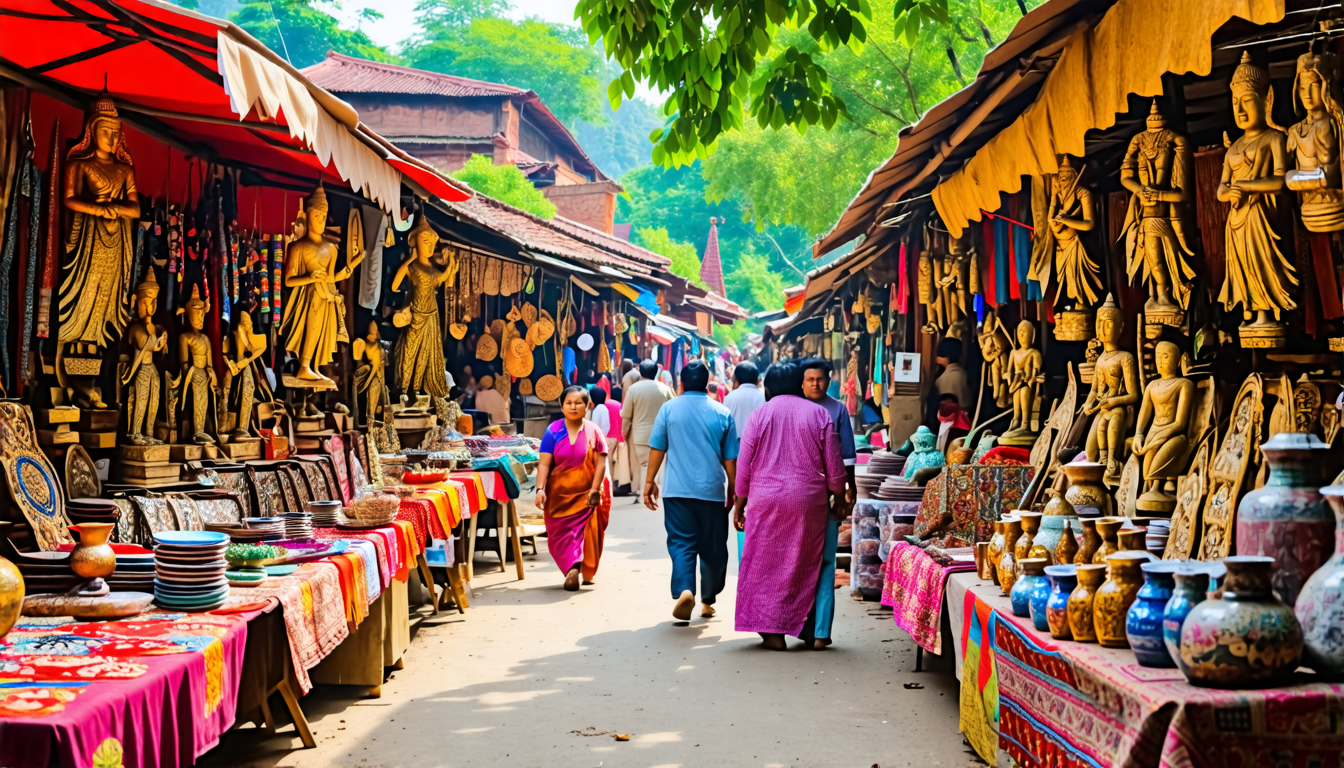
Buying souvenirs in Myanmar can be a truly delightful experience if you know the right tips and tricks. Here’s a detailed guide to help you navigate through the vibrant markets of Myanmar while ensuring you get genuine items at fair prices.
How to Bargain Respectfully and Effectively
Bargaining is a norm in many markets across Myanmar, but it’s vital to do it respectfully. Start with a friendly greeting to the vendor, and always smile. This sets a positive tone for the negotiation. Begin by offering a price that is around 50% of the asking price, and expect to meet somewhere in the middle.
It’s crucial to show genuine interest in the item to make the vendor more inclined to reduce the price. Be patient and take your time. If the vendor doesn’t budge, consider walking away slowly; sometimes, they call you back with a better offer. However, always be respectful in your negotiation to preserve cultural norms and ensure a pleasant shopping experience.
Recognizing Authentic Items vs. Imitations
With a wide array of souvenirs available, it’s essential to distinguish between authentic handicrafts and mass-produced imitations. For example, high-quality lacquerware should be smooth, without air bubbles, and consistent in color. Handcrafted lacquerware will often have slight imperfections, which add to its charm, unlike machine-made items that look too perfect.
When purchasing gemstones or jewelry, ensure to ask for authenticity certificates and receipts. Genuine gems will have a certain weight and luster to them that fakes lack. Similarly, for Thanaka, the authentic product is usually sold as a solid piece of wood or paste and has a distinct natural, earthy fragrance.
For traditional attire like the Longyi, hand-woven cloths often feature elaborate designs and a significantly different texture from mass-produced fabrics. Always inspect the stitching and material to ensure it’s not a synthetic blend passing off as traditional handloom.
Best Markets and Shops for Purchasing Quality Souvenirs
Myanmar is home to several bustling markets and shops where you can get the best souvenirs. Bogyoke Aung San Market in Yangon is one of the most famous markets, known for its extensive range of traditional handicrafts, jewelry, and clothing. Wandering through its maze-like alleys, you can find unique souvenirs and engage in the art of bargaining.
In Mandalay, the Zegyo Market offers a rich selection of traditional items, especially for those interested in Myanmar’s famous gems and intricate wood carvings. Here, you’ll also find local artisans who are often more than willing to share the stories behind their creations, adding a personal touch to your purchase.
Inle Lake is another fantastic spot for unique and high-quality souvenirs. The floating markets here are not only picturesque but also host a variety of traditional crafts, including hand-woven Longyis and delicate silverware. Don’t miss the Ywama Floating Market, where you can purchase items directly from local families who have been practicing their craft for generations.
For authentic Thanaka, visit local markets like Thiri Mingalar Market in Yangon or street vendors in Bagan, where you can witness sellers grinding Thanaka wood into paste. This ensures that you get genuine, high-quality products directly from the source.
Customs Regulations for Taking Souvenirs Out of Myanmar
When buying souvenirs in Myanmar, it’s crucial to be aware of customs regulations to avoid any issues while taking your treasures home. Generally, tourists are permitted to take a reasonable amount of souvenirs for personal use, but there are restrictions on items like antiques, gemstones, and certain types of wood.
If you’re buying precious stones or jewelry, ensure you get an official receipt and certificate to present during customs checks. The government restricts the export of unprocessed gems and large quantities of teakwood, so always check with sellers about the permissible limits.
For lacquerware items, there’s typically no problem as long as they’re for personal use. However, it’s advisable to declare any high-value items and carry proof of purchase to avoid complications. Additionally, ensure that any natural products like Thanaka comply with international customs restrictions on organic materials.
Finally, always keep your receipts and any certificates of authenticity readily available. Packing your souvenirs properly to prevent damage will also help ensure they arrive home in perfect condition, ready to remind you of your incredible journey through Myanmar.
By following these tips, you can make the most out of your souvenir shopping in Myanmar, supporting local artisans while bringing home meaningful and authentic pieces of this beautiful country. Happy shopping!

 Souvenir Ideas to Take Home from Every Country and City
Leave a comment