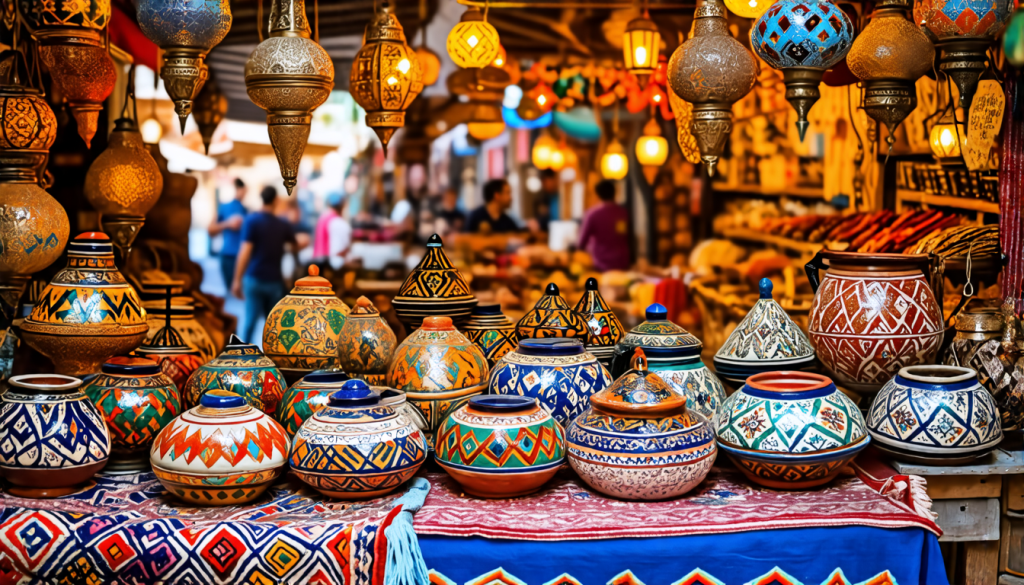
Morocco, a land steeped in history and vibrant traditions, offers an extraordinary array of souvenirs that capture the essence of its rich cultural tapestry. From bustling marketplaces in historic cities like Marrakech and Fez to the tranquil workshops of artisanal villages, Moroccan crafts reflect centuries of artistic heritage and skilled craftsmanship.
For travelers seeking to bring a piece of this enchanting country back home, choosing authentic Moroccan souvenirs is both a meaningful way to remember their journey and a thoughtful gesture of appreciation when shared as gifts.
When it comes to Moroccan souvenirs, the choices are as diverse as they are captivating. Among the most treasured items are the exquisite handcrafted ceramics, renowned for their intricate patterns and vibrant colors.
Cities like Fez and Safi are celebrated for their distinctive pottery and tilework, each piece telling a story deeply rooted in Moroccan culture. Similarly captivating are the textiles and rugs, particularly the Berber rugs, which feature unique, intricately woven designs that are both beautiful and enduring.
For those interested in natural beauty products, argan oil stands out as a must-buy. Sourced from Moroccan cooperatives, pure argan oil is famed for its nourishing properties and is a perfect keepsake.
A stroll through a Moroccan market would be incomplete without exploring the myriad spices and culinary items on offer. Exotic spices such as saffron, ras el hanout, and preserved lemons not only bring the flavors of Morocco to your kitchen but also serve as a sensory reminder of your travels.
Adorning oneself with traditional Moroccan jewelry and accessories is another way to carry a piece of this magical destination with you. Handcrafted silver jewelry, elaborate leather goods, and other accessories reflect the timeless elegance and craftsmanship that define Moroccan artistry.
To ensure the authenticity of these treasured items, it is essential to know where to shop and what to look for. Visiting local souks and markets offers a glimpse into the lively commerce of Moroccan culture, where skilled artisans display their handiwork.
Reputable stores can also provide high-quality souvenirs, often with certification of authenticity. Negotiating prices is both expected and respected, and understanding the hallmarks of genuine craftsmanship can help you make informed choices.
Supporting local artisans and engaging in ethical shopping practices not only enriches your experience but also contributes to the preservation of Morocco’s unique cultural heritage.
In summary, Moroccan souvenirs offer a window into the diverse and intricate culture of this captivating country. Whether selecting a beautiful ceramic piece, a cozy Berber rug, or a bottle of luxurious argan oil, each item serves as a cherished memory of Morocco’s timeless allure.
Introduction to Moroccan Souvenirs
Morocco, a land of enchanting landscapes and vibrant cities, boasts a rich cultural heritage that is beautifully reflected in its diverse array of crafts. Wander through its bustling souks, and you’ll find an abundance of authentic Moroccan souvenirs, each telling a unique story of the country’s artistic traditions and history.
Choosing the right souvenir not only preserves the memory of your Moroccan adventure but also supports the local artisans who keep these age-old crafts alive.
Top Moroccan Souvenirs to Buy
Handcrafted Ceramics
Moroccan ceramics are a marvel of traditional craftsmanship, offering a glimpse into the centuries-old pottery practices of cities like Fez and Safi. These beautifully handcrafted items range from intricate tilework and decorative plates to pottery bowls and ornate tagine pots.
The city of Fez, with its deep-rooted pottery traditions, is famed for its blue and white designs, often inspired by Andalusian art. Safi, another ceramic hub, is known for its multicolored glazes and detailed patterns. When shopping for ceramics, look for the hallmark signs of authentic Moroccan pottery: vibrant colors, meticulous detailing, and the unmistakable touch of skilled artisans.
Textiles and Rugs
One of the most sought-after Moroccan souvenirs is the intricately designed Berber rug. These carpets, woven by the Berber tribes of the Atlas Mountains, are distinguished by their unique patterns and rich symbolism.
Each rug tells a story, incorporating traditional motifs and colors that represent aspects of Berber culture and heritage. In addition to rugs, Morocco also offers a vibrant selection of woven textiles, including blankets, throw pillows, and scarves.
The souks of Marrakesh and Rabat are excellent places to find these authentic pieces, where you can often watch the weaving process firsthand and choose from a wide variety of designs and colors.
Argan Oil Products
Morocco is renowned for its pure argan oil, often referred to as liquid gold due to its myriad benefits and rarity. Sourced from argan trees endemic to the Souss Valley, this precious oil is rich in essential fatty acids, antioxidants, and vitamins, making it a prized ingredient in both culinary and cosmetic products.
When purchasing argan oil, ensure it’s sourced from reputable cooperatives to guarantee authenticity and support local communities. Pure argan oil should be cold-pressed, have a light, nutty aroma, and be free from additives. Consider buying argan oil-based beauty products like lotions, shampoos, and skincare items for a luxurious and genuine Moroccan souvenir.
Spices and Culinary Items
Moroccan cuisine is a symphony of flavors, thanks in part to its abundant use of exotic spices. A visit to a Moroccan spice market is a sensory delight, with vibrant stalls offering everything from saffron and ras el hanout to preserved lemons and harissa.
Saffron, known as the world’s most expensive spice, is harvested in the Taliouine region and adds a distinctive flavor and color to Moroccan dishes. Ras el hanout, a spice blend usually containing over a dozen ingredients like cumin, coriander, and cardamom, is a staple in Moroccan cooking.
To capture the essence of Moroccan cuisine, consider purchasing these spices along with culinary items like traditional tagines, olive wood utensils, and ceramic cookwares.
Traditional Jewelry and Accessories
Moroccan jewelry and accessories are celebrated for their intricate designs and exceptional craftsmanship. Handcrafted silver jewelry, often adorned with semi-precious stones and Berber symbols, makes for a stunning and meaningful souvenir.
In addition to jewelry, Morocco offers a variety of beautifully made accessories like leather bags, belts, and babouches (traditional Moroccan slippers). The Medina of Marrakesh and the old quarters of Fez are excellent places to explore a wide selection of these traditional items, with many artisans willing to custom-make pieces to your specifications.
Whether you’re looking for a statement necklace or a finely crafted leather wallet, these accessories serve as exquisite reminders of your Moroccan travels.
Tips for Buying Authentic Moroccan Souvenirs
Shopping for souvenirs in Morocco can be a rewarding experience if you know where to go and what to look for. Here’s some advice to help you make the best choices:
Where to Shop
The best places to find authentic Moroccan souvenirs are the vibrant souks and markets scattered throughout cities like Marrakesh, Fez, and Essaouira. These bustling marketplaces offer a variety of handmade items directly from artisans.
Additionally, reputable stores and cooperatives ensure you’re purchasing genuine products and often provide a better understanding of their origin and craftsmanship.
How to Negotiate Prices and Recognize Quality Craftsmanship
Bargaining is a common practice in Moroccan souks, so don’t hesitate to negotiate the price. A good rule of thumb is to start at half of the initial asking price and work your way up. To recognize quality craftsmanship, pay attention to the details: for ceramics, check for clean, crisp designs and a solid glaze; for textiles, look at the tightness of the weave and the vibrancy of the colors; for argan oil, ensure it’s pure and has no additives.
Asking the seller about the product’s origin and method of creation can also give insight into its authenticity.
Supporting Local Artisans and Ethical Shopping
When buying souvenirs, aim to support local artisans and cooperatives. Not only does this ensure that you are purchasing authentic items, but it also helps sustain traditional crafts and local economies.
Look for fair-trade certifications and seek out sellers who are transparent about their sourcing practices. By choosing to buy from ethical sources, you contribute to the preservation of Morocco’s rich cultural heritage and make a positive impact on the communities you visit.
Top Moroccan Souvenirs to Buy
Handcrafted Ceramics
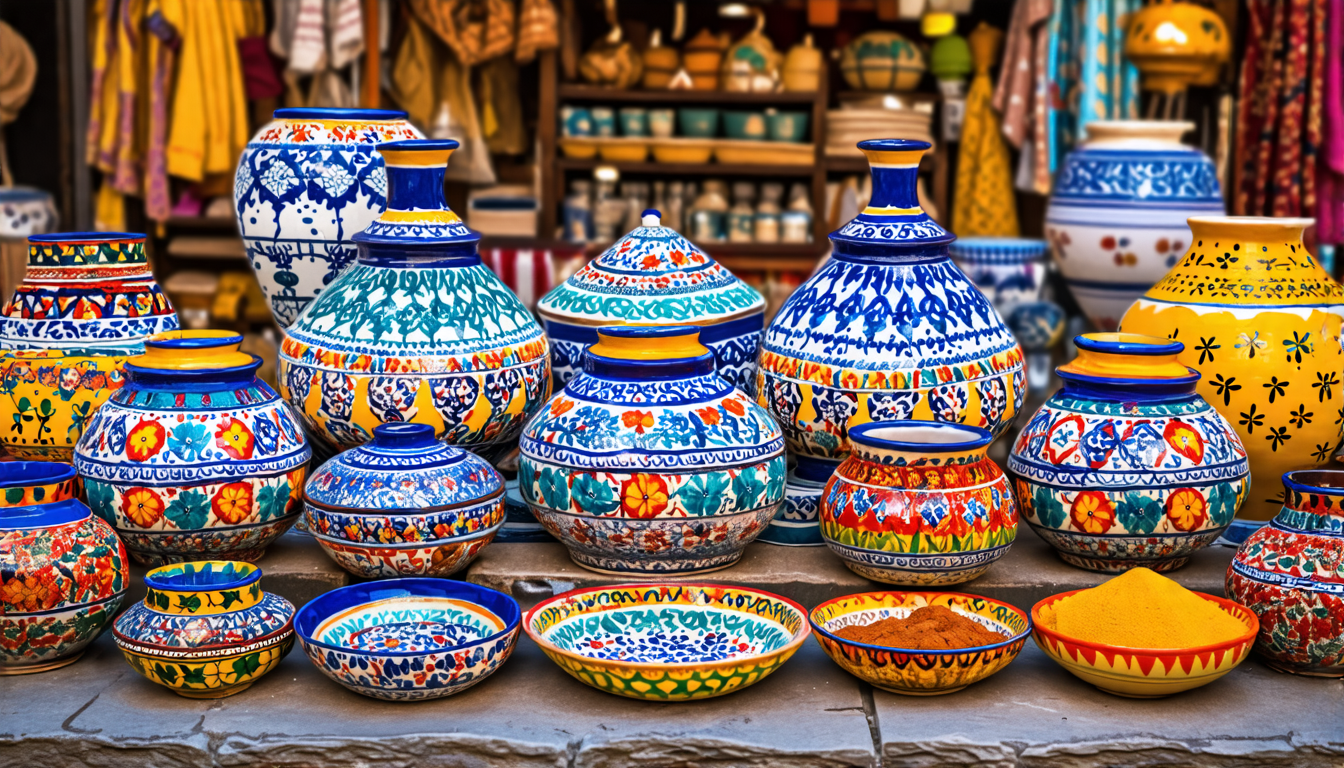
When exploring Moroccan markets, the vibrant and intricate handcrafted ceramics are not to be missed. Cities like Fez and Safi are renowned for their distinctive pottery and exquisite tilework. The ceramics often feature traditional Moroccan motifs and come in a multitude of colors, making them perfect decorative pieces for any home.
Whether it’s a detailed zellige tile, a beautifully patterned bowl, or an ornate tagine, these ceramics are both functional and artistic. When buying ceramics, look for the artist’s signature or a certification to ensure authenticity.
Textiles and Rugs
Morocco’s textiles and rugs are coveted worldwide for their craftsmanship and stunning designs. Berber rugs, known for their unique patterns and vibrant colors, are a testament to the country’s rich heritage. These rugs come in various forms, including the popular Beni Ourain, which features minimalist black-and-white designs, and the colorful Azilal rugs, known for their intricate details.
In addition to rugs, Moroccan markets offer a plethora of woven textiles such as scarves, blankets, and cushions. These items, often made by hand, showcase the diverse artistic traditions of Moroccan tribes and make exceptional souvenirs.
Argan Oil Products
Argan oil, often called “liquid gold,” is one of Morocco’s most famous exports. Sourced from argan trees found mainly in the southwest of the country, this oil is revered for its cosmetic and culinary benefits. Authentic argan oil is produced by cooperatives that empower local Berber women, ensuring both quality and ethical practices.
Beauty products such as argan oil shampoos, conditioners, and skin creams are popular buys. When purchasing, ensure the product is labeled as pure argan oil and comes from a reputable source to enjoy all its marvelous properties fully.
Spices and Culinary Items
Moroccan cuisine is a feast for the senses, and bringing home some of the exotic spices can help you recreate authentic dishes. Saffron from Taliouine, considered some of the best in the world, adds a luxurious touch to many recipes.
Ras el hanout, a complex blend of spices, is a kitchen staple that varies from vendor to vendor but usually includes ingredients like cinnamon, cumin, and coriander. Preserved lemons, olives, and argan oil for culinary use are also excellent choices. Always choose tightly sealed packets to preserve freshness and watch for certifications to ensure high quality.
Traditional Jewelry and Accessories
Moroccan jewelry is notable for its elaborate designs and use of materials like silver, amber, and semi-precious stones. In cities such as Marrakech and Essaouira, you can find a wide array of handcrafted pieces ranging from Berber-inspired necklaces to modern interpretations. In addition to jewelry, leather goods are a must-buy.
Moroccan leather is known for its superior quality and is used to make a variety of products such as bags, wallets, and slippers, commonly known as “babouches.” When shopping for these accessories, prioritize items that showcase skilled craftsmanship and inquire about the origins to ensure they are ethically made.
Tips for Buying Authentic Moroccan Souvenirs
Visiting Morocco offers an array of captivating experiences, and shopping for souvenirs can be one of the most rewarding parts of your trip. To ensure you bring back genuine treasures, it’s essential to know where to shop, how to negotiate prices, and how to identify high-quality craftsmanship. Here’s a guide to help you navigate the vibrant markets and souks effectively while supporting local artisans responsibly.
Where to Shop: Souks, Markets, and Reputable Stores
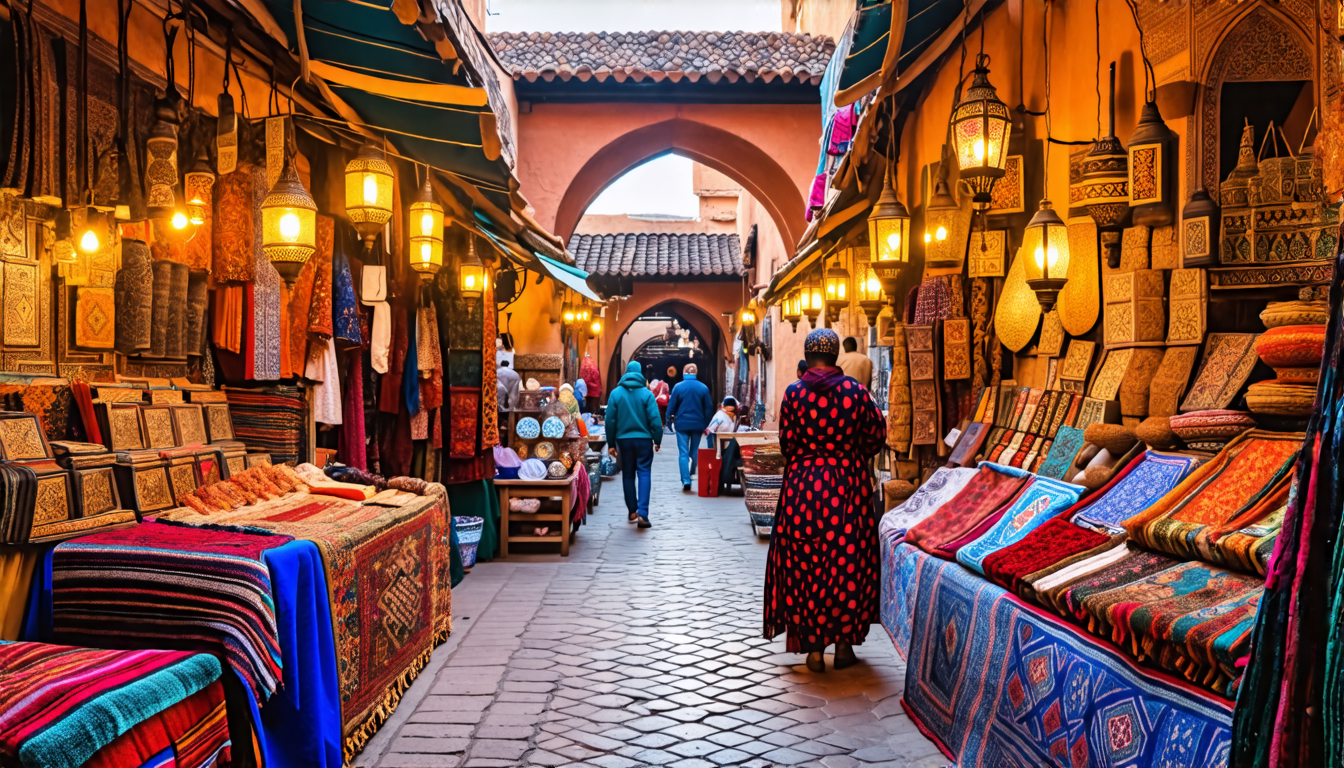
Morocco is famous for its bustling souks and vibrant markets. These traditional marketplaces are brimming with colorful stalls selling everything from intricate rugs to aromatic spices. Notable souks can be found in cities like Marrakech, Fez, and Tangier. Each souk has its own specialties, making it a treasure trove for unique finds.
In Marrakech, head to the world-famous Jemaa el-Fnaa souk, where you can explore alleys lined with stalls offering a mesmerizing variety of goods. In Fez, the Souk el Attarine is renowned for its spices and fragrances. For ceramics, visit Fez and Safi, cities renowned for their exquisite pottery. While buying in these locations, ensure you explore multiple shops to compare prices and quality.
Aside from traditional markets, Morocco also has reputable stores and cooperatives that guarantee authentic and ethically sourced products. Stores like Artisanat Marrakchi in Marrakech and La Maison des Tapis in Fez are great for higher-quality goods with authenticity assurances. These establishments often have fixed prices, allowing you to shop without the hassle of negotiation.
How to Negotiate Prices and Recognize Quality Craftsmanship
Haggling is a common practice in Moroccan markets and can be a fun part of the shopping experience. However, it’s essential to approach it with knowledge and respect for the local customs. Here are a few tips to enhance your bargaining skills:
- Do Your Research: Before diving into negotiations, research the average prices of the items you’re interested in. This knowledge will give you a baseline and prevent you from being overcharged.
- Start Low: When initiating a negotiation, start with a lower offer. Sellers usually price their items higher, anticipating buyers will haggle. Your initial offer should be roughly half of the initial asking price, giving you room to meet in the middle.
- Stay Polite and Respectful: Haggling is a cultural norm and should be conducted respectfully. Engage in friendly conversation and be willing to walk away if the price doesn’t meet your expectations. Often, this can prompt the seller to offer a better deal.
- Look for Authenticity: Authentic Moroccan craftsmanship is detailed and unique. For instance, handcrafted ceramics from Fez often feature intricate designs and vibrant colors. Pay attention to the details such as the finish, the weight, and the feel of the material. High-quality textiles and rugs should have even stitching and vibrant dyes.
Understanding the craftsmanship behind Moroccan products can also help. For instance, authentic Berber rugs are handwoven with distinct patterns that tell a story, often made by artisan women using traditional methods passed down through generations. Genuine argan oil should be sourced from cooperatives where the oil is cold-pressed, maintaining its purity and benefits.
Recommendations for Supporting Local Artisans and Ethical Shopping
Buying from local artisans not only ensures authenticity but also supports the communities that create these beautiful items. Here are some recommendations to ensure your shopping is ethical and impactful:
- Shop at Cooperatives: Cooperatives, often managed by local artisans, ensure that a fair portion of the proceeds goes back to the community. For example, women’s cooperatives producing argan oil uphold ethical practices and provide sustainable incomes for women in rural areas.
- Look for Fair Trade Labels: Fair trade-certified products guarantee ethical production practices, fair wages, and environmentally friendly methods. Several artisanal workshops and stores adhere to these standards.
- Learn About the Craft: Engaging with artisans and learning about their work adds value to your purchase. Many craftsmen are happy to share the story behind their products, offering insight into the techniques and cultural significance.
- Invest in Quality Over Quantity: Choose fewer, high-quality items over numerous cheaper souvenirs. This ensures that you are buying genuinely crafted pieces which will last and hold their value over time.
- Avoid Bargaining Excessively with Artisans: While haggling is customary, be mindful not to undercut artisans who rely on fair prices for their sustenance. A reasonable profit for their effort ensures they can continue crafting their unique products.
By following these tips, you can ensure that your Moroccan souvenirs are not only personal and meaningful but also support local economies and preserve age-old artisan traditions. Shopping thoughtfully transforms your souvenirs into cherished symbols of your travels and contributions to sustaining Morocco’s vibrant cultural heritage.
In conclusion, Moroccan souvenirs serve as rich, tangible reflections of the country’s vibrant and diverse cultural heritage. Choosing authentic Moroccan keepsakes not only ensures that you take home a piece of Morocco’s history and craftsmanship but also supports local artisans who have honed their skills over generations.


 Souvenir Ideas to Take Home from Every Country and City
Leave a comment