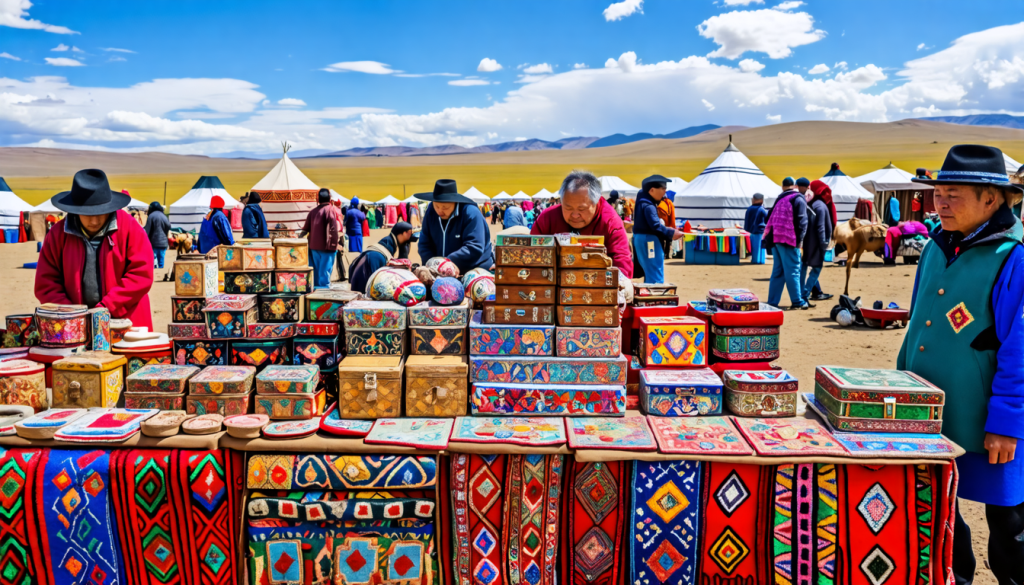
Mongolia, with its vast steppes, rugged mountains, and nomadic traditions, offers a tapestry of rich cultural heritage that captivates visitors from around the globe. As travelers traverse this enigmatic land, they often seek tangible reminders of their journey—souvenirs that embody the essence of Mongolia’s history and traditions.
These traditional keepsakes are more than mere tokens; they are imbued with cultural significance and craftsmanship that harks back to ancient times. The allure of Mongolian souvenirs has seen a steady rise, mirroring the country’s growing prominence on the global tourism stage.
For many tourists, the pursuit of authentic Mongolian souvenirs becomes an integral part of their travel experience, offering a way to bring a piece of the nation’s soul back home. From the vibrant festivities of the Naadam Festival to the intricate handicrafts born from centuries-old techniques, each item tells a unique story.
The market for these souvenirs is increasingly diverse, ranging from traditional garments and accessories to meticulously handcrafted goods that showcase the skill of local artisans. Felt products, leather crafts, and wooden items represent the ingenuity and resourcefulness of the Mongolian people, while miniature gers (yurts) and horsehair jewelry provide a glimpse into the daily lives of Mongolia’s nomadic tribes.
Art enthusiasts can also find a treasure trove of Mongolian art, including Thangka paintings, elegantly carved sculptures, and traditional musical instruments, each piece a testament to the nation’s artistic legacy. However, navigating the vibrant markets and stores to find genuine Mongolian souvenirs requires a discerning eye.
It’s essential to recognize quality and authenticity, ensuring that purchases support local artisans and contribute to sustainable tourism. Whether it’s haggling over prices in bustling markets or shopping in revered boutiques, every interaction can provide deeper insight into Mongolian culture and hospitality.
Supporting local artisans not only helps preserve traditional crafts but also promotes fair trade practices, ensuring that craftsmen receive just compensation for their artistry. As you venture through Mongolia, let the quest for the perfect souvenir become a journey within the journey, one that deepens your connection to this remarkable land and its enduring traditions.
Perhaps one of the most captivating aspects of Mongolia is its vibrant cultural heritage, which is echoed through its diverse and unique selection of traditional souvenirs. These items go beyond mere mementos; they are a doorway into the country’s rich history and cultural ethos. In a land where traditions are deeply respected, Mongolian souvenirs play an important role. Each trinket and artifact tells a story, offering invaluable insights into the nation’s past and present.
Mongolia’s cultural heritage is a rich tapestry woven from threads of nomadic traditions, shamanistic rituals, and Buddhist influences. The Mongolian people have nurtured and preserved their customs and practices for centuries, yielding a wealth of unique artifacts that appeal to collectors and casual tourists alike. Souvenirs from Mongolia aren’t just objects to be displayed but are integral to understanding the multifaceted aspects of Mongolian life.
Traditional souvenirs hold intrinsic importance in Mongolian culture. For nomadic communities, exchanging gifts has always been a way of fostering relationships and expressing goodwill. Items like felt products, leather crafts, and wooden trinkets have served as practical, everyday objects and significant cultural symbols. These souvenirs embody the Mongolian spirit of craftsmanship, resilience, and creativity.
Furthermore, Mongolian souvenirs are increasingly gaining popularity among tourists. As Mongolia’s tourism industry has flourished over recent years, visitors are captivated by the authenticity and originality of the local crafts they encounter. Whether it’s the Naadam Festival garments, intricate leather goods, or charming miniature gers (yurts), these products offer a tangible piece of Mongolia that tourists can bring home. In a world craving authenticity, Mongolian souvenirs provide a refreshing contrast to the mass-produced items found in many other travel destinations.
As more and more travelers seek meaningful and responsible tourism experiences, the demand for authentic Mongolian souvenirs continues to grow. This surge in interest has had a positive impact on local artisans and the broader economy, encouraging the preservation of traditional crafts and ensuring that these age-old techniques are passed on to future generations. In this way, purchasing Mongolian souvenirs becomes an act of cultural preservation and support for local communities.
The rising popularity of these traditional items has also led to the development of various marketplaces and stores specializing in authentic Mongolian crafts. These establishments offer tourists the opportunity to purchase quality, genuine products directly from the artisans themselves. The result is a mutually beneficial relationship that supports both the travelers’ desire for unique souvenirs and the artisans’ need for sustainable income.
In conclusion, the cultural significance and growing appeal of Mongolian souvenirs highlight their importance in today’s travel landscape. By bringing home a piece of Mongolia, tourists not only acquire a unique and meaningful keepsake but also contribute to the preservation and promotion of a rich cultural heritage.
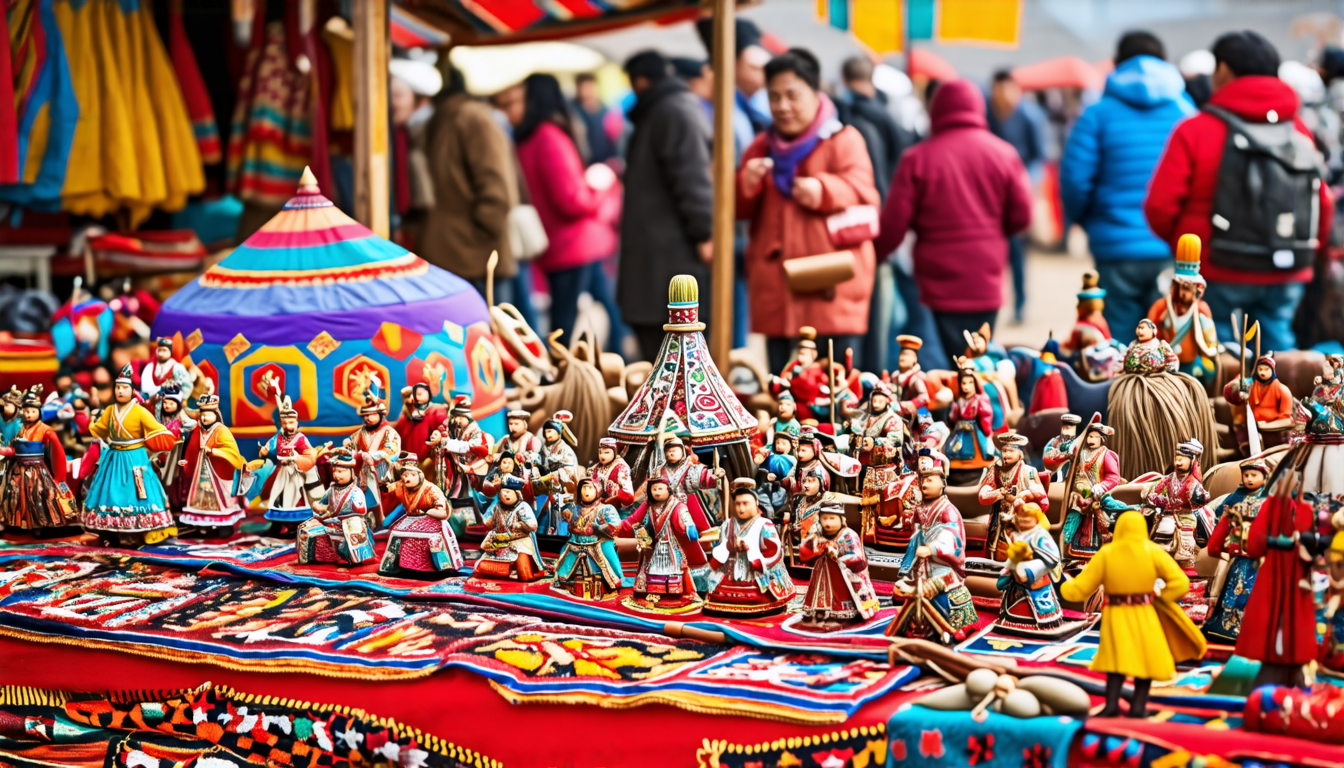
Top Traditional Souvenirs to Buy in Mongolia
Naadam Festival Items
The Naadam Festival, often referred to as the Three Manly Games, is one of Mongolia’s most significant annual events. It features competitions in wrestling, horse racing, and archery. Souvenirs associated with this festival are rich in cultural significance and include traditional garments, accessories, and memorabilia that capture the festival’s vibrant spirit.
Traditional garments, such as the Del — a Mongolian robe — are intricately designed with colorful patterns and are often made from silk or cotton. Naadam-themed accessories, such as hats and boots, also make unique souvenirs that offer a glimpse into the attire worn during this famous festivity.
To find authentic Naadam Festival items, consider visiting fashion boutiques in Ulaanbaatar or local markets such as the Narantuul Market. Prices can vary significantly depending on the item’s craftsmanship and material, but expect to pay more for high-quality garments made from premium fabrics.
Handcrafted Goods
Mongolia is renowned for its rich tradition of handcrafted goods, made using techniques passed down through generations. Felt products, leather crafts, and wooden items are among the most popular and culturally significant souvenirs you can purchase. Felt products, such as slippers, hats, and wall hangings, are made from sheep’s wool and are known for their warmth and durability.
Leather crafts, including wallets, belts, and bags, are another excellent choice, showcasing the skilled artistry of Mongolian craftspeople. Wooden items, such as intricately carved boxes and furniture, reflect the nomadic lifestyle and are often decorated with traditional motifs and patterns.
The best places to buy handcrafted goods include local markets like the Black Market (Narantuul Market) and specialty shops in Ulaanbaatar. Prices for handmade items can range from affordable to pricey, depending on the complexity and materials used.
Nomadic Trinkets
Nomadic trinkets are small, portable items that carry the essence of the Mongolian nomadic lifestyle. Miniature Gers (yurts), horsehair jewelry, and traditional toys are some of the most coveted souvenirs in this category. Miniature Gers are often meticulously crafted to resemble the actual dwellings used by Mongolian nomads, making them an excellent keepsake.
Horsehair jewelry, such as bracelets and necklaces, embodies the close relationship between Mongolians and their horses and is typically handcrafted from genuine horsehair. Traditional toys, including wooden puzzles and felt animals, are not only charming but also educational, representing ancient Mongolian games and crafts.
You can find these unique trinkets in souvenir shops across Mongolia, particularly in tourist-friendly areas. The prices for nomadic trinkets are usually reasonable, but it’s always a good idea to compare prices across different vendors for the best deals.
Mongolian Art
Mongolian art is a reflection of the country’s rich cultural tapestry and offers a diverse range of collectibles, from Thangka paintings to sculptures and traditional music instruments. Thangka paintings are intricate, hand-painted scrolls that often depict Buddhist deities and mandalas, offering a deep spiritual connection.
Sculptures, usually made from bronze or wood, often represent significant historical or religious figures and are exquisite pieces of craftsmanship. Traditional musical instruments, such as the Morin Khuur (horsehead fiddle) and Yatga (a Mongolian zither), not only serve as beautiful decorative pieces but also provide a compelling insight into Mongolia’s musical heritage.
To purchase authentic Mongolian art, visit reputable art galleries, antique shops, or cultural centers. The Union of Mongolian Artists’ store in Ulaanbaatar is a recommended spot for high-quality pieces. Be prepared for a significant price range, as original Thangka paintings and handcrafted musical instruments can be quite costly due to their intricate workmanship and cultural value.
Tips on Where to Find Authentic Products and Pricing Insights
When shopping for traditional Mongolian souvenirs, authenticity is key to ensuring that your keepsakes truly reflect the country’s heritage. Narantuul Market, also known as the Black Market, is a popular destination for a wide variety of souvenirs, though buyers must be cautious of imitations.
The State Department Store in Ulaanbaatar offers a more controlled environment with a guarantee of authenticity. For high-end items, specialized boutiques and local artisans’ workshops are the best places to find unique, handcrafted products.
Pricing can vary widely based on the quality, materials, and craftsmanship of the souvenirs. Handmade items and traditional art tend to be more expensive due to the labor and skill involved. To ensure fair pricing, it’s beneficial to compare prices across different vendors and, when possible, buy directly from local artisans to support their craft and sustainable tourism practices.
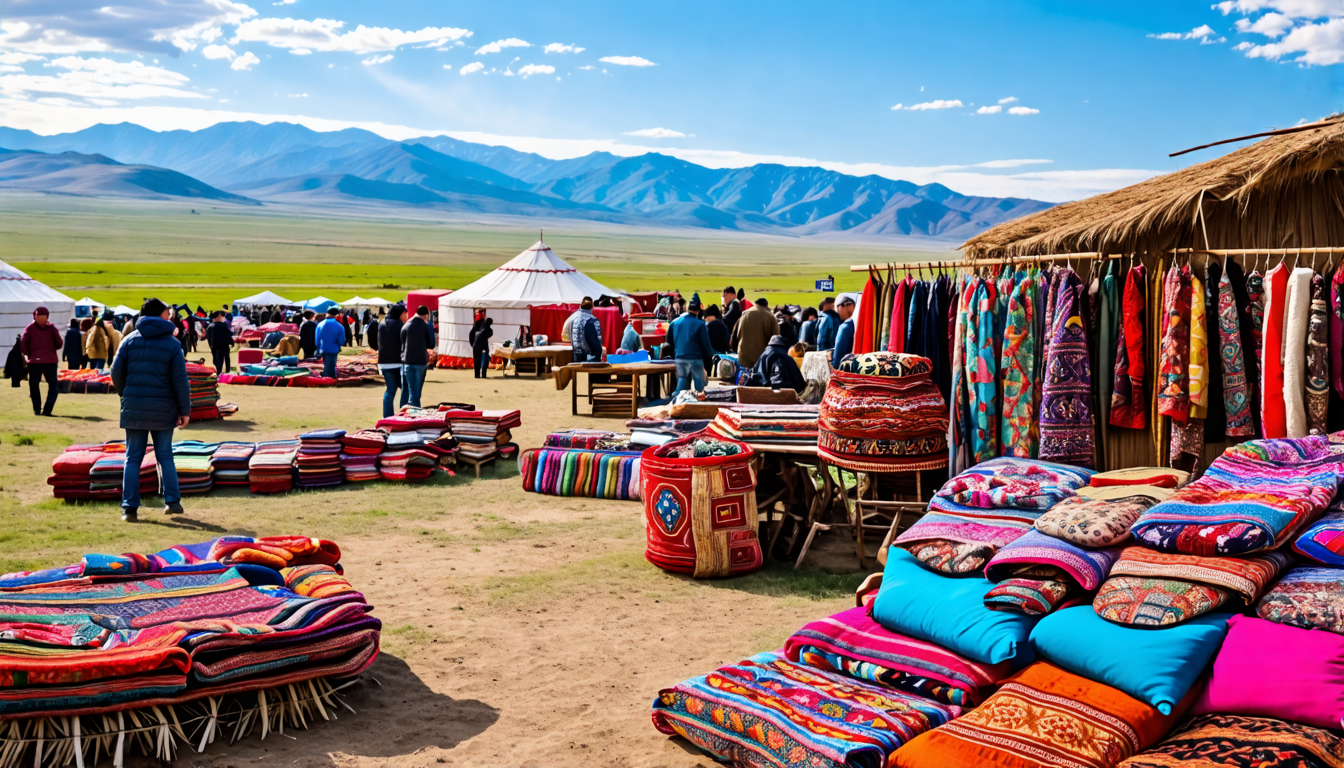
How to Choose and Purchase Authentic Mongolian Souvenirs
Choosing and purchasing authentic Mongolian souvenirs can be an enriching experience if you know what to look for. Here are some tips to ensure you bring home genuine pieces of Mongolia’s rich cultural heritage.
Tips for Identifying Quality and Authenticity in Mongolian Souvenirs
When hunting for authentic Mongolian souvenirs, it’s crucial to keep several factors in mind:
- Material: Genuine Mongolian souvenirs often rely on traditional materials. For instance, felt products should be made from real sheep wool, while leather goods should have that unmistakable smell and supple texture of genuine leather.
- Craftsmanship: Pay close attention to the craftsmanship. Authentic handcrafted items, like wooden carvings or horsehair jewelry, often display intricate details and skilled workmanship. In contrast, mass-produced knockoffs may look rough or overly simplistic.
- Certification: Some high-value items like Thangka paintings may come with certificates of authenticity. Don’t hesitate to ask vendors for these documents, as they can provide assurance that you are purchasing a genuine piece.
- Seller Reputation: Buying from reputable sellers, whether they are market stalls or dedicated souvenir shops, reduces the risk of purchasing counterfeit goods. Experienced and reliable vendors often have a longstanding history and positive reviews from tourists.
Recommended Markets and Stores for Purchasing Genuine Items
Mongolia offers several markets and stores renowned for genuine souvenirs. Here are some recommended places to visit:
- Naran Tuul Market: Also known as the ‘Black Market,’ this Ulaanbaatar landmark is a vast open-air market where you can find a wide array of traditional items, including garments, handcrafted goods, and small trinkets. Exercise caution and ensure you are well-versed in identifying genuine products before making purchases here.
- State Department Store: Located in Ulaanbaatar, this store offers a more controlled environment where you can find authentic souvenirs, from Mongolian art to traditional clothing. Their selections are curated, reducing the risk of counterfeit items.
- Mary & Martha Mongolia: This store specializes in fair trade products and items made by local artisans. Buying here ensures that you get high-quality, authentic souvenirs while supporting sustainable tourism practices.
- Dund Gol Handicraft Market: This market is renowned for its wide array of locally made handicrafts, making it a perfect spot to find unique and genuine items. Artisans themselves often sell at this market, giving you a better chance to understand the story behind each piece.
Advice on Bargaining and Ensuring Fair Trade Practices
One common question among tourists is whether bargaining is acceptable when purchasing souvenirs in Mongolia. Here’s what you need to know:
- Bargaining Etiquette: Bargaining is generally acceptable in local markets. However, it’s essential to approach it respectfully. Start by offering a price that is about 70-80% of the asking price and negotiate from there. Always keep the atmosphere friendly and avoid haggling down to unreasonably low prices to respect the artisan’s effort and material costs.
- Fair Trade Practices: While bargaining is common, it’s also crucial to ensure that the artisans receive a fair price. Look for fair trade-certified stores and avoid purchasing from vendors who appear to be exploiting local workers. Every purchase you make can support ethical practices and contribute to the local economy positively.
- Cash Payments: Cash is the primary mode of transaction in many markets and stores. Keep local currency (Mongolian Tugrik) handy, especially when shopping in remote areas or local markets. This reduces complications and helps you secure better deals.
Consideration for Supporting Local Artisans and Sustainable Tourism Practices
Supporting local artisans and sustainable tourism practices is not just good for the community, it enriches your travel experience. Here’s how you can make a positive impact:
- Buy Directly from Artisans: When possible, buy directly from artisans. This ensures they receive the full benefit of your purchase. Engaging with the artisans also gives you a deeper appreciation of the craftsmanship and the cultural significance of your souvenirs.
- Choose Eco-Friendly Products: Opt for souvenirs that reflect eco-friendly and sustainable practices. Items made from natural materials like organic wool, recycled metals, and sustainably sourced wood are not only beautiful but also better for the environment.
- Educate Yourself: Take time to learn about the traditional crafting methods and the history behind various souvenirs. This knowledge not only helps you make informed decisions but also fosters a greater connection with the culture and the people.
- Spread the Word: When you return home, share the stories of the artisans and the significance of your souvenirs with friends and family. Word-of-mouth can promote Mongolia’s rich cultural heritage and encourage more ethical and sustainable tourism.
The rich cultural heritage of Mongolia offers a diverse range of traditional souvenirs that serve as tangible memories of this unique and storied land. Enjoy your trip!


 Souvenir Ideas to Take Home from Every Country and City
Leave a comment