
Bali souvenirs offer a tactile and vibrant way to capture travel memories, making them an essential part of any traveler’s journey. Whether it’s a handcrafted wooden statue, a beautifully patterned Batik fabric, intricate silver jewelry, or a packet of aromatic local spices, each souvenir from Bali tells a story of the island’s rich culture and craftsmen’s dedication.
This Indonesian paradise is renowned for its diverse and unique souvenir offerings, each deeply rooted in centuries-old traditions and artistry. Bali souvenirs are not just items; they are representations of the island’s heritage, lovingly created by local artisans who have spent their lives perfecting their craft.
From the spiritual significance embedded in a meticulously carved temple guardian statue to the historical and cultural narratives woven into a piece of Batik cloth, each Bali souvenir is a testament to the depth and diversity of Balinese culture.
In this guide, we’ll explore the must-have Bali souvenirs that every traveler should consider, providing insights into their cultural significance, where to find the best pieces, and tips for ensuring you take home authentic and meaningful keepsakes. Whether you’re a first-time visitor or a seasoned traveler, discovering Bali’s most cherished souvenirs will enhance your experience and allow you to bring a piece of this enchanting island back home.
Introduction to Bali Souvenirs
Souvenirs play a crucial role in capturing the essence of travel experiences. As tangible memories, they serve as reminders of the unique moments and places one has visited. When it comes to Bali, the island is a treasure trove of souvenirs that reflect its rich cultural history, artisanal skills, and natural beauty.
From intricate woodcarvings to luxurious traditional textiles, the diverse range of Bali souvenirs leaves every traveler spoilt for choice. Each item embodies the spirit of Bali, offering a piece of the island to take home.
Bali’s unique souvenir offerings are deeply rooted in its culture and traditions. The island has a long history of craftsmanship, with many skills passed down through generations. This cultural heritage is evident in the quality and variety of souvenirs available. Whether you are looking for something small and simple or a statement piece, Bali has something to suit every taste and budget.
The cultural and artisanal significance of Bali souvenirs cannot be overstated. Many of these items are made by local artisans using traditional methods that have been honed over centuries. By purchasing these souvenirs, travelers are not only taking home a piece of Bali, but they are also supporting the local economy and helping to preserve these important cultural traditions. This adds an extra layer of meaning and value to the souvenirs, making them more than just simple mementos.
The Importance of Souvenirs in Capturing Travel Memories
Souvenirs act as physical reminders of the places we have visited and the experiences we’ve had. They help to keep memories alive long after the trip is over. In Bali, the range of unique and culturally significant souvenirs makes it easy to find something that will evoke special memories of your time on the island. Whether it’s a beautifully crafted piece of jewelry, a vibrant piece of traditional fabric, or a jar of locally grown spices, each item tells a story and holds a piece of Bali’s spirit.
Overview of Bali’s Unique and Diverse Souvenir Offerings
Bali’s diverse range of souvenirs is a reflection of the island’s rich cultural heritage and natural beauty. Handcrafted woodwork, traditional textiles like Batik, intricate silver jewelry, and local food products like coffee and spices are just a few examples of the treasures you can find in Bali. Each item is crafted with care and attention to detail, ensuring you take home a high-quality souvenir that will remind you of Bali for years to come.
- Handcrafted Woodwork: Bali is renowned for its intricate wood carvings, which are often inspired by religious and mythological themes. These beautiful pieces vary from small, detailed figurines to large, elaborate masks and household items.
- Batik and Traditional Textiles: Batik is a traditional fabric-dyeing technique that creates stunning patterns and designs. Bali is home to some of the finest examples of Batik and other traditional textiles, making it an ideal place to purchase these beautiful materials.
- Bali Silver Jewelry: The island is famous for its unique silver jewelry, which often features intricate designs and high-quality craftsmanship. Balinese silversmiths have been honing their skills for generations, creating pieces that are both beautiful and durable.
- Local Food Products and Spices: Bali’s fertile soil and tropical climate are perfect for growing a range of delicious and aromatic spices. Coffee, herbal teas, and spices are popular souvenirs that offer a taste of Bali’s natural bounty.
Brief Mention of the Cultural and Artisanal Significance of Bali Souvenirs
Many of Bali’s souvenirs carry significant cultural and artisanal value. For instance, the traditional craft of woodcarving is often linked to religious and cultural practices, with many pieces depicting deities and legendary figures. Similarly, the art of Batik has deep cultural roots, with each pattern and color holding specific meanings. Jewelry making, especially silversmithing, has been a part of Balinese culture for centuries.
By purchasing these items, travelers are not only acquiring beautiful keepsakes but also supporting the preservation of important cultural practices.
The contributions of local artisans to Bali’s souvenir market are invaluable. Each handcrafted item reflects the skill and creativity of its maker, often incorporating traditional techniques that have been passed down through generations. This adds a layer of authenticity and cultural depth to each souvenir, making it a meaningful reminder of your time in Bali.
Supporting these artisans by buying their products helps to sustain these important cultural practices and provides them with a vital source of income.
In conclusion, Bali offers a wealth of unique and culturally significant souvenirs that make perfect mementos of your trip. From beautifully crafted woodwork and traditional textiles to exquisite silver jewelry and delicious local food products, there is something to suit every taste and budget.
By purchasing these items, you are not only taking home a piece of Bali’s rich cultural heritage, but you are also supporting the local economy and helping to preserve important artisanal traditions. So, take your time to explore the markets and shops of Bali, and find the perfect souvenirs to remind you of your incredible journey to this magical island.

Top Must-Have Bali Souvenirs
Handcrafted Woodwork
Bali is renowned for its exquisite handcrafted woodwork, making it a top must-have Bali souvenir. The island’s artisans create a variety of woodwork pieces, ranging from intricate statues depicting deities and mythical creatures to beautifully carved masks and functional household items like bowls and furniture. These pieces are not just souvenirs but also works of art that embody the rich cultural heritage of Bali.
The cultural significance of Balinese woodwork cannot be overstated. Many of these items have deep spiritual and cultural meanings, often inspired by Hindu mythology and local folklore. The craftsmanship involved in creating these pieces is unparalleled, with many artisans dedicating years to mastering their skills, often passed down through generations. The intricate details and precision in each piece reflect the dedication and artistry that go into every carved item.
To find the best quality woodwork in Bali, head to Ubud, the island’s artistic heart. Ubud’s markets and galleries are teeming with handcrafted woodwork. The village of Mas is particularly famous for its woodcarvers. Here, you can visit workshops and see the artisans in action, ensuring that you’re purchasing something truly authentic and high-quality.
Batik and Traditional Textiles
Batik and traditional textiles are another essential Bali souvenir. These fabrics are renowned for their vibrant colors, intricate patterns, and the stories they tell through their designs. Bali’s Batik encompasses a diverse range of styles, each unique to different regions and communities on the island.
The Batik process involves a method of dyeing fabric using wax to create patterns and designs. It’s a meticulous and artistic process that requires precision and creativity. Other traditional textiles, such as ikat and endek, are woven using age-old techniques that are intrinsic to Balinese culture. These fabrics are not just used for clothing but also for ceremonial purposes and home decor.
To purchase authentic textiles, visit the markets and shops in Denpasar, particularly Pasar Badung and Sukawati Art Market. Additionally, the town of Gianyar offers a plethora of traditional fabrics, where you can often watch the weaving process firsthand and appreciate the skill and time invested in creating these beautiful pieces.
Bali Silver Jewelry
Bali is famous for its silver jewelry, making it another top must-have souvenir for travelers. Balinese silver jewelry stands out due to its unique designs, intricate detailing, and the high quality of the silver used. The island is home to generations of skilled silversmiths who create everything from delicate rings and bracelets to bold statement necklaces and earrings.
The art of silversmithing in Bali dates back centuries and is deeply connected to the island’s cultural and religious practices. Many designs are inspired by nature, Hindu iconography, and traditional Balinese motifs, ensuring that each piece has a story and significance behind it. The craftsmanship involved in creating Balinese silver jewelry involves excellent attention to detail and precision, making each item a unique piece of art.
For the best selection of silver jewelry, head to Celuk Village, the center of Bali’s silver industry. Here, you can visit numerous silver workshops and galleries, purchase pieces directly from the artisans, and even customize your jewelry if you wish. Other recommended spots include Ubud Art Market and the various boutique stores spread across Seminyak and Kuta.
Local Food Products and Spices
No trip to Bali is complete without bringing home some of the island’s local food products and spices. Bali is known for its rich culinary heritage and offers a variety of edible souvenirs that capture the flavors of the island. Popular items include Bali coffee, herbal teas, and a wide array of spices such as turmeric, lemongrass, and vanilla.
Bali coffee, particularly Kopi Luwak (civet coffee), is a unique and sought-after item. The island’s volcanic soil and tropical climate provide perfect conditions for growing high-quality coffee beans. Similarly, herbal teas made from locally grown plants offer a taste of Bali’s natural bounty and are known for their health benefits.
To find authentic local food products and spices, visit Ubud Market or Sanur Night Market, where you can find a wide selection of fresh and packaged items. Many local grocery stores and specialty shops also offer these products, often with opportunities to sample before buying. When choosing your items, look for organic and locally sourced labels to ensure you are getting the best quality.
Remember to check the packaging for expiry dates and storage instructions to ensure the longevity of your souvenirs. These edible treasures make for perfect gifts and personal treats, offering a delightful reminder of Bali’s unique flavors long after your trip has ended.
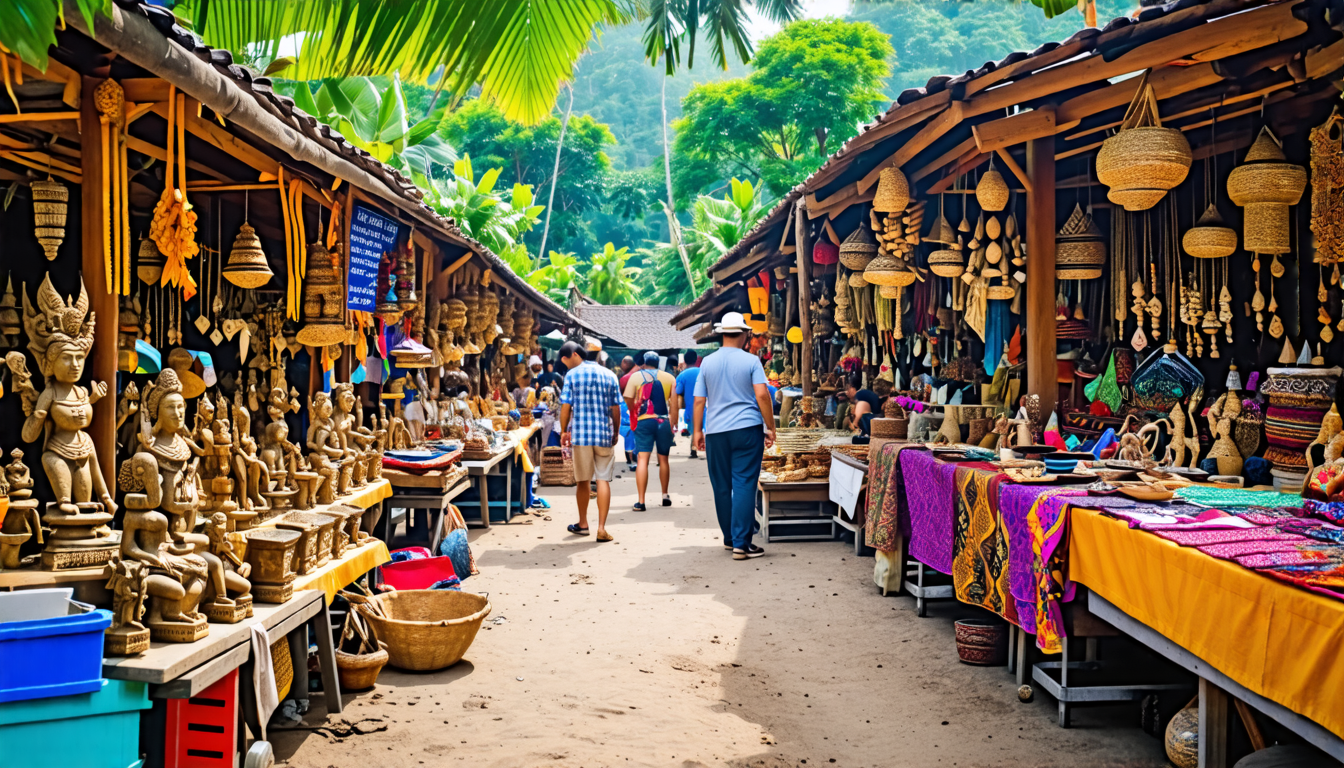
Tips for Souvenir Shopping in Bali
How to Spot Authentic Bali Souvenirs and Avoid Common Tourist Traps
When it comes to buying Bali souvenirs, authenticity is key. Bali is known for its rich cultural heritage and artisanal craftsmanship. However, the influx of tourists has led to an increase in mass-produced items that may not reflect the true essence of Balinese culture. Here are some tips to help you spot authentic Bali souvenirs:
- Research Before You Buy: Familiarize yourself with traditional Balinese crafts. The more you know about what you’re looking for, the less likely you are to be swayed by inauthentic items.
- Check the Details: Authentic Balinese handicrafts often feature intricate detailing. For instance, genuine woodwork will have finely carved patterns, while authentic Batik textiles will showcase complex designs and high-quality fabric.
- Ask Questions: Engage with the seller and ask about the origin of the product. Genuine artisans will usually be willing to share information about the creation process, the materials used, and the cultural significance of the item.
- Be Wary of Bulk Sellers: Souvenirs sold in bulk, particularly at tourist hotspots, are often mass-produced. For one-of-a-kind items, visit smaller shops or local markets.
- Look for Craftsmanship: Authentic souvenirs are handmade and reflect a high level of skill. Check for quality craftsmanship, which is a hallmark of genuine Balinese products.
Price Negotiation Strategies for Getting the Best Deals
Bargaining is a common practice in Bali, especially in markets and smaller shops. Here are some tips to help you negotiate effectively and get the best deals on your Bali souvenirs:
- Do Your Homework: Before you start bargaining, have an idea of the fair price range for the item you want to buy. This knowledge will give you a strong starting point for negotiations.
- Start Low but Be Reasonable: Begin your offer at about 50% to 70% of the asking price. This gives you room to negotiate while showing respect for the seller’s time and effort.
- Stay Friendly and Polite: A smile and a warm attitude can go a long way. Bargaining is a cultural practice in Bali, and maintaining a friendly demeanor can help in closing a deal amicably.
- Be Prepared to Walk Away: If the price isn’t reaching a point you’re happy with, don’t be afraid to walk away. Often, this will prompt the seller to offer a better deal.
- Buy in Bulk: Purchasing multiple items from the same vendor can often lead to better discounts. Sellers are usually more willing to lower prices if they see you’re making a significant purchase.
Recommendations for Ethical Shopping: Supporting Local Artisans and Buying Sustainably
Ethical shopping ensures that your purchases contribute positively to the local community and the environment. Here are some recommendations for ethical souvenir shopping in Bali:
- Support Small Businesses: Buy from local artisans and small businesses rather than large commercial stores. Your support helps preserve traditional craftsmanship and provides a stable income for local families.
- Look for Fair Trade Products: Items labeled as Fair Trade ensure that artisans are paid fairly for their work and that sustainable practices are followed. These products often come with certifications or endorsements from recognized organizations.
- Opt for Eco-Friendly Products: Choose souvenirs made from sustainable materials. Avoid items made from endangered species or materials that harm the environment. Bamboo, organic cotton, and recycled materials are good options.
- Ask About the Source: Don’t hesitate to inquire about the origins of the products you buy. Ethical sellers will be transparent about their sourcing and production methods.
- Participate in Workshops: Many local artisans offer workshops where you can learn about Balinese crafts and even try your hand at making your own souvenir. These experiences are not only enriching but also support the artisans directly.
By following these tips for souvenir shopping in Bali, you can ensure that your purchases are authentic, fairly negotiated, and ethically sourced. Not only will you take home beautiful and meaningful mementos, but you’ll also contribute to the local economy and support the preservation of Balinese culture and crafts.
In conclusion, Bali offers a treasure trove of souvenirs that not only capture the essence of this enchanting island but also hold deep cultural and artisanal significance. From the meticulously handcrafted woodwork to the exquisite batik and traditional textiles, every item reflects the island’s rich heritage and unparalleled craftsmanship.
The intricate woodwork, often taking the form of statues, masks, and functional household items, embodies the dedication and artistic skills of Balinese artisans. Similarly, the vibrant batik fabrics and traditional textiles, made through painstaking and time-honored techniques, provide a tactile connection to Bali’s cultural tapestry.


 Souvenir Ideas to Take Home from Every Country and City
Leave a comment