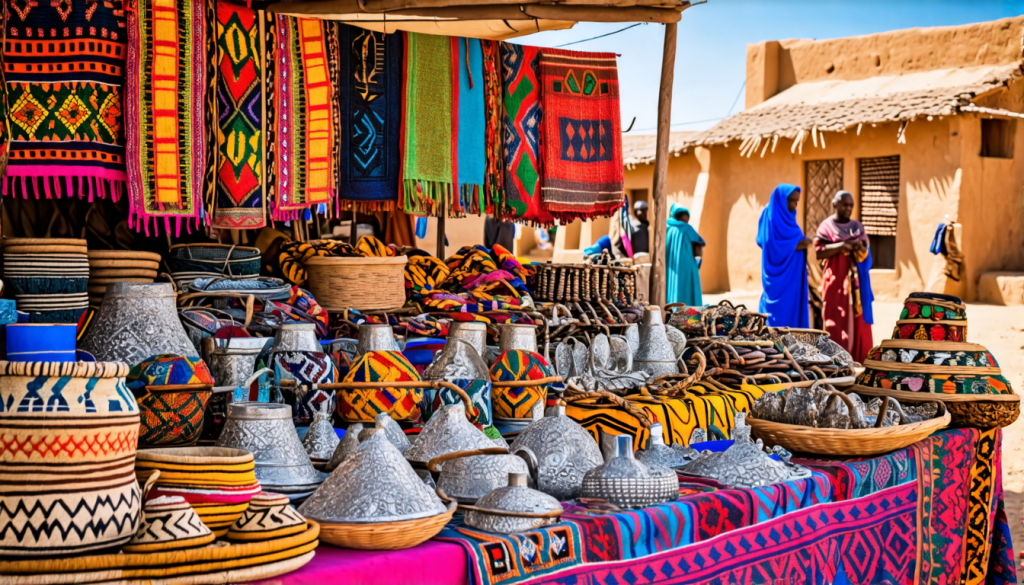
Mauritania, a captivating country nestled in North-West Africa, is a land rich in culture and heritage. From its expansive deserts to its vibrant cities, Mauritania offers a unique blend of history, tradition, and artistry.
When visiting this fascinating destination, collecting souvenirs becomes more than just a casual activity—it is an integral part of grasping the essence of Mauritanian culture and preserving the memories of your travels.
Souvenirs from Mauritania are not mere trinkets; they embody the spirit and traditions of the region. Whether it’s the luxurious traditional textiles, intricate pieces of jewelry, or beautifully crafted handicrafts, each item tells a story and carries the legacy of Mauritanian craftsmanship.
Taking home a piece of Mauritania allows travelers to cherish their experiences and share the rich cultural tapestry of the country with friends and family.
One of the most cherished types of souvenirs are traditional Mauritanian textiles and decorations. Among them, the ‘Malahfa’ stands out—a beautifully adorned fabric worn by Mauritanian women, known for its vibrant colors and intricate patterns.
These textiles are not just garments but cultural symbols, reflecting the artistic heritage of the region. Additionally, handcrafted items such as rugs, mats, and wall hangings made from natural materials are also popular, each piece representing the skills and creativity of local artisans.
Jewelry and accessories in Mauritania are another captivating category of souvenirs. You’ll find a range of stunning jewelry, from silver pieces adorned with elaborate beadwork to the iconic Tuareg crosses.
These items are deeply rooted in the culture and history of the area, making them not only beautiful keepsakes but also meaningful mementos. To ensure authenticity, it’s best to purchase these treasures from reputable sources known for their genuine artifacts.
Local craftsmanship and handicrafts form another essential aspect of Mauritanian souvenirs. Pottery, leather goods, and wooden carvings are meticulously crafted, showcasing the artistry that has been passed down through generations.
Unique items like traditionally styled pottery, intricately designed leather bags, and finely carved wooden accessories offer a glimpse into the artisanal skills that are a proud part of Mauritania’s heritage.
For those looking to buy souvenirs in Mauritania, visiting the bustling markets and shops in cities like Nouakchott is a must. These marketplaces are treasure troves of authentic and diverse items. However, bargaining is a common practice here, and learning how to negotiate prices respectfully and effectively will enhance your shopping experience.
Additionally, ensuring the authenticity of your purchases is crucial. By supporting local artisans and opting for ethically sourced items, you contribute to the preservation of traditional crafts and the well-being of the craftspersons.
Introduction to Souvenirs from Mauritania
Brief Overview of Mauritania’s Culture and Heritage
Nestled in the heart of North West Africa, Mauritania is a country rich in cultural heritage and history. With a blend of Arab, Berber, and African influences, it offers a unique cultural experience that tells the story of its multifaceted past.
The country’s diverse landscapes, from the vast Sahara Desert to the stunning Atlantic coastline, provide a backdrop to a culture deeply rooted in tradition. Mauritania’s colorful history is reflected in its arts, crafts, and daily life, making it a treasure trove of authentic and distinctive souvenirs for visitors.
One of Mauritania’s notable cultural highlights is its music, influenced by Moorish, Berber, and West African traditions. Instruments such as the ardin (a harp-like instrument) and tidinit (a stringed instrument) produce soulful melodies that accompany both celebratory events and everyday life.
Festival celebrations featuring traditional music and dance are common throughout the year. Moreover, the Mauritanian cuisine is a delicious fusion of Arab and African flavors, with dishes like mechoui (roast lamb) and thieboudienne (fish and rice) serving as quintessential examples of the region’s culinary artistry.
Importance of Souvenirs in Preserving Memories of Travel
Souvenirs play a significant role in preserving the memories of any travel experience, and Mauritania is no exception. They are tangible representations of the places you’ve been and the experiences you’ve had, offering a way to keep the spirit of your travels alive long after you’ve returned home.
Each souvenir from Mauritania carries a piece of the country’s heritage and stories, providing not only a cherished keepsake but also an opportunity to share your journey with friends and family.
The act of searching for and selecting souvenirs can be an enriching experience in and of itself. When you purchase an item that has been handcrafted by local artisans, you’re acquiring a unique piece of the local culture, made with techniques and materials that have been passed down through generations.
This not only helps you to remember the places you’ve visited but also supports the local economy and ensures that traditional crafts and skills are preserved for future generations.
From vibrant textiles and intricate jewelry to handcrafted pottery and unique leather goods, Mauritania’s souvenirs are as diverse and vivid as the country itself. Each item you bring home can serve as a small yet powerful reminder of the landscapes, people, and traditions you encountered during your travels.
In this guide, we will explore the popular types of souvenirs you can find in Mauritania, providing you with a glimpse into the artistry and cultural significance behind these cherished keepsakes.

Popular Souvenirs from Mauritania
Traditional Mauritanian Textiles and Decorations
Mauritanian textiles are a vivid representation of the country’s rich cultural heritage. Among the most iconic fabrics is the Malahfa, a versatile piece of cloth traditionally worn by women. These radiant and colorful textiles are crafted from light, breathable materials, making them perfectly suited for the country’s desert climate.
The Malahfa is not only a garment but also a cultural symbol, often featuring intricate patterns and vibrant colors that reflect the wearer’s social and cultural identity.
In addition to clothing, Mauritania is renowned for its handcrafted interior decorations. Artisans create beautiful rugs, mats, and wall hangings using traditional weaving techniques passed down through generations.
These items often feature geometric patterns and natural dyes, making each piece unique. Such handcrafted items are perfect souvenirs as they encapsulate the artisanal skills and cultural narratives of the region.
Traditional Jewelry and Accessories
Jewelry in Mauritania holds both aesthetic and cultural significance. Local markets are a treasure trove of exquisite pieces, ranging from silver jewelry to intricate beadwork. One of the most distinctive forms of jewelry includes the Tuareg crosses, which are symbolic and often worn as talismans.
These crosses are usually made from high-quality silver and are adorned with detailed engravings, making them not only valuable mementos but also meaningful gifts.
The craftsmanship involved in producing traditional Mauritanian jewelry is meticulous. Many of these pieces are handcrafted by artisans who infuse cultural stories and symbolism into their creations.
If you’re looking to purchase authentic jewelry, markets in cities such as Nouakchott and Oualata are excellent places to explore. Here, you can find a range of authentic products directly from the artisans who create them, ensuring you get a genuine piece of Mauritanian heritage.
Local Craftsmanship and Handicrafts
Mauritania’s local craftsmanship extends beyond textiles and jewelry to include a variety of traditional handicrafts. Pottery is one such craft that stands out. Mauritanian pottery often features earthy tones and functional designs, ranging from small decorative items to larger, utilitarian pieces. These pottery items are not only practical but also serve as beautiful reminders of Mauritania’s artisanal traditions.
Leather goods are another highlight of Mauritanian craftsmanship. Items such as bags, wallets, and belts are crafted from high-quality leather, making them durable and stylish. The leather is often dyed with natural colors and embossed with intricate designs, reflecting the artisan’s skill and the region’s diverse cultural influences.
Additionally, wooden carvings are unique keepsakes that capture the essence of Mauritanian artistry. Artisans carve figures, animals, and abstract shapes from local wood, bringing each piece to life with their expert craftsmanship. These carvings can be found in various forms, from small figurines to larger decorative items, each representing the artistic spirit of Mauritania.
Tips for Buying Souvenirs in Mauritania
Best Markets and Shops to Visit
When it comes to finding the perfect souvenirs in Mauritania, knowing where to shop is crucial. One of the prime locations to explore is the bustling Capital Market in Nouakchott, where vendors offer a wide array of traditional goods ranging from textiles to intricately designed jewelry. Another vibrant marketplace worth visiting is the Marché Capitale, renowned for its selection of handcrafted items such as rugs, pottery, and more.
In addition to these busy marketplaces, the Atar Market in the Adrar region provides a different shopping experience. This market excels in offering unique leather goods and local crafts that reflect the nomadic lifestyle of the region’s inhabitants. For those venturing into more remote areas, the Chinguetti Market offers rare finds including historical manuscripts and traditional wooden carvings.
If you prefer a curated shopping experience, several shops specialize in authentic Mauritanian crafts. Stores like Artisanat de Mauritanie and Galerie Zeinart in Nouakchott focus on promoting local artisans and offer a wide variety of quality-crafted items.
Bargaining Tips and Etiquette
Bargaining is a common practice in Mauritania, reflecting the country’s rich cultural traditions. To ensure a respectful and effective negotiation experience, here are some key tips:
- Start with Research: Before diving into negotiations, take time to survey the market. Compare prices and quality among different vendors to get a good sense of what a fair price might be.
- Be Polite and Patient: Friendly and polite bargaining is always more effective. Approach negotiations with a smile and maintain a respectful tone. Patience is crucial—rushing the process can lead to higher prices.
- Offer a Fair Price: Start your offer at around 30-50% lower than the asking price. This offers room for negotiation while showing that you value the item and the vendor’s work.
- Know When to Walk Away: If you can’t reach a mutually agreeable price, be prepared to walk away. Often, vendors will call you back and agree to your last offer, but if they don’t, respect their decision.
- Learn Basic Phrases: Knowing a few words in French or Hassaniya (a dialect of Arabic spoken in Mauritania) can help break the ice and build rapport with vendors.
Ensuring Authenticity
Ensuring the authenticity of your souvenirs is essential not only for their value but also to support local artisans responsibly. Here are some strategies to help you distinguish genuine items from imitations and make ethical purchases:
- Look for Quality and Craftsmanship: Authentic Mauritanian crafts are well-made with attention to detail. Inspect items closely for signs of quality such as even stitching, smooth finishing, and durable materials.
- Ask Questions: Engage with the vendor and ask them about the origin of the item, the materials used, and the crafting process. Genuine artisans and knowledgeable sellers will provide detailed answers.
- Buy from Reputable Sources: Purchasing from established markets, recognized artisan cooperatives, or certified shops increases the likelihood of buying authentic products. Stores affiliated with the National Office of Mauritanian Handicrafts (ONAM) are trustworthy.
- Seek Certificates of Authenticity: For more expensive purchases such as silver jewelry or elaborate rugs, ask for a certificate of authenticity to ensure that the item is genuinely crafted locally.
- Support Fair Trade and Ethical Practices: Whenever possible, choose to buy from vendors known for fair trade practices. This supports local communities, ensures fair wages for artisans, and promotes sustainable crafting methods.
By following these tips and being mindful of the cultural practices and ethical considerations, you can bring home truly unique and meaningful souvenirs from Mauritania. These authentic items not only serve as cherished memories of your travels but also contribute to the preservation and promotion of Mauritanian heritage and craftsmanship.
In conclusion, souvenirs from Mauritania offer a rich tapestry of cultural heritage and intricate craftsmanship, making them cherished keepsakes that preserve the memories of one’s travels. From the vibrant and culturally significant Malahfa textiles to the beautifully handcrafted rugs, mats, and wall hangings, Mauritanian textiles reflect a deep-rooted tradition that is both unique and fascinating.
The traditional jewelry, including exquisite pieces made from silver, beadwork, and iconic Tuareg crosses, not only serve as stunning adornments but also carry a profound cultural significance, offering a tangible connection to the country’s history and artisanship.


 Souvenir Ideas to Take Home from Every Country and City
Leave a comment