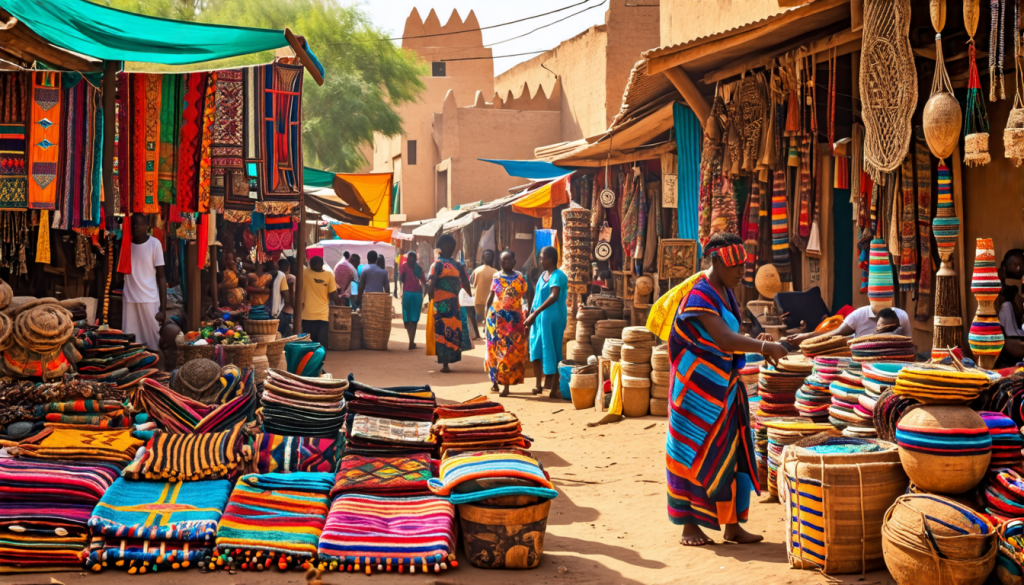
Nestled in the heart of West Africa, Mali is a country rich in history and culture, home to ancient empires, vibrant traditions, and some of the continent’s most captivating landscapes. The spirit of Mali is deeply woven into its arts and crafts, making souvenirs from this nation not just simple mementos, but cultural treasures that encapsulate centuries of heritage.
Souvenirs play a significant role in preserving and celebrating Mali’s rich traditions, serving as both reminders of travels and as cultural artifacts that hold stories of the past. Selecting the right souvenir goes beyond picking a pretty item; it involves choosing a piece that resonates with the culture, history, and artistry of Mali.
Introduction to Mali and Its Unique Culture
Nestled in the heart of West Africa, Mali is a country brimming with a rich tapestry of history, tradition, and cultural heritage. As the historic epicenter of the Mali Empire, which flourished in the 13th to 16th centuries, Mali boasts a legacy that has influenced much of Africa and the world.
The empires of Ghana, Mali, and Songhai left indelible marks on this region through their vast trades in gold, salt, and other valuable resources, establishing Mali as a crucial link in trans-Saharan trade.
Mali’s cultural landscape is equally vibrant, composed of diverse ethnic groups, including the Bambara, Tuareg, Songhai, and Dogon, each contributing uniquely to the nation’s rich mosaic. This cultural diversity is reflected in the arts, music, and daily lives of its people.
Traditional Malian music, characterized by instruments such as the kora and balafon, has garnered global acclaim. Similarly, Malians’ colorful textiles and intricate wooden masks capture both historical and aesthetic significance, making these items cherished souvenirs that offer glimpses into the country’s soul.
In this respect, souvenirs stand as more than mere keepsakes; they serve as tangible cultural artifacts that embody Mali’s historical and cultural essence. For travelers, selecting the right souvenir can be a profound way to connect with and honor the culture of Mali.
Souvenirs provide windows into Mali’s rich traditions, from the symbolic motifs of mud cloth (Bogolanfini) to the spiritual significance embedded in Mask sculptures.
Thus, when choosing a souvenir from Mali, it is paramount to consider its cultural and historical significance. Authentic souvenirs offer an opportunity to support local artisans and preserve traditional crafts.
Furthermore, they allow travelers to carry a piece of Mali’s unique heritage back to their home countries, creating lasting memories and fostering cross-cultural appreciation. Selecting a meaningful souvenir not only enriches the travel experience but also helps sustain the rich cultural practices that define Mali.

Top Traditional Souvenirs from Mali
Handcrafted Jewelry
Mali’s rich history of artisanal craftsmanship is beautifully showcased in its handcrafted jewelry. These pieces are not just accessories; they are works of art that carry deep cultural significance. Malian jewelry often features intricate designs made from materials such as silver, gold, and semi-precious stones.
Tuareg jewelry, in particular, is renowned for its unique aesthetic and symbolic meanings. Popular styles include ornate necklaces, bracelets, and earrings, often adorned with geometric patterns and stones like agate or carnelian.
Whether it’s a statement piece or something more subtle, Malian handcrafted jewelry serves as a meaningful memento of the country’s artistry.
Textiles and Fabrics
Mali is celebrated for its textiles, especially the legendary Mud cloth (Bogolanfini). This traditional handwoven fabric is made from cotton and dyed with fermented mud, giving it its distinctive designs.
Each pattern and color on a piece of Mud cloth represents different stories and symbols, making it a deeply personal and culturally rich item. In addition to Mud cloth, Mali’s weavers produce colorful and elaborate fabrics often found in local markets.
The weaving techniques used in Mali have been passed down through generations and reflect the country’s diverse ethnic groups. When visiting local markets, one can find a variety of fabrics, from simple cotton wraps to more elaborate brocades.
These textiles are not only used in traditional clothing but are also perfect for home décor, adding a touch of Mali to your living space.
Wooden Masks and Sculptures
The tradition of carving wooden masks and sculptures in Mali dates back centuries and is strongly tied to the spiritual and communal life of its people. These works of art often represent ancestral spirits, deities, and various elements of the natural world. The Dogon, Bambara, and Senufo ethnic groups are particularly known for their artistry in mask-making.
Masks are typically used in ceremonial dances and rituals and are highly symbolic. Popular designs include the antelope headdresses used by the Bambara people and the elongated masks of the Dogon.
Sculptures, often depicting humans and animals, also hold significant cultural value and are frequently used in religious ceremonies. Collecting these pieces provides a tangible connection to Mali’s rich cultural traditions and artistic heritage.
Musical Instruments
Music is an integral part of Malian culture, and the country’s traditional musical instruments are cherished souvenirs. The kora and balafon are two of the most notable instruments you’ll encounter in Mali.
The kora, a 21-stringed lute-harp, is used by the griots (traditional West African storytellers and musicians) and produces a melodious, harp-like sound. Its body is made from a large calabash cut in half and covered with cow skin to make a resonator. The balafon is a kind of wooden xylophone with gourd resonators, known for its rich, resonant tones.
Purchasing one of these instruments not only provides a unique memento but also supports the continuation of Mali’s musical traditions. They make excellent decorative pieces and, for the musically inclined, wonderful instruments to learn and play.
Other Notable Souvenirs
Mali has a wide array of other artisanal crafts that make for excellent souvenirs. Pottery is ubiquitous in Mali, with each region boasting its own unique styles and techniques. These pieces often feature geometric designs and are functional as well as decorative.
Leather goods are another popular souvenir from Mali. Artisans in Mali produce a variety of leather items, including bags, shoes, and wallets. The quality of Malian leather is exceptional, and these items often feature intricate patterns and detailed craftsmanship.
Lastly, don’t overlook other artisanal crafts such as woven baskets, metalwork, and beadwork. Each item reflects the artisanal traditions of Mali and offers a little piece of the country’s cultural identity to take home. By purchasing these items, visitors contribute to the livelihoods of local craftsmen and preserve Mali’s rich artistic heritage.
Tips for Purchasing Authentic Souvenirs in Mali
Local Markets and Artisans
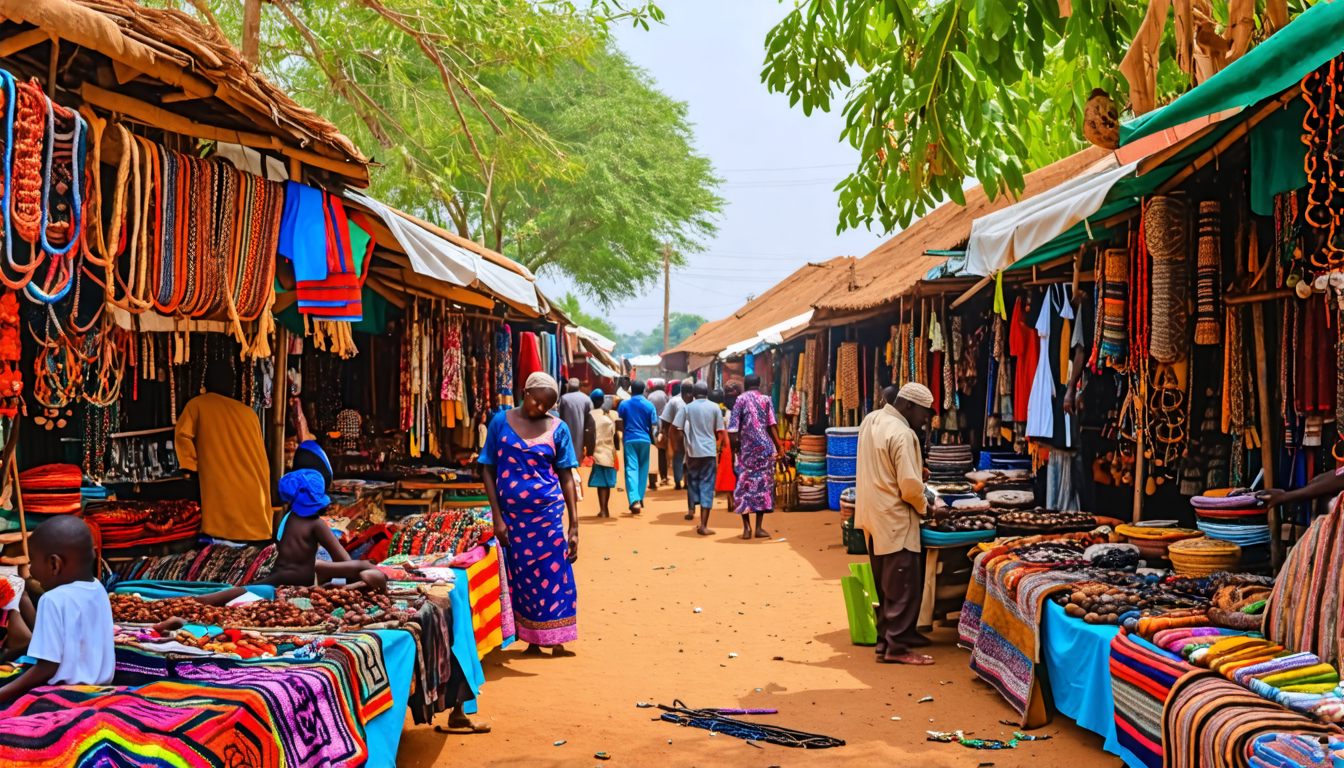
To ensure you’re purchasing authentic souvenirs in Mali, the best place to start is by visiting local markets and connecting directly with artisans. Local markets are a treasure trove of cultural artifacts, offering handmade goods that reflect Mali’s rich heritage and craftsmanship.
A few must-visit markets include the Bamako Artisan Market, where you’ll find an array of products from jewelry to wooden masks. The Djenne Monday Market, known for its bustling atmosphere and wide variety of goods, is another excellent spot for discovering unique items you won’t find elsewhere.
When shopping at these markets, make it a point to engage with the artisans. Not only does this increase your chances of getting a genuine product, but it also provides you with a deeper understanding of the craftsmanship and cultural significance behind each piece.
Artisans often have fascinating stories about the creation process and the history of their craft, enriching your souvenir with a narrative far beyond its physical form.
Negotiating Prices and Avoiding Scams
Negotiating prices in Mali is a common practice, especially in local markets. When buying souvenirs, it’s crucial to approach price negotiation with respect and cultural sensitivity. Start by asking the price and then offer a counter-price that is more reasonable based on your research or experience.
A good tactic is to observe local shoppers or even ask a local shopper to help you negotiate. Often, vendors quote higher prices to tourists, so having a local perspective can be invaluable. A respectful attitude and showing genuine interest in the items can also enhance your bargaining experience.
To avoid scams, be wary of items that seem mass-produced rather than handcrafted. Authentic souvenirs usually have unique imperfections and variations, which is a sign of their handmade nature.
Additionally, beware of vendors who pressure you into making quick decisions or refuse to provide details about the product. A legitimate artisan will often share extensive information about their craft.
Another effective way to avoid scams is to research beforehand. Familiarize yourself with the typical features of the souvenir you’re interested in. For example, genuine Bogolanfini (Mud cloth) will have a distinct texture and design that fake versions won’t replicate accurately.
Caring for Your Souvenirs
Once you’ve purchased your authentic souvenirs, proper care is essential to preserving their quality and longevity. Different types of souvenirs require different care routines, so here are some tips tailored to the common types of Malian artifacts:
- Handcrafted Jewelry: Store jewelry in a cool, dry place away from direct sunlight to prevent tarnishing. Clean pieces gently with a soft cloth, and avoid using harsh chemicals.
- Textiles and Fabrics: For items like Mud cloth, hand-wash with mild detergent and cold water to avoid damaging the natural dyes. Hang them to dry away from direct sunlight to maintain the vividness of the colors.
- Wooden Masks and Sculptures: Dust regularly with a soft, dry cloth. To maintain the wood, consider using a small amount of wood conditioner or oil, but avoid excessive application as it can alter the appearance.
- Musical Instruments: Instruments such as the kora and balafon should be kept in environments where temperature and humidity are stable to prevent warping or cracking. When not in use, store them in cases or covers to protect them from dust and damage.
- Leather Goods: Keep leather items such as bags and wallets moisturized with leather conditioner to prevent drying and cracking. Store them in a dry location, away from direct sunlight, which can cause fading.
By taking these steps, you not only ensure that your souvenirs stay beautiful and intact for years to come but also honor the craftsmanship and effort put into creating these cultural treasures.
In selecting the right souvenirs, you not only bring home beautiful artifacts but also a piece of Mali’s extraordinary cultural legacy. Each item tells a story, connects you to the rich tapestry of Malian life, and becomes a lasting reminder of your journey through this remarkable country.


 Souvenir Ideas to Take Home from Every Country and City
Leave a comment