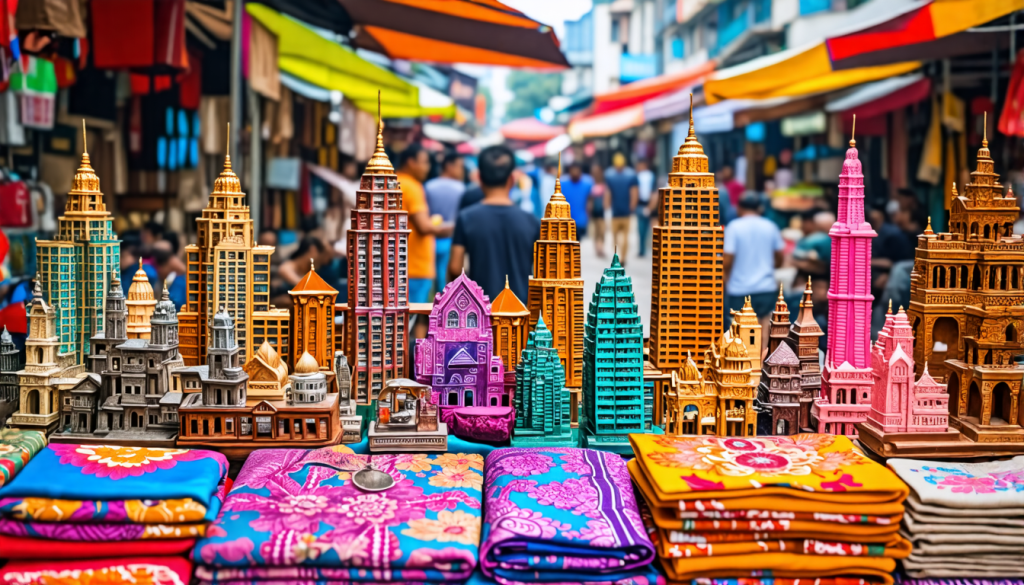
Malaysia, a vibrant Southeast Asian gem, offers an abundance of unique and unforgettable souvenirs that capture the essence of its rich cultural heritage and modern allure. Whether you’re a first-time visitor or a seasoned traveler, the experience of shopping for souvenirs in Malaysia is truly unparalleled.
From intricate traditional handicrafts like Batik and Songket to delectable edible treats such as Dodol and White Coffee, Malaysia presents an array of keepsakes perfect for every type of traveler. As you stroll through bustling markets or chic boutiques, you’ll find an assortment of modern memorabilia, including keychains, T-shirts, and magnets, that serve as perfect mementos of your Malaysian adventure.
Beyond their aesthetic appeal, these souvenirs carry deep cultural significance. Batik and Songket, for example, are not merely beautiful fabrics but are symbol-laden art forms with centuries-old traditions. Pewter goods, another popular souvenir, have a storied place in Malaysian history, reflecting the country’s esteemed craftsmanship.
Additionally, traditional foods like Dodol offer a delicious glimpse into Malaysia’s diverse culinary landscape, each bite telling a story of the nation’s multicultural heritage.
Shopping for souvenirs in Malaysia is a delightful experience when armed with a few handy tips. Knowing the best markets and shops to visit can make all the difference in finding authentic, high-quality items.
Engaging in lively bargaining sessions is part of the thrill, and understanding how to negotiate prices can ensure you get the best deals. Moreover, being able to distinguish genuine products from imitations will elevate your shopping experience, ensuring that every piece you take home embodies the true spirit of Malaysia.
Whether you’re drawn to the vibrant patterns of traditional textiles, the history-imbued elegance of pewter, or the flavorful allure of local delicacies, Malaysian souvenirs offer something for everyone. Each item is a piece of the cultural mosaic that makes Malaysia a unique and enchanting destination.
Unique Traditional Handicrafts: Batik, Songket, and Pewter Goods
Malaysia is rich in traditional handicrafts that make for perfect souvenirs. Among these, Batik, Songket, and Pewter goods stand out for their exquisite artistry and cultural significance.
Batik is a traditional Malaysian textile art that involves wax-resist dyeing. Originating from the Malay-Indonesian Archipelago, Batik is known for its colorful patterns and intricate designs. You can find beautiful Batik fabrics and clothing in popular markets such as Central Market in Kuala Lumpur and Pasar Payang in Terengganu. For a more immersive experience, visit Kelantan, the heartland of Batik production, where you can also take workshops and create your own Batik pieces.
Songket, another treasured textile, is a handwoven fabric adorned with gold or silver threads. Historically worn by the nobility, Songket is now a favorite among visitors seeking a piece of Malaysian heritage. The best places to find authentic Songket include the East Coast states of Kelantan and Terengganu. Shops like Noor Arfa Batik in Terengganu offer a wide range of Songket products from sarongs to home décor items.
Pewter goods from Malaysia are renowned worldwide. Royal Selangor, the leading name in pewter craftsmanship, has been producing high-quality items since 1885. These range from elegant homeware to intricate jewelry. Visit the Royal Selangor Visitor Centre in Kuala Lumpur to witness the making process and shop a variety of pewter goods. You can also find pewter souvenirs in most major shopping malls across Malaysia, such as Suria KLCC and Pavilion Kuala Lumpur.
Edible Delights: Dodol, White Coffee, and Local Spices
Malaysia’s culinary delights make for excellent souvenirs, offering friends and family a taste of the country’s rich gastronomic heritage.
Dodol is a traditional sweet treat made from coconut milk, jaggery (palm sugar), and rice flour. Known for its chewy texture and caramel-like flavor, Dodol is a favorite during festive seasons. You can purchase Dodol at local markets and specialty shops such as Little India in Penang or Jonker Street in Malacca.
White Coffee hails from the town of Ipoh and has gained international fame for its unique blend and smooth, creamy taste. The coffee beans are roasted with palm oil margarine and the result is a less bitter, fragrant beverage. OldTown White Coffee is a popular brand you can easily find in supermarkets, souvenir shops, and even at the Kuala Lumpur International Airport.
Local spices are indispensable when it comes to Malaysian cooking, making them a delightful gift for culinary enthusiasts. From fragrant curry powders to aromatic spice blends, these add authentic Malaysian flavors to any dish. You can find an assortment of spices at markets like Central Market and Chow Kit Market in Kuala Lumpur, as well as Pasar Besar Siti Khadijah in Kota Bharu.
Modern Memorabilia: Keychains, T-Shirts, and Magnets
For those who prefer modern souvenirs, Malaysia offers a wide array of affordable and travel-friendly options like keychains, T-shirts, and magnets.
Keychains featuring iconic Malaysian symbols such as the Petronas Twin Towers, traditional Wau (kite), and Rafflesia flower can be found everywhere from street markets to mall kiosks. Petaling Street in Kuala Lumpur’s Chinatown is particularly known for its variety of quirky and unique keychain designs.
T-Shirts with memorable prints and slogans about Malaysia, its cities, and its cultural landmarks are evergreen souvenir choices. Options are available to suit all tastes and sizes. These can easily be found in souvenir shops along Bukit Bintang and in malls like Sunway Pyramid and 1 Utama.
Magnets are another popular keepsake, often depicting landmarks, cultural symbols, or even local cuisines. They are not only lightweight and easy to pack, but also serve as a daily reminder of your trip whenever seen on a refrigerator door. For the widest selection, check out the souvenir stalls in Central Market and Petaling Street.

Cultural Significance of Malaysian Souvenirs
The Heritage Behind Batik and Songket
Batik and songket are treasured textiles in Malaysia, each with a rich history and cultural significance. Batik is a fabric dyeing technique using wax-resist methods to create intricate patterns, often inspired by nature and local folklore.
This art form has been passed down through generations and is particularly popular in the East Coast regions of Malaysia, such as Kelantan and Terengganu. Wearing batik is not only a fashion statement but also a way of preserving an age-old tradition. It often represents the unity and creativity of the Malaysian people.
Songket, on the other hand, is a luxurious hand-woven fabric that incorporates gold or silver threads, making it a symbol of opulence and grandeur. Historically, songket was reserved for royalty and aristocracy, often worn during important ceremonies and events.
The intricate designs of songket carry meanings and stories, encapsulating the history and culture of the Malaysian people. As a souvenir, both batik and songket offer more than just aesthetic value—they are pieces of art that tell the story of Malaysia’s rich cultural tapestry.
The Importance of Pewter in Malaysian History
Pewter has a long-standing history in Malaysia, with its roots tracing back to the tin mining industry that flourished during the colonial era. The country was one of the world’s largest tin producers, a fact that has greatly influenced its cultural heritage.
The Royal Selangor Pewter Company, established in 1885, continues to be one of the most renowned manufacturers of high-quality pewter goods globally. Products ranging from elegant tea sets to ornate figurines showcase the craftsmanship that the country is known for.
Pewter holds a special place in Malaysian households and is often used in religious and ceremonial contexts. It represents durability and timeless beauty, making it a meaningful gift or keepsake. When you purchase a pewter item as a souvenir, you’re not just buying a physical object but also a piece of Malaysian history and tradition, capturing a moment in time when the nation was at the forefront of the global tin industry.
How Traditional Foods Reflect Cultural Diversity
Malaysia’s traditional foods are a testament to its cultural diversity, influenced by Malay, Chinese, Indian, and indigenous Bornean cuisines. Each type of traditional food tells a story of the nation’s multicultural fabric.
For instance, dodol, a chewy coconut milk-based confection, is often associated with Malay festivals and celebrations. Its rich, caramel-like flavor is a delight for the palate and offers a sensory journey into Malaysia’s cultural landscape.
Similarly, white coffee hails from Ipoh, introduced by Chinese settlers and subsequently adapted into a uniquely Malaysian brew. It symbolizes the fusion of Eastern and Western coffee traditions, resulting in a creamy and aromatic beverage that has gained international acclaim.
By bringing home a packet of white coffee, you are sharing in a piece of Malaysia’s culinary innovation and cultural synthesis.
Local spices, such as cinnamon, star anise, and nutmeg, have been traded through Malaysian ports for centuries, reflecting the country’s historical significance as a trading hub. These spices are integral to the nation’s cuisine, from the rich curries of Penang to the spicy rendang of the Malay Archipelago.
When you choose to buy Malaysian spices, you’re embracing a heritage that dates back to the ancient spice routes that connected different parts of the world, making Malaysia a meeting point of various cultures.
Tips for Shopping Souvenirs in Malaysia
Best Markets and Shops for Authentic Finds
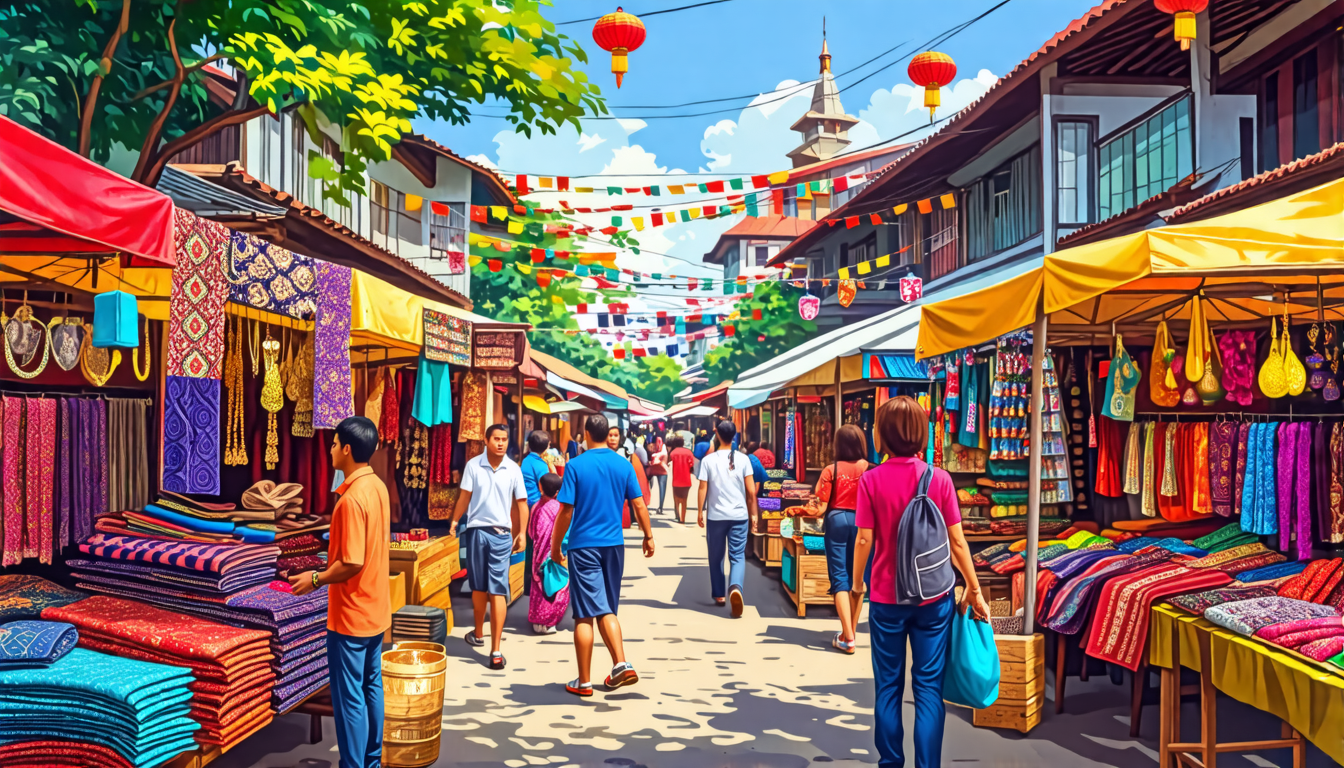
One of the joys of visiting Malaysia is exploring its bustling markets and unique shops, where you can find a wide array of authentic souvenirs. In Kuala Lumpur, head to the Central Market, also known as Pasar Seni.
This cultural marketplace is brimming with stalls offering traditional handicrafts, artwork, and textiles, making it one of the best places to find quality batik and songket. Another excellent spot is Petaling Street in Chinatown, which is famous for its vibrant atmosphere and diverse range of products, from clothing to local delicacies.
In Penang, visit the Penang Craft Batik Factory to appreciate the intricate process of batik-making and purchase directly from the artisans. The George Town Night Market is another must-see, offering a mélange of local crafts and street food, providing an immersive shopping experience.
For a taste of the traditional, the Kota Bharu Central Market in Kelantan offers an array of locally crafted goods, including traditional silver jewelry and wau kites.
Bargaining Tips and Price Negotiation
Bargaining is a common practice in Malaysian markets and can greatly enhance your shopping experience. Follow these tips to ensure successful price negotiations:
1. Start with a Smile: Friendly interactions can go a long way. Approach the vendor with a smile and engage in light conversation before discussing the price.
2. Know the Market Rates: Have a rough idea of the price range for the item you are interested in. This knowledge will give you a benchmark for bargaining.
3. Offer a Reasonable Counter: When the vendor quotes a price, counter with an offer that’s about 20-30% lower. This shows that you are serious, but also aiming for a deal.
4. Be Willing to Walk Away: If the price doesn’t meet your expectations, politely decline and walk away. Often, vendors will call you back with a better offer.
5. Buy in Bulk: If you’re purchasing multiple items from the same vendor, you have more leverage for negotiating a better price.
How to Ensure Quality and Authenticity
Ensuring the quality and authenticity of the souvenirs you buy is crucial, especially when it comes to traditional handicrafts and edible items. Here are some tips:
1. Do Your Research: Before making a purchase, research the typical characteristics of the item you are interested in. For example, genuine batik is made by hand-drawing patterns with wax before dyeing, which you can often see in the intricate details and slight imperfections.
2. Check for Certification: Many authentic Malaysian products carry certifications of authenticity. For instance, look for the Royal Selangor pewter stamp on pewter items, which guarantees its authenticity and quality.
3. Ask the Vendor: Don’t hesitate to ask the vendor about the origin and process of making the product. Genuine sellers are usually proud to share the story behind their goods.
4. Inspect the Item: Carefully check the workmanship of crafts and the freshness of edible items. For textiles, inspect the fabric for uniformity and colorfastness. For food items, check the packaging date and ensure there is no sign of spoilage.
5. Shop from Reputable Stores: While markets are great for finding deals, physical stores with good reputations often offer high-quality and genuine items. In Kuala Lumpur, Aseana Gallery and Royal Selangor retail locations are known for their quality and authenticity.
Shopping for souvenirs in Malaysia can be a delightful experience filled with cultural insights and beautiful finds. By knowing where to shop, how to bargain, and ensuring quality, your quest for the perfect Malaysian memento will be successful and memorable.
In conclusion, Malaysia offers an extraordinary array of souvenirs that vividly reflect its rich cultural heritage and diverse culinary traditions.
From the ornate textiles of Batik and Songket to the meticulously crafted Pewter goods, each item carries a piece of Malaysia’s historical and artisanal legacy. Edible delights like Dodol, White Coffee, and local spices provide a flavorful memory of the country’s culinary diversity, allowing visitors to savor their experiences long after they’ve returned home.
Modern memorabilia, such as keychains, T-shirts, and magnets, offer convenient and portable mementos that capture the essence of the places visited.
Taking the time to select meaningful souvenirs not only creates lasting memories but also supports local artisans and preserves these invaluable cultural practices. Whether you’re drawn to the artistry of traditional handicrafts, the flavors of local delicacies, or the simplicity of modern keepsakes, Malaysia’s souvenirs offer a tangible connection to its vibrant heritage and welcoming spirit.

 Souvenir Ideas to Take Home from Every Country and City
Leave a comment