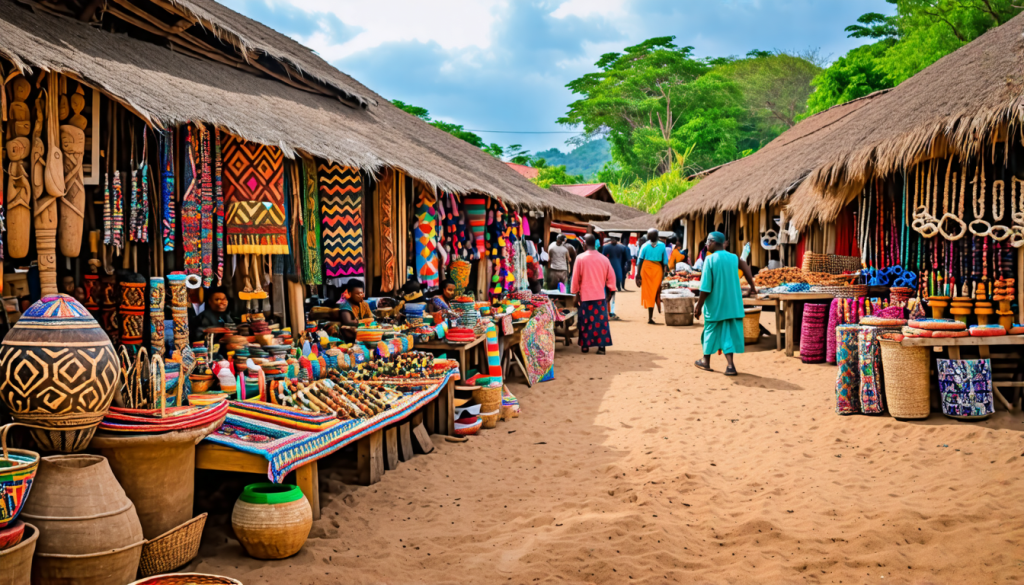
Madagascar, a stunning island nation brimming with unique biodiversity and vibrant culture, offers an array of remarkable souvenirs that encapsulate the essence of this enchanting destination. From the intricate handwoven textiles that tell the stories of the Malagasy people to the exquisite zebu horn products that reflect the island’s artisanal heritage,
Madagascar’s souvenirs are as diverse as its landscapes. Vanilla pods, often referred to as the black gold of Madagascar, not only symbolize the country’s leading role in the global spice market but also serve as a delightful memento of a visit to this tropical paradise.
For those eager to take home a piece of Madagascar, the bustling markets and charming shops across cities like Antananarivo, Antsirabe, and Nosy Be provide a treasure trove of options. These lively hubs of commerce are perfect for discovering authentic and high-quality products.
Seasonal markets and festive celebrations also offer unique shopping experiences where you can find distinctive items that aren’t available elsewhere.
When shopping for souvenirs in Madagascar, it’s essential to embrace the local customs of bargaining while ensuring fair trading practices. Additionally, being mindful of customs regulations and choosing sustainably sourced items will help preserve the island’s rich cultural and natural heritage.
Whether you’re packing a fragile piece of coral jewelry or a delicate hand-carved wooden sculpture, careful packing and transportation tips can ensure your treasured finds make it home safely.
Unique and Authentic Madagascan Souvenirs
Madagascar, often called the Eighth Continent, is home to a wealth of authentic and unique souvenirs that reflect its diverse cultural heritage and natural beauty. This vast island boasts a rich tapestry of traditional Malagasy crafts, ensuring that visitors can take home a piece of its extraordinary history and craftsmanship.
Traditional Malagasy Crafts
The traditional crafts of Madagascar are deeply rooted in the island’s history and social fabric, showcasing extraordinary artisanship and creativity. From intricate handwoven textiles to beautifully carved zebu horn products, the range of offerings is as diverse as the culture itself.
Handwoven Textiles
One of the most cherished traditional crafts in Madagascar is handwoven textiles. Malagasy weavers, particularly the women, have honed their skills over generations, producing textiles that are both aesthetically beautiful and culturally meaningful. Famous for their vibrant colors and intricate designs, these textiles are commonly made from natural fibers such as silk, raffia, and cotton.
Lamba: The lamba is a traditional Malagasy garment, often used in both daily life and ceremonial occasions. These rectangular cloths come in a variety of patterns and colors, each holding specific cultural significances. What makes the lamba particularly unique are the traditional dying and weaving techniques passed down through generations.
These textiles can be used for clothing, home décor, and even as commemorative pieces making them not just souvenirs but pieces of Malagasy heritage. When purchasing handwoven textiles, you are not just taking home a piece of fabric; you are supporting the preservation of Malagasy traditions and the artisans who maintain them.
Zebu Horn Products
Zebu cattle, a domestic animal integral to Malagasy culture, provide more than just meat and milk; their horns are fashioned into a variety of stunning and useful products. Due to its natural durability and elegant appearance, zebu horn is sculpted into an array of items, from jewelry and cutlery to decorative pieces.
Zebu horn products boast a unique marbled texture, making each item one-of-a-kind. Traditional Malagasy artisans have perfected the art of working with zebu horn, producing items that are true pieces of art. When you purchase zebu horn products, you are not only acquiring a unique and functional piece but also supporting sustainable practices, as every part of the zebu is utilized.
Vanilla Pods
Known globally for its remarkable quality, Malagasy vanilla is a highly sought-after commodity. Sourced from the rich, fertile soils of Madagascar, these vanilla pods are a true reflection of the island’s exceptional natural resources. Madagascar produces about 80% of the world’s vanilla, and the iconic Bourbon vanilla is the most prized variety.
Excellent for culinary uses, the rich, creamy aroma and flavor of Madagascan vanilla pods make them a favorite among chefs and food enthusiasts worldwide. Each pod is hand-pollinated and cured through a meticulous process that takes several months, ensuring that the vanilla retains maximum flavor and aroma.
By purchasing vanilla pods directly from Madagascar, you are not only getting an authentic product but also supporting local farmers who depend on vanilla cultivation for their livelihoods.
Cultural Significance and Uniqueness
Every souvenir from Madagascar carries a piece of the island’s soul, encapsulating its rich cultural diversity and exceptional craftsmanship. When you bring home traditional Malagasy crafts, you’re not just acquiring beautiful items; you’re also preserving a part of Madagascar’s cultural heritage.
Handwoven textiles like the lamba are more than just beautiful relics; they tell stories of the island’s history, traditions, and societal values. Crafted by local artisans who have inherited and refined their skills over generations, each piece offers a glimpse into the rich tapestry of Malagasy life.
Similarly, zebu horn products showcase the island’s resourcefulness and artistry. Each horn is carved with precision, transforming natural materials into objects of beauty. These items serve as a testament to Madagascar’s commitment to sustainable living, as every part of the zebu is utilized to its fullest potential.
The savory allure of Madagascan vanilla is unmistakable, and its global reputation speaks volumes about the island’s agricultural prowess. Each pod is a tiny treasure that holds a world of flavor, cultivated with care by dedicated local farmers. Purchasing these pods not only enriches your culinary experiences but also bolsters the local economy and helps in the sustainable production of vanilla.
In conclusion, the unique and authentic souvenirs from Madagascar extend beyond mere artifacts; they are imbued with cultural significance and reflect the island’s extraordinary craftsmanship and natural wealth. By taking these precious items home, you keep a part of Madagascar with you, forever echoing its vibrant culture and unparalleled beauty.
Where to Buy Souvenirs in Madagascar
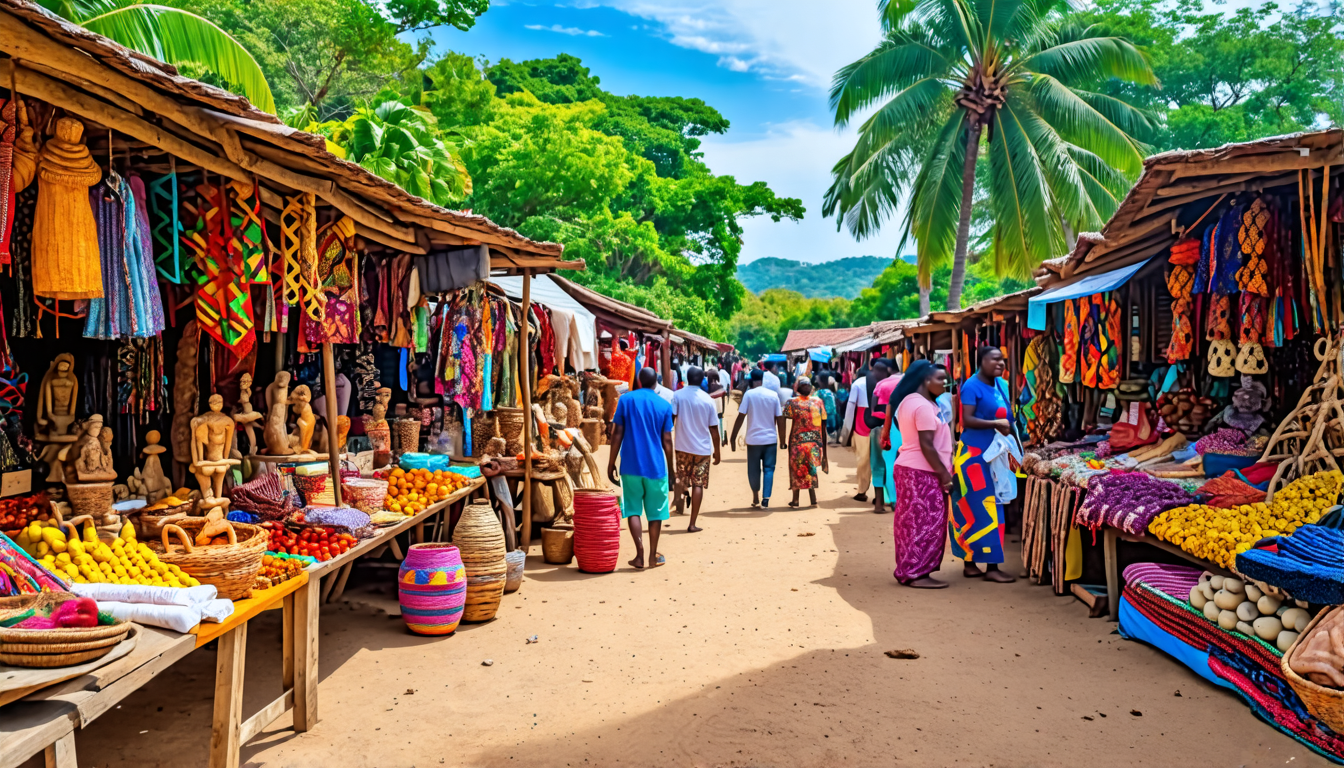
Madagascar, an island nation rich in cultural heritage and biodiversity, offers a wide array of captivating souvenirs that reflect its unique identity. Whether you’re in bustling cities or quaint towns, there are several markets and shops where you can find these treasures. Let’s explore some of the best places to buy souvenirs in Madagascar, along with tips on securing high-quality, authentic products.
Best Markets and Shops in Major Cities
Antananarivo
The capital city, Antananarivo, is a hub for souvenir shopping. Here, you’ll find a variety of markets and shops that cater to tourists seeking traditional Madagascan crafts.
- Analakely Market: Also known as the Zoma market, this is one of the most famous and largest markets in Antananarivo. It’s the perfect place to find a wide range of souvenirs, including intricate handwoven textiles, carvings, and zebu horn products.
- Artisan Market at Andravoahangy: Another excellent spot for souvenir shopping, this market specializes in handicrafts. You can find everything from raffia baskets and hats to hand-carved wooden items and jewelry.
- La Digue Market: Located near the Ivato International Airport, La Digue is ideal for last-minute shopping before you leave the country. This market offers authentic crafts, including traditional lambas (cloth wraps) and unique gemstone products.
Antsirabe
Antsirabe, known for its thermal springs and vibrant markets, is another fantastic location for purchasing souvenirs.
- Asabotsy Market: Held every Saturday, this bustling market is one of the largest in Madagascar. It’s a great place to find local crafts, fresh produce, and even vanilla pods, making it a must-visit for any souvenir hunter.
- Antsirabe Craftsmen’s Cooperative: This cooperative showcases high-quality products made by local artisans. Here, you can find beautifully crafted items, including embroidery, lace, and sculpture.
Nosy Be
Nosy Be, a popular island destination, is renowned for its stunning beaches and vibrant markets.
- Hell-Ville Market: The main market in Nosy Be, Hell-Ville offers a variety of locally made products, including spices, vanilla, and unique handmade crafts. It’s a wonderful place to immerse yourself in the local culture while shopping.
- Ambondrona Beach Boutiques: Along the beaches in this area, you’ll find several small boutiques selling souvenirs. These shops often have items inspired by the sea, such as shell jewelry and beachwear.
Tips for Finding Authentic and High-Quality Products
Shopping for souvenirs in Madagascar can be a delightful experience if you know what to look for. Here are some tips to help you find authentic and high-quality products:
- Do Your Research: Before you start shopping, research the types of souvenirs you want to buy and familiarize yourself with their characteristics. This will help you identify authentic items and avoid counterfeit products.
- Buy from Reputable Sellers: Whenever possible, purchase souvenirs from established markets, shops, or cooperatives known for their quality products. This reduces the risk of buying low-quality or fake items.
- Ask Questions: Don’t hesitate to ask the sellers about the origin and materials of the products. Genuine artisans are usually proud of their work and happy to share information about their craft.
- Inspect the Craftsmanship: Examine the items carefully for quality workmanship. Check for sturdy stitching in textiles, smooth finishes in wooden carvings, and uniformity in patterns and colors.
- Be Cautious with Prices: While bargaining is common, extremely low prices can be a red flag for poor quality or mass-produced goods. Trust your instincts and be prepared to pay a fair price for high-quality craftsmanship.
Seasonal Markets and Festivals
For an even more unique shopping experience, consider visiting Madagascar during one of its seasonal markets or festivals. These events often showcase distinctive souvenir opportunities that you won’t find anywhere else.
- Hira Gasy Festival: Held annually in various regions, this traditional Malagasy music and dance festival features performers in colorful costumes. Alongside the performances, you can find stalls selling traditional crafts and food items.
- Santabary Festival: This rice harvest festival is celebrated in the highlands with several market stalls offering locally-produced goods, including beautiful textiles and handmade crafts. It’s a perfect time to explore and purchase one-of-a-kind items.
- Famadihana (Turning of the Bones): While this is a family event rather than a market, visitors are often welcome to observe and may have the opportunity to purchase unique souvenirs related to this deeply cultural practice.
By knowing where to go and what to look for, you can ensure that your souvenir shopping experience in Madagascar is enjoyable and fruitful. Happy shopping!
Tips for Shopping Souvenirs in Madagascar
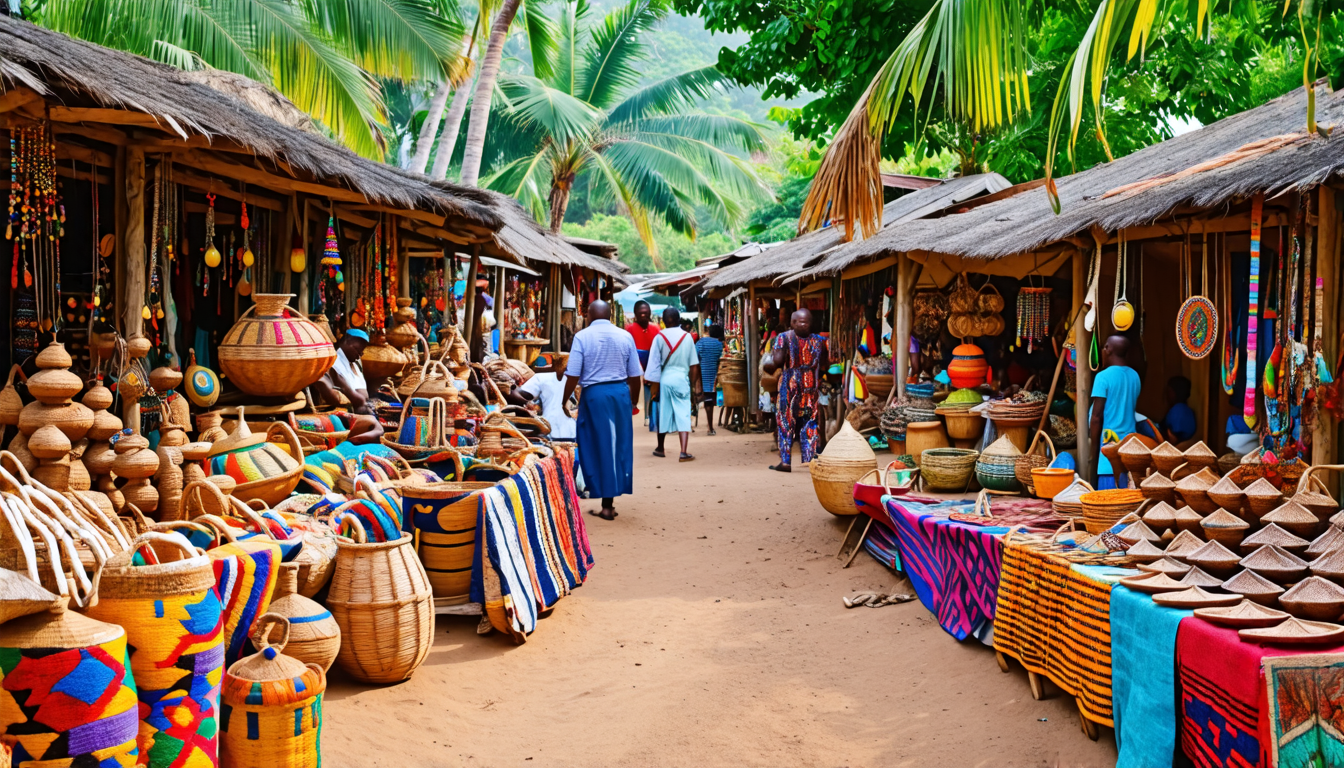
Shopping for souvenirs in Madagascar can be a delightful and rewarding experience, but it also comes with its own set of challenges and considerations. Here are some indispensable tips to ensure you get the best value while respecting local customs and preserving the unique beauty of Madagascar’s crafts.
Bargaining and Fair Trading Practices
One of the most exciting aspects of shopping in Madagascar is the vibrant and energetic bargaining culture. However, it’s essential to approach it with respect and fairness. When bargaining, start by offering a price slightly below what you are willing to pay, and gently negotiate upwards.
Remember, the goal is not to get the lowest possible price, but to reach a fair deal. An understanding of the local cost of living can provide perspective and help you avoid driving too hard of a bargain.
Supporting local artisans is crucial for the sustainability of traditional crafts. Whenever possible, make purchases directly from the artisans rather than middlemen. This approach ensures that more of your money goes directly to the craftsperson and helps sustain their livelihoods.
Look for markets or shops that clearly label items made by local artisans or that are part of fair trade organizations. This way, you contribute positively to the local economy and the continuation of these time-honored traditions.
Understanding Customs Regulations and Ensuring Sustainable Sourcing
When shopping for souvenirs in Madagascar, it’s important to be aware of customs regulations to prevent any issues when bringing items back home. Some products may be subject to restrictions or require special permits. For example, wildlife products such as certain shells, corals, and animal parts might be regulated to prevent illegal trade and protect endangered species.
Sustainable sourcing is another critical factor to consider. Madagascar is renowned for its rich biodiversity, and as a visitor, you play a role in protecting it. Choose souvenirs that are made from renewable resources or those that do not contribute to environmental degradation.
For instance, instead of buying souvenirs made from endangered hardwoods, opt for items crafted from sustainably harvested materials. Seek out vendors who are transparent about their sourcing practices and who support conservation initiatives.
Additionally, avoid purchasing items that are clearly mass-produced or not authentically Malagasy. These products often do not support local communities and may even contribute to cultural erasure. Authentic Malagasy crafts are a reflection of the island’s rich heritage and investing in these ensures that artisans can continue their celebrated craftwork.
Packing and Transporting Fragile or Delicate Souvenirs
Souvenirs from Madagascar can be incredibly delicate and fragile, necessitating careful handling and packing to survive the journey home. Here are some practical tips to ensure your treasures remain intact:
- Use Soft Items for Padding: Utilize clothing, scarves, or other soft textiles to wrap fragile items. This not only prevents damage but also saves space in your luggage.
- Hard-sided Luggage: Transporting delicate souvenirs in hard-sided luggage can offer extra protection against impacts. This is especially useful for items like zebu horn products or clay figurines.
- Separate and Label: Place fragile items in separate compartments or use padded partitions to keep them from moving around during transit. Labeling these compartments can remind you to handle them with care.
- Carry-On Option: If possible, carry smaller valuable or delicate items in your carry-on luggage. Airline personnel tend to be more gentle with hand baggage, reducing the risk of damage.
- Consider Shipping: For large or exceptionally fragile items, consider professional shipping services. This might come at an extra cost but ensures that your items are well-protected and insured.
In summary, a mindful approach to shopping for Madagascar souvenirs not only enhances your travel experience but also makes a positive impact on the local communities and the environment. By practicing fair bargaining, adhering to customs regulations, ensuring sustainable sourcing, and carefully packing your treasures, you preserve the essence and integrity of your Madagascan mementos for years to come.
Madagascar offers an exceptional array of souvenirs that truly capture the essence of its rich cultural heritage and natural beauty. From handwoven textiles and intricate zebu horn carvings to exquisite vanilla pods, the diversity and artistry of traditional Malagasy crafts are unparalleled. These items not only serve as unique keepsakes but also carry deep cultural significance, making them cherished mementos of your journey.
Finding authentic and high-quality souvenirs is an integral part of the experience, and major cities like Antananarivo, Antsirabe, and Nosy Be boast some of the best markets and shops to explore. To ensure you bring home the best treasures, visit seasonal markets and local festivals, which often showcase distinctive and regional products that are not available elsewhere.
When shopping for souvenirs in Madagascar, it’s important to adopt ethical practices. Engage in fair bargaining to support local artisans and be mindful of customs regulations to avoid issues at borders. Ensure that your purchases are sustainably sourced, especially when buying items made from natural materials. To preserve your delicate finds, take care in packing, using protective materials to prevent damage during transit.
In essence, the journey of selecting souvenirs in Madagascar goes beyond mere shopping. It is a vibrant and immersive experience that allows you to connect with the island’s culture and traditions, supporting local communities and taking home a piece of Madagascar’s unique legacy.


 Souvenir Ideas to Take Home from Every Country and City
Leave a comment