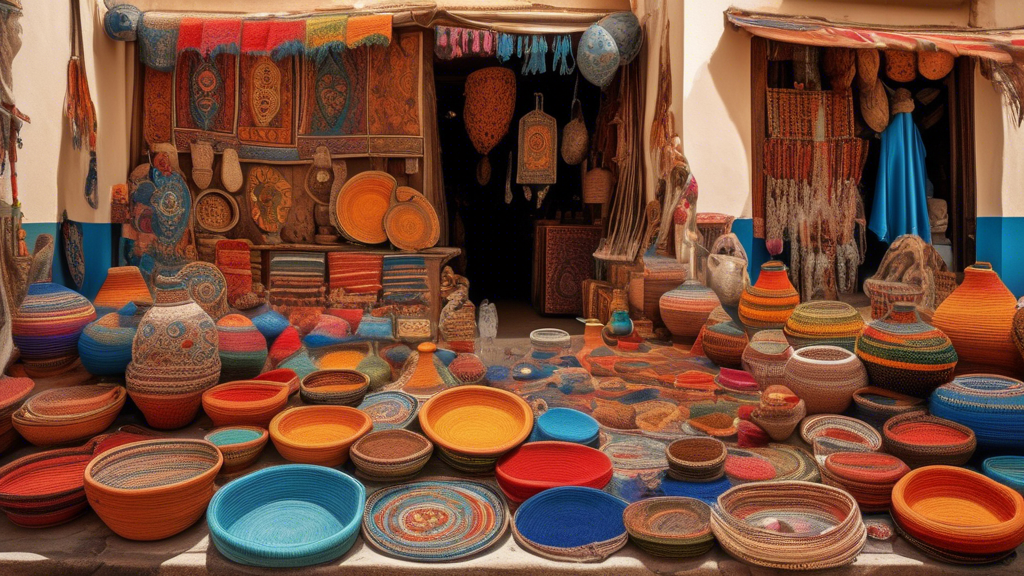
When traveling to Libya, a land of rich history and vibrant culture, bringing home a piece of this North African gem in the form of unique souvenirs is a must. From intricately designed traditional handicrafts to locally produced goods laden with cultural significance,
Libya offers a plethora of distinctive keepsakes that provide a tangible connection to its storied past and diverse traditions. As you wander through bustling markets and hidden boutiques in cities like Tripoli and Benghazi, you’ll find an array of treasures that beautifully encapsulate the essence of Libyan heritage.
In this guide, we delve into the top 10 must-have souvenirs that capture the spirit of Libya, along with tips on where to buy these authentic mementos and how to navigate the local markets to ensure you bring home the best of Libyan craftsmanship.
Whether you’re on the lookout for intricately woven carpets, hand-carved wooden items, or vibrant traditional attire, our curated list will help you discover the perfect souvenirs to commemorate your Libyan adventure.
Description of Traditional Libyan Handicrafts
Libya is a country with a rich history and vibrant culture, which is beautifully reflected in its traditional handicrafts. These handcrafted items not only make for unique souvenirs but also offer a glimpse into the Libyan way of life, cultural practices, and artistic heritage. Among the most notable traditional Libyan handicrafts are:
1. Tuareg Jewelry: The Tuareg people are known for their exquisite silver jewelry, which often features intricate designs and symbolic motifs. These pieces are typically crafted using traditional techniques passed down through generations. The jewelry is both a fashion statement and a cultural emblem, representing the identity and heritage of the Tuareg tribe.
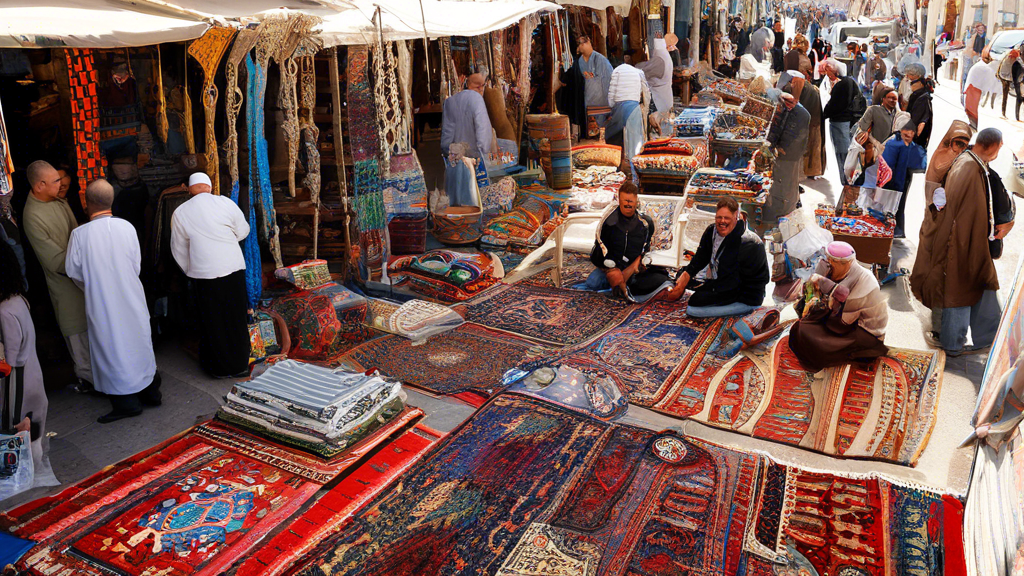
2. Kilim Rugs: Handwoven kilim rugs are another iconic Libyan handicraft. Made from wool or goat hair, these rugs boast vibrant colors and geometric patterns. Each kilim tells a story and usually depicts scenes from daily life or tribal folklore. They are not only functional items but also works of art that can add a touch of Libyan culture to any home.
3. Pottery: Traditional Libyan pottery is often crafted with natural clay and decorated with simple yet striking patterns. These items range from everyday kitchenware to ornate decorative pieces. The pottery you find in Libya often reflects the country’s long-standing traditions and historical influences.
4. Leather Goods: Leather working is another traditional craft in Libya, where you can find beautifully crafted leather goods such as bags, wallets, and belts. These products are usually made from camel or goat leather and are often adorned with traditional motifs or beadwork.
Must-Have Local Products and Their Cultural Significance
When it comes to purchasing souvenirs in Libya, certain local products stand out not only for their uniqueness but also for their cultural significance. Bringing these items home means more than just acquiring a keepsake; it’s about preserving a piece of Libya’s rich cultural heritage.
5. Traditional Attire: Traditional Libyan clothing, such as the thobe for men and melhafa for women, makes for an extraordinary souvenir. These garments are often made from high-quality fabrics and are intricately embroidered. They are worn on special occasions and ceremonies, reflecting the wearer’s cultural pride and heritage.
6. Dates: Libya is renowned for its high-quality dates, particularly those from the Fezzan region. Dates are a staple in Libyan cuisine and are often used in various traditional dishes. They are also given as gifts during special occasions and religious festivals, symbolizing hospitality and generosity.
7. Olive Oil: Olive oil has been a significant part of Libyan culture for centuries. The country’s Mediterranean climate is ideal for olive cultivation, resulting in high-quality, fragrant olive oil. It’s used in cooking, cosmetics, and even traditional medicine. A bottle of Libyan olive oil is not just a culinary delight but also a slice of Libyan history and tradition.
8. Ambergris Perfumes: Ambergris, a rare and valuable substance produced by sperm whales, is used in the creation of unique and exquisite perfumes. Libyan ambergris perfumes are sought after for their rich and long-lasting scent. These perfumes are often seen as a symbol of luxury and refinement.
9. Henna: Henna is extensively used in Libyan cultural and religious ceremonies. It is applied in intricate designs on the skin for weddings, festivals, and other special occasions. A packet of Libyan henna makes for a meaningful souvenir, allowing you to partake in a cherished Libyan tradition.
10. Brassware: Beautifully crafted brass items, including trays, tea sets, and decorative pieces, are also popular Libyan souvenirs. Brassware often features detailed engravings and patterns that display exceptional craftsmanship. These items not only serve practical purposes but also make for stunning decorative pieces, encapsulating the artistic spirit of Libya.
These ten unique souvenirs provide a diverse representation of Libyan culture and tradition. Each item carries its own story, reflecting the rich history and diverse influences that make Libya a fascinating country. When shopping for souvenirs in Libya, consider the cultural significance and craftsmanship behind each product to ensure you bring home a piece of Libya’s exceptional heritage.
Where to Buy Authentic Libyan Souvenirs
When it comes to purchasing unique souvenirs from Libya, knowing the right places to shop can make all the difference. Libyan cities such as Tripoli, Benghazi, and Sabha are replete with markets and shops where you can find authentic local products.
In this segment, we’ll guide you through some popular markets and shops across major Libyan cities and offer tips on bargaining and ensuring the genuineness of your purchases.
Popular Markets and Shops in Major Libyan Cities
1. Tripoli
Tripoli, the capital city, is a treasure trove for souvenir hunters. The historical Old Medina is undoubtedly the best place to start. Wandering through its labyrinthine alleys, you’ll come across shops that sell traditional Libyan handicrafts, jewelry, and textiles. Some notable markets and shops include:
- Saraya Souq: This bustling market offers a variety of handicrafts, silver jewelry, and traditional carpets. A must-visit for those looking for unique keepsakes.
- Bab Al-Hurriya: Known for its pottery and leather goods, this market is an excellent spot to find high-quality, authentic Libyan souvenirs.
- Gurgi Mosque Market: Located near the famous Gurgi Mosque, this market is famous for its wide selection of embroidered clothing and homemade perfumes.
2. Benghazi
Benghazi, Libya’s second-largest city, also offers a host of markets and shops where you can find unique souvenirs. The Al-Funduq Market is particularly popular among locals and tourists. Noteworthy markets and shops include:
- Suq Al-Jarid: This market is famous for its intricate baskets, woven goods, and traditional ceramics.
- Souq Al-Houts: A vibrant market known for its variety of seafood products as well as handmade crafts and decorations.
- Shahat Market: If you are into historical artifacts and antiques, Shahat Market is the place to go. Here, you can find relics and souvenirs with cultural significance.
3. Sabha
Sabha, located in the southwestern part of Libya, offers a distinct array of traditional goods, reflecting the rich cultural heritage of the region. Key markets include:
- Sabha Main Market: This market is a melting pot of traditional spices, handmade garments, and local art. Perfect for those wanting a comprehensive shopping experience.
- Ghudwa Souk: A local favorite, this market specializes in textiles, pottery, and traditional jewelry.
- Fezzan Handicraft Market: Catering to those interested in authentic handicrafts, this market offers a variety of products made by local artisans.
Tips for Bargaining and Ensuring Authenticity
Bargaining is an integral part of the shopping experience in Libya, and mastering this art can save you money and ensure you are getting genuine products. Here are some tips to help you navigate through the bargaining process and verify the authenticity of items:
Bargaining Tips
- Start Low: When a seller quotes a price, start by offering roughly half of that amount. This gives you room to negotiate and arrive at a fair price.
- Be Polite but Firm: Politeness goes a long way, but be firm about your budget. Sellers appreciate a respectful attitude and are more likely to give you a good deal.
- Walk Away if Necessary: If you feel the price is too high, don’t hesitate to walk away. Oftentimes, sellers will reduce the price to ensure a sale.
- Know the Market: Do a bit of research beforehand to know the average prices of the items you are interested in. This will give you a solid starting point for negotiations.
Ensuring Authenticity
- Check the Craftsmanship: Authentic Libyan handicrafts are usually well-made, with attention to detail. Check for signs of quality craftsmanship, such as even stitching on textiles and detailed patterns on pottery.
- Ask for Provenance: Don’t hesitate to ask the seller about the origin of the product. Genuine sellers should be able to provide information on where and how the item was made.
- Look for Marks and Signatures: Some artisans leave marks or signatures on their work. These can be a good indicator of authenticity.
- Trust Your Instincts: If a deal feels too good to be true, it probably is. Trust your instincts and be cautious of items that seem suspiciously cheap or different from standard local products.
By knowing where to shop and how to bargain effectively, you are better equipped to find and bring home authentic Libyan souvenirs that capture the essence of Libya’s rich culture.
In conclusion, the souvenirs from Libya are far more than mere keepsakes; they are gateways to understanding and appreciating the country’s rich cultural tapestry. Whether it’s the detailed handiwork of a Berber rug or the robust flavor of locally produced olive oil, each item encapsulates a piece of Libya’s history, tradition, and artisanal skill.
For travelers seeking to bring home a part of their Libyan journey, these unique souvenirs offer lasting memories and an ongoing connection to a land of profound beauty and heritage.


 Souvenir Ideas to Take Home from Every Country and City
Leave a comment